




Persian Carpets in Japan: Where Two Traditions of Craftsmanship Meet
Persian carpets have a particular appeal in Japan because they represent something deeper than interior decoration. They are handmade works shaped by patience, precision, nature, storytelling, and generations of artistic knowledge — qualities that have long been respected in Japanese culture.
The connection is especially interesting when Persian carpet design is viewed alongside traditional Japanese art. Persian miniature painting, Japanese painting, garden imagery, birds, trees, flowers, animals, and carefully composed natural scenes all demonstrate different artistic traditions with a shared appreciation for detail and disciplined craftsmanship.
For Japanese buyers, this makes Persian carpets especially interesting as works of art as well as beautiful objects for the home.
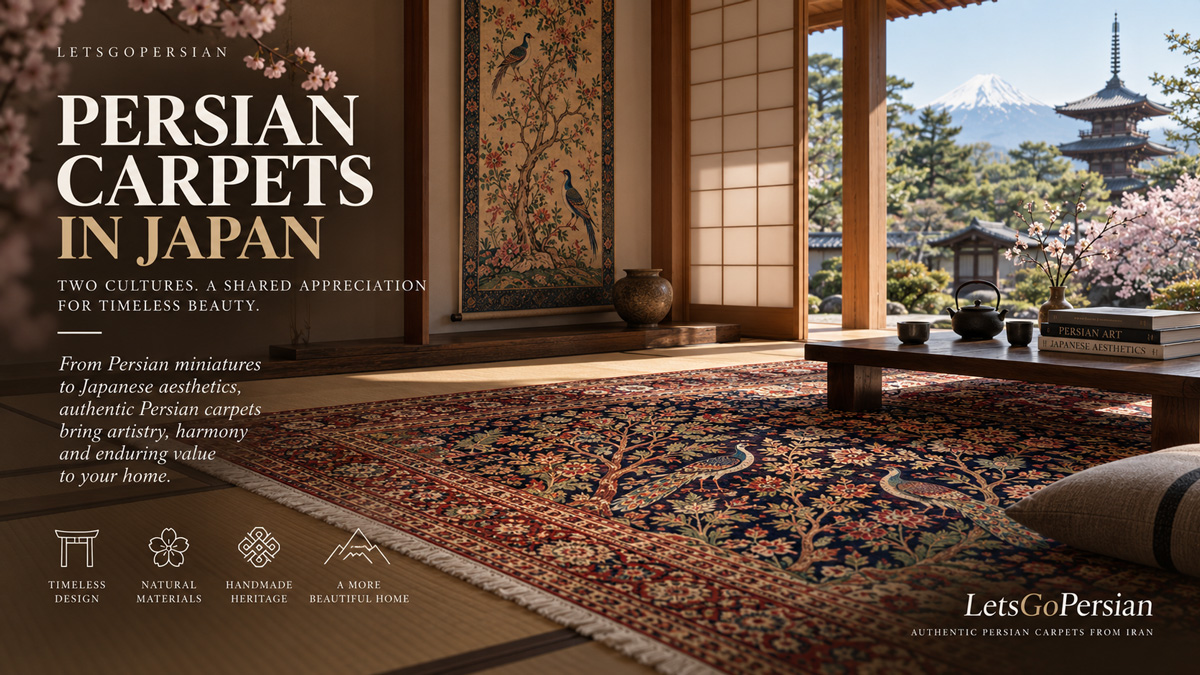
Why Persian Carpets Have a Special Appeal in Japan
Japanese appreciation for handmade objects is often connected to the skill, patience, and knowledge required to produce them. Persian carpet weaving offers exactly this kind of craftsmanship.
A handmade carpet is not simply a patterned floor covering. Its design, materials, colors, knotting, weaving technique, and finishing are the result of numerous decisions made by the weaver or workshop.
For collectors and design-conscious buyers, this makes a Persian carpet comparable in spirit to other traditional crafts where the value lies not only in the finished object but also in the mastery behind it.
Persian Miniatures and Japanese Art: An Unexpected Visual Connection
Persian miniature painting developed a highly sophisticated visual language based on detailed figures, gardens, trees, animals, architecture, flowing vegetation, and carefully arranged scenes. Japanese painting developed through a different historical tradition, but it too has a long fascination with nature, seasons, birds, plants, landscapes, and carefully observed details.
The two traditions should not be treated as identical. Their histories and artistic languages are distinct. Yet for a Japanese viewer, certain Persian carpets can create an immediately interesting visual conversation with familiar ideas of nature and composition.
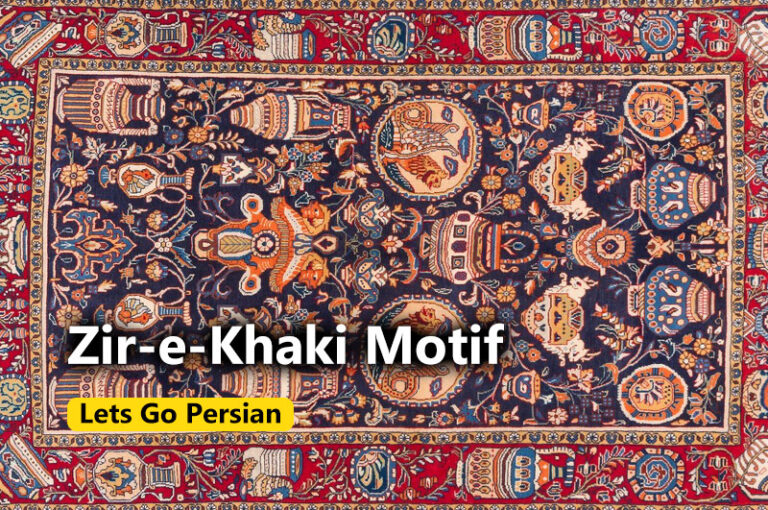
This is particularly noticeable in carpets where flowers, trees, birds, animals, and narrative scenes are given a prominent role rather than being used simply as repeating decoration.
Nahavand Rugs: A Persian Carpet Style Worth Discovering
Among the many regional Persian carpets, Nahavand is an especially interesting category for Japanese buyers who appreciate natural imagery and expressive composition.
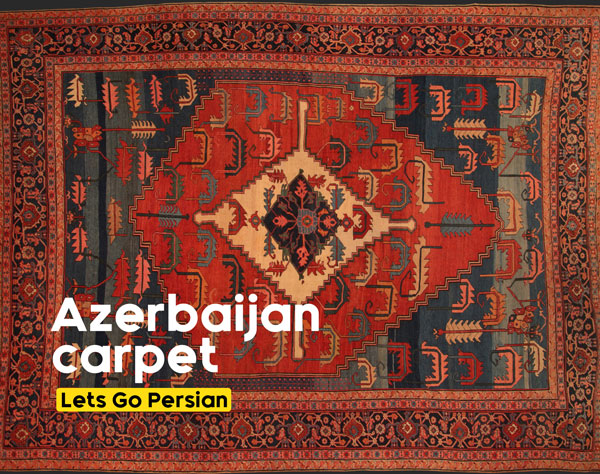
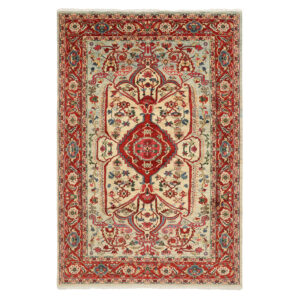
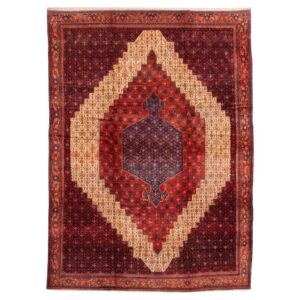
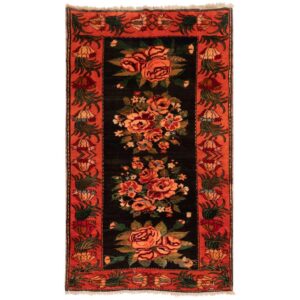
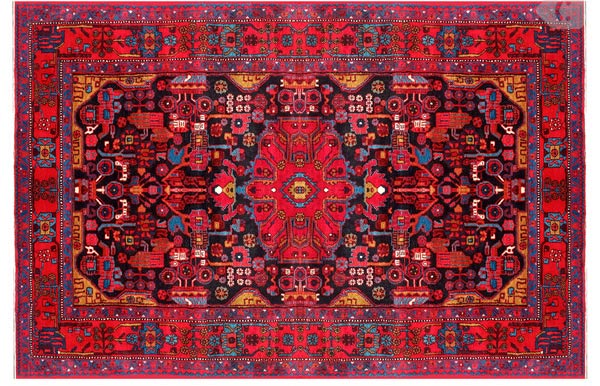
Nahavand rugs come from western Iran and are known for a combination of geometric structure and floral or nature-inspired decoration. Many examples use medallions surrounded by leaves, flowers, branches, stylized floral forms, and other elements derived from nature. Deep blue and rich red are particularly characteristic colors in many Nahavand examples.
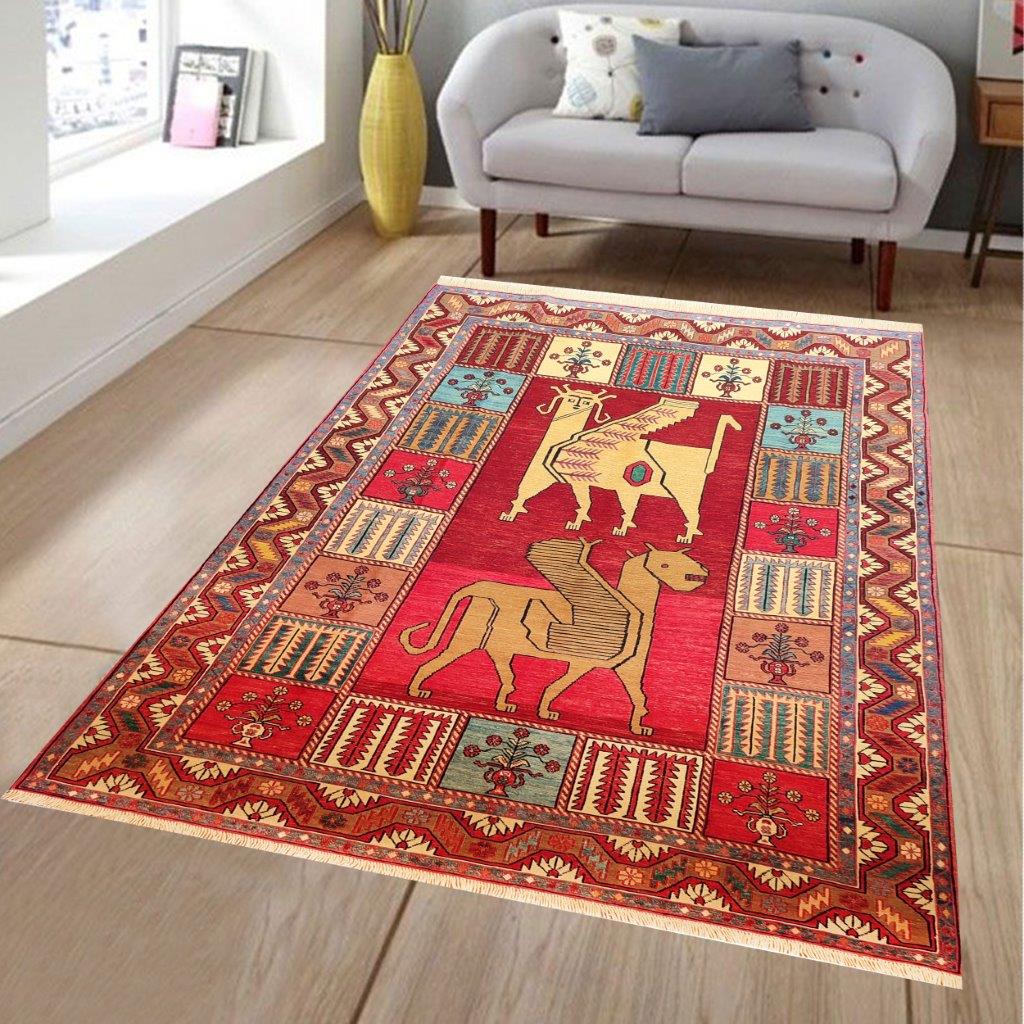
Some Nahavand carpets also feature highly expressive interpretations of natural and animal motifs. Rather than presenting nature as a photographic scene, the designs transform it into a stylized visual language — something that can make these carpets particularly interesting to people who appreciate traditional Asian approaches to representing nature.
Their combination of structure, natural motifs, strong color, and handmade irregularity gives Nahavand carpets a distinctive character that is quite different from the highly formal appearance of some Persian city carpets.
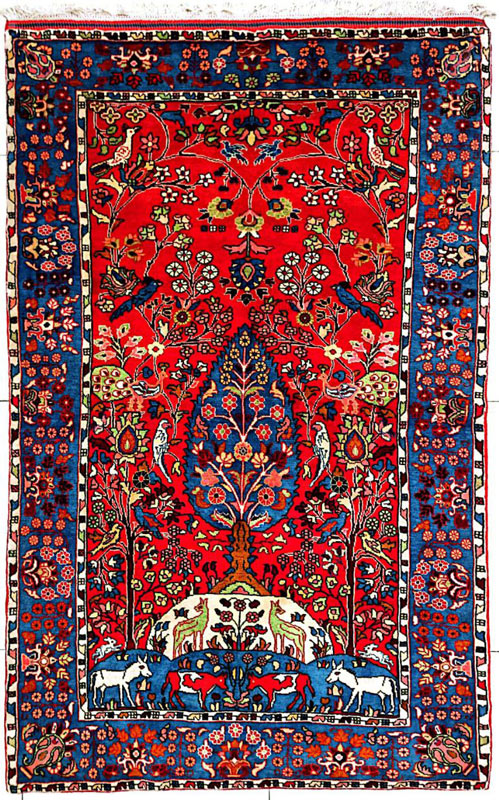
When a Persian Carpet Becomes a Picture
Some Persian carpets are appreciated almost like paintings. This is particularly true of pictorial and hunting carpets, where the design tells a story through people, animals, trees, landscapes, and movement.
The relationship between Persian miniature painting and hunting carpets is especially significant. Research into Safavid hunting carpets has identified close visual relationships between figures represented in carpets and those found in Persian miniature painting.
For a Japanese collector interested in traditional painting, narrative art, or finely detailed textiles, these carpets offer a very different way of experiencing Persian art.

Hunting Scenes and Narrative Persian Carpets
Hunting scenes are among the most visually ambitious subjects found in Persian carpet art. Horsemen, deer, birds, lions, trees, flowers, and landscape elements can be arranged into complex compositions that reward close viewing.
These carpets are particularly suited to buyers who want their carpet to function as a major artistic element in a room rather than simply as a background for furniture.
The best examples can be viewed from a distance as a complete composition and then examined closely for individual figures, animals, plants, borders, and details.
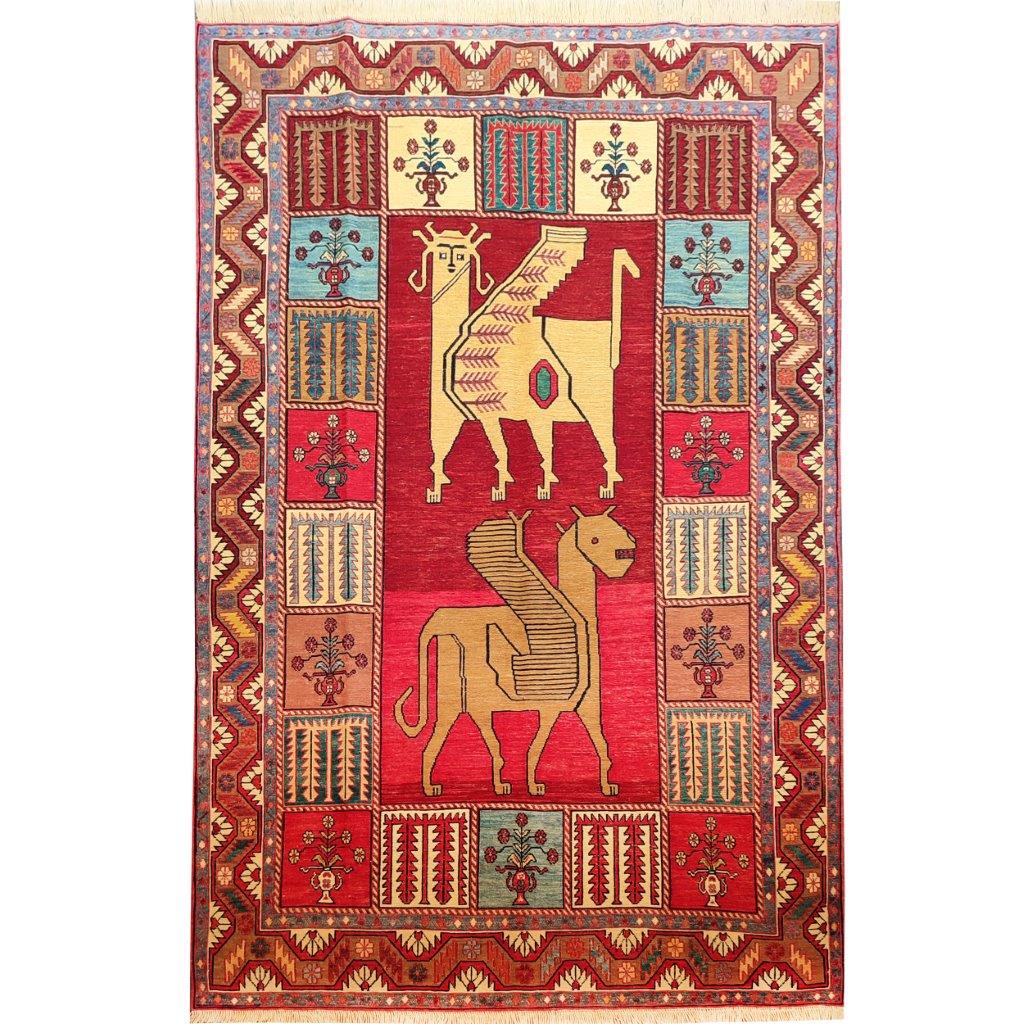
Nature-Inspired Persian Carpets for Japanese Interiors
Not every Japanese buyer looking for a Persian carpet wants a highly ornate design. Carpets inspired by nature can provide a more subtle alternative.
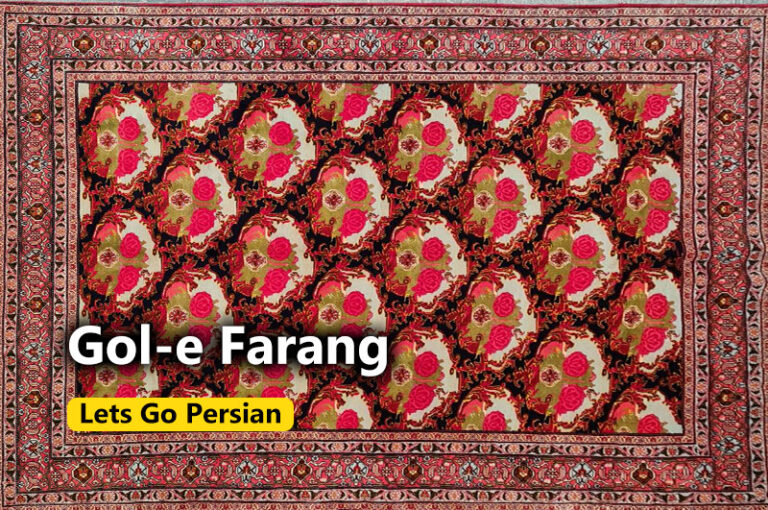
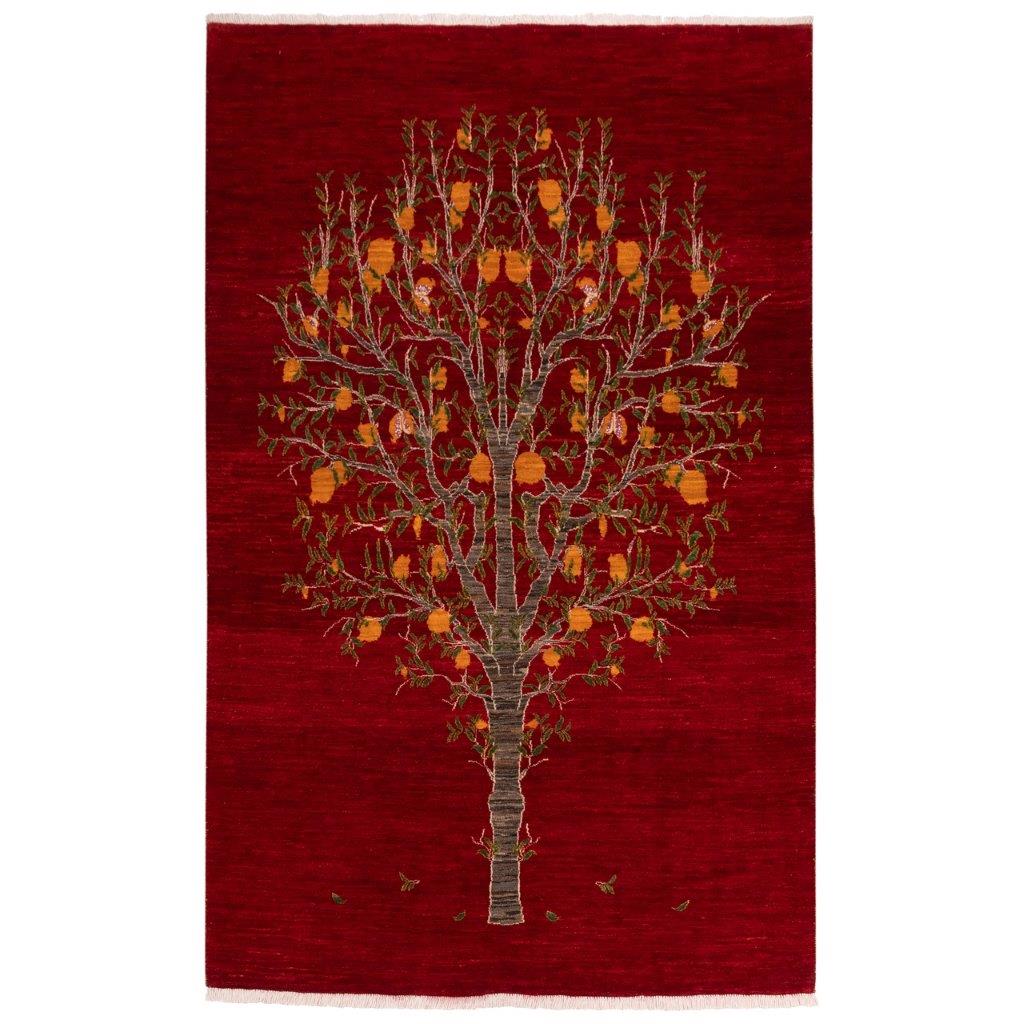
Depending on the room, floral, botanical, tree, bird, and garden motifs can introduce color and texture while maintaining a strong connection with natural materials and traditional craftsmanship.
For a quieter interior, a restrained design with a balanced field may work better than an extremely dense composition. For collectors and larger rooms, a detailed pictorial or nature-based carpet can become the central artistic object.
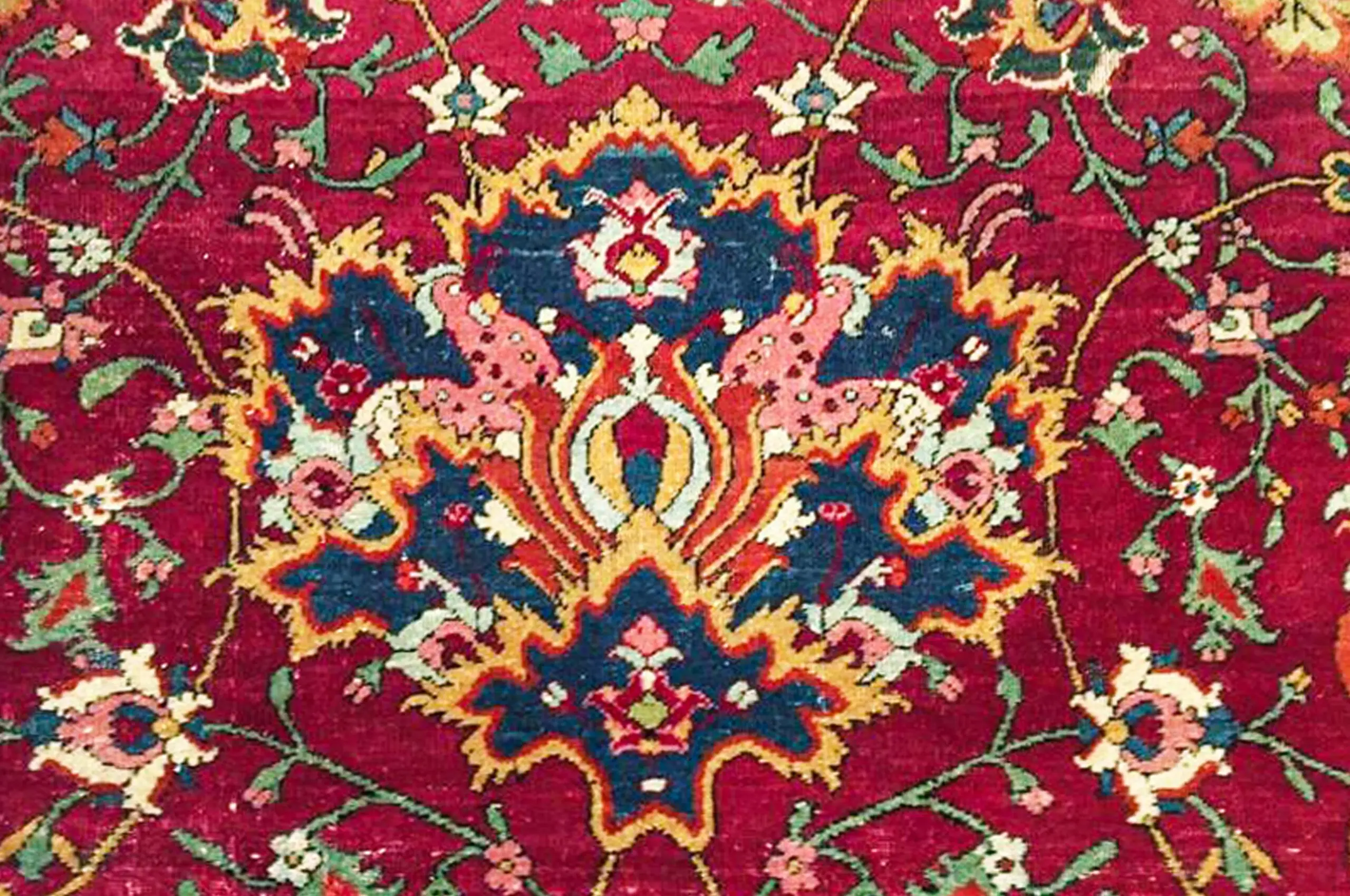
Traditional Craftsmanship, Seen from Two Different Cultures
Persian carpet weaving and Japanese traditional crafts developed independently, but both cultures have placed extraordinary value on mastery of technique.
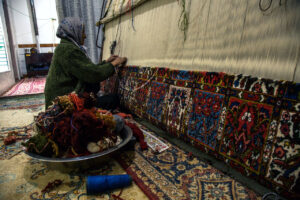
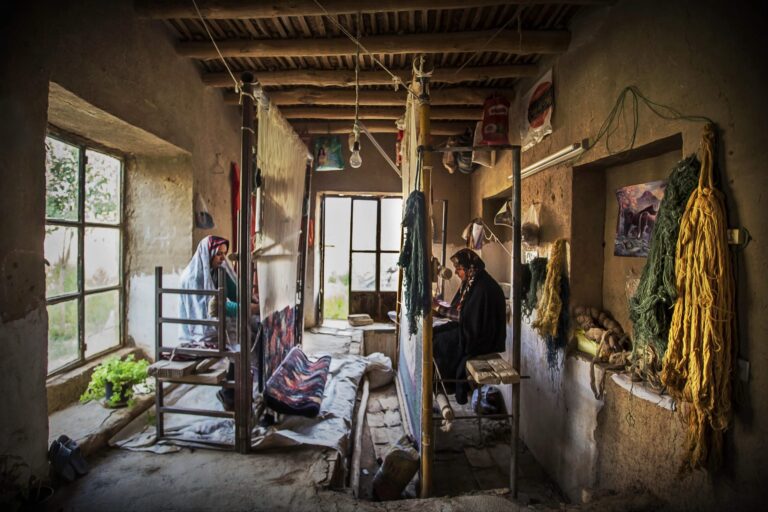
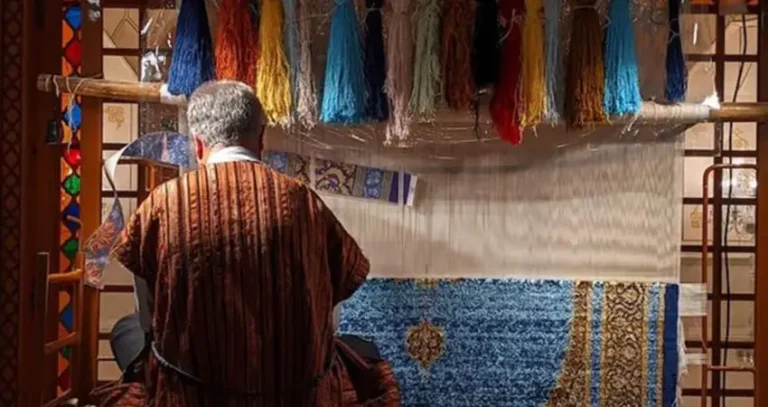
In Persian weaving, this knowledge can include drawing, knotting, spinning, dyeing, color selection, composition, and finishing. The result is an object in which technical skill and artistic expression are inseparable.
This is one reason Persian carpets can appeal to Japanese collectors beyond their decorative function. The carpet itself becomes evidence of a craft tradition.
Persian Carpets with Birds, Trees and Floral Motifs
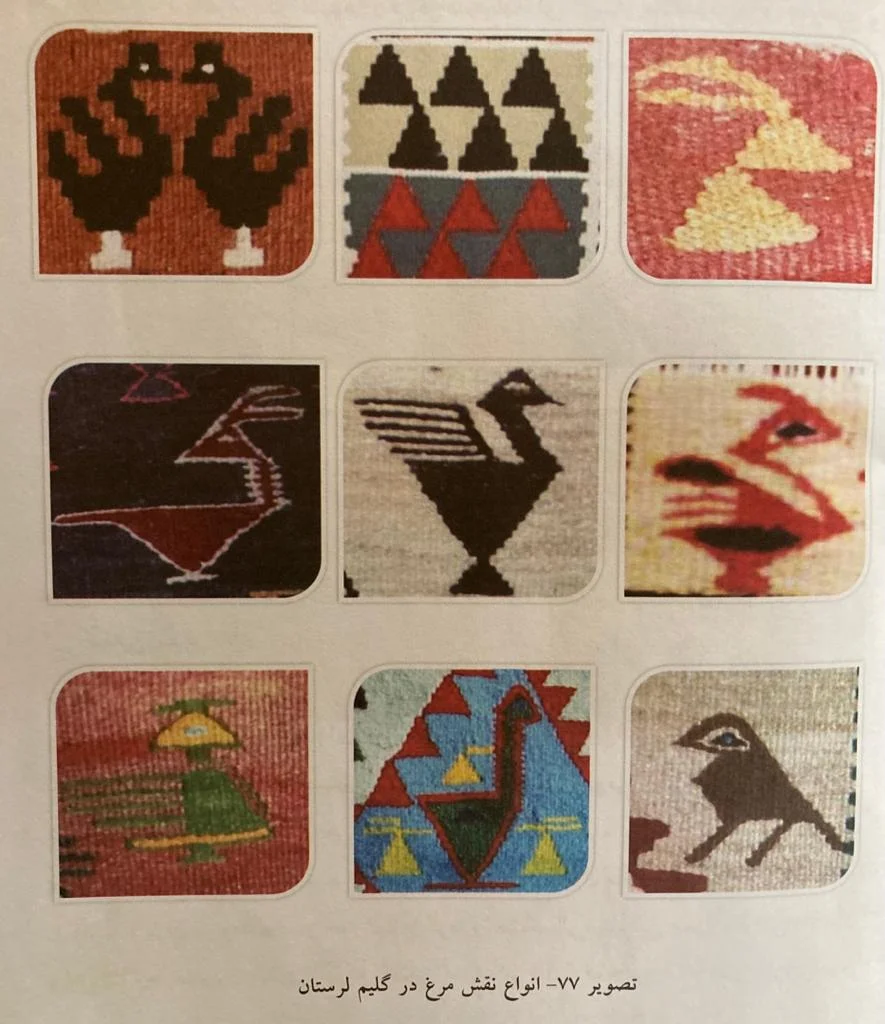
For buyers particularly attracted to Japanese artistic themes, carpets containing birds, trees, flowers, branches, gardens, and stylized natural forms are worth exploring.
These motifs appear across different Persian weaving traditions and can be expressed in very different ways. Some are highly geometric, while others are more fluid and pictorial.
The important point is not to search for a carpet that simply imitates Japanese art, but to discover a Persian interpretation of subjects that can also be appreciated through a Japanese artistic sensibility.
Persian Carpets for Japanese Homes
A Persian carpet can work in Japanese homes without requiring a traditionally decorated interior. In contemporary spaces, a carefully selected rug can introduce color, texture, and a handcrafted focal point.
For a quieter room, simpler designs and restrained colors may be appropriate. More detailed carpets can be used when the carpet itself is intended to become an important piece of art.
The scale is equally important. A carpet should be selected according to the proportions of the room and furniture rather than simply choosing a design that looks attractive in a photograph.
Persian Carpets as Collectible Art in Japan
Japan has a long history of appreciating Persian art and craftsmanship. Persian carpets have also been present in Japanese cultural and artistic contexts, including traditional settings in Kyoto.
Today, collectors can approach Persian carpets in several ways: as interior objects, as examples of regional craftsmanship, or as works of textile art with historical and artistic significance.
For collectors, factors such as rarity, age, provenance, condition, materials, design quality, and craftsmanship should be considered together rather than relying on a single measure such as knot density.
Which Persian Carpets Should Japanese Buyers Explore?
Nahavand
An excellent category to explore for buyers interested in nature-inspired compositions, strong color, geometric structure, flowers, leaves, and stylized natural motifs.
Persian Carpets Japanese Buyers Are Drawn To
Japanese buyers approach Persian carpets in different ways. Some look for a quiet handmade texture that works naturally with everyday living, while others are interested in tribal weaving, traditional patterns, or older carpets with a distinct history and character.
Gabbeh
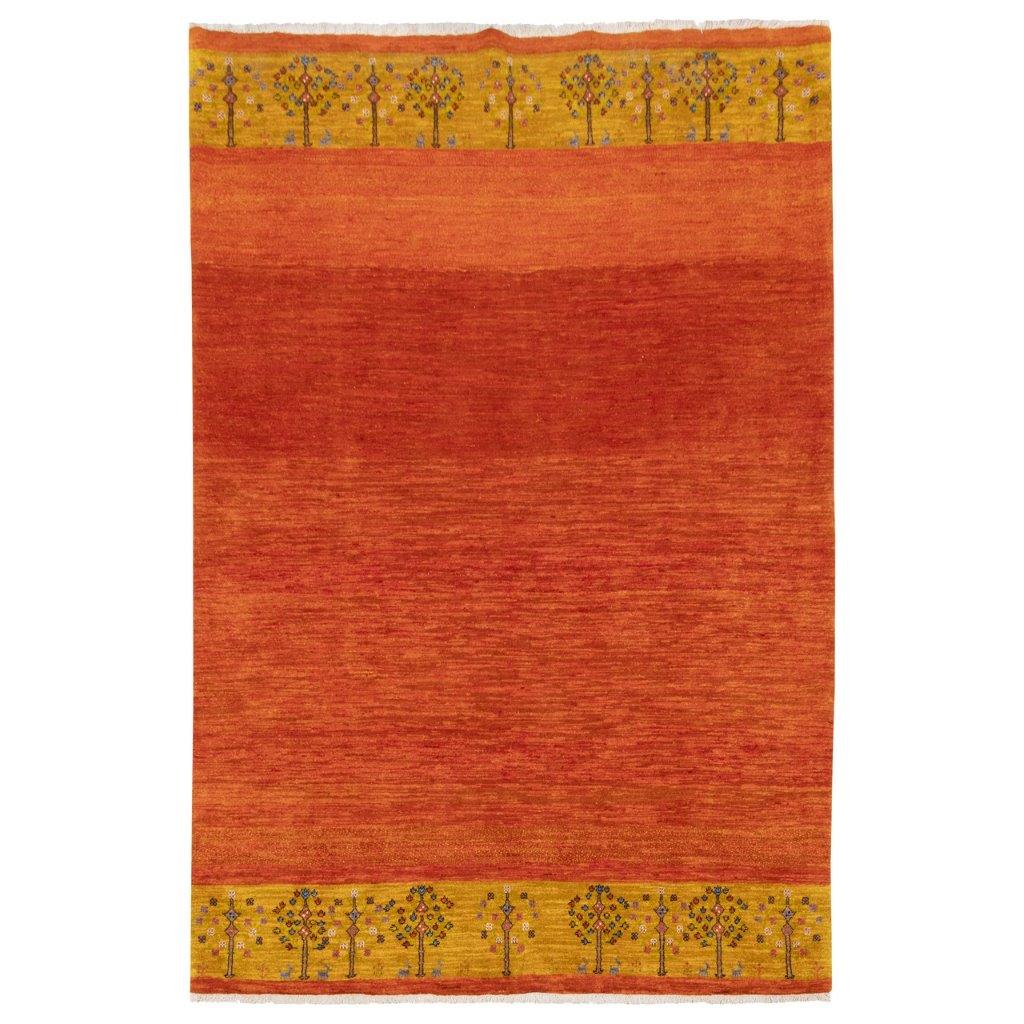
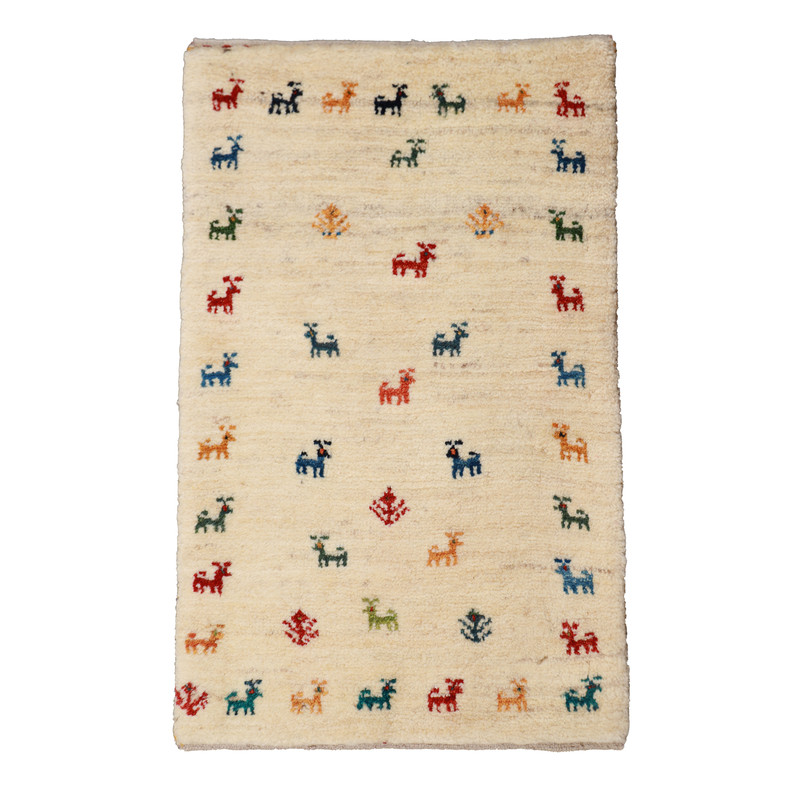
Gabbeh is one of the strongest choices for Japanese homes. Its simple compositions, natural wool texture, generous open spaces, and soft pile make it particularly easy to live with. Its thick surface also works well with the Japanese habit of spending time close to the floor.
Persian Kilim
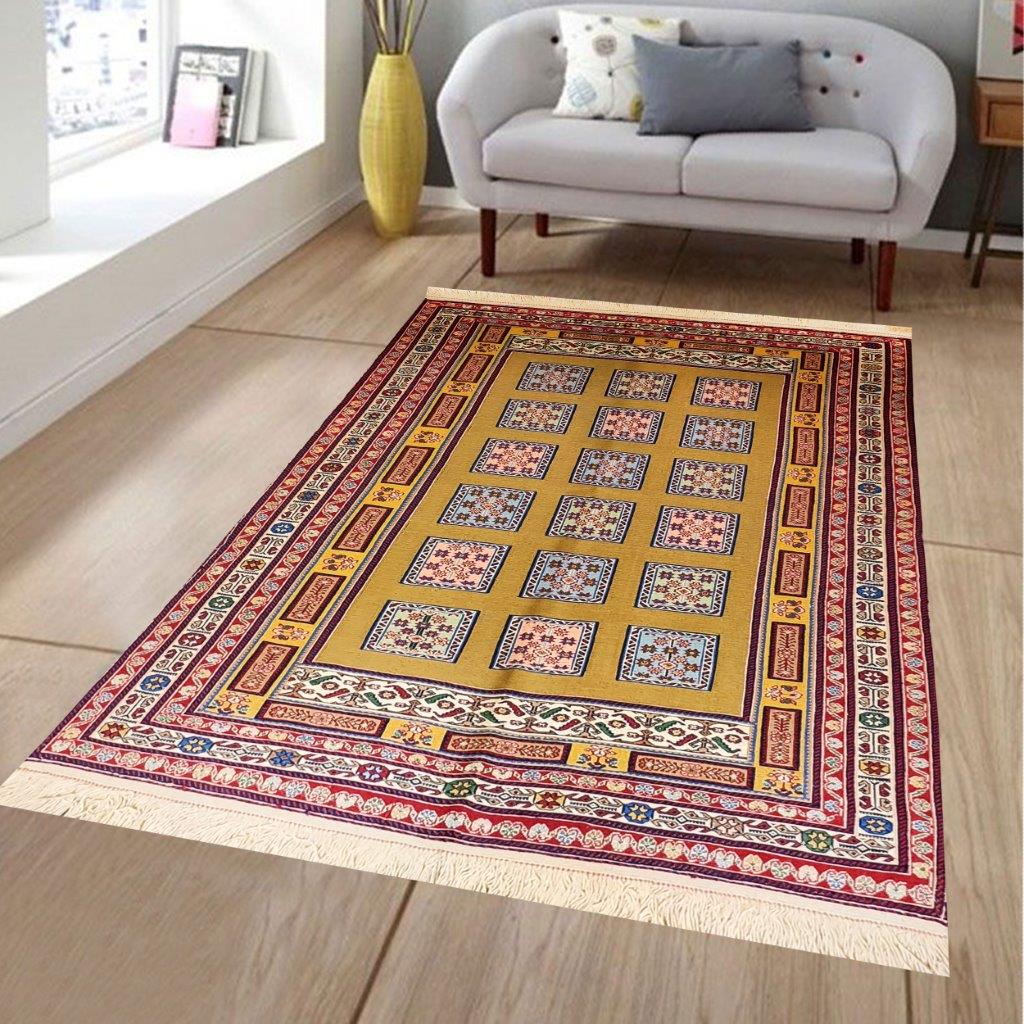
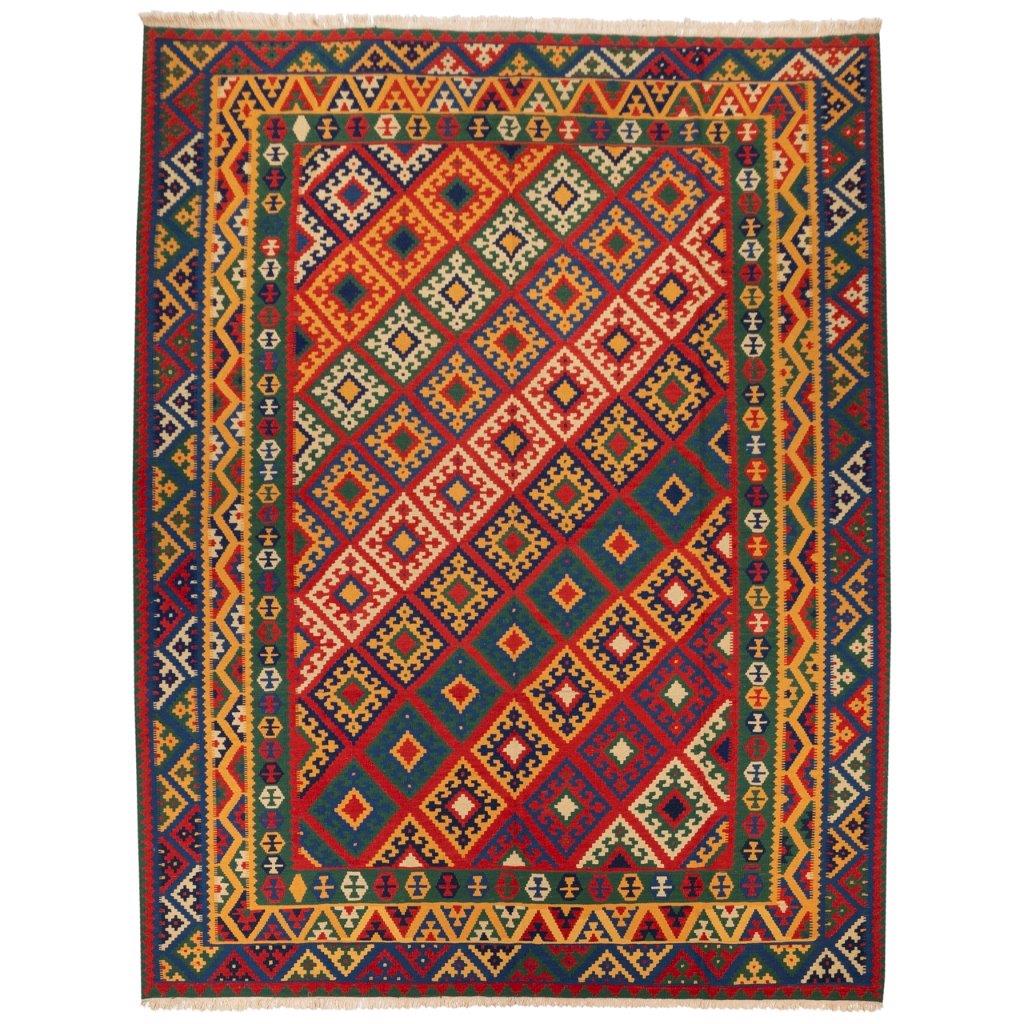
For buyers who prefer something lighter and more graphic, Persian kilims offer a completely different character. Their flat-woven construction and geometric patterns make them useful in smaller rooms, entryways, beside furniture, or spaces where a thick pile is not desirable.

Nain
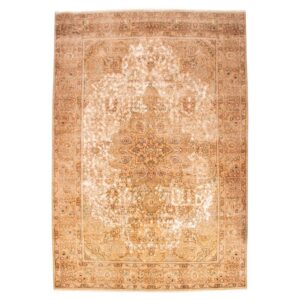
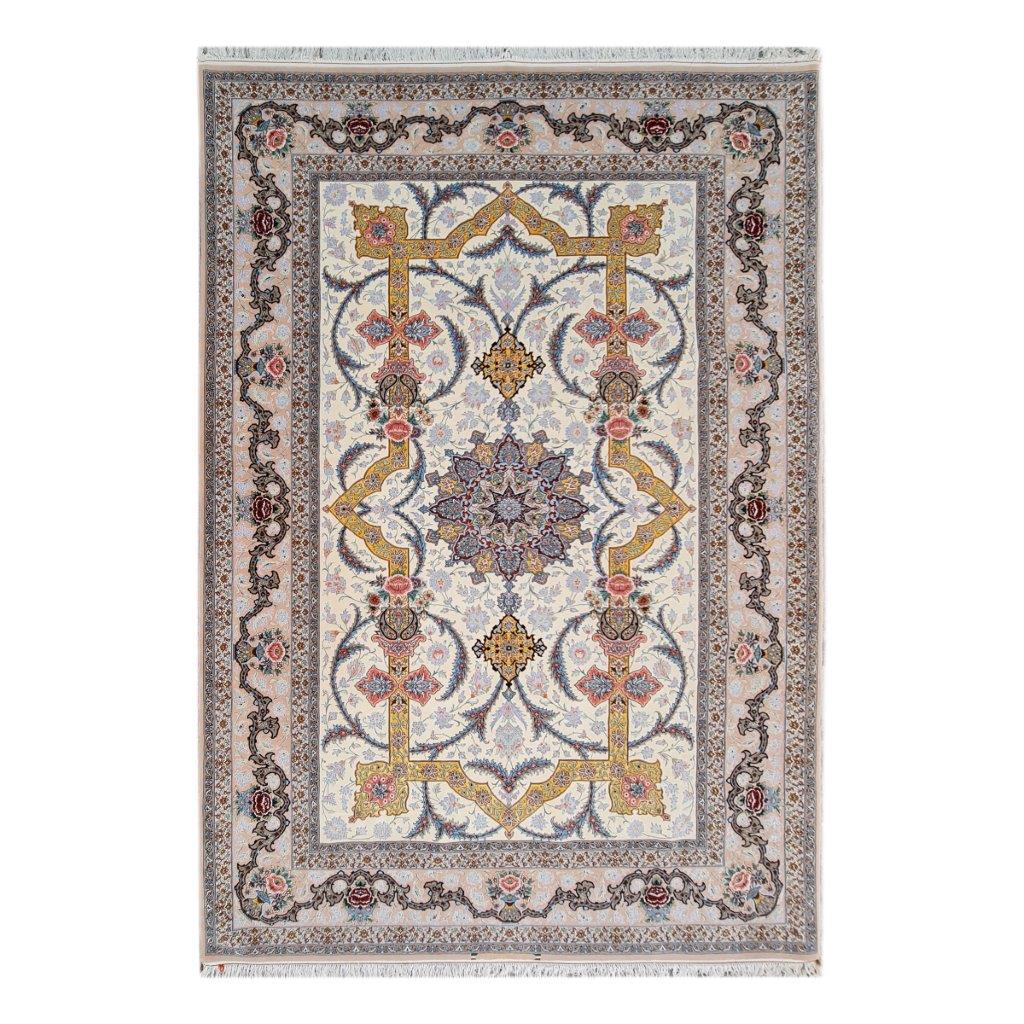
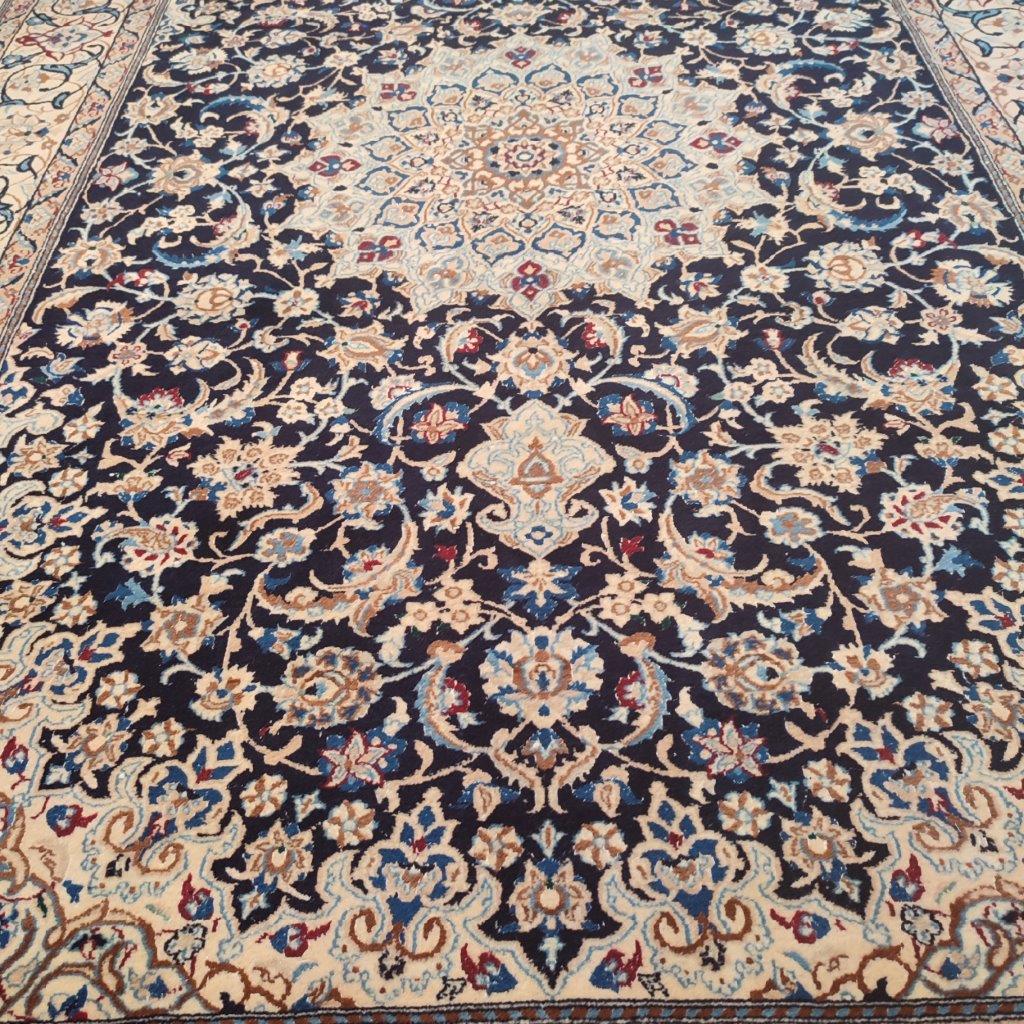
Nain carpets are a good option for buyers who prefer a refined and quieter Persian design. Their lighter palettes and finely drawn patterns can introduce traditional Persian craftsmanship without creating an overly heavy visual presence.
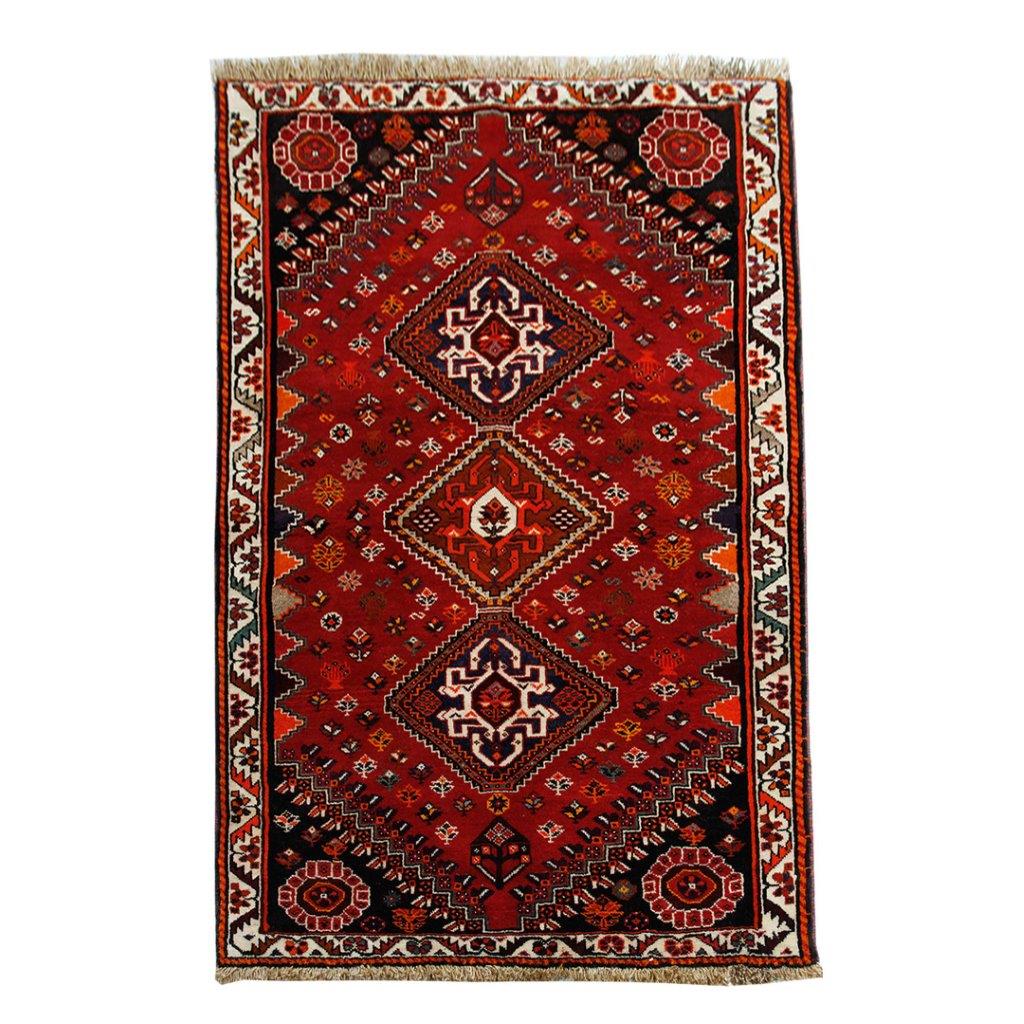
Qashqai
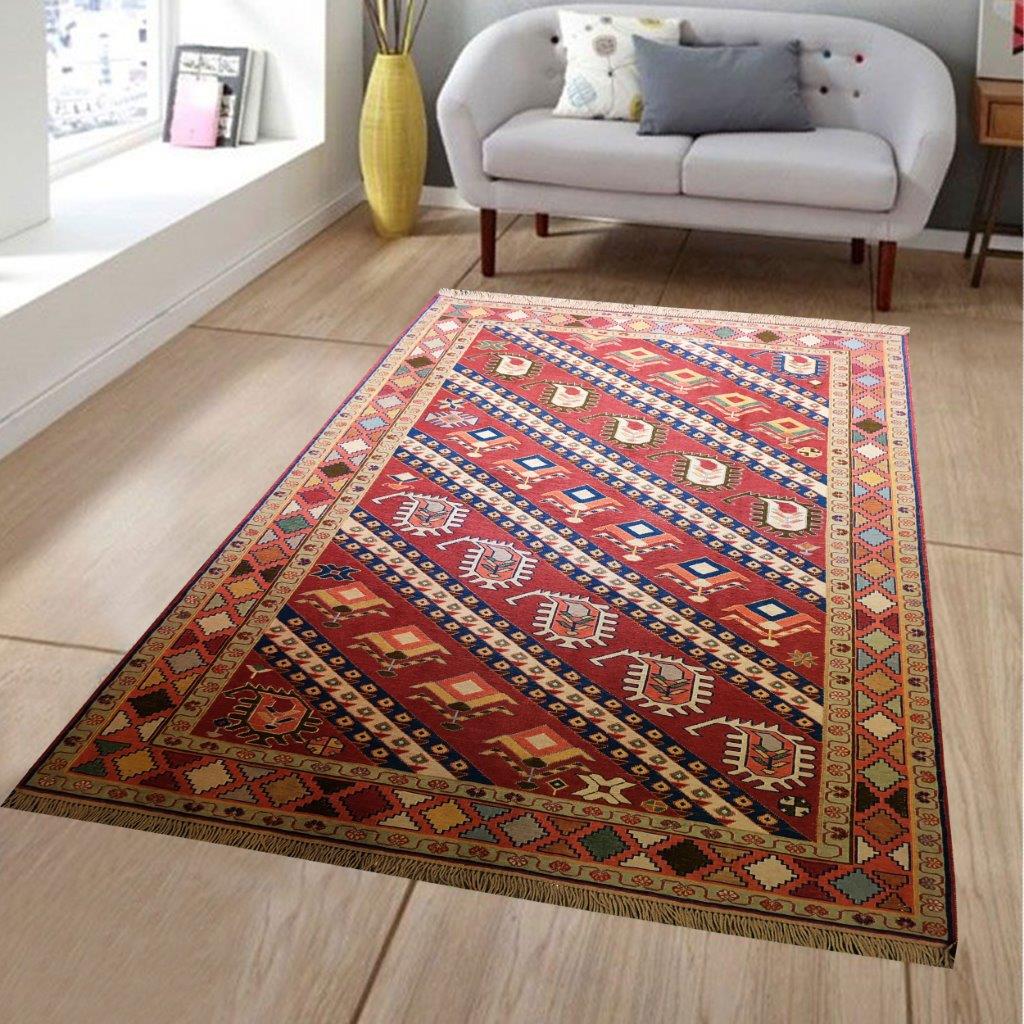
Qashqai carpets offer a more expressive side of Persian weaving. Their tribal character, geometric vocabulary, and individual handmade variations appeal to buyers who want a carpet with a stronger sense of personality rather than a perfectly formal workshop composition.
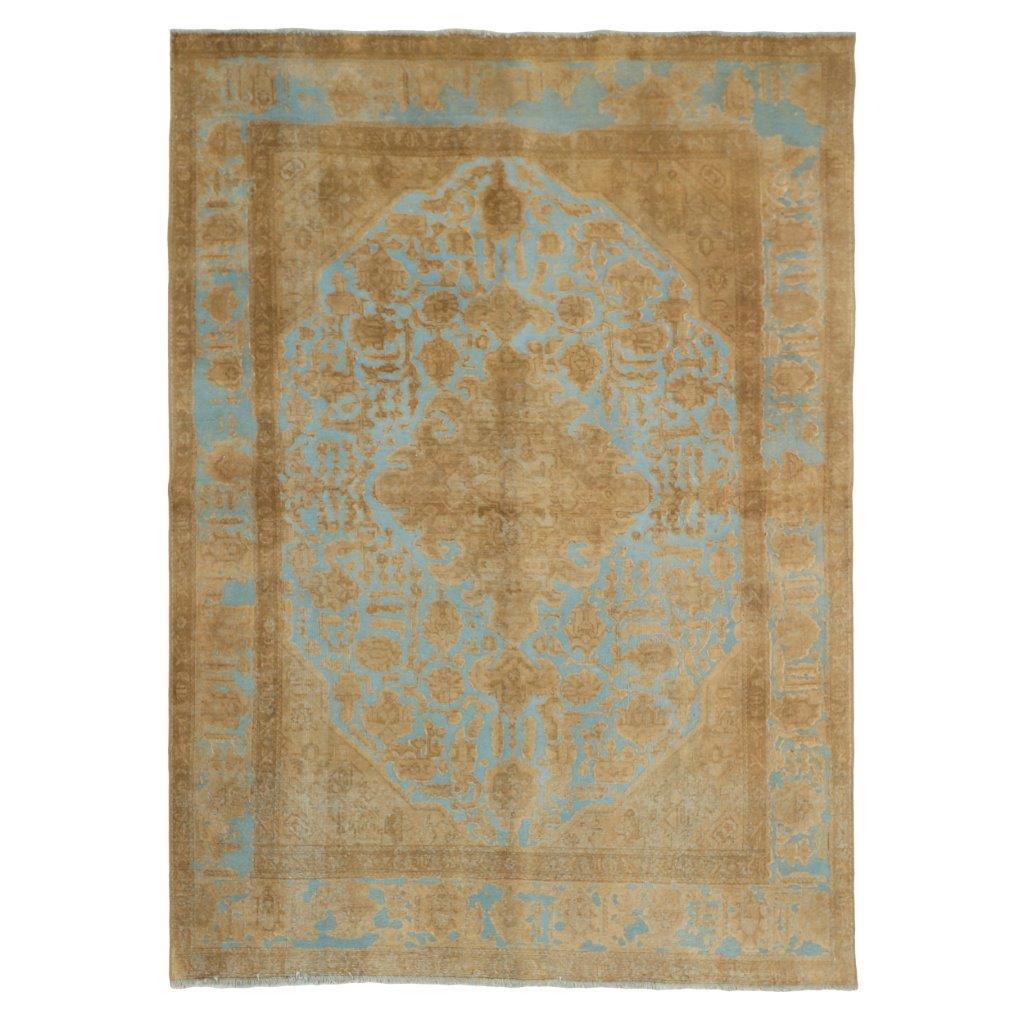
Vintage Persian Rugs
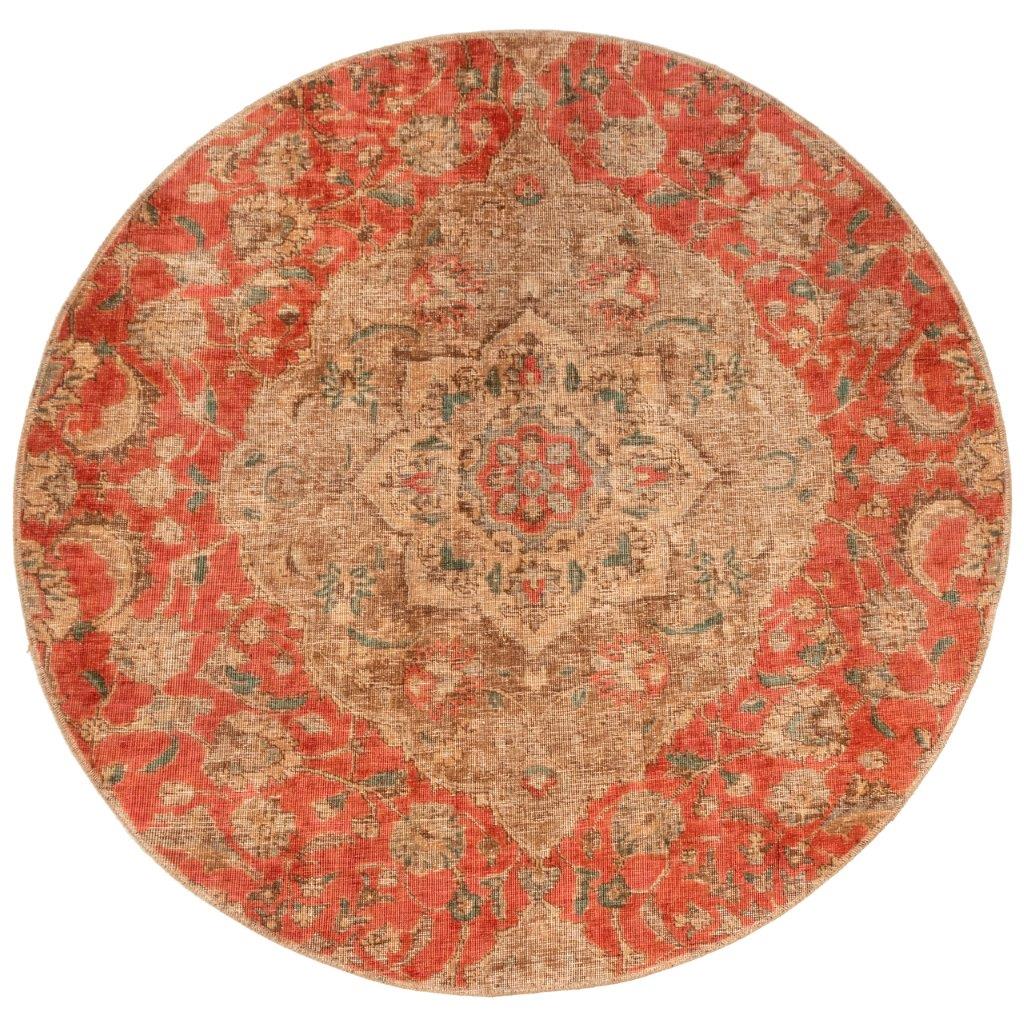
Vintage carpets are particularly interesting for Japanese buyers who value objects that develop character through age and use. Faded colors, softened wool, variations in the surface, and the traces of a carpet’s history can give each piece an individuality that a new reproduction cannot provide.
Buying a Persian Carpet Directly from Iran
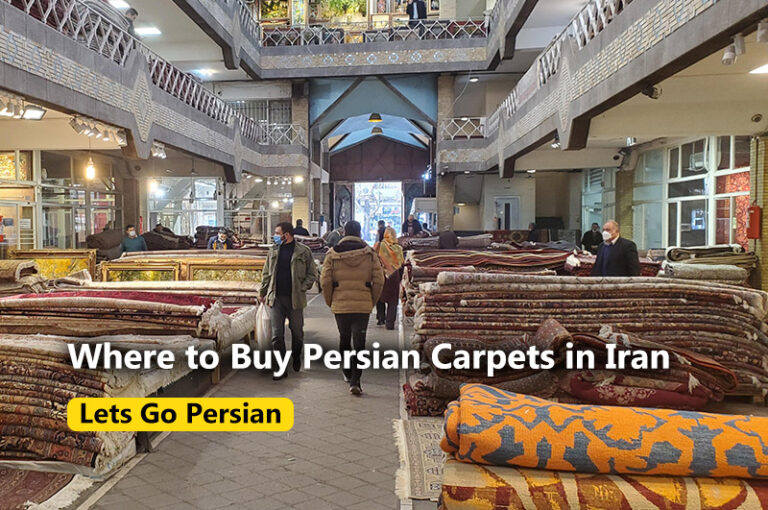
Japanese buyers who are looking for a particular regional style, unusual design, specific size, or collector-quality carpet may benefit from accessing the Iranian market directly.
We make this process easier by helping buyers explore carpets available in Iran, compare different regional traditions, and select an actual piece according to its design, dimensions, materials, craftsmanship, and intended use.
Before purchasing, we provide and confirm the practical details that matter: exact dimensions, materials, weaving region, construction, condition, detailed photographs, shipping arrangements, and the complete cost of delivery.
View Available Persian Carpets
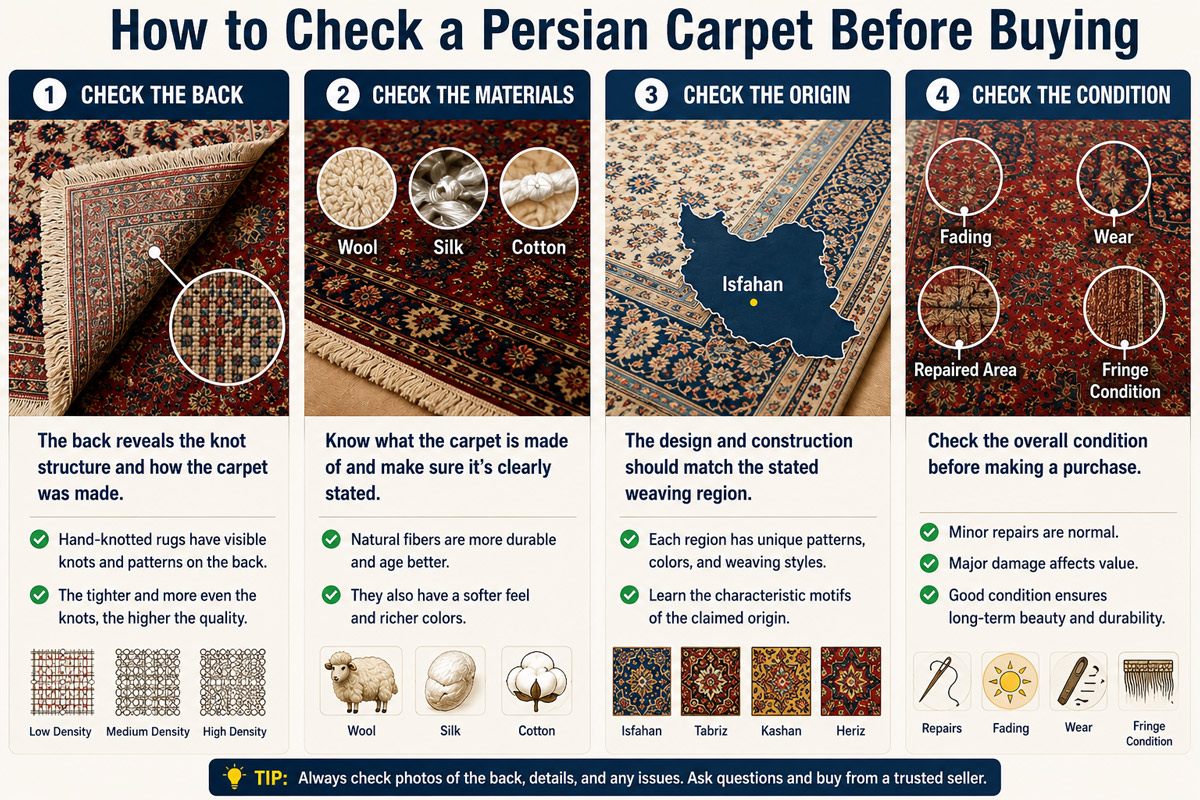
How to Evaluate a Persian Carpet Before Buying
Look at the Design Closely
Do not judge a carpet only from several meters away. Examine the relationship between the central field, borders, individual motifs, colors, and overall composition.
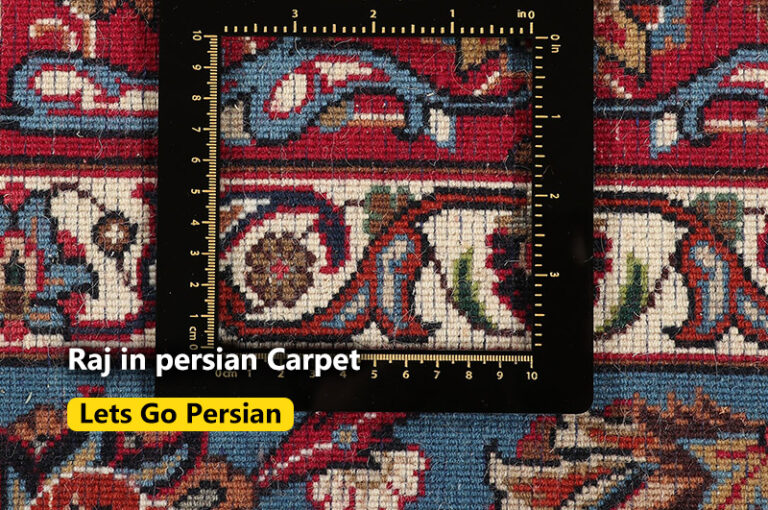
Examine the Reverse
The back of a handmade carpet can reveal useful information about knot structure, weaving technique, and construction.
Ask About Materials
Confirm whether the carpet is made from wool, silk, cotton, or a combination of materials. For valuable pieces, material information should be clearly documented.
Check Condition and Restoration
For vintage and antique carpets, ask about wear, repairs, restoration, fading, and previous treatments before purchasing.
Request Photographs of the Actual Carpet
When purchasing remotely, photographs of the actual piece — including the front, reverse, edges, pile, and any areas of wear — are essential.
Persian Carpets in Japan: A Different Way to Collect Art
For Japanese buyers, the attraction of a Persian carpet does not have to stop at matching a sofa or completing a room. The most interesting pieces can be approached as textile artworks: objects in which nature, history, craftsmanship, color, and storytelling have been woven together.
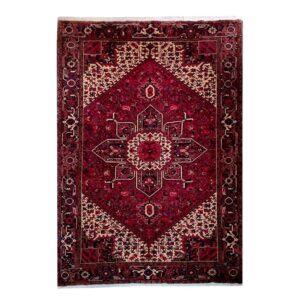
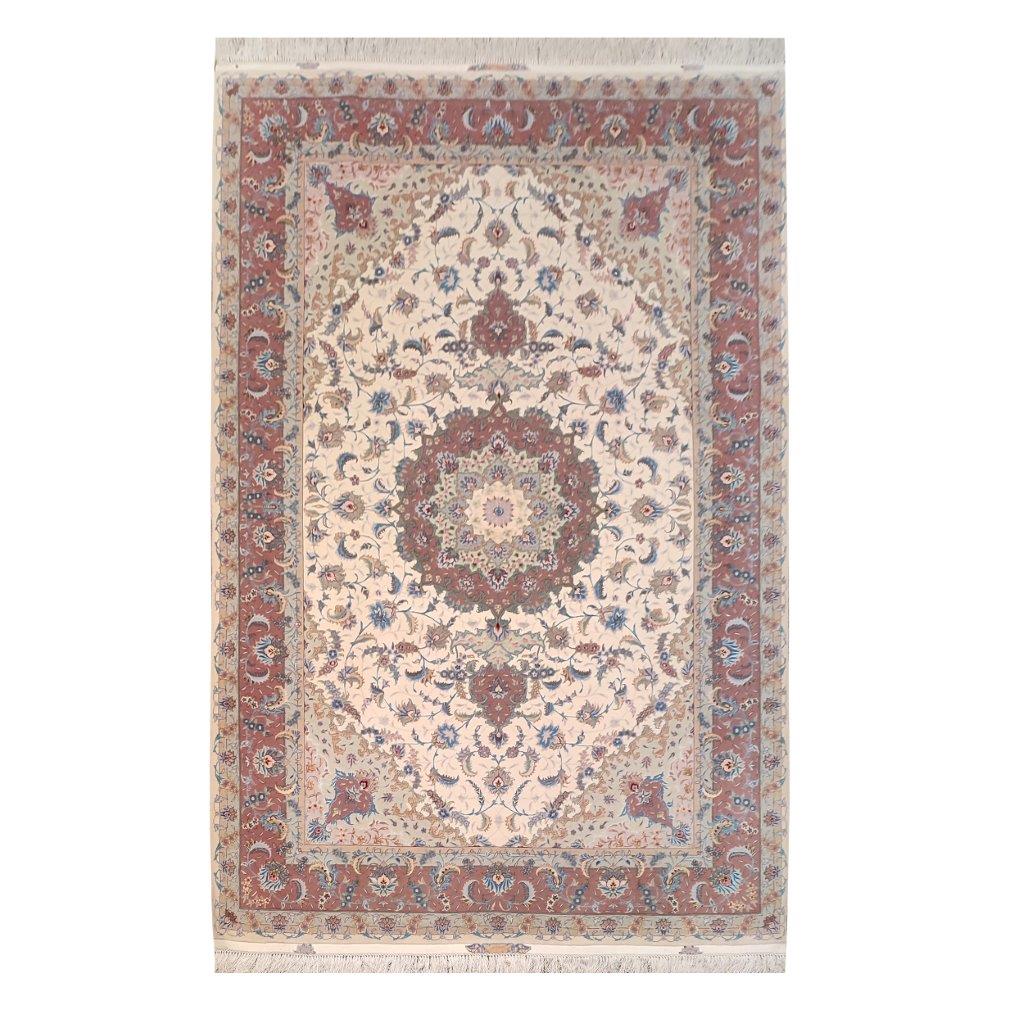
Whether the preference is for a Nahavand carpet filled with stylized natural motifs, a detailed Tabriz composition, a finely woven Qom silk carpet, a floral Kerman design, or a bold Heriz, Persian weaving offers a remarkably broad artistic vocabulary.
For those who value handmade traditions, careful observation, and objects with a story behind them, Persian carpets offer an opportunity to bring a genuine piece of Iranian textile art into a Japanese home or collection.
Frequently Asked Questions About Persian Carpets in Japan
Why are Persian carpets attractive to Japanese buyers?
Persian carpets combine craftsmanship, natural materials, artistic composition, and centuries of weaving knowledge. These qualities can appeal strongly to Japanese buyers who appreciate traditional craftsmanship and finely made objects.
Which Persian carpets are particularly interesting for Japanese art lovers?
Nahavand carpets with natural and floral motifs, Tabriz carpets with detailed compositions, Kerman carpets with sophisticated floral designs, Qom silk carpets with extremely fine detail, and pictorial or hunting carpets can be especially interesting.
Why is Nahavand an interesting Persian carpet for Japanese buyers?
Nahavand carpets often combine geometric structure with leaves, flowers, branches, medallions, and other nature-inspired motifs. Their rich reds and deep blues and their expressive interpretation of natural forms give them a distinctive artistic character.
Are Persian hunting carpets considered works of art?
Some Persian hunting carpets are highly artistic and historically significant. Their compositions can include horsemen, animals, trees, flowers, and narrative scenes, and their imagery has important connections with Persian miniature painting.
Can a Persian carpet work in a modern Japanese home?
Yes. The key is choosing the appropriate scale, color, and visual density. A restrained carpet can complement a quiet interior, while a highly detailed piece can be used as the main artistic focal point.
Can I buy a Persian carpet directly from Iran in Japan?
Yes. Persian carpets can be purchased directly from Iran and shipped internationally. Before ordering, confirm the carpet’s dimensions, materials, origin, condition, shipping arrangements, import requirements, and complete delivered cost.
How can I check whether a Persian carpet is genuinely handmade?
Look at the reverse side for the knot structure and construction, and ask about materials, weaving region, finishing, and condition. Detailed photographs of the actual carpet are particularly important when buying online.
Should I choose a Persian carpet as decoration or as an art piece?
It can be either. Many handmade Persian carpets are designed to function as floor coverings, while particularly fine, rare, pictorial, or highly detailed examples may also be appreciated as collectible textile artworks.