Buying Persian Carpet in Oman: Luxury Carpets in Oman
Oman’s deep cultural ties with Iran and long-standing trading history across the Gulf make it a natural market for authentic Persian carpets. From Muscat’s traditional souks to modern home décor showrooms, Persian rugs are valued both for their artistic beauty and lasting quality.
Where to Buy Persian Carpets in Oman | Luxury Carpets in Oman
1. Muttrah Souq and Traditional Markets
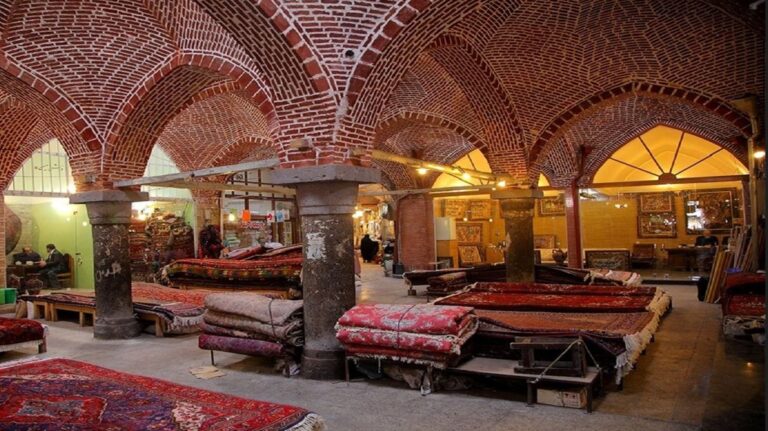
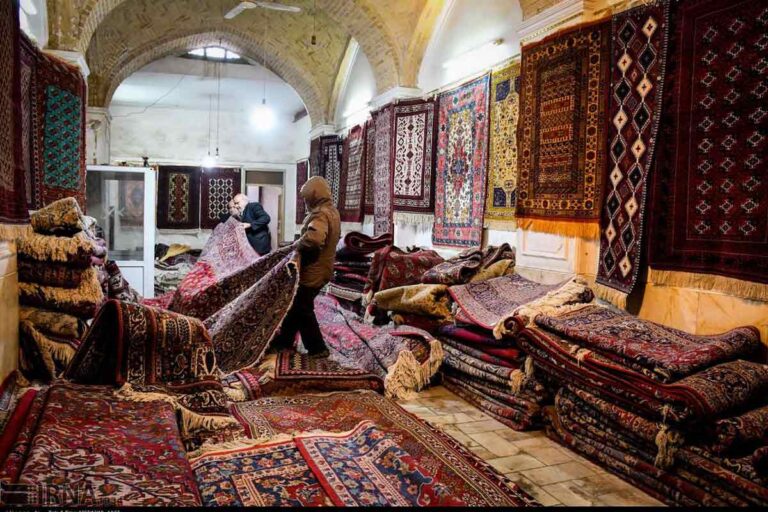
Located in the heart of Muscat, Muttrah Souq is one of the oldest marketplaces in the Gulf and features several shops selling hand-knotted Persian carpets, often imported directly from Iran.
2. Carpet and Home Décor Showrooms
High-end stores in areas like Qurum, Al Khuwair, and Al Ghubrah offer premium Persian rugs—particularly Qom silk, Isfahan, and Tabriz designs. These shops may also provide delivery, installation, and certificates of authenticity.
3. Iranian Traders and Community Stores
Oman hosts a small but active Iranian community, and some Iranian-owned businesses specialize in authentic rug sales. These stores are often knowledgeable and may offer better value for serious buyers.
4. Online Shopping and Social Media Sellers
Instagram, WhatsApp catalogs, and Omani e-commerce platforms increasingly feature Persian rugs. Always request detailed photos, origin confirmation, and proof of hand-knotting.
5. Exhibitions and Cultural Events
Occasional Iranian cultural exhibitions and Muscat-based trade fairs include direct rug vendors. These events are excellent for discovering rare or handmade carpets.
Popular Persian Rugs in Oman
- Qom Silk: Admired for gifting and display in majlis settings.
- Isfahan & Tabriz: Favored for formal living rooms and family reception areas.
- Gabbeh & Baluch: Chosen for casual elegance and modern interiors.
- Heriz & Bidjar: Selected for durability and large homes.

Price Estimates in Oman (OMR)
- Gabbeh / Tribal Rugs: OMR 150 – 600
- City Rugs (Isfahan, Kashan, Tabriz): OMR 500 – 2,500
- Qom Silk Rugs: OMR 1,500 – 6,000+
- Antique / Collector Rugs: OMR 4,000 – 20,000+
Tips for Omani Buyers
- Look for “handmade” or “hand-knotted” labels.
- Request a certificate of authenticity (شهادة الأصالة).
- Compare prices between local dealers and regional traders.
- Check for knot density and material content (pure silk or wool).
Oman has cultivated a reputation for preserving its cultural identity while embracing modern luxury. From the historic neighborhoods of Muscat to the mountain retreats of Jabal Akhdar and the coastal villas overlooking the Gulf of Oman, Omani interiors often reflect a thoughtful balance between tradition, craftsmanship, and understated elegance.
This appreciation for authenticity makes Persian carpets particularly well suited to Oman. Unlike trend-driven furnishings, a handmade Persian carpet brings heritage, artistry, and permanence to a space. Its craftsmanship aligns naturally with Oman’s respect for traditional skills, quality materials, and objects designed to last.
For many homeowners in Oman, a Persian carpet is not merely an accessory. It becomes a defining feature of the interior, chosen with care and expected to remain part of the home for decades.
Why Persian Carpets Appeal to Omani Buyers
A Preference for Authentic Craftsmanship
Omani culture has long valued handmade objects, from silverwork and wood carving to traditional textiles and architectural details.
Persian carpets share this same commitment to craftsmanship.
Their appeal is rooted in:
Hand-knotting techniques / natural materials / artistic individuality / durability / cultural heritage.
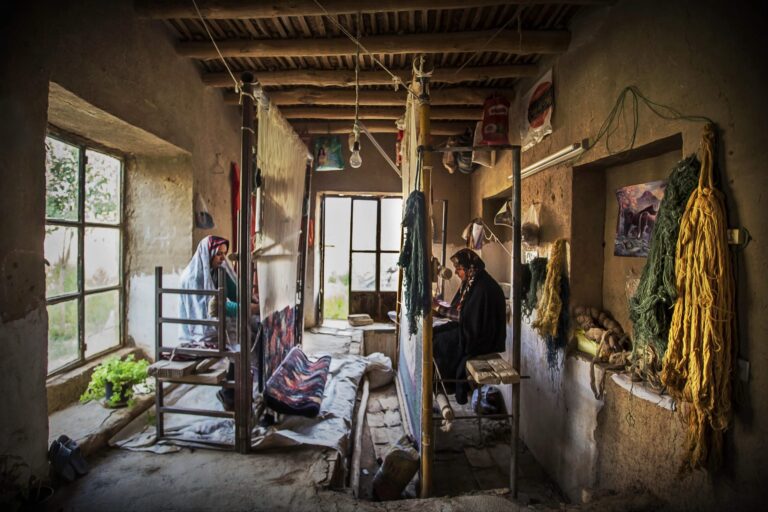
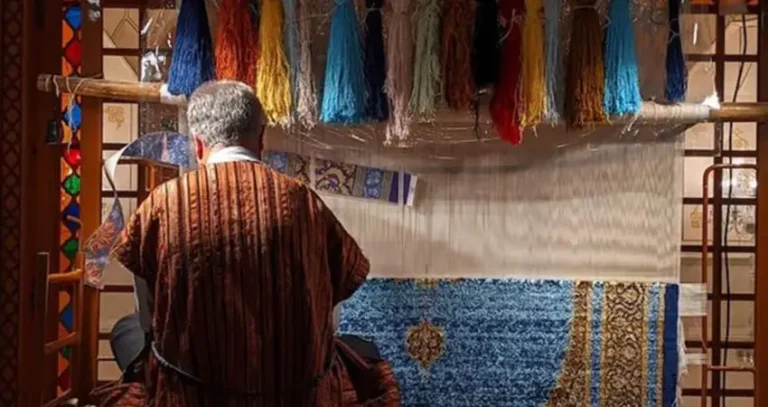
Each carpet represents months or even years of skilled work, creating a piece that cannot be replicated by machine production.
Timeless Rather Than Trend-Driven
Many luxury furnishings are replaced as styles change. A quality Persian carpet often remains relevant regardless of changing trends.
Its value lies not in fashion but in craftsmanship, making it one of the few interior elements that can move seamlessly between generations.
Persian Carpets in Modern Omani Homes
Contemporary homes throughout Muscat frequently feature:
Natural stone / marble flooring / warm earth tones / large windows / elegant architectural simplicity.
Persian carpets complement these interiors by introducing texture, depth, and visual warmth.
Many interior designers use Persian rugs to soften modern spaces while creating a stronger connection between traditional and contemporary design elements.
Expert Tip
In modern Omani residences, Isfahan and Nain carpets often work particularly well because their refined patterns and balanced color palettes complement contemporary architecture without overwhelming the space.
Persian Carpets for Majlis and Family Gathering Spaces
Hospitality plays an important role in Omani life.
Reception areas and family gathering rooms are often designed to feel comfortable, welcoming, and refined.
Persian carpets help define these spaces while adding character and elegance.
Particularly suitable options include:
Large Tabriz carpets / classic Kashan designs / elegant Isfahan rugs / fine Kerman carpets.
These carpets provide a strong visual foundation while supporting the atmosphere of hospitality that remains central to Omani culture.
Persian Carpets for Mountain and Coastal Properties
Oman’s geography creates distinctive interior styles that differ from many neighboring Gulf countries.
Mountain homes in Jabal Akhdar often incorporate natural stone, wood, and traditional influences.
Coastal villas frequently emphasize light, openness, and natural views.
For mountain properties, buyers often select:
Heriz carpets / Bakhtiari rugs / tribal Qashqai pieces.
For coastal residences, lighter Nain and Isfahan carpets frequently complement the surrounding environment while maintaining an elegant appearance.
How to Identify an Authentic Persian Carpet
Look Beyond the Pattern
Many carpets imitate Persian designs while lacking genuine Persian craftsmanship.
Authentic Persian carpets should demonstrate:
Hand-knotted construction / visible knots on the reverse side / natural fibers / regional design characteristics / careful finishing.
Examine the Materials
Traditional Persian carpets are woven using:
Wool / silk / cotton.
Natural fibers provide superior durability, aging characteristics, and visual richness.
Understand Regional Characteristics
Each Persian weaving center has developed a distinctive identity.
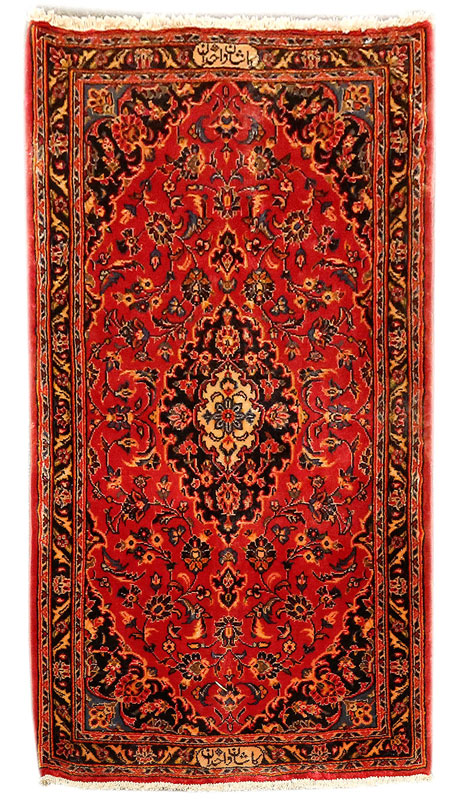
Tabriz is known for precision and detail / Isfahan for refinement and elegance / Kashan for classical medallions / Qom for silk artistry / Heriz for bold geometric strength.
Understanding these differences helps buyers select carpets that suit both their interior and personal taste.
Common Mistakes Omani Buyers Make
Purchasing based solely on appearance / focusing only on knot count / choosing a carpet that is too small for the room / overlooking provenance / selecting a carpet without considering the architecture of the property.
One of the most common mistakes is viewing a Persian carpet as an accessory rather than as one of the central design elements within a room.
The finest interiors are often built around the carpet itself.
Persian Carpets as Long-Term Family Possessions
Omani families often place great value on preserving meaningful possessions.
A quality Persian carpet naturally aligns with this tradition.
Its long-term value is influenced by:
Craftsmanship / materials / rarity / provenance / condition / design quality / age.
Particularly sought-after categories include:
Fine Isfahan rugs / silk Qom carpets / antique Tabriz pieces / exceptional tribal weavings.
Because traditional weaving is becoming increasingly rare, exceptional carpets often become more difficult to replace over time.