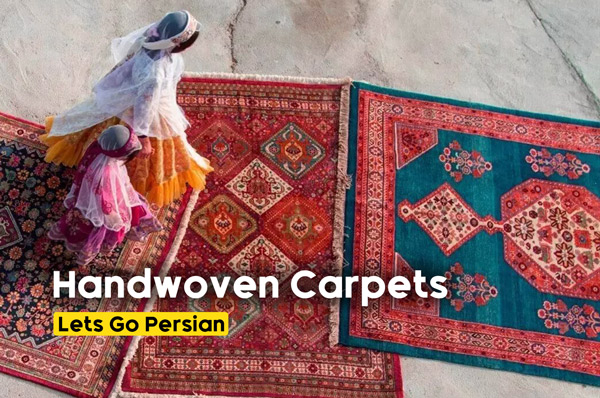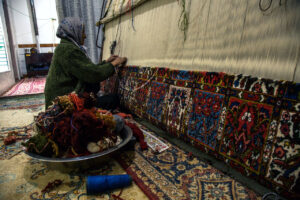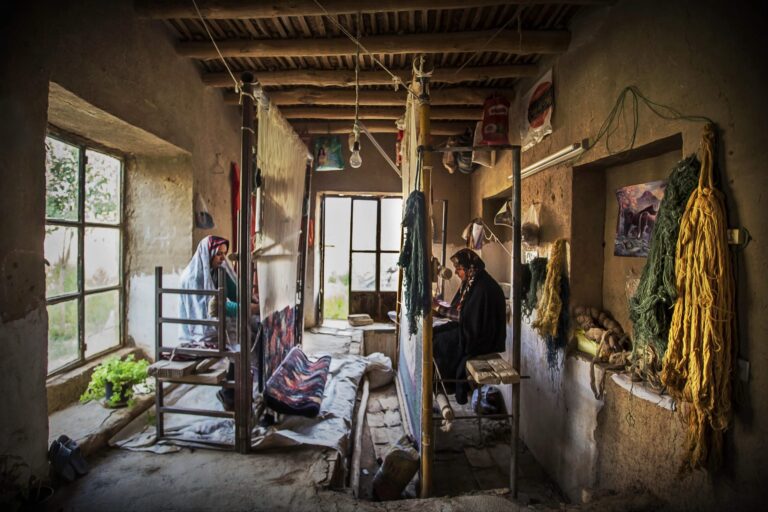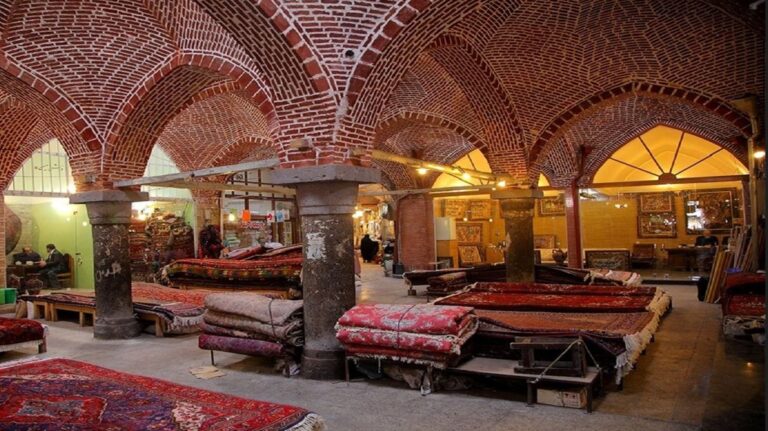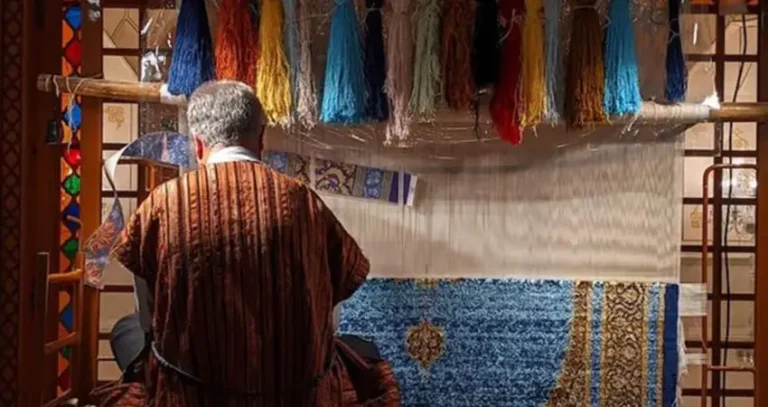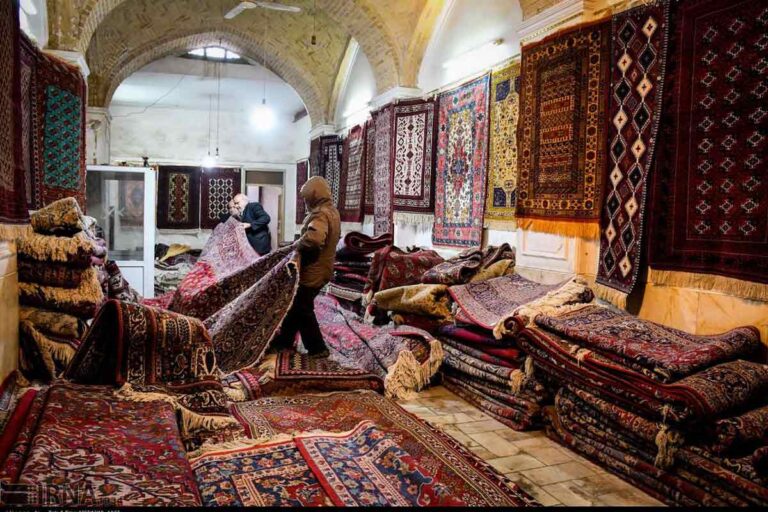



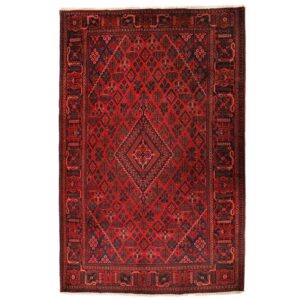

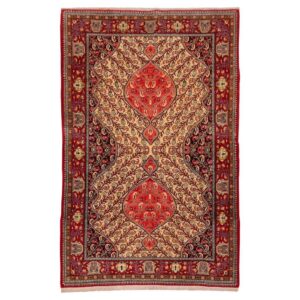
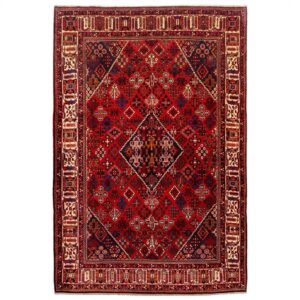
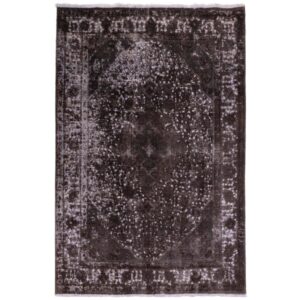
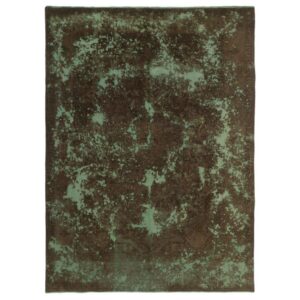
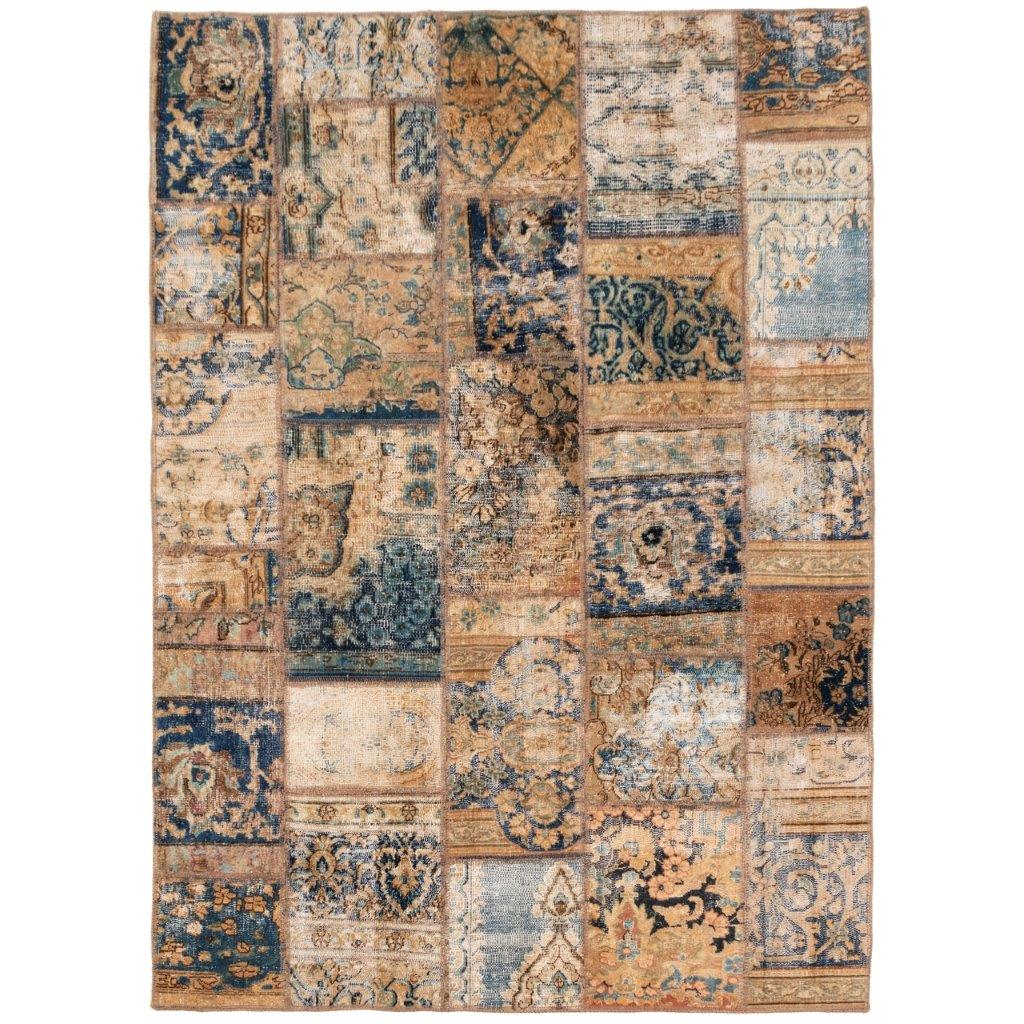
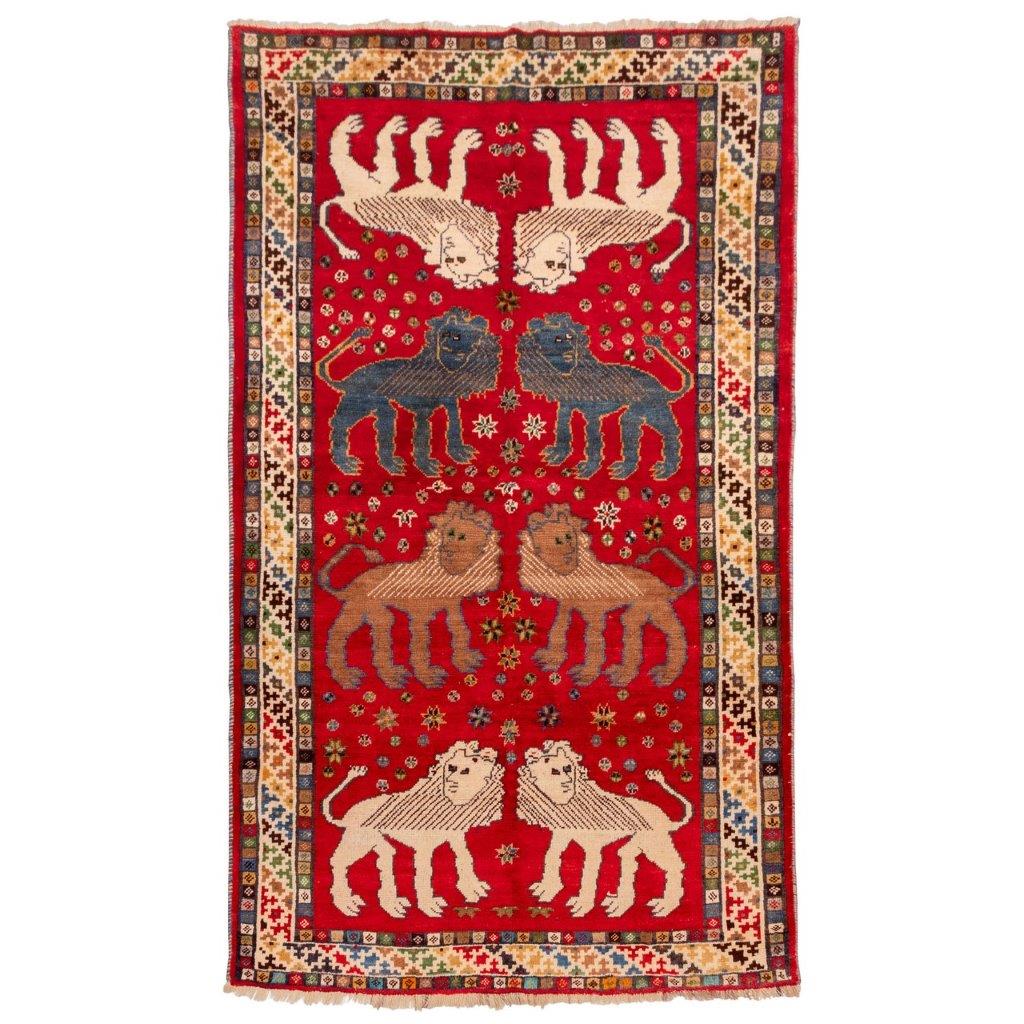
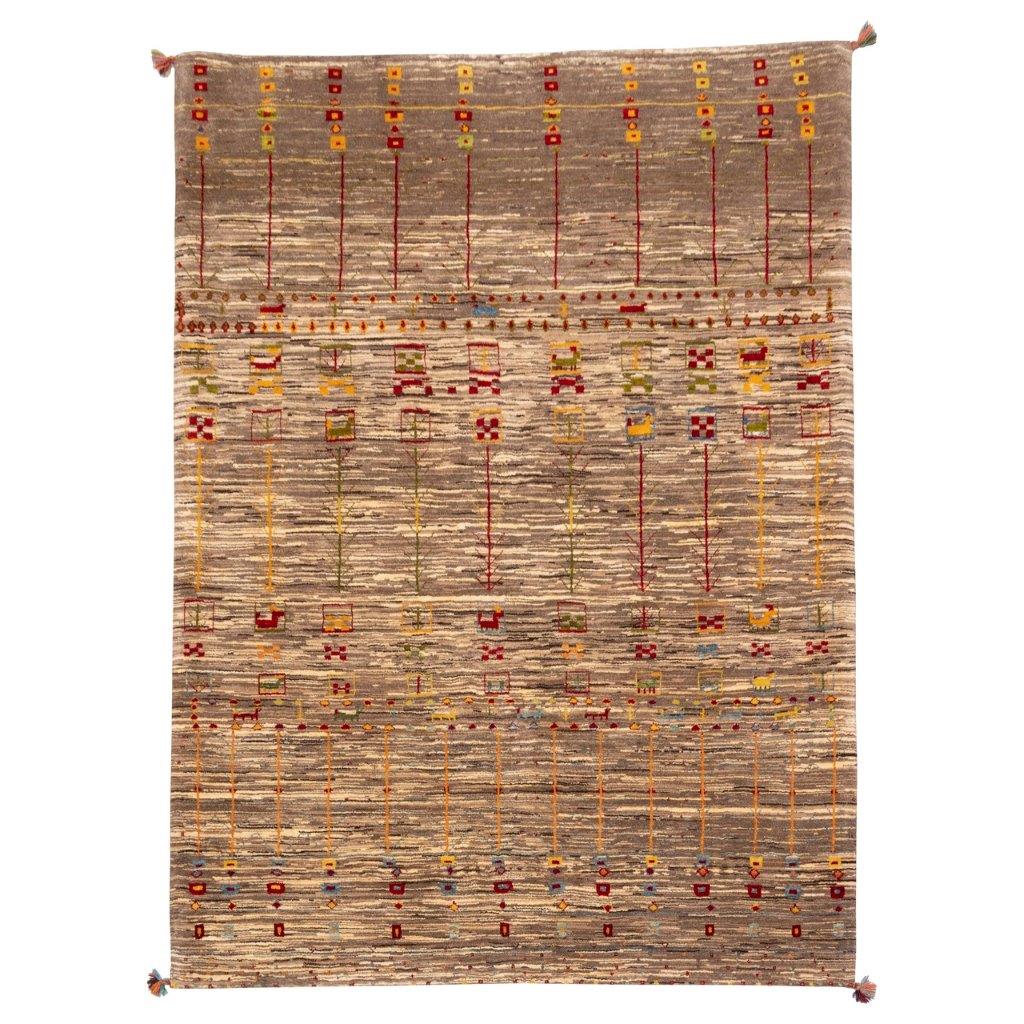
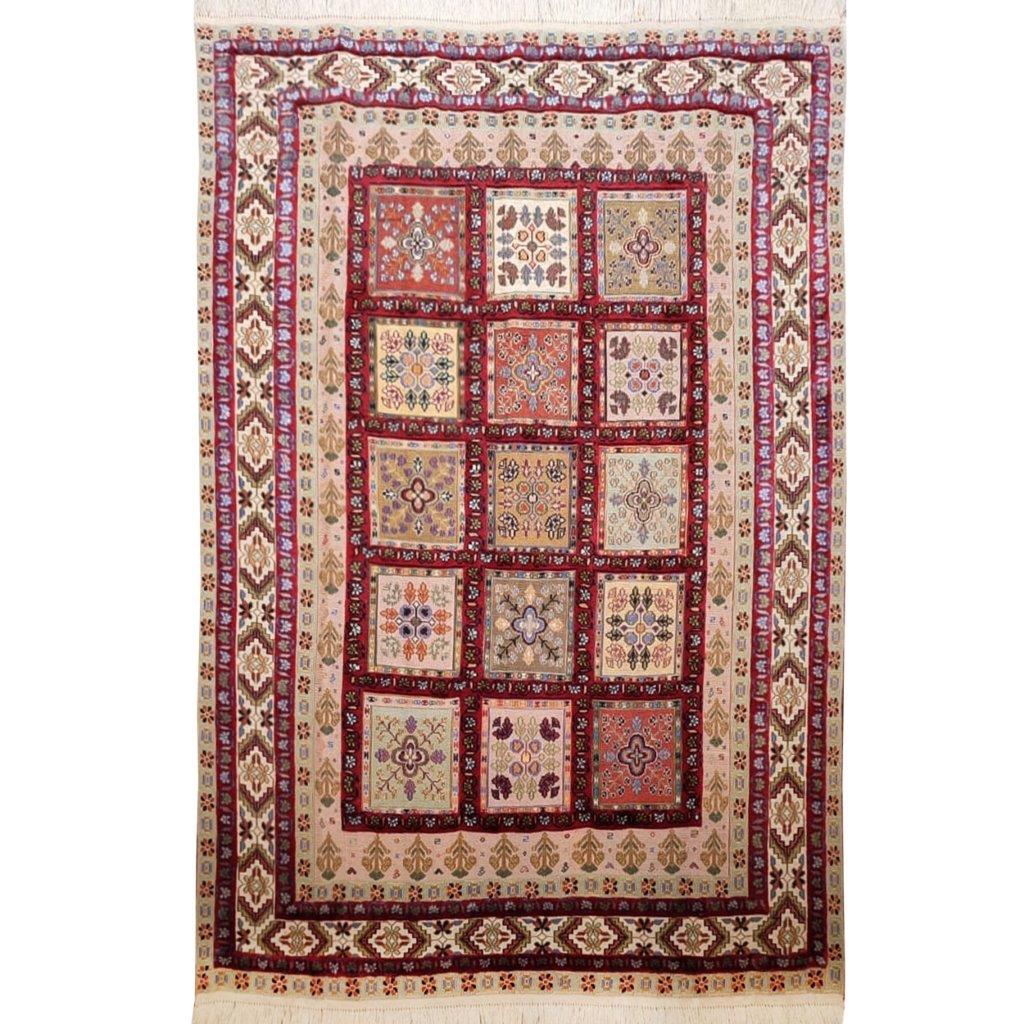


Persian carpets are increasingly appreciated in China by homeowners, interior designers, collectors, and buyers of high-end decorative arts. Their appeal goes beyond decoration: each handmade carpet combines craftsmanship, regional identity, natural materials, and a tradition that has developed over centuries.
For Chinese buyers, the right Persian carpet depends on the interior style, room size, preferred material, and whether the carpet is intended for everyday use, a luxury interior, gifting, or collecting.

Why Persian Carpets Appeal to Chinese Buyers
Chinese appreciation for craftsmanship, artistic heritage, natural materials, and objects with lasting cultural value makes Persian carpets a natural fit for the luxury home and collecting market.
A handmade Persian carpet is also different from a mass-produced decorative rug. Its value comes from the work of the weaver, the quality of the materials, the regional tradition, and the individuality of the finished piece.
For buyers who value meaningful luxury, a Persian carpet can combine practical use with artistic and cultural significance.
Which Persian Carpets Are Popular in China?
Different Persian weaving regions offer very different designs and levels of formality. Among the most suitable choices for Chinese buyers are fine silk carpets, refined city rugs, and simpler handmade carpets for contemporary interiors.
- Qom Silk: Fine detail, luxury, and collector appeal.
- Tabriz: Sophisticated patterns and highly versatile designs.
- Isfahan: Refined compositions and elegant craftsmanship.
- Kashan: Classical Persian designs and traditional elegance.
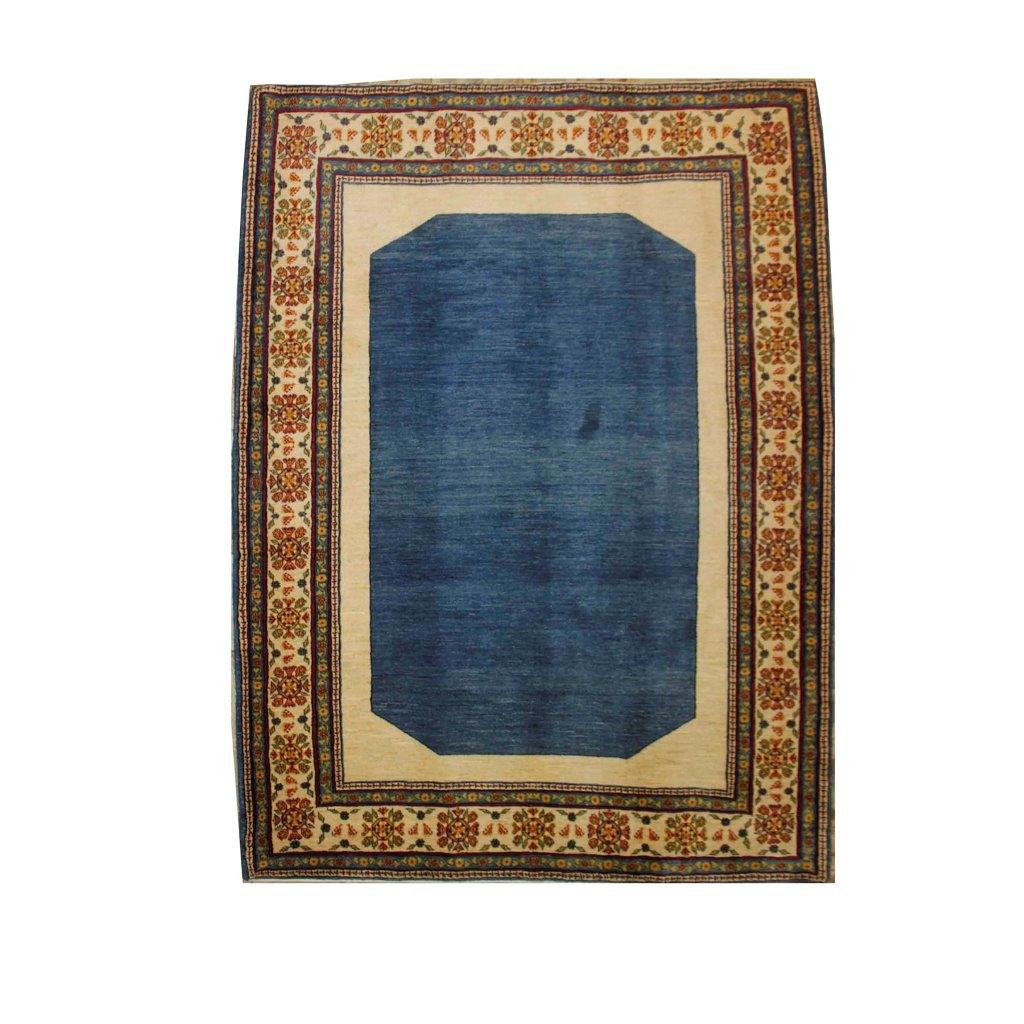
- Gabbeh: Simple geometric designs and a relaxed contemporary character.
Persian Carpets for Luxury Chinese Interiors
Modern homes in Shanghai, Beijing, Shenzhen, Hangzhou, and Guangzhou often combine contemporary architecture with premium materials, designer furniture, and carefully selected decorative objects.
A Persian carpet can soften these interiors and introduce warmth, texture, craftsmanship, and individuality. Rather than making a modern room look traditionally decorated, the right Persian carpet can create contrast between contemporary furniture and handmade heritage.
For refined interiors, Tabriz and Isfahan are particularly versatile choices, while Qom silk carpets can serve as more luxurious statement pieces.
Persian Carpets in Shanghai
Shanghai’s luxury residences often feature contemporary architecture, polished materials, designer furniture, and carefully curated artwork. Persian carpets can provide visual warmth and become a central decorative element without overpowering the room.
Isfahan and Tabriz carpets are especially suitable when the goal is to combine detailed Persian craftsmanship with a sophisticated modern interior.
Persian Carpets in Beijing
Beijing homes can combine modern luxury with traditional cultural influences and formal entertaining spaces. Persian carpets can work particularly well in reception rooms, private lounges, formal living areas, and executive offices.
Large Tabriz carpets, elegant Isfahan designs, classical Kashan carpets, and refined Kerman pieces can complement spacious interiors and traditional furnishings.
Popular Persian Carpet Styles for Chinese Buyers
Qom Silk Rugs
Qom silk carpets are among the finest choices for buyers interested in intricate craftsmanship and luxury. Their fine weaving and detailed designs make them particularly suitable for formal interiors, statement displays, gifting, and private collections.
 Qom Silk Rugs
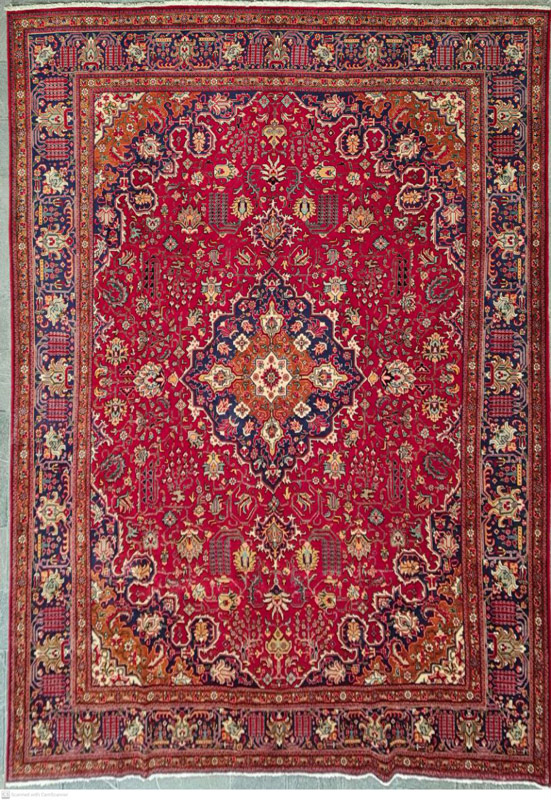
Tabriz Rugs
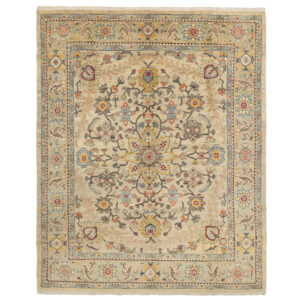
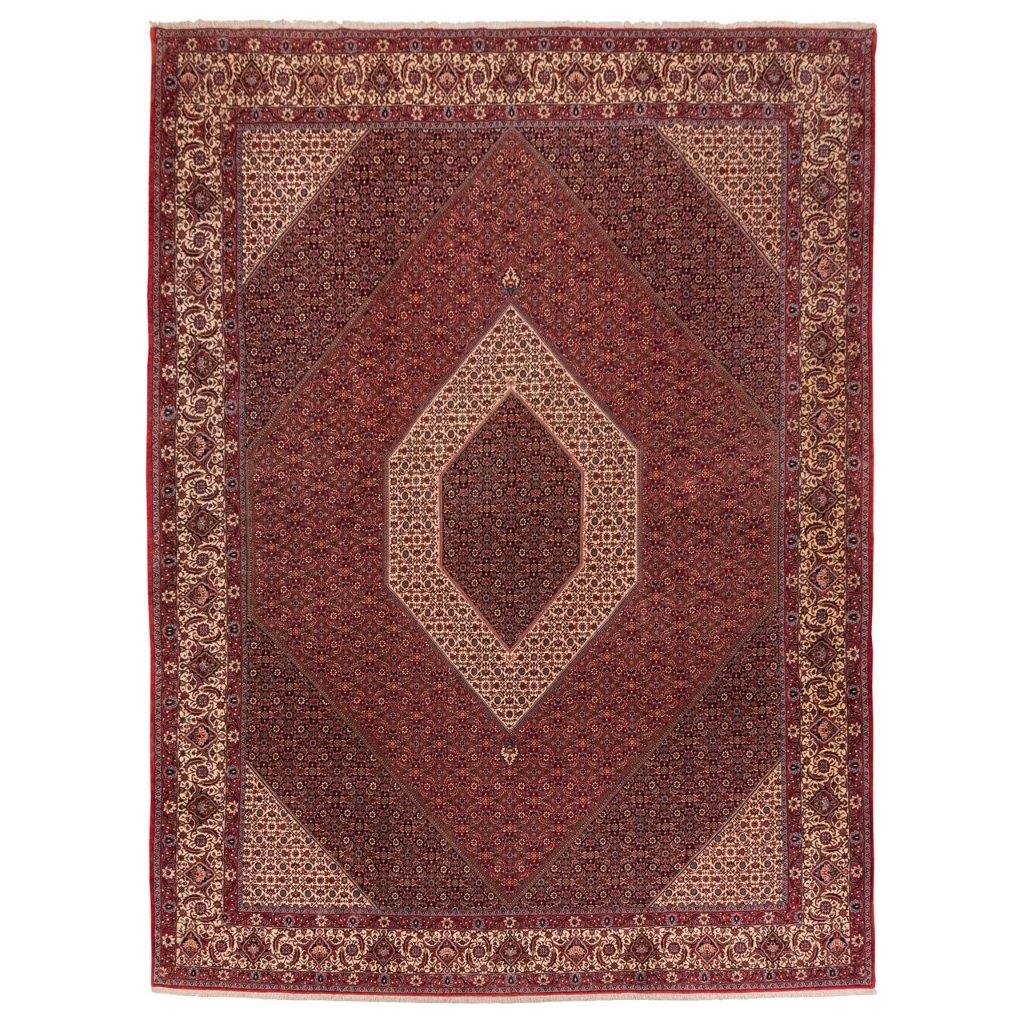
Tabriz carpets are recognized for detailed designs, refined craftsmanship, floral compositions, and medallions. Their variety makes them suitable for both contemporary luxury apartments and more traditional interiors.
They are a particularly useful choice when you want a Persian carpet with a sophisticated appearance that can adapt to different furniture styles.
 Tabriz Rugs
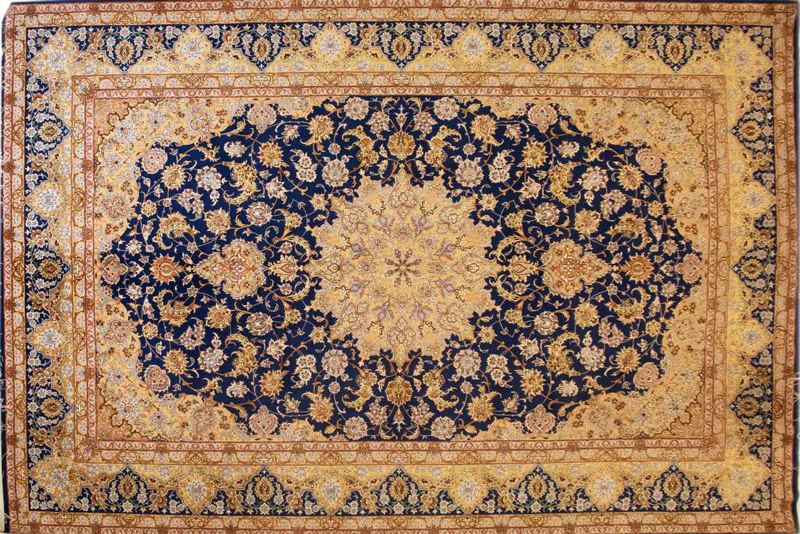
Isfahan Rugs
Isfahan carpets are known for elegant compositions, fine details, sophisticated colors, and careful execution. They are well suited to interiors where the carpet is intended to add refinement rather than dominate the room.
 Isfahan Carpet
Kashan Rugs
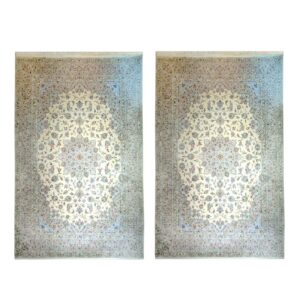
Kashan carpets are associated with classical Persian floral designs and traditional medallions. Their formal character makes them suitable for reception rooms, dining rooms, libraries, and interiors with classical or luxurious furnishings.
 Kashan Rugs
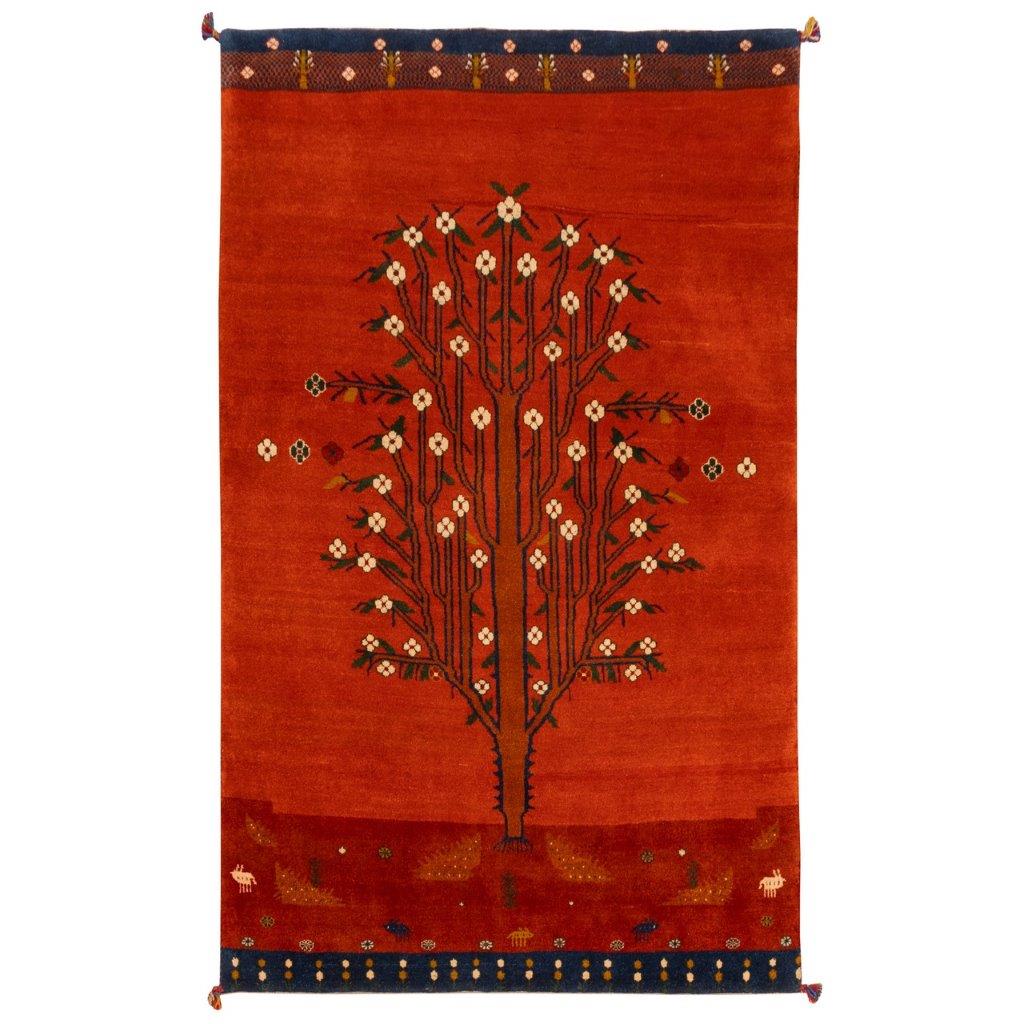
Gabbeh Rugs
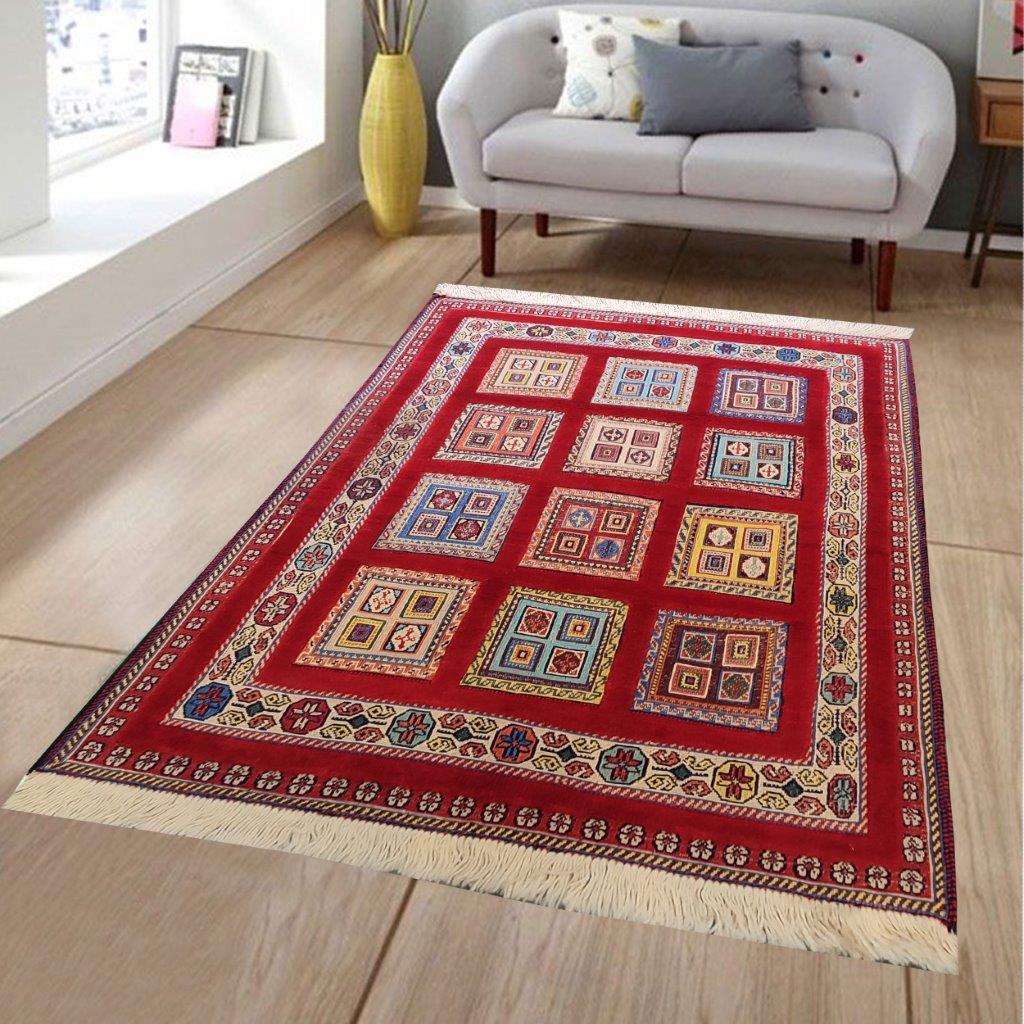
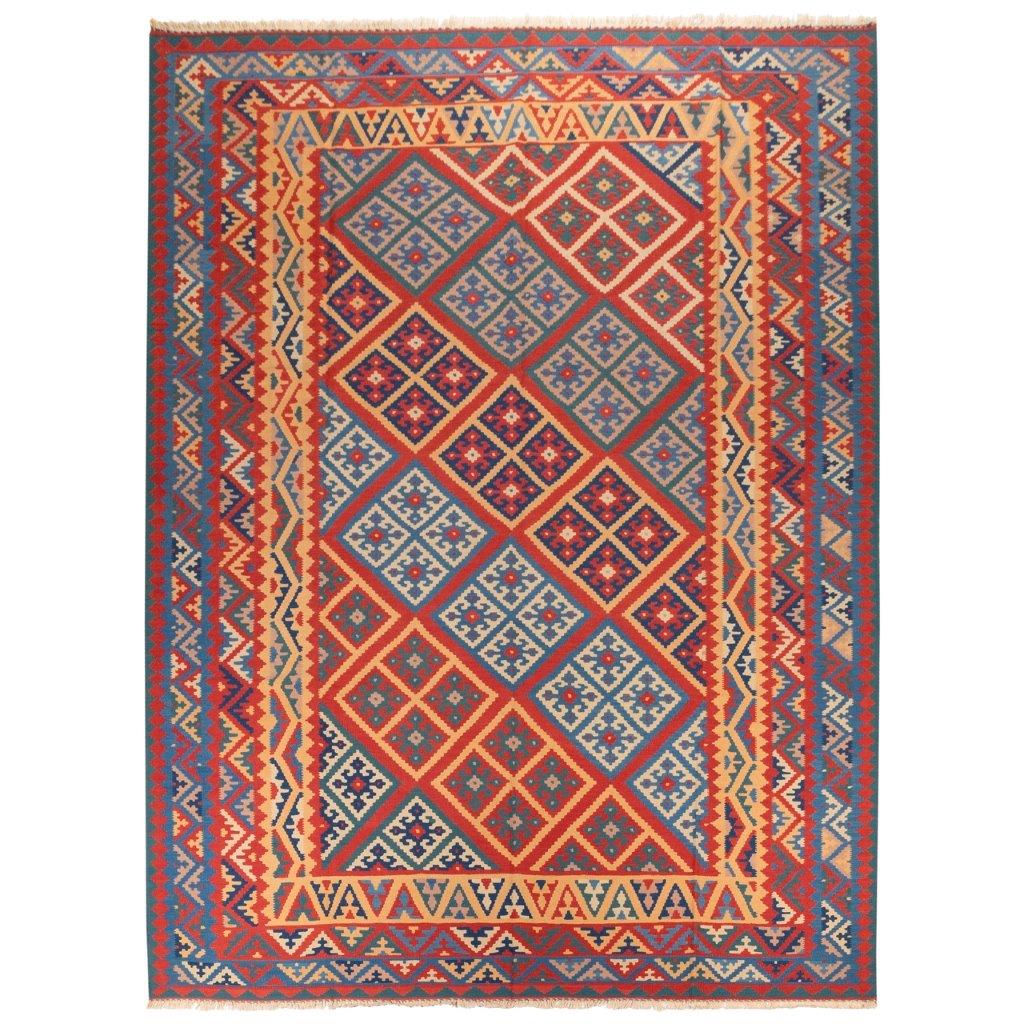
Gabbeh carpets offer a simpler alternative to highly detailed Persian city rugs. Their thicker wool pile, geometric patterns, and natural appearance work particularly well with contemporary furniture and relaxed interiors.
 Gabbeh Persian Carpet
Persian Carpet Prices in China
There is no fixed price for a Persian carpet. Size, material, knotting, craftsmanship, origin, design, age, condition, and rarity can all have a significant effect on the final price.
- Gabbeh and tribal rugs: ¥1,500–¥6,000
- Tabriz, Isfahan and Kashan rugs: ¥6,000–¥25,000
- Qom silk rugs: ¥15,000–¥80,000+
- Antique and collector rugs: ¥25,000–¥200,000+
These figures are general reference ranges rather than fixed market prices. An individual carpet can be worth considerably more or less depending on its specific characteristics.
Buying a Persian Carpet Directly from Iran
Buying directly from Iran gives Chinese customers access to a much wider selection of authentic handmade Persian carpets, including pieces from different weaving regions, sizes, materials, colors, and designs.
We make this process easier for you. You can browse our available carpets, compare different styles and sizes, and choose the piece that suits your home, interior, and budget. Before purchase, we can provide detailed information about the carpet, including its dimensions, materials, weaving region, construction, condition, and photographs of the actual piece.
We also help coordinate the international delivery process and provide the information needed to understand the shipping arrangements and total cost before you make your decision.
How to Identify an Authentic Persian Carpet
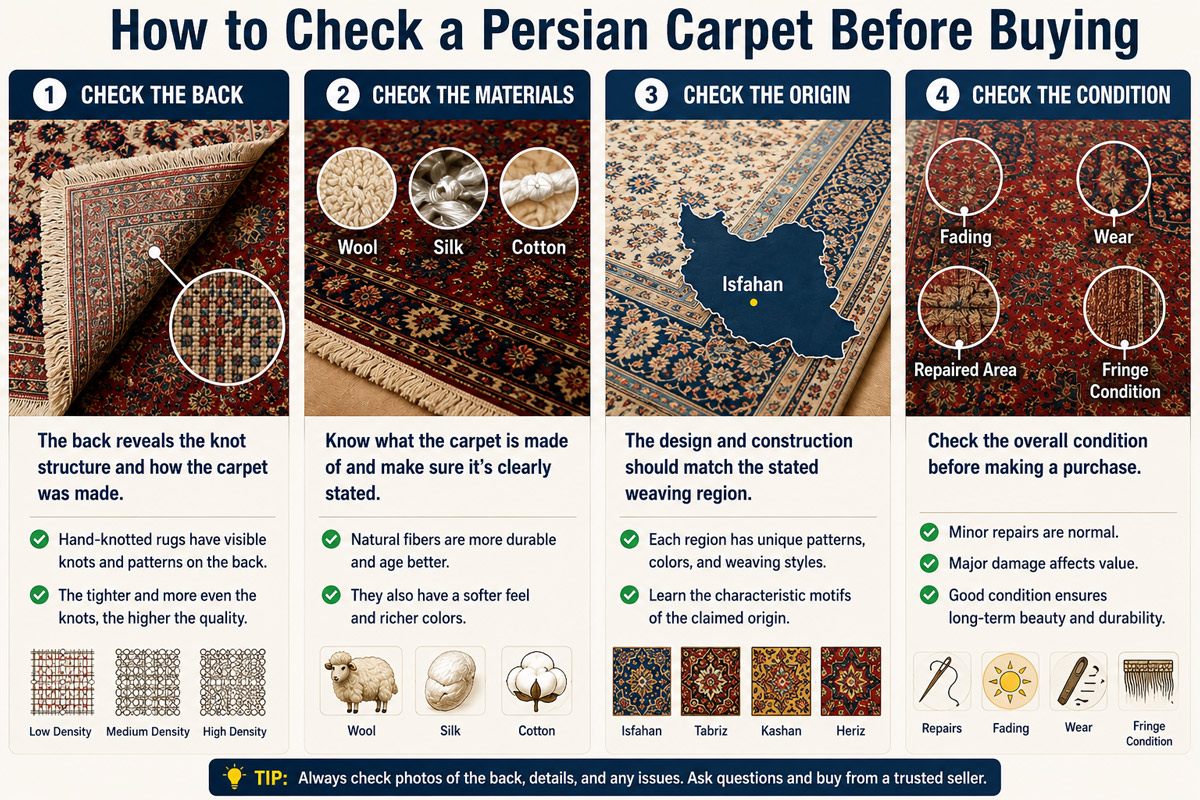
Check the Back of the Carpet
The reverse side can reveal the knot structure and provide useful information about the carpet’s construction and weaving. This is especially important when purchasing online.
Check the Materials
Ask whether the carpet is woven from wool, silk, cotton, or a combination of materials. Material information should be clearly stated rather than described only as “high quality.”
Check the Place of Weaving
Persian weaving regions have distinctive approaches to color, design, construction, and craftsmanship. Understanding the stated origin helps you evaluate whether the carpet matches its description.
Check the Condition
For older carpets, ask about repairs, restoration, fading, wear, and previous alterations. A restored carpet can still be an excellent piece, but its condition should be clearly disclosed.
Request Detailed Photographs
For an online purchase, request photographs of the complete front and back as well as close-up images of the pile, weave, edges, colors, and any areas of wear or repair.
 How to Check a Persian Carpet Before Buying
Persian Carpets and Chinese Collectors
Persian carpets can appeal to collectors who value rare handmade objects, artistic craftsmanship, cultural heritage, and historical significance.
The most desirable pieces are not necessarily the ones with the highest knot count. Overall artistic quality, rarity, provenance, materials, condition, age, design, and craftsmanship all contribute to a carpet’s importance and value.
Fine Qom silk carpets, exceptional Isfahan and Tabriz pieces, antique Heriz carpets, and rare tribal weavings can be particularly interesting to collectors.
Common Mistakes When Buying a Persian Carpet
- Choosing a carpet only because the design looks expensive.
- Focusing only on knot density.
- Assuming every silk carpet is investment-grade.
- Failing to check the reverse side.
- Ignoring the place of weaving and materials.
- Buying a carpet that is too small for the room.
- Failing to ask about repairs and restoration.
A good Persian carpet should be evaluated as a complete object: its construction, materials, design, regional identity, condition, proportions, and suitability for the intended space all matter.
Choosing the Right Persian Carpet for Your Home
- Modern apartments: Gabbeh, Tabriz, and Isfahan can work well with contemporary furniture.
- Luxury interiors: Qom silk, Isfahan, and fine Tabriz carpets can provide a refined focal point.
- Classical interiors: Kashan, Isfahan, Tabriz, and Kerman can complement traditional furnishings.
- Large rooms: Larger Tabriz, Mashhad, Heriz, or other substantial Persian carpets can provide stronger visual balance.
- Collectors: Fine silk, antique, rare, and exceptionally crafted carpets deserve closer evaluation based on provenance, condition, and artistic quality.
Frequently Asked Questions About Persian Carpets in China
Can I buy a Persian carpet directly from Iran and have it delivered to China?
Yes. Persian carpets can be purchased directly from Iran and delivered to customers in China. Direct purchasing can provide access to a wider selection of handmade carpets and regional styles. Shipping arrangements, customs requirements, taxes, duties, and the final delivered cost should be confirmed before ordering.
Which Persian carpets are popular among Chinese buyers?
Qom silk, Tabriz, Isfahan, Kashan, and Gabbeh are among the most suitable choices for different preferences. Fine silk carpets appeal to luxury buyers and collectors, while Tabriz and Isfahan offer refined designs and Gabbeh provides a simpler contemporary option.
How much does a Persian carpet cost in China?
Prices vary considerably depending on size, material, craftsmanship, origin, design, age, condition, and rarity. Handmade tribal carpets can be more accessible, while fine silk, large city carpets, and antique pieces can command substantially higher prices.
Are Persian silk carpets popular in China?
Fine silk Persian carpets can be particularly attractive to buyers who value detailed craftsmanship, luxury, decorative quality, and collecting. Qom silk carpets are especially associated with intricate designs and fine weaving.
Which Persian carpet is suitable for a modern Chinese home?
The best choice depends on the interior. Gabbeh can suit minimalist and contemporary spaces, while Tabriz and Isfahan can add refined detail to modern luxury interiors. Kashan can be a better fit for more classical or formal rooms.
How can I tell if a Persian carpet is genuinely handmade?
Examine the reverse side to look at the knot structure and weaving. You should also check the stated materials, place of weaving, construction, finishing, and condition. When buying online, request detailed photographs of both sides.
What should I check before buying a Persian carpet online in China?
Ask for the exact dimensions, materials, place of weaving, construction details, condition, photographs of the front and back, and the complete delivered cost. For valuable carpets, additional information about provenance and authenticity can also be useful.
Can a Persian carpet be a collectible investment?
Some rare and exceptional Persian carpets can become valuable collector pieces, but appreciation is not guaranteed. Rarity, craftsmanship, provenance, age, condition, artistic quality, materials, and market demand all influence value.
Find Your Persian Carpet from Iran
If you are looking for a Persian carpet in China, tell us the size, style, colors, material, and budget you have in mind. We can help you identify suitable options from our collection.