Buying Persian Carpet in Azerbaijan: Tradition Across Borders
Azerbaijan shares deep cultural, linguistic, and historical ties with Iran, making Persian carpets both familiar and highly valued in the local market. While Azerbaijani carpets have their own celebrated legacy, Persian rugs are seen as complementary—known for their intricate design, silk work, and symbolic artistry.
Where to Buy Persian Carpets in Azerbaijan
1. Carpet Shops in Baku
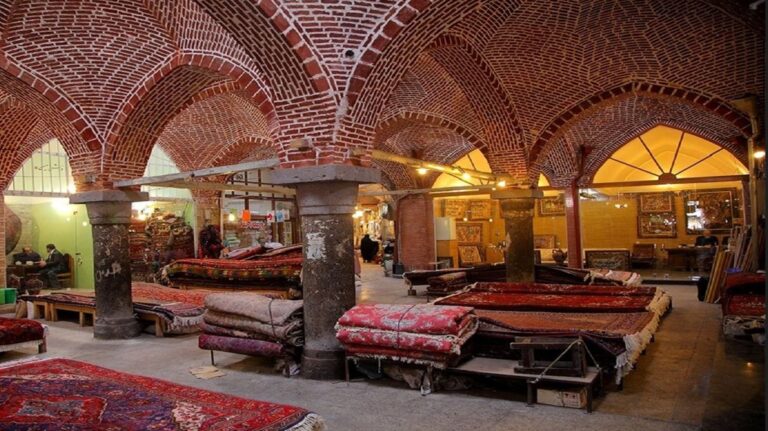
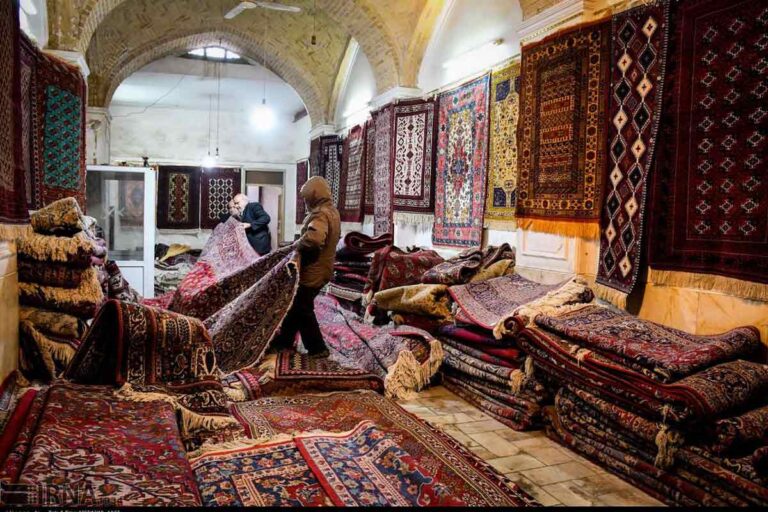
Baku’s Icherisheher (Old City) and central shopping streets host shops offering both Azerbaijani and Persian carpets. Dealers often source directly from Iran, especially from nearby Tabriz.
2. Tabriz Imports and Border Trade
Proximity to the Iranian city of Tabriz means that many Azerbaijani shops import Persian carpets directly. These often include regional specialties like Tabriz, Heriz, and Ardabil designs.
3. Online Stores and Social Media Sellers
Facebook, Instagram, and local websites often host sellers who import rugs from Iran. Look for “İran xalçası” (Iranian carpet) and confirm handwoven authenticity.
4. Antique Shops and Carpet Museums
Institutions like the Azerbaijan Carpet Museum and boutique antique stores in Baku may offer limited sales or expert guidance on purchasing high-quality Persian pieces.
5. Iranian Community Connections
Cultural and family ties often facilitate informal trade in Persian carpets between southern Azerbaijan and northern Iran, especially in regions like Nakhchivan and Astara.
Popular Persian Rugs in Azerbaijan
- Tabriz Rugs: Most common due to geographic and cultural proximity.
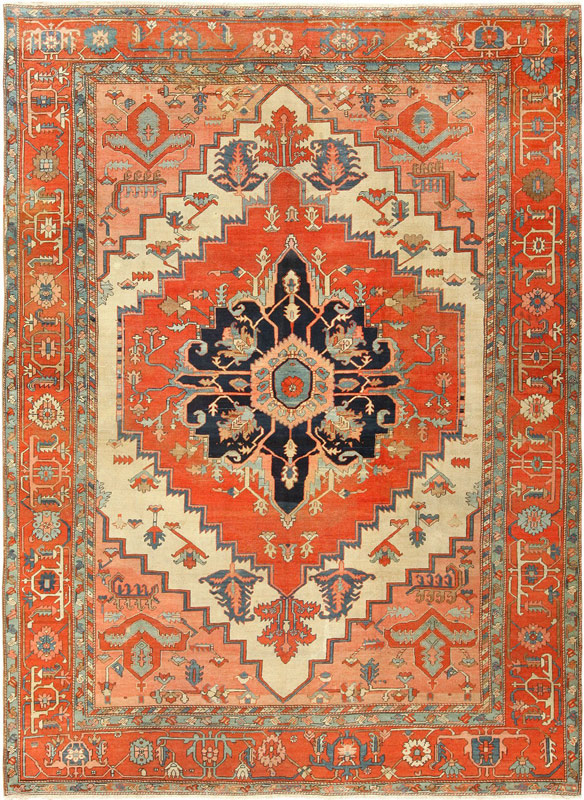
- Heriz & Ardabil: Known for their structure and geometric designs.
- Qom Silk & Isfahan: Valued for luxury settings and gifting.
- Gabbeh: Appealing for modern interiors and younger buyers.
Price Estimates in Azerbaijan (AZN)
- Gabbeh / Tribal Rugs: ₼400 – ₼1,500
- Tabriz / Heriz / Ardabil Rugs: ₼1,000 – ₼4,000
- Qom Silk & Isfahan Rugs: ₼3,000 – ₼10,000+
- Antique or Collector Rugs: ₼7,000 – ₼30,000+
Tips for Buyers in Azerbaijan
- Request a certificate or seller statement confirming the rug is “əl toxunması” (hand-knotted).
- Distinguish Persian carpets from local Azerbaijani rugs by checking knot density and origin tags.
- Confirm if customs or cross-border taxes apply for private imports.
- Compare pricing between Iranian-origin sellers and local galleries.
Azerbaijan has one of the deepest carpet traditions in the world. Carpet weaving is woven into the country’s cultural identity, with generations of artisans producing distinctive regional designs that are recognized far beyond the Caucasus. Because of this heritage, Azerbaijani buyers often possess a greater understanding of carpets than consumers in many other markets.
This familiarity creates a unique appreciation for authentic Persian carpets. Rather than being viewed simply as decorative objects, Persian carpets are often evaluated for their craftsmanship, knotting quality, artistic merit, materials, and regional origins.
From luxury apartments overlooking Baku Boulevard to villas in Mardakan, residences in Nardaran, and restored homes in Sheki, Persian carpets continue to be valued for their beauty, cultural significance, and lasting quality.
Why Persian Carpets Appeal to Azerbaijani Buyers
A Shared Carpet Heritage
Few countries share as much appreciation for carpet artistry as Azerbaijan.
Buyers are often drawn to Persian carpets because of their:
Hand-knotted craftsmanship / historical significance / artistic complexity / natural materials / collectible value.
The long-standing cultural connections between the Caucasus and northwestern Iran have also created a familiarity with many Persian weaving traditions, particularly those of Tabriz and surrounding regions.
Beyond Decoration
For many Azerbaijani homeowners, a Persian carpet is not merely a furnishing.
It is often viewed as:
A cultural object / a family possession / a collector’s piece / an investment in craftsmanship.
This perspective encourages buyers to focus on authenticity and quality rather than short-term design trends.
Persian Carpets in Modern Baku Interiors
Contemporary residences in Baku frequently combine:
Natural stone / marble flooring / luxury furnishings / modern architecture / large entertaining spaces.
Persian carpets introduce warmth, texture, and artistic depth that balance these modern environments.
Many interior designers intentionally use Persian rugs as focal points within otherwise contemporary spaces.
Expert Tip
In luxury Baku apartments, finely woven Tabriz and Isfahan carpets often complement contemporary interiors exceptionally well because of their precision, elegance, and sophisticated color palettes.
Why Tabriz Carpets Are Especially Popular in Azerbaijan
Among all Persian weaving centers, Tabriz often holds particular appeal for Azerbaijani buyers.
This popularity stems from:
Geographic proximity / shared cultural influences / exceptional craftsmanship / highly detailed designs.
Tabriz carpets are known for:
Fine knotting / balanced compositions / medallion designs / hunting scenes / intricate floral patterns.
Many collectors consider the finest Tabriz carpets among the most versatile Persian rugs for both traditional and modern interiors.
Persian Carpets for Traditional Azerbaijani Homes
Traditional Azerbaijani interiors often feature:
Decorative woodwork / handcrafted elements / spacious reception rooms / classical furnishings.
Persian carpets integrate naturally into these environments.
Particularly suitable choices include:
Kashan carpets for formal salons / Isfahan rugs for elegant interiors / Kerman carpets for decorative spaces / Tabriz masterpieces for reception rooms.
These carpets enhance traditional architecture while adding visual richness and sophistication.
How to Identify an Authentic Persian Carpet
Look Beyond Familiarity
Because many Azerbaijani buyers are already familiar with carpet traditions, imitation products are often marketed aggressively.
Authentic Persian carpets should demonstrate:
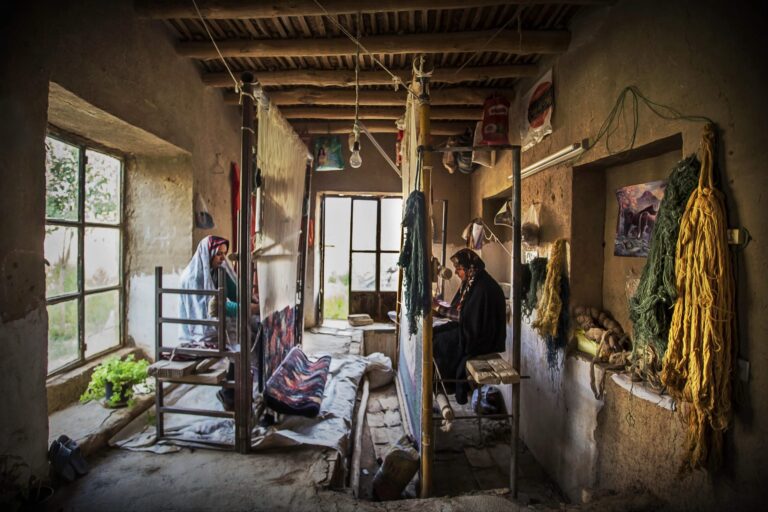
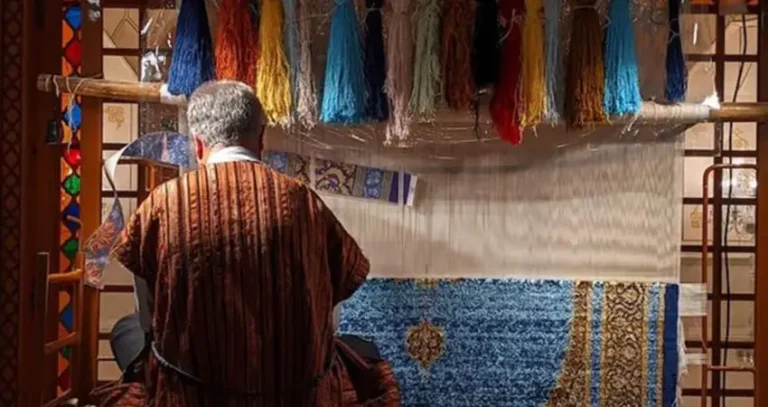
Hand-knotted construction / visible knots on the reverse side / natural materials / regional design characteristics / quality finishing.
Understand the Materials
Traditional Persian carpets are woven using:
Wool / silk / cotton.
High-quality wool should feel resilient and substantial while maintaining softness and flexibility.
Learn Regional Differences
Each weaving center possesses distinct characteristics.
Tabriz emphasizes precision and detail / Isfahan elegance and refinement / Kashan classical medallions / Qom silk artistry / Heriz geometric strength.
Recognizing these differences helps buyers evaluate authenticity and quality more effectively.
Common Mistakes Azerbaijani Buyers Make
Focusing solely on familiarity with design patterns / prioritizing knot count over overall craftsmanship / choosing a carpet that is too small for the room / overlooking provenance / assuming every carpet from northwestern Iran is Tabriz.
Another common mistake is evaluating a carpet only through technical specifications while overlooking artistic balance and design quality.
The finest Persian carpets combine both technical excellence and visual harmony.
Persian Carpets as Collectible Investments
Azerbaijan has a strong culture of preserving valuable handcrafted objects.
Persian carpets fit naturally within this tradition.
Their value is influenced by:
Craftsmanship / materials / rarity / provenance / condition / artistic quality / age.
Particularly desirable categories include:
Fine Tabriz carpets / silk Qom rugs / Isfahan masterpieces / antique Heriz carpets / exceptional tribal weavings.
As master weaving traditions become increasingly rare, outstanding examples continue to attract interest from collectors and enthusiasts.