

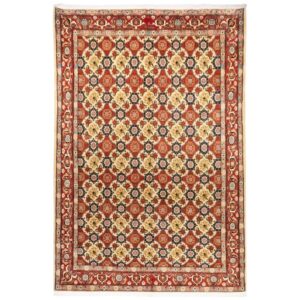
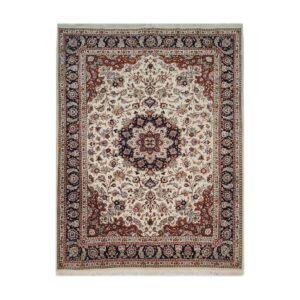
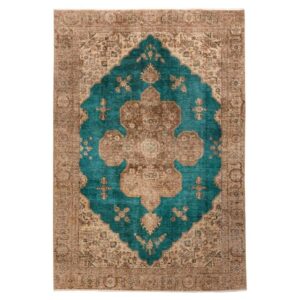
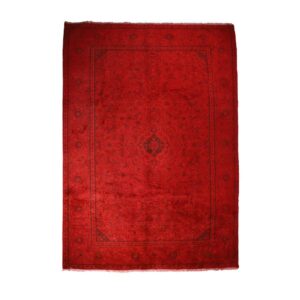
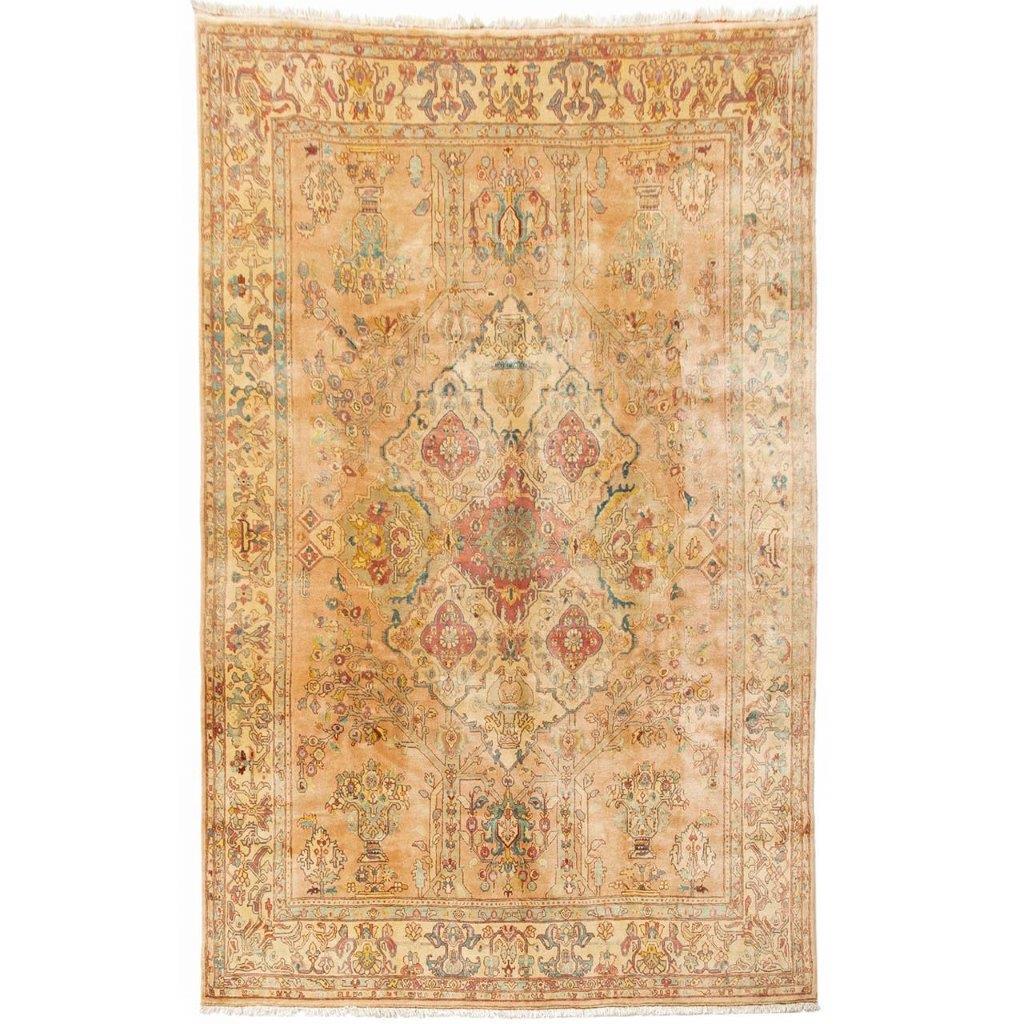

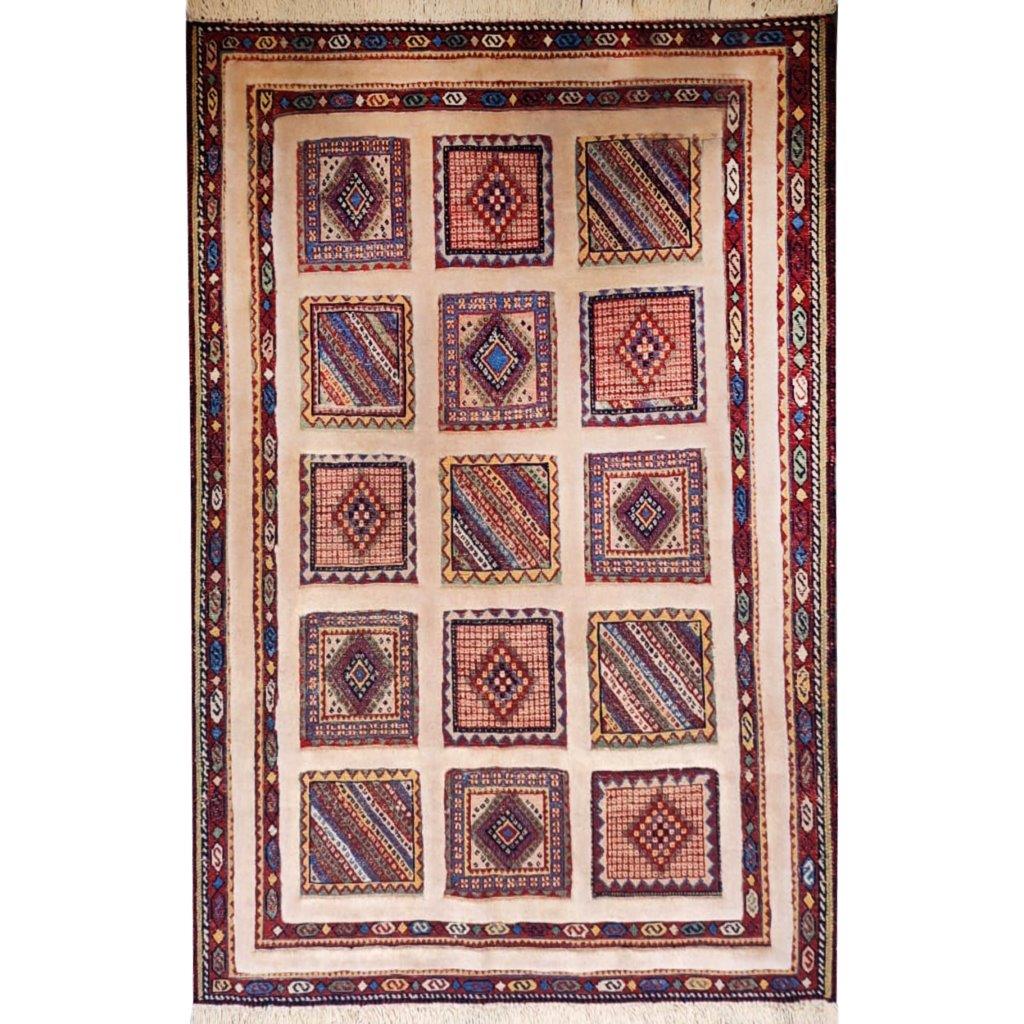
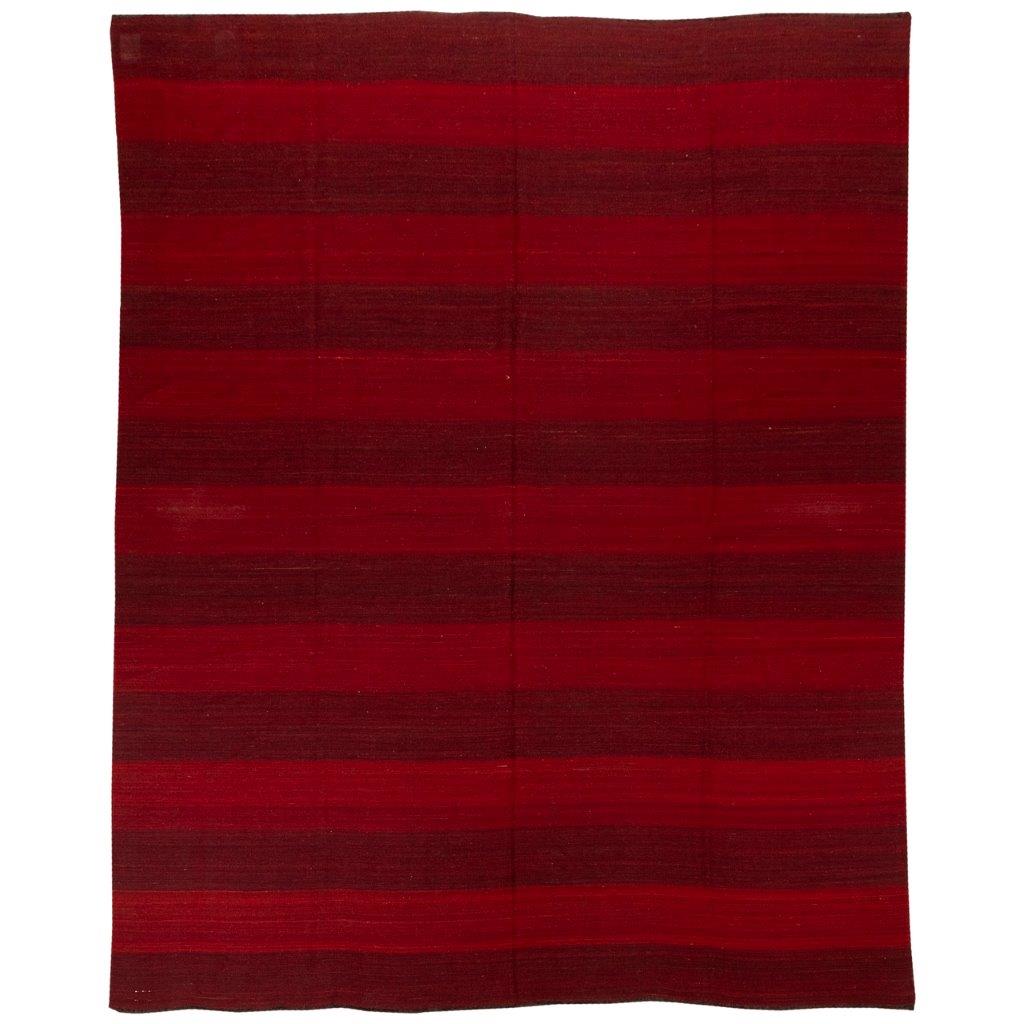

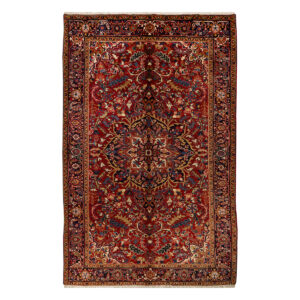
Buying Persian Carpet in Bahrain: Authentic Persian Rugs for Bahraini Homes
Bahrain has a long tradition of appreciating fine craftsmanship, luxury interiors, and handmade textiles. Its close commercial and cultural connections with Iran have also made Persian carpets a natural choice for Bahraini homes, majlis spaces, villas, and private collections.
For Bahraini buyers, purchasing Persian carpets directly from Iran offers access to a much wider selection of handmade rugs, regional designs, sizes, and price ranges. It can also provide better value compared with buying through several layers of local retail.

What Persian Carpets Do Bahraini Buyers Prefer?
Different Persian weaving regions offer very different designs, textures, colors, and levels of formality. For Bahraini homes, some styles are particularly suitable for majlis rooms, large villas, contemporary interiors, and family spaces.
Hamedan Rugs
Hamedan carpets are a practical choice for buyers looking for traditional Persian character with a strong handmade feel. Their variety of regional patterns makes them suitable for family living rooms, reception areas, and larger homes where the carpet is intended for regular use.
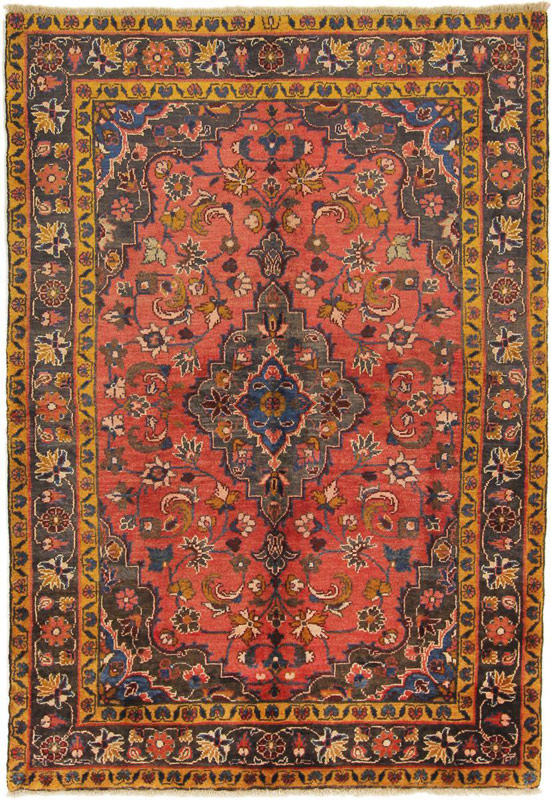
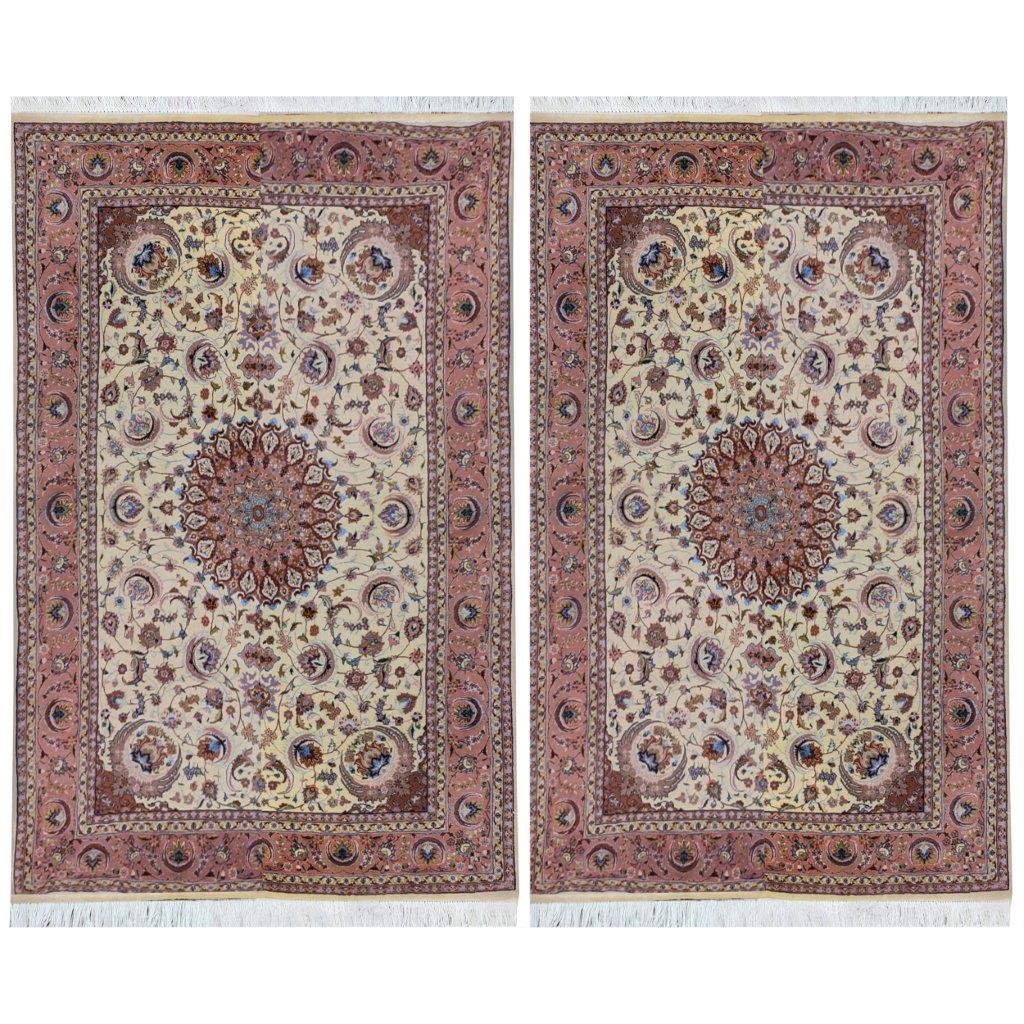
Nain Rugs
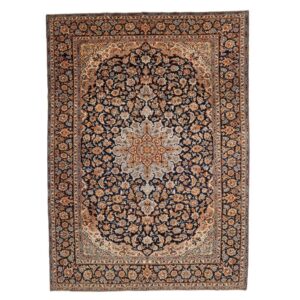
Nain carpets are particularly well suited to elegant Bahraini interiors featuring marble, stone flooring, neutral furniture, and contemporary architecture. Their refined designs and lighter color palettes can introduce detail without making a room feel visually heavy.
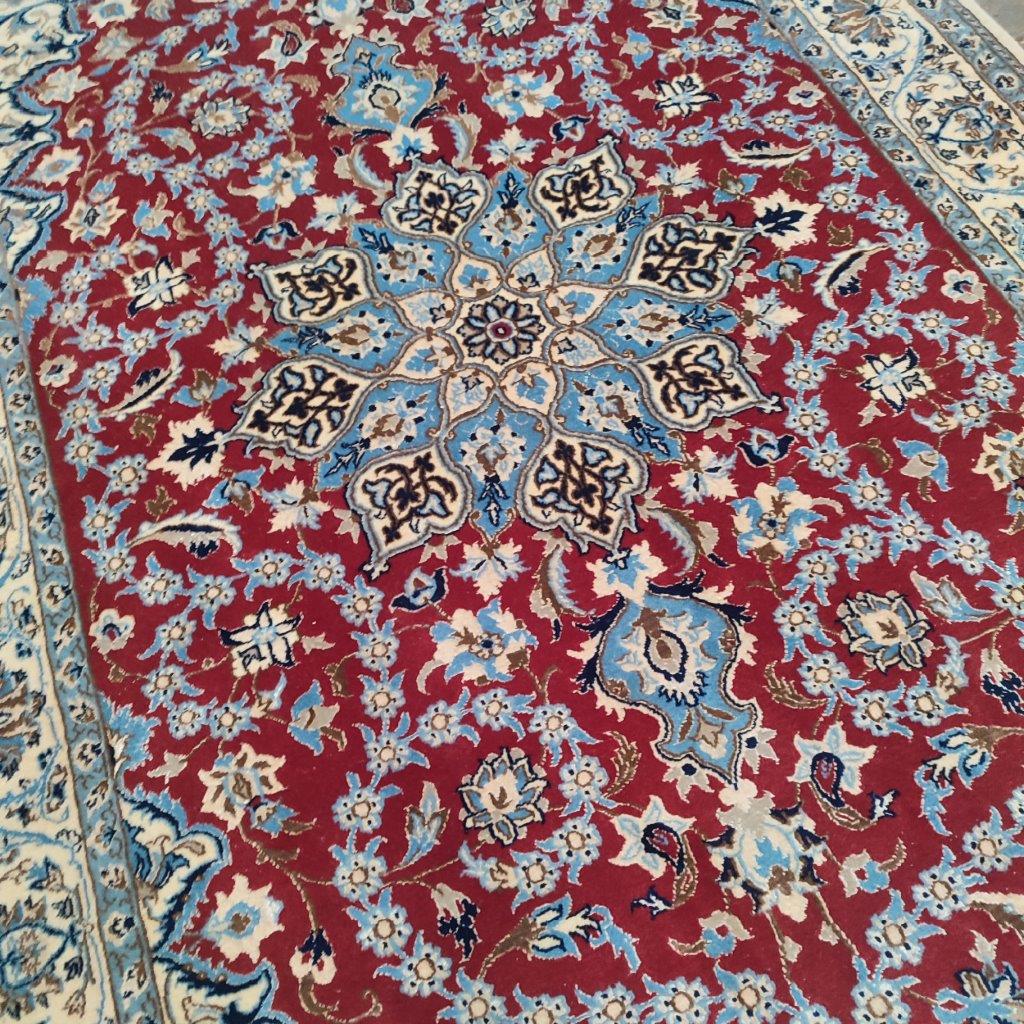
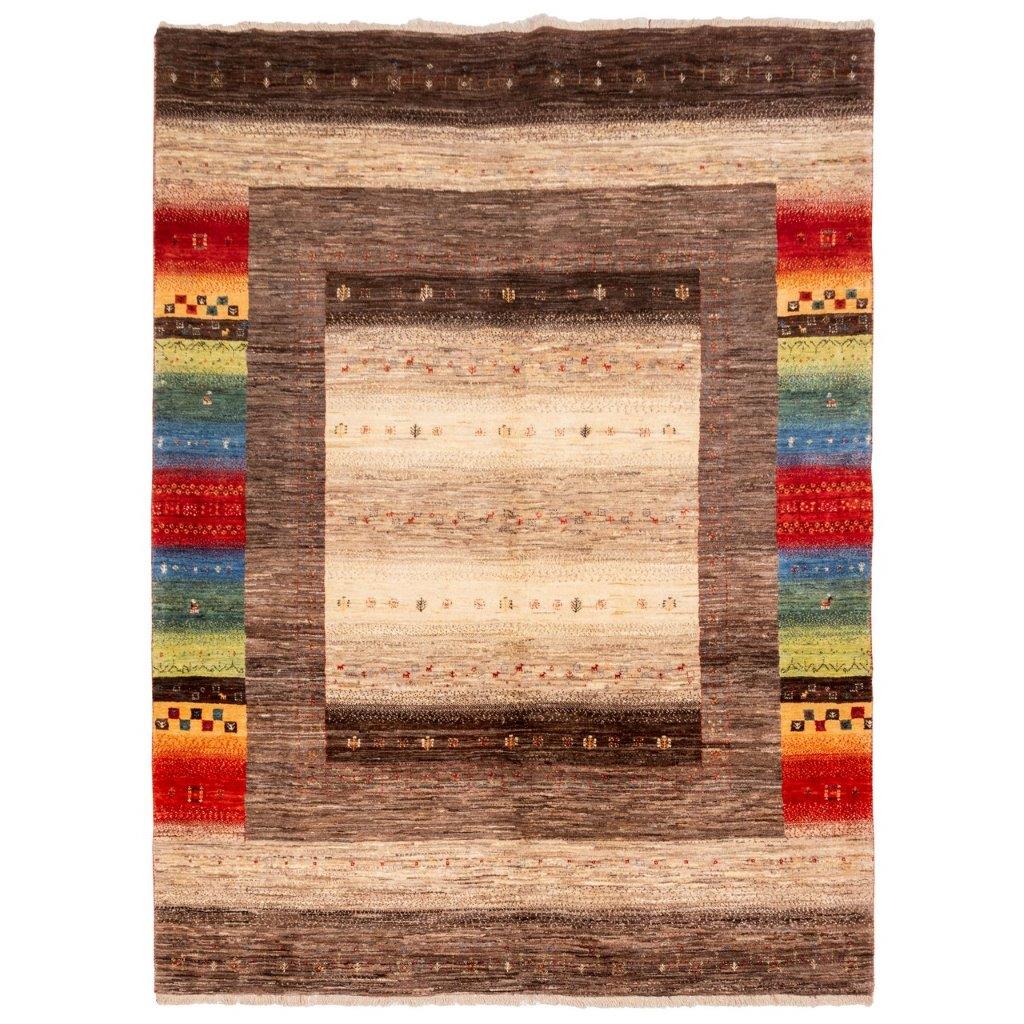
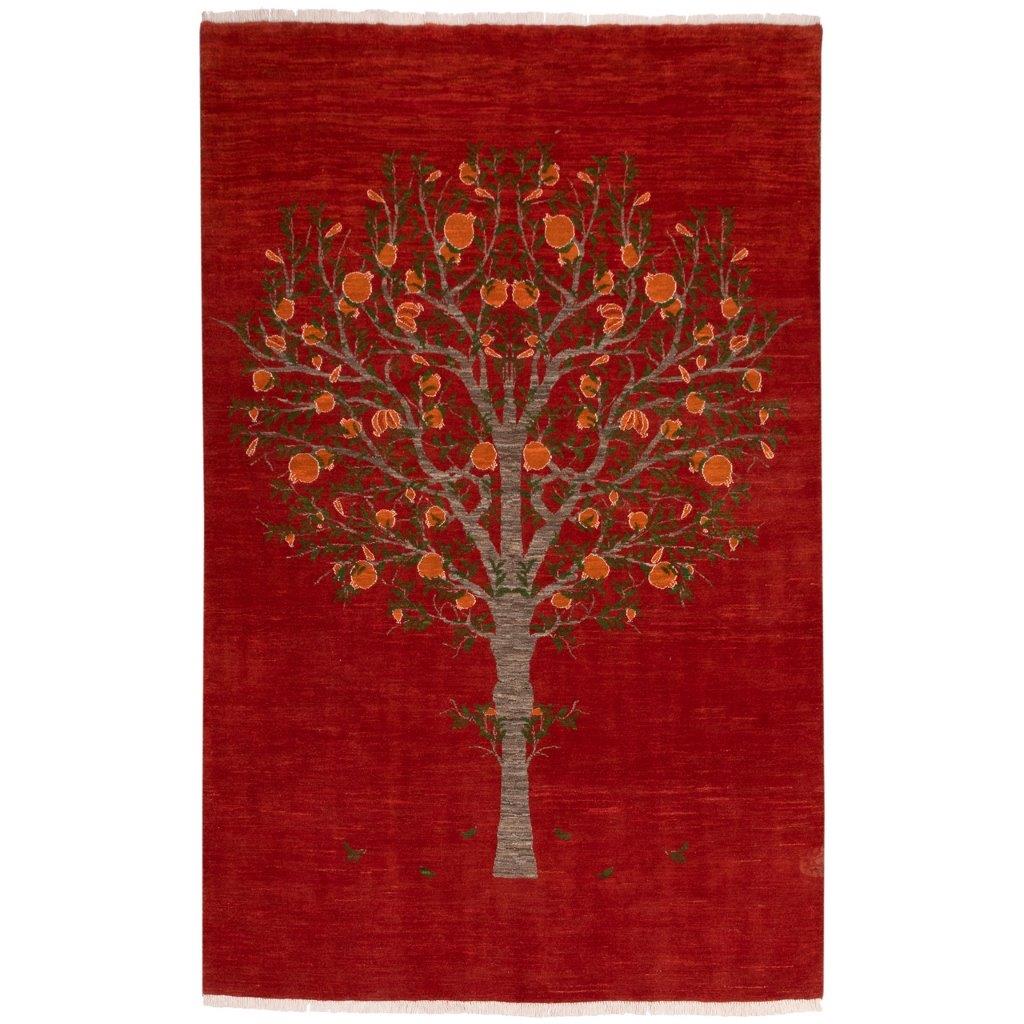
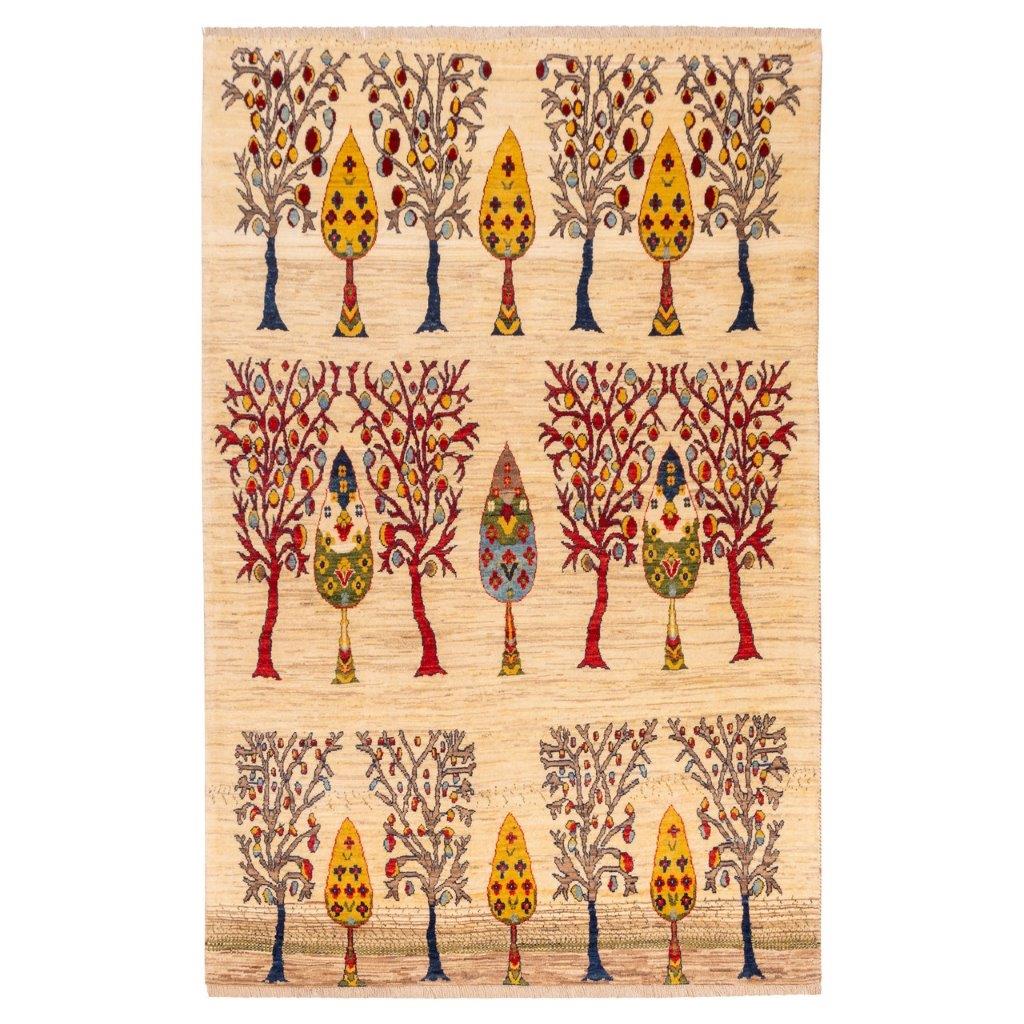
Gabbeh Rugs
Gabbeh offers a simpler alternative to highly detailed Persian city carpets. Its thicker wool, geometric character, and natural appearance work especially well in modern villas, family rooms, and relaxed contemporary interiors.
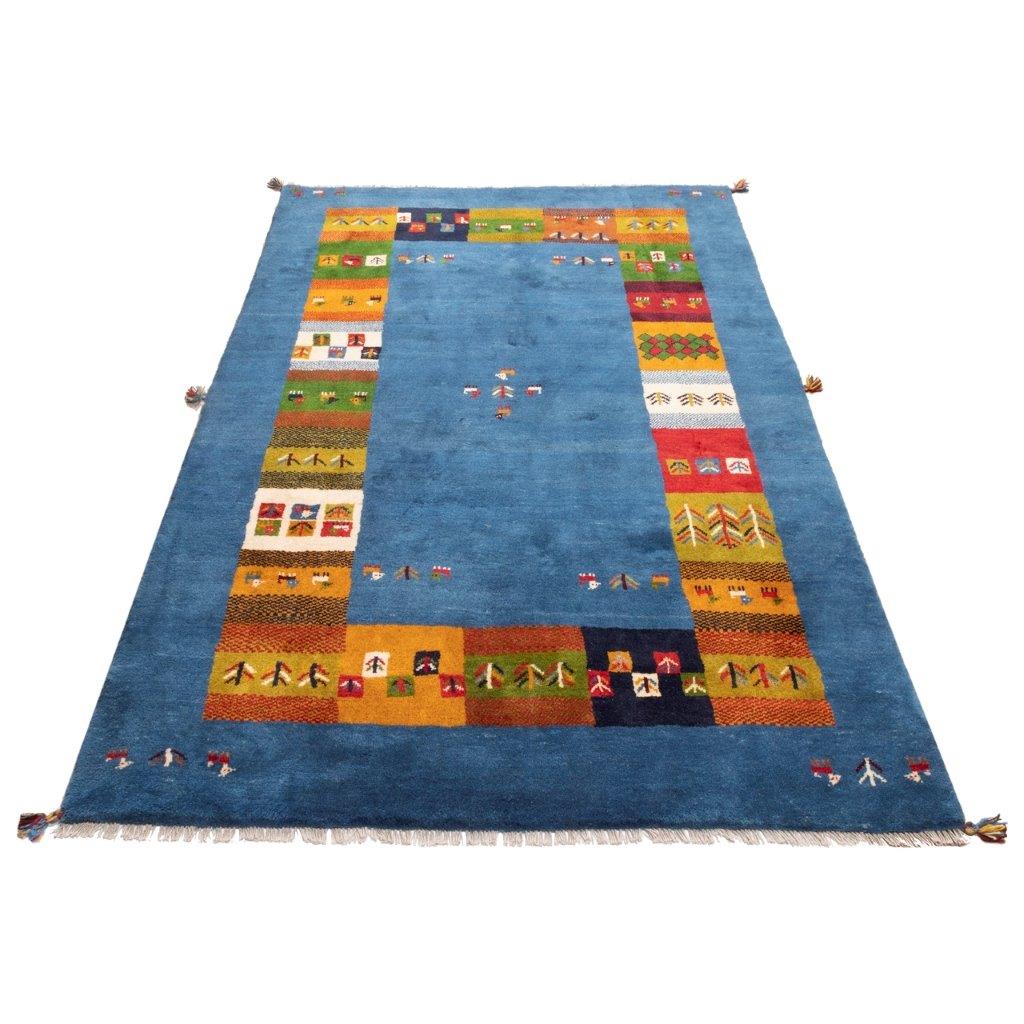
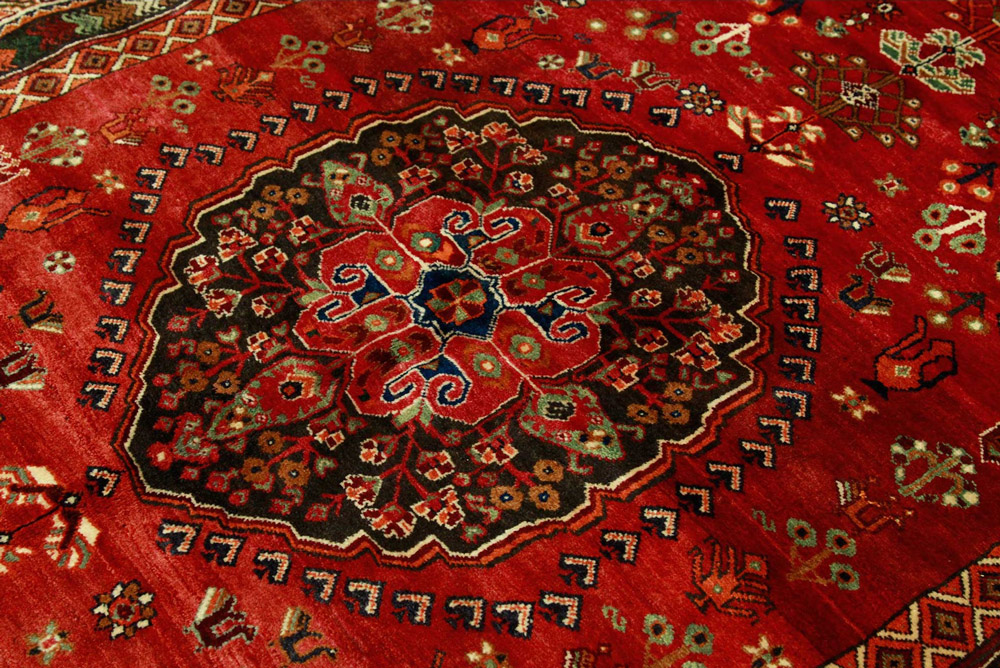
Qashqai Rugs
Qashqai carpets bring a distinctive tribal Persian character to the home. Their geometric designs, expressive colors, and handmade appearance can create an attractive contrast with modern furniture, marble floors, and contemporary Bahraini architecture.
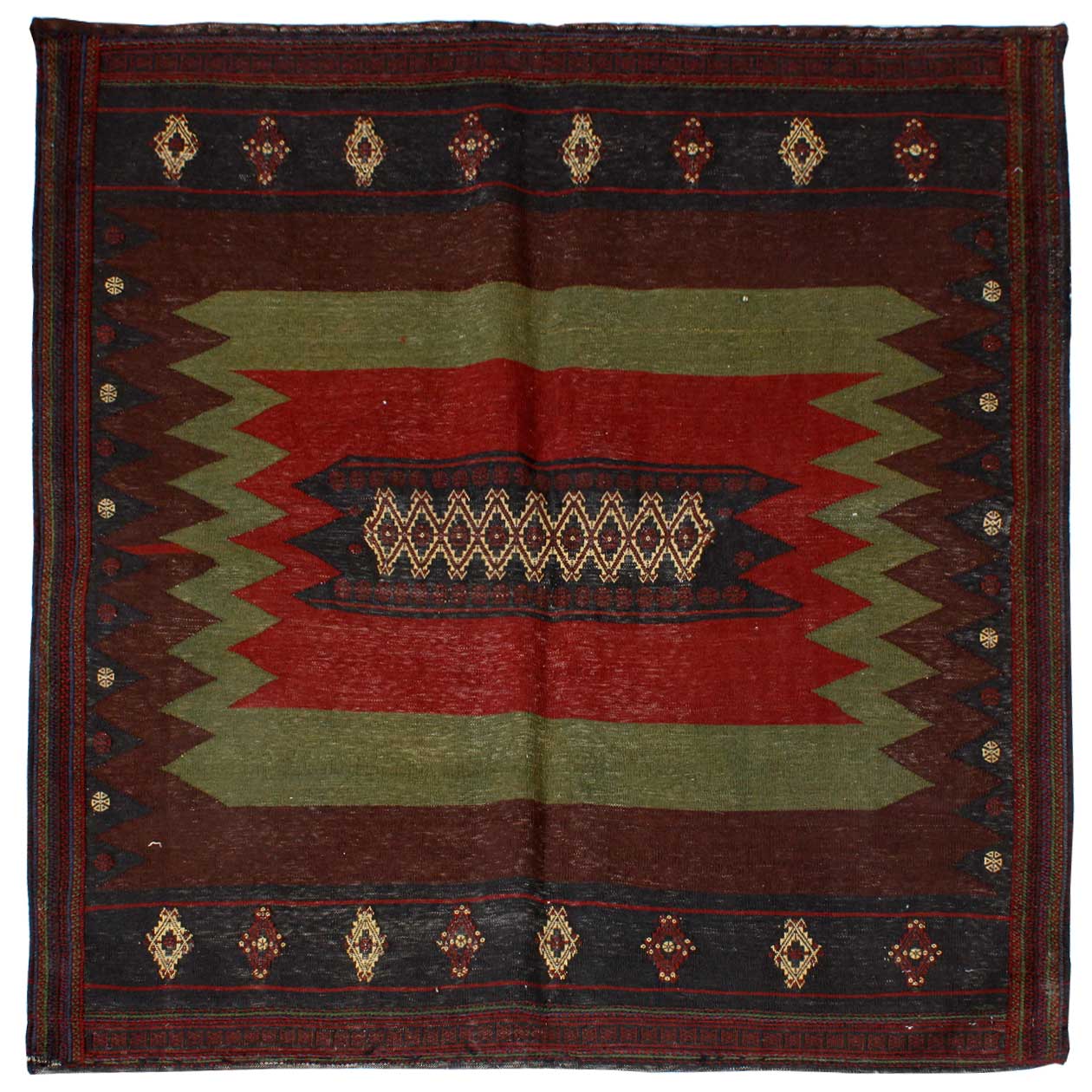
Baluch Rugs
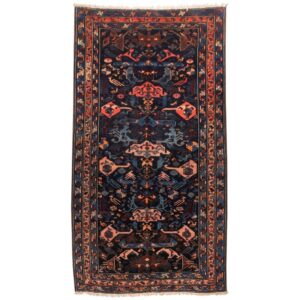
Baluch carpets are especially interesting for buyers who prefer darker, warmer, and more intimate interiors. Their compact geometric patterns and tribal character make them suitable for smaller rooms, private sitting areas, studies, and spaces where a more personal atmosphere is desired.
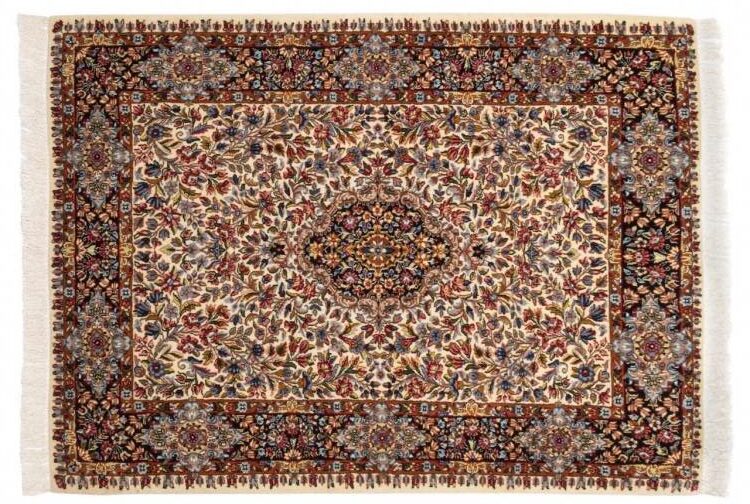
Kerman Rugs
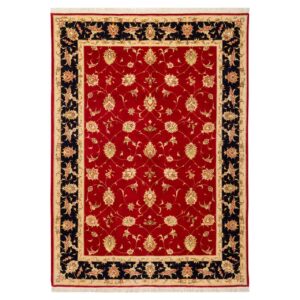
Kerman carpets are a strong option for formal Bahraini interiors. Their floral compositions and sophisticated decorative language can work particularly well in reception rooms, formal living spaces, and homes where the carpet is intended to become a major part of the interior design.
Ardabil Rugs
Ardabil carpets offer a distinctive northwestern Persian aesthetic, with designs that can provide more structure and visual character than lighter contemporary styles. They can work well in spacious rooms and interiors combining traditional furnishings with modern architecture.

Abadeh Rugs
Abadeh carpets are worth considering for Bahraini buyers who want something between formal Persian decoration and more rustic regional weaving. Their strong motifs and practical character can suit family rooms, villas, and interiors with natural materials.

Choosing a Persian Carpet for a Bahraini Home
The right carpet depends on the room, furniture, flooring, dimensions, and atmosphere you want to create.
- Majlis and formal reception rooms: Kerman, Ardabil, and other richly designed Persian carpets can provide a strong decorative foundation.
- Modern villas: Nain, Gabbeh, and selected Qashqai carpets can complement contemporary architecture without competing with it.
- Large family living rooms: Hamedan, Kerman, Qashqai, and Ardabil rugs can provide enough visual presence for spacious rooms.
- Marble and light stone interiors: Nain and other refined Persian carpets can add warmth, texture, and color to otherwise cool surfaces.
- Relaxed and contemporary spaces: Gabbeh and tribal Persian rugs provide a more natural and informal atmosphere.

Persian Carpets in Bahraini Home Décor
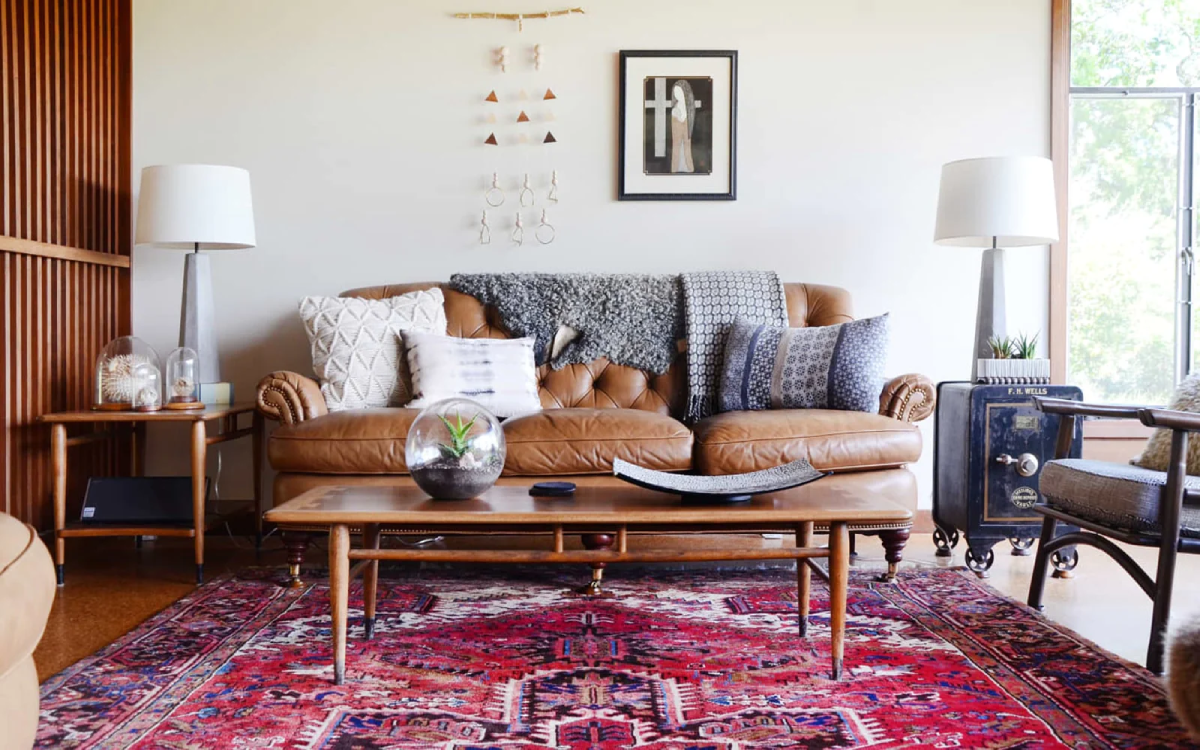
Bahraini homes often combine spacious architecture, marble or stone flooring, elegant furniture, and carefully designed reception areas. A Persian carpet can connect these elements while giving the room a stronger sense of warmth and individuality.
For a formal majlis, a detailed Persian carpet can establish the visual center of the room beneath the seating arrangement.
In a contemporary villa, a simpler Gabbeh or tribal carpet can soften large areas of marble and modern furniture.
For lighter interiors, Nain and other refined Persian carpets can introduce subtle pattern and texture without making the room feel crowded.
The important point is scale. A carpet that is too small can make a large Bahraini living room feel disconnected, while the right size can visually bring the furniture together and make the entire space feel more complete.
Buying Persian Carpets Directly from Iran
For buyers in Bahrain, direct purchasing from Iran can provide several practical advantages. Instead of choosing from a limited local inventory, you can compare carpets from different Persian weaving regions and select according to your exact requirements.
You can choose based on:
- Size: From smaller rugs to large carpets for majlis and villa interiors.
- Design: Floral, geometric, tribal, classical, or minimalist.
- Material: Wool, silk, cotton, or combinations of traditional materials.
- Color: From subtle neutral palettes to rich traditional Persian colors.
- Budget: Options ranging from practical handmade rugs to fine collector-quality carpets.
Before purchasing online, buyers should request clear photographs, exact dimensions, information about materials and construction, and photographs of the reverse side of the carpet.
View Available Persian Carpets
Persian Carpet Prices in Bahrain
There is no fixed price for a handmade Persian carpet. Size, material, weaving quality, region, design, condition, age, and craftsmanship can all affect the final price.
- Gabbeh and Tribal Rugs: BHD 150 – 600
- Hamedan, Abadeh and Regional Rugs: BHD 250 – 1,000+
- Nain and Fine Wool Rugs: BHD 500 – 2,500+
- Fine Kerman and Other High-Quality Persian Rugs: BHD 700 – 4,000+
- Fine Silk and Collector-Quality Carpets: BHD 1,500 – 10,000+
These are general price ranges rather than fixed valuations. Individual carpets can be priced significantly higher or lower depending on their specific characteristics.
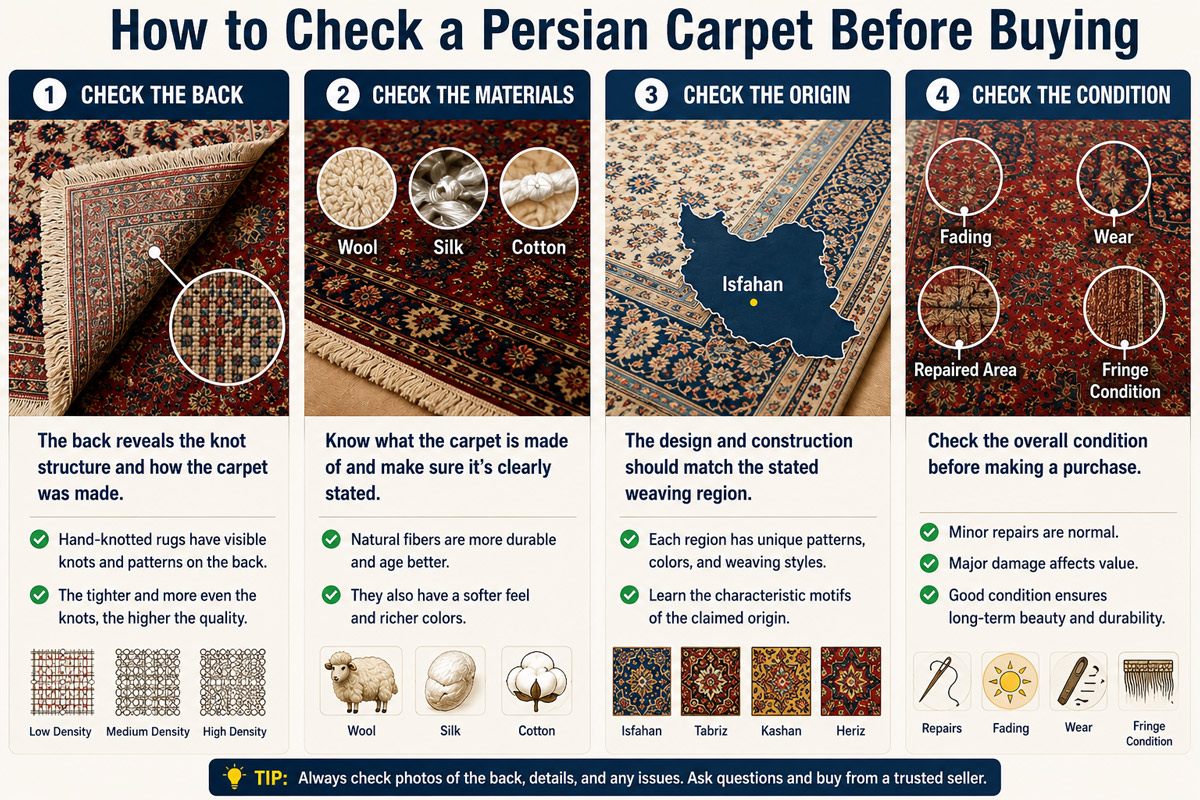
How to Check a Persian Carpet Before Buying
Check the Back
The reverse side of a handmade carpet can reveal important information about its knot structure and weaving technique. Request a clear photograph of the back when buying online.
Check the Materials
Ask whether the carpet is made from wool, silk, cotton, or a combination of materials. The material should be clearly stated before purchase.
Check the Origin
Persian carpets come from many different weaving regions, each with its own visual and technical characteristics. The design and construction should be consistent with the stated region.
Check the Condition
For older or previously used carpets, ask about wear, repairs, fading, restoration, and other condition issues before purchasing.
Get Help Choosing a Persian Carpet for Bahrain
Choosing the right carpet remotely is much easier when you know the dimensions and style of the room. You can send us your room measurements, photographs, preferred colors, interior style, and budget, and we can help you identify suitable Persian carpets from the available collection.
We can also provide information about the carpet, help compare suitable options, and assist with the purchase and delivery process to Bahrain.
Contact Us About a Persian Carpet
Frequently Asked Questions About Persian Carpets in Bahrain
Can I buy a Persian carpet directly from Iran and have it delivered to Bahrain?
Yes. Persian carpets can be purchased directly from Iran and arranged for international delivery to Bahrain. Shipping arrangements, import requirements, and any applicable charges should be confirmed for each individual order.
Is buying a Persian carpet directly from Iran cheaper in Bahrain?
It can offer better value because you are purchasing closer to the source and can compare a much larger selection. The final cost depends on the carpet, size, quality, shipping, and any applicable import charges.
Which Persian carpets are suitable for a Bahraini majlis?
For a formal majlis, Kerman, Ardabil, Hamedan, and other traditional Persian carpets can work particularly well. The best choice depends on the size of the room, furniture, flooring, and preferred style.
Which Persian rugs work well in modern Bahraini homes?
Nain and Gabbeh are particularly versatile for contemporary interiors. Nain provides a refined and lighter appearance, while Gabbeh and Qashqai rugs can add stronger texture and personality.
How much does a Persian carpet cost in Bahrain?
Prices vary considerably according to size, material, region, craftsmanship, design, age, and condition. Handmade tribal carpets can be relatively accessible, while fine silk and collector-quality carpets can cost considerably more.
How can I tell if a Persian carpet is genuinely handmade?
Examine the reverse side of the carpet to see the knot structure and weaving. You should also ask about the materials, place of weaving, construction, and condition. Clear photographs of both sides are particularly important when buying online.
Can you help me choose a Persian carpet for my home in Bahrain?
Yes. Send us the room dimensions, photographs of the interior, preferred colors or design style, and your approximate budget. We can help you find suitable carpets from the available collection.
Do you ship Persian carpets to Bahrain?
International delivery to Bahrain can be arranged for purchased carpets. Delivery details and the applicable shipping arrangements can be confirmed before completing the order.