

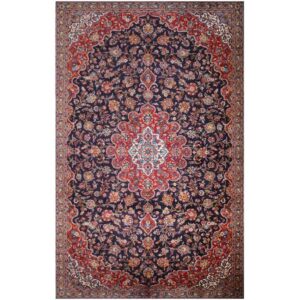

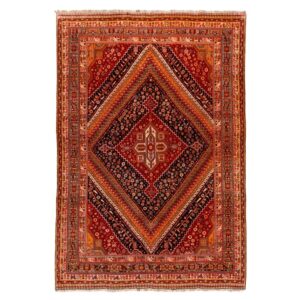

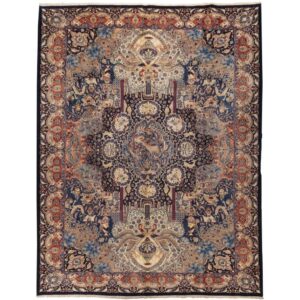
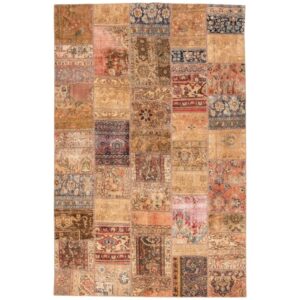
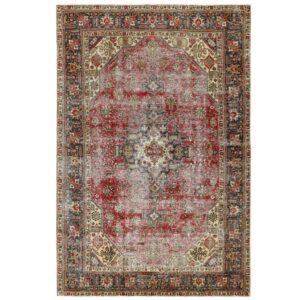
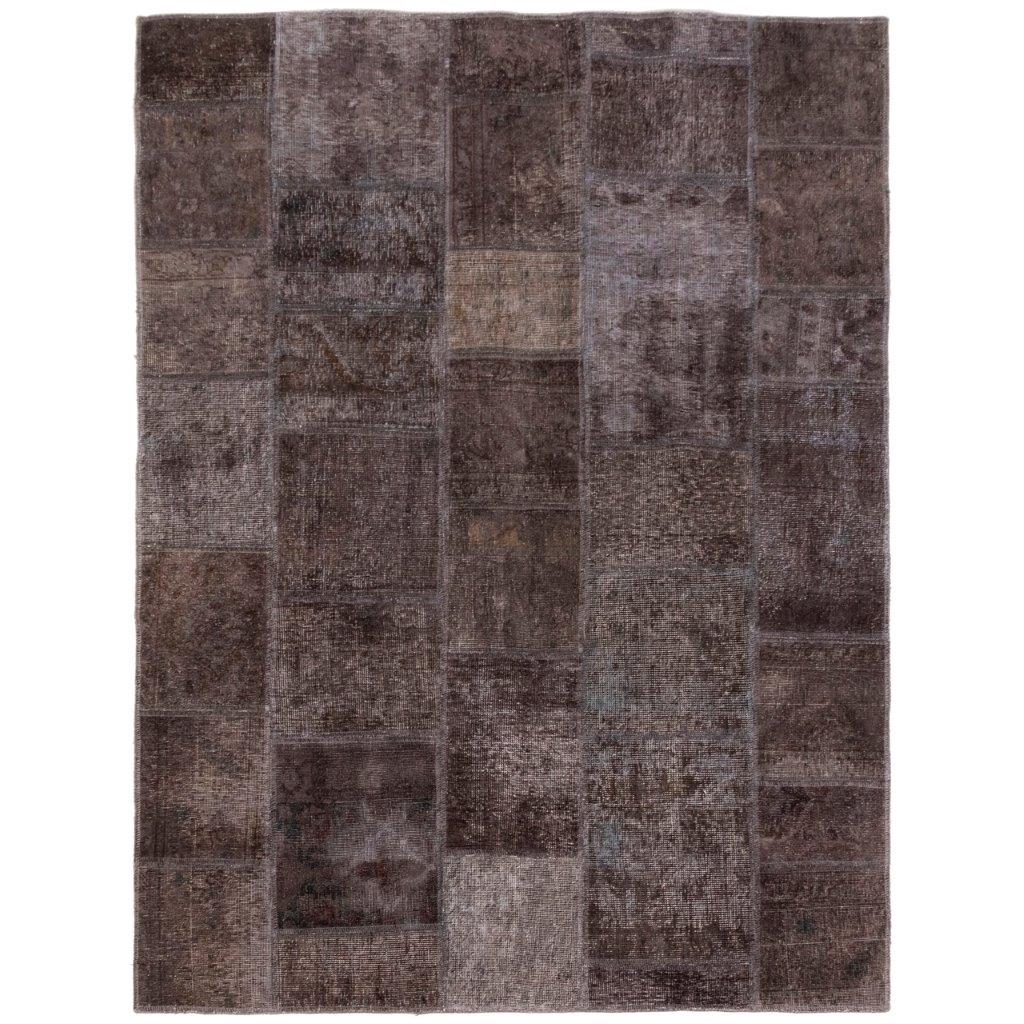
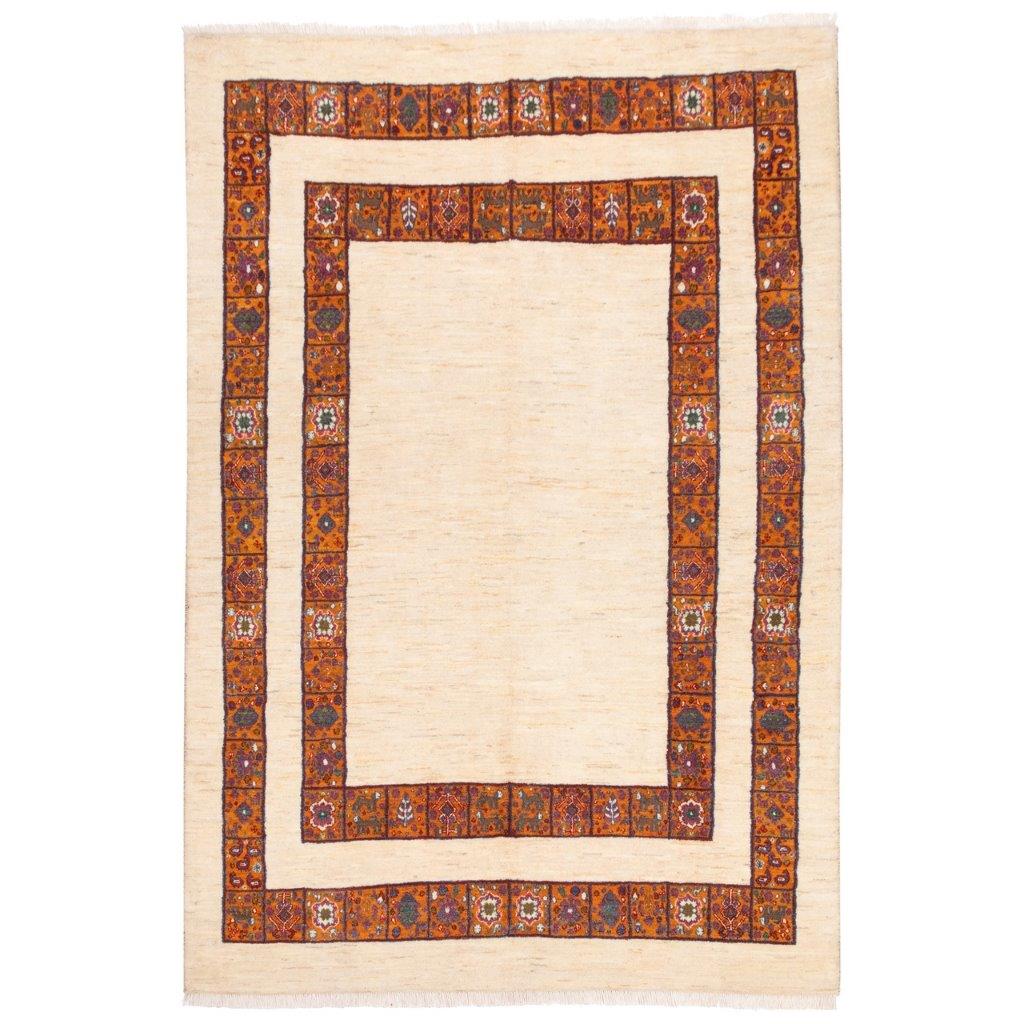
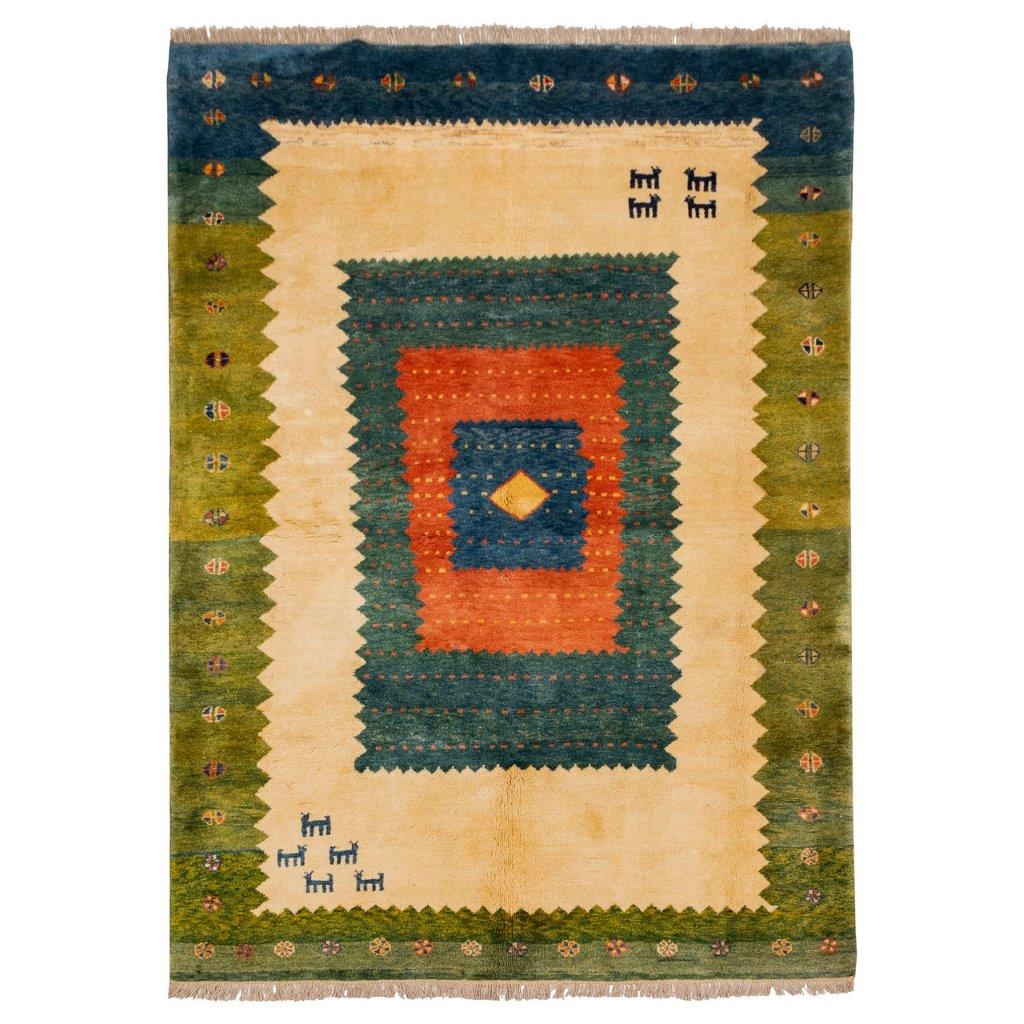
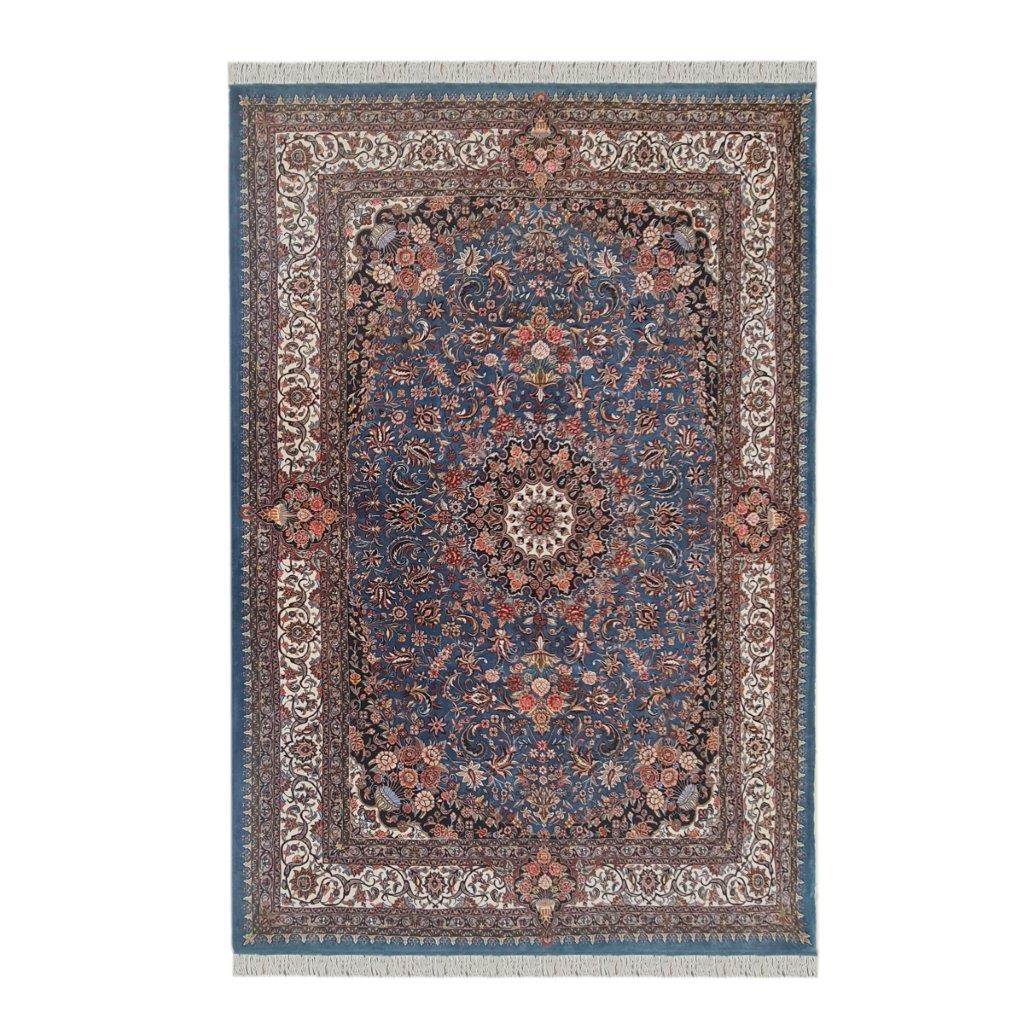
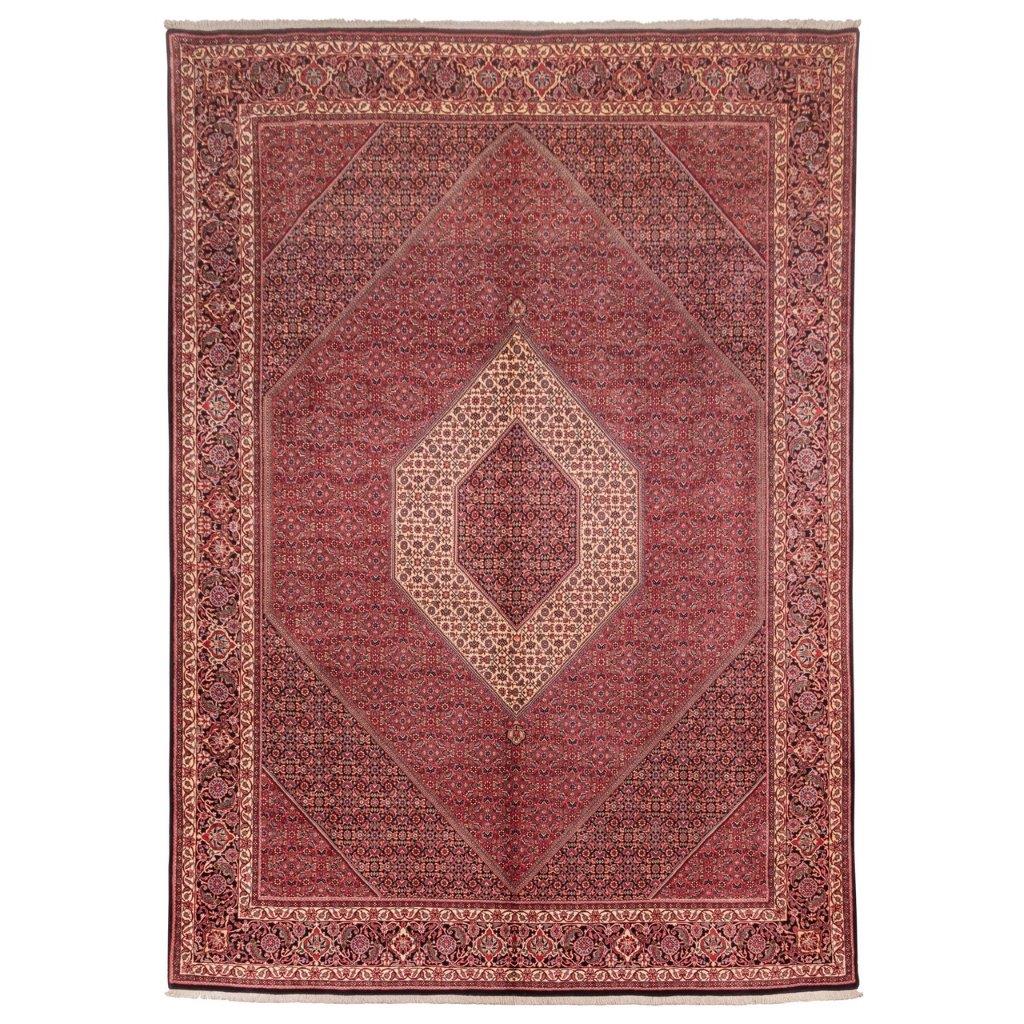
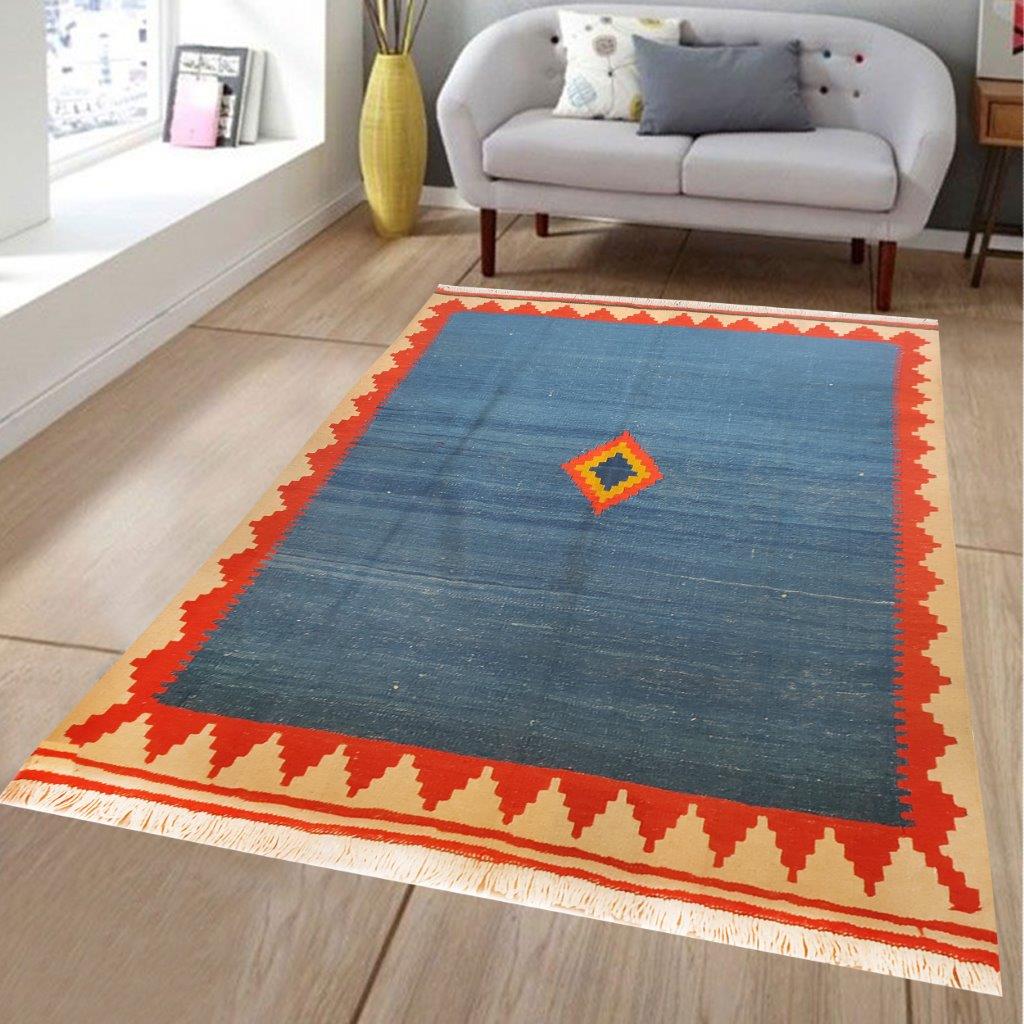
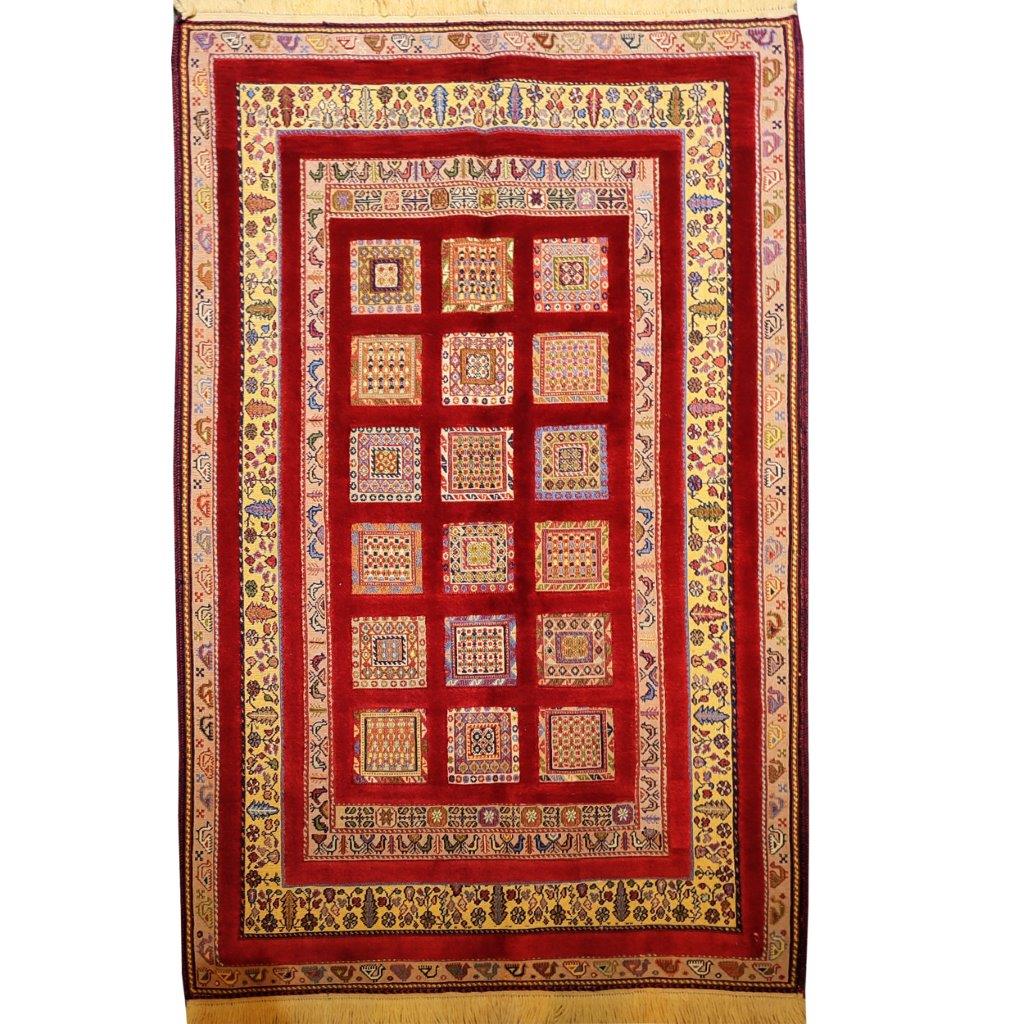
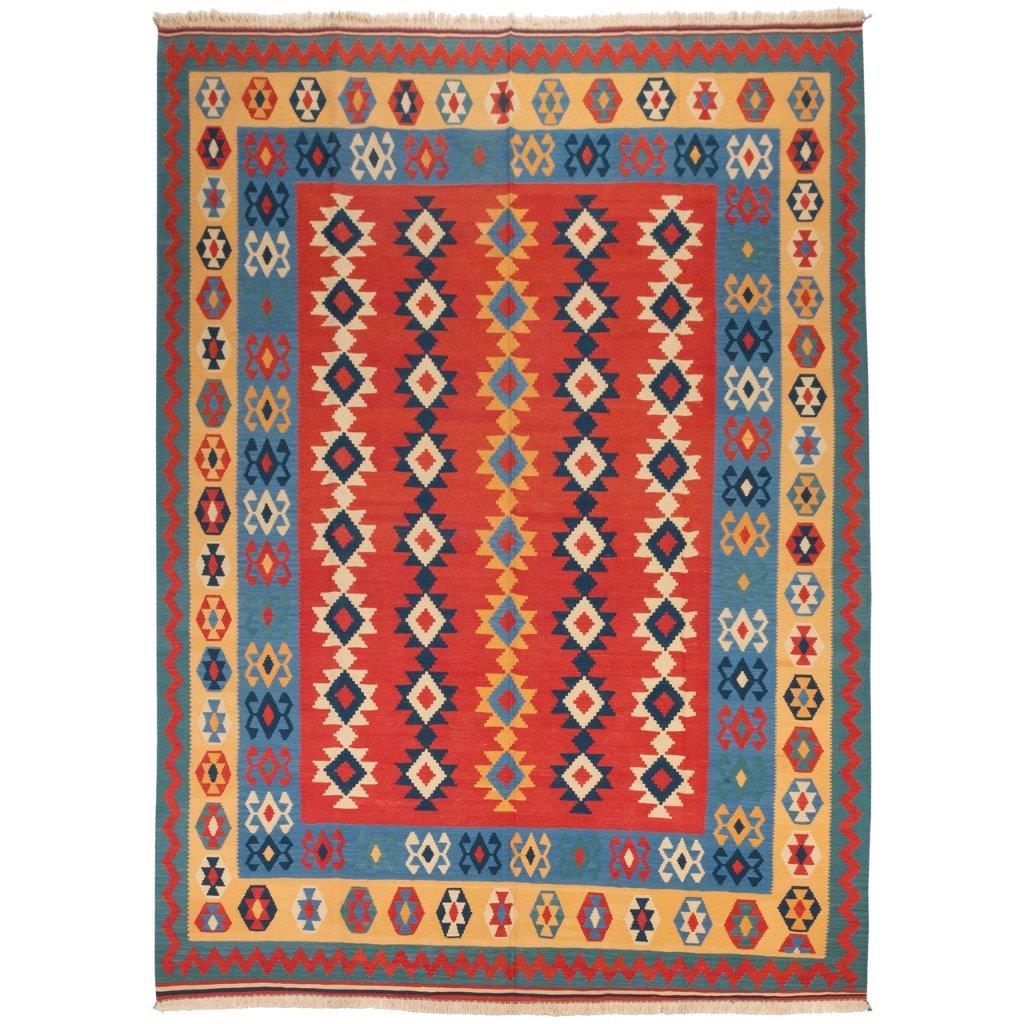


Persian carpets have a long history of appreciation in Russia, valued for their craftsmanship, natural materials, traditional designs, and lasting decorative appeal. With trade and commercial relations between Iran and Russia continuing to develop, direct access to authentic Iranian carpets is becoming increasingly relevant for Russian buyers.
Russian homes range from elegant city apartments to spacious traditional residences and country houses. This variety creates demand for both refined Persian city carpets and more rustic regional designs.

What Persian Carpets Do Russian Buyers Prefer?
Different Persian weaving regions offer very different designs, colors, textures, and levels of formality. For Russian buyers, some styles are particularly suitable for elegant apartments, traditional interiors, spacious homes, and country properties.
Mashhad Rugs
Mashhad carpets are known for detailed traditional compositions, rich colors, and a strong decorative presence. Their larger-scale designs can work particularly well in spacious living rooms, formal interiors, and larger Russian homes.

Moud Rugs
Moud rugs from the Birjand area are appreciated for refined traditional patterns, detailed weaving, and an elegant classical appearance. They can be a strong choice for buyers looking for a sophisticated Persian carpet with a traditional character.
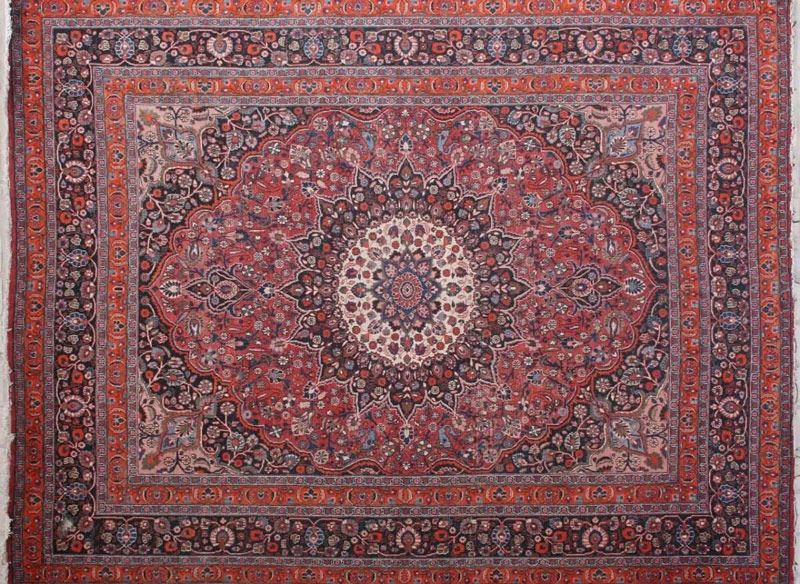
Nain Rugs
Nain carpets are particularly suitable for interiors where a lighter and more refined Persian rug is preferred. Their delicate patterns and restrained color combinations can complement modern apartments as well as elegant classical rooms.
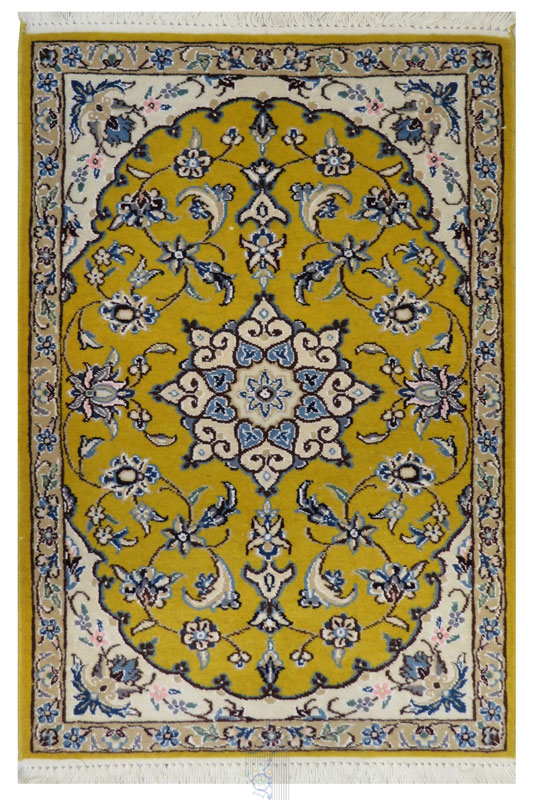
Tabriz Rugs
Tabriz is one of the most versatile Persian carpet styles, offering everything from detailed floral designs and medallions to more elaborate compositions. This range makes Tabriz carpets suitable for both traditional and contemporary Russian interiors.
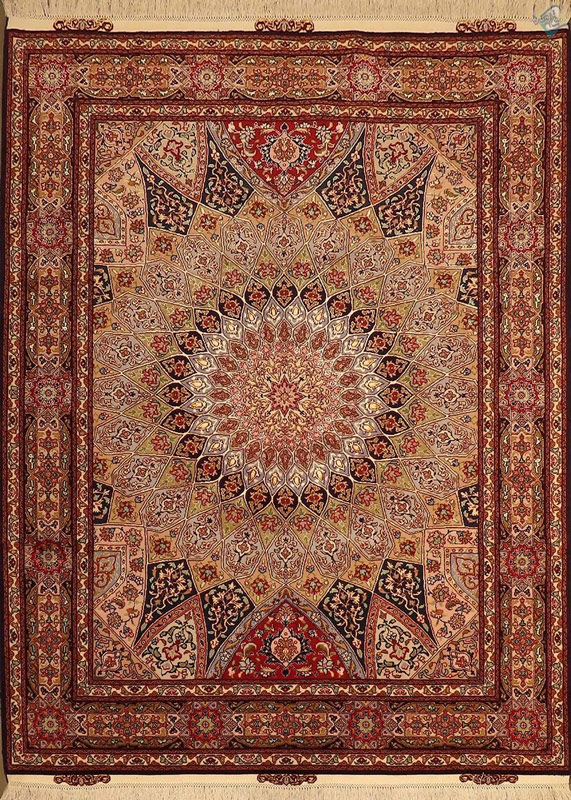
Kashan Rugs
Kashan carpets are a natural choice for buyers who prefer classical Persian decoration. Floral patterns, traditional medallions, and balanced compositions make them particularly suitable for formal living rooms, dining rooms, libraries, and traditional interiors.
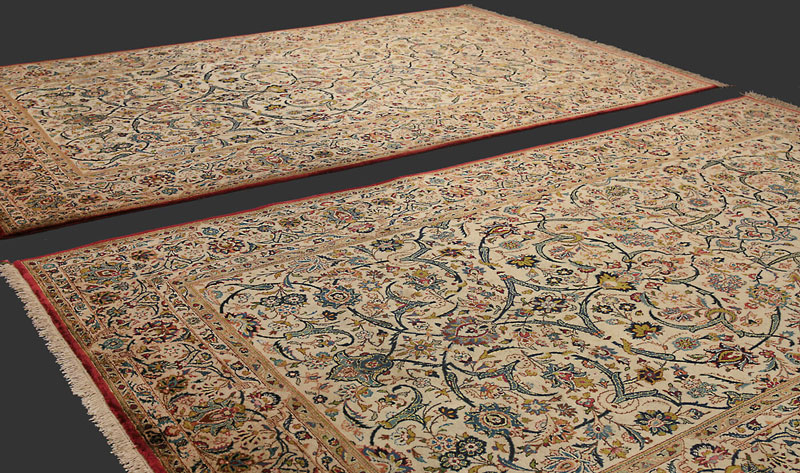
Isfahan Rugs
Isfahan carpets appeal to buyers who value fine detail, elegant compositions, sophisticated colors, and careful craftsmanship. Their refined appearance can work particularly well in carefully designed interiors where the carpet is intended to become an important decorative element.

Qom Silk Rugs
Qom carpets represent one of the more luxurious areas of Persian weaving. Fine silk examples are valued for intricate designs, delicate construction, and exceptional decorative detail, making them especially interesting to luxury buyers and collectors.

Heriz Rugs
Heriz carpets are known for bold geometric designs, strong medallions, and a durable character. Their distinctive appearance can work particularly well in spacious living rooms and interiors where the carpet is intended to make a strong visual statement.

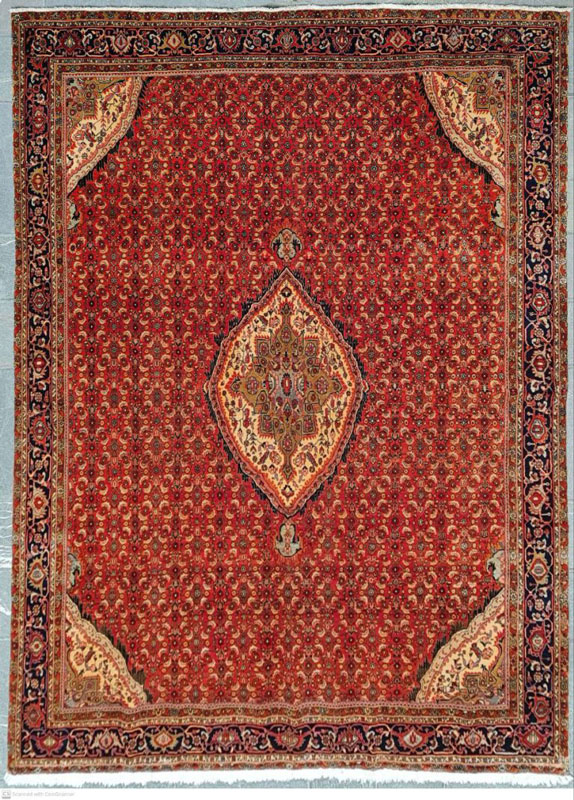
Bijar Rugs
Bijar carpets are particularly valued for their dense construction, substantial feel, and exceptional durability. Their strong structure makes them suitable for large households, spacious rooms, and buyers looking for a traditional Persian carpet built for long-term use.
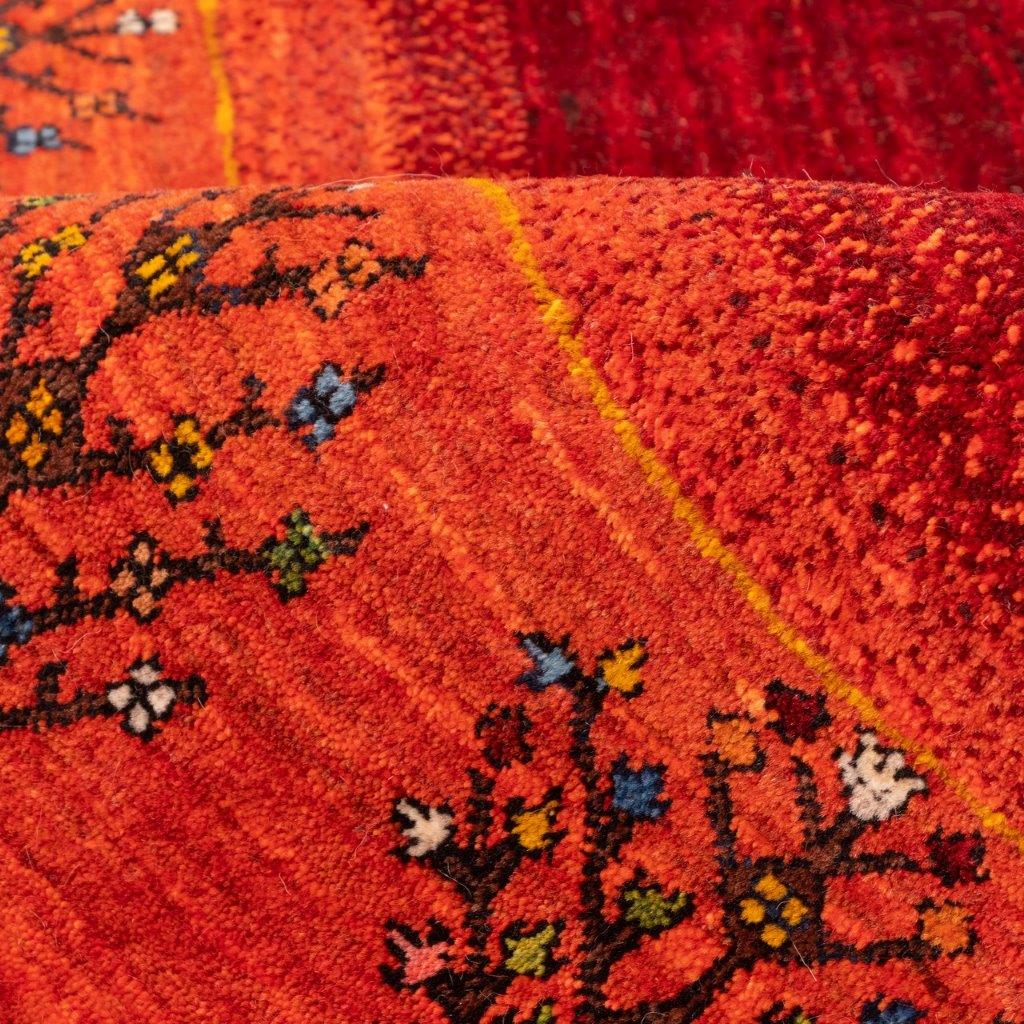
Gabbeh Rugs
Gabbeh carpets offer a simpler and more relaxed alternative to highly detailed city rugs. Their thicker wool pile, geometric designs, and natural character make them suitable for contemporary interiors, country homes, and more informal spaces.
Choosing a Persian Carpet for a Russian Home
The right carpet depends on the room, furniture, colors, size, and atmosphere you want to create.
- Elegant city apartments: Nain, Isfahan, Tabriz, and Qom can complement refined contemporary interiors.
- Classical interiors: Kashan, Kerman, Moud, and Mashhad work naturally with traditional furniture and decorative details.
- Large living rooms: Mashhad, Tabriz, Heriz, and Bijar can provide a stronger visual presence.
- Country homes and dachas: Gabbeh and other tribal-style carpets can create a warmer and more relaxed atmosphere.
Buying Persian Carpets Directly from Iran
For Russian buyers, purchasing directly from Iran can provide access to a wider selection of Persian carpets from different weaving regions. Buyers can compare different origins, sizes, materials, colors, and levels of craftsmanship rather than being limited to the selection available through local retailers.
Before purchasing, confirm the carpet’s origin, dimensions, materials, construction, condition, and total delivered cost. For online purchases, detailed photographs of the front, back, pile, and any repaired areas are particularly useful.
View Available Persian Carpets
Persian Carpet Prices in Russia
There is no single price for a Persian carpet. Size, material, knotting, age, condition, origin, design, rarity, and craftsmanship can all significantly affect the value.
- Gabbeh and tribal rugs: ₽25,000–₽120,000
- Traditional Persian city rugs: ₽80,000–₽350,000
- Fine silk rugs: ₽200,000–₽900,000+
- Antique and collector-grade rugs: ₽400,000–₽2,000,000+
These are general price ranges rather than fixed valuations. Individual carpets can be priced significantly higher or lower depending on their specific characteristics.
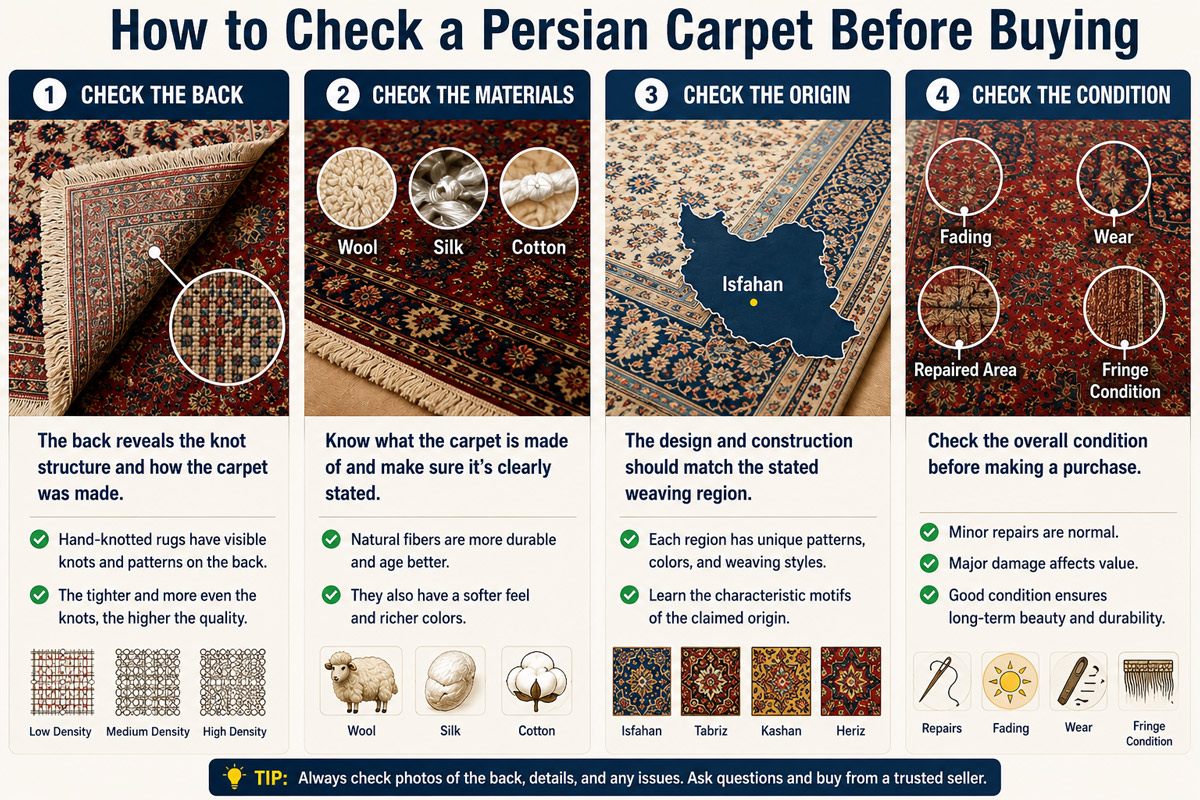
How to Check a Persian Carpet Before Buying
Check the Back
The reverse side can reveal the knot structure and provide useful information about how the carpet was made.
Check the Materials
Ask whether the carpet is woven from wool, silk, cotton, or a combination of materials, and make sure the materials are clearly stated.
Check the Origin
The design and construction should be consistent with the stated weaving region. Regional characteristics can help buyers better understand what they are purchasing.
Check the Condition
For older carpets, ask about repairs, restoration, fading, wear, and other condition issues before making a purchase.
Find the Right Persian Carpet for You
If you are looking for a Persian carpet in Russia and already have a preferred size, color, style, or budget, we can help you find suitable options from our collection.
Contact Us About a Persian Carpet
Frequently Asked Questions About Persian Carpets in Russia
Can I buy a Persian carpet from Iran and have it delivered to Russia?
Yes, Persian carpets can be purchased directly from Iran and delivered to customers in Russia. Buying directly gives you access to a wider selection of handmade carpets from different weaving regions. Confirm shipping, import requirements, taxes, duties, and delivery conditions before ordering.
Which Persian carpets are popular in Russia?
Tabriz, Kashan, Isfahan, Qom, Heriz, Bidjar, Gabbeh, and other regional Persian carpets are popular choices. The best option depends on the interior style, room size, desired appearance, and budget.
How much does a Persian carpet cost in Russia?
Prices vary considerably depending on size, material, weaving quality, region, design, age, and condition. Handmade tribal carpets can be relatively affordable, while fine silk carpets, large city rugs, and antique pieces can reach much higher prices.
How can I tell if a Persian carpet is genuinely handmade?
Check the reverse side of the carpet to examine the knot structure and weaving. You should also ask about the materials, place of weaving, construction, and condition. When buying online, detailed photographs of both the front and back are particularly useful.
Which Persian carpet is suitable for a modern Russian home?
Tabriz and Isfahan carpets can work well in refined modern interiors, while Gabbeh and other tribal carpets suit more relaxed spaces. Heriz and Bidjar rugs can also create a strong focal point in larger rooms.
Are Persian carpets a good long-term investment?
Some Persian carpets can retain or increase their value, particularly rare pieces with excellent craftsmanship, age, provenance, materials, condition, and artistic quality. However, appreciation is not guaranteed and value varies from one carpet to another.
Is buying a Persian carpet directly from Iran a good option for Russian buyers?
Direct purchasing can provide access to a wider selection of Persian carpets and regional weaving styles. It is important to confirm the carpet’s specifications, authenticity, total cost, shipping arrangements, and applicable import requirements before purchasing.
What should I check before buying a Persian carpet online?
Ask for clear photographs of the front and back, exact dimensions, materials, place of weaving, construction details, and information about the carpet’s condition. For valuable pieces, additional documentation about origin and authenticity can also be useful.