Afshar Rugs
Buy Afshar Persian Rugs History and Origin of Afshar Persian Rugs Afshar rugs are woven by the Afshar tribe, a semi-nomadic Turkic people with a long
Each region in Iran known for rug weaving produces carpets with unique characteristics. Among these, design and pattern are the most immediate and visually recognizable elements. They offer the simplest way to identify the origin of a Persian rug.
However, while design can provide useful hints, it’s not a foolproof method. That’s because popular patterns from one region are often replicated in other areas. For example, Nain-style rugs are not only woven in Nain (in Isfahan Province) but also in Kashmar and surrounding villages in Khorasan Province. Despite visual similarities, the quality of materials and craftsmanship in these versions may not match the originals from Nain.
To accurately determine the origin of a Persian rug, years of experience and expertise are often required—taking into account not only the design but also the knotting technique, weaving structure, and materials used.
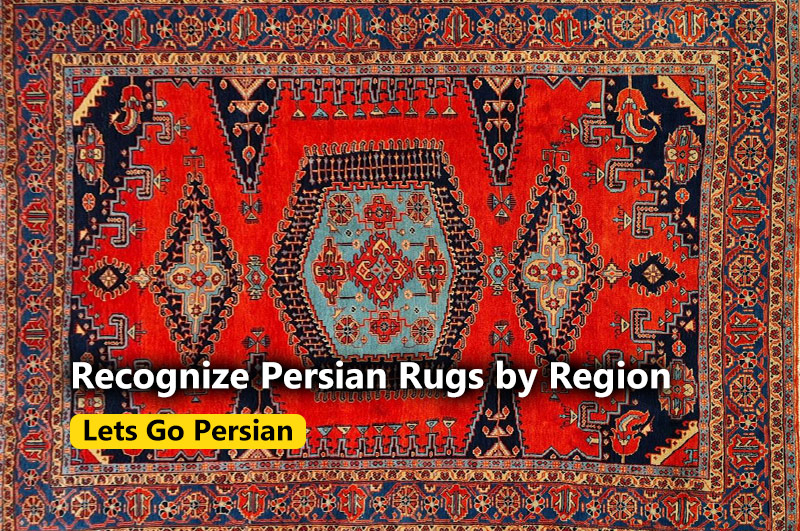
Recognize Persian Rugs by Region from Design & Pattern
While not the only method, visual observation is undoubtedly the easiest way to become familiar with regional rug styles. The more rugs you see from different parts of Iran, the more patterns and motifs you’ll recognize.
With repeated viewing, you start to associate certain designs with particular areas—just as your mind instinctively guesses someone’s age or background upon seeing their face. The more experienced the viewer, the more accurate the identification. Similarly, seasoned rug enthusiasts can often tell a carpet’s origin just by looking at its motifs and color palette.
Heris Rugs (East Azerbaijan): Known for geometric motifs and angular medallions, often featuring a bold lacquer red base and dark tones. These rugs usually have a large central square medallion.
Nain Rugs (Isfahan Province): Characterized by soft beige or cream backgrounds, with limited colors and circular medallions, often conveying a refined and symmetrical aesthetic.
By studying these and other regional patterns, your ability to distinguish between Persian rug styles will improve over time.
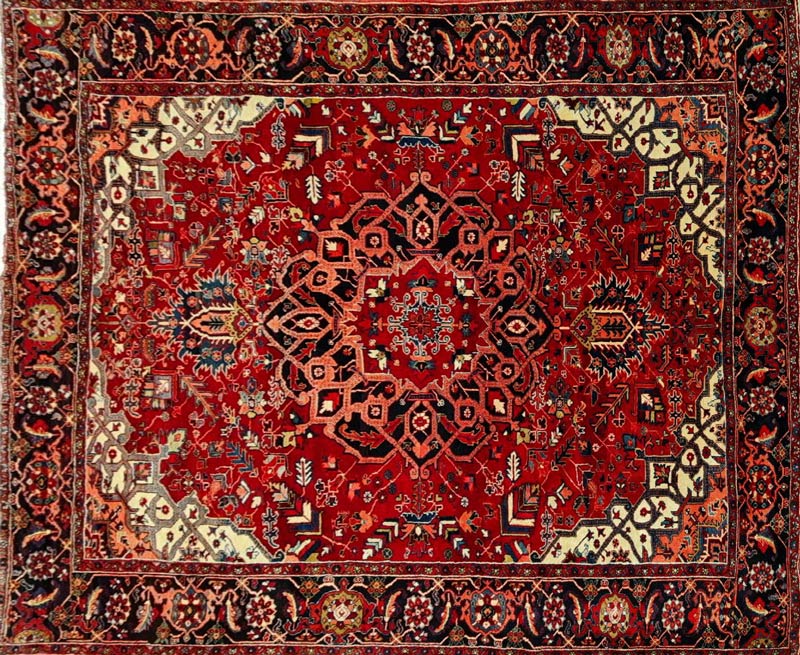
Haris Carpet
Many books, both by Iranian and international authors, have documented the regional patterns of Persian rugs. These are excellent resources for those seeking to expand their knowledge.
In addition, platforms like C-Persia offer filtering tools to sort rugs by weaving origin, enabling you to visually compare multiple rugs from the same region side by side. This practical exposure helps you discover the shared elements and subtle differences across regional rug styles.

Buy Afshar Persian Rugs History and Origin of Afshar Persian Rugs Afshar rugs are woven by the Afshar tribe, a semi-nomadic Turkic people with a long
Persian carpets and rugs are far more than decorative floor coverings; they are storied artworks woven from centuries of cultural heritage, regional aesthetics, and masterful techniques.
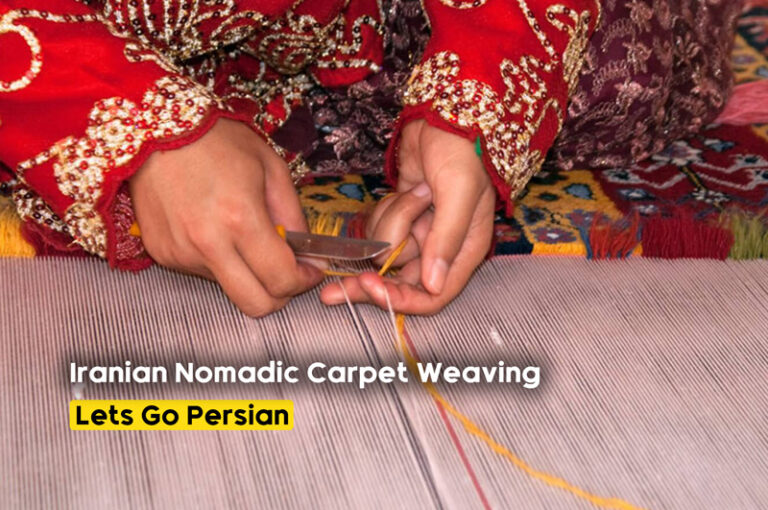
Carpet weaving in Iran, known for producing some of the most exquisite Persian carpets in the world, has a long and storied history that stretches back

Choosing the right carpet size is essential to enhancing the overall look and feel of your space. Whether you’re buying a Persian carpet or a modern

Buy Ghashghai Persian Rugs History and Origin of Ghashghai Persian Rugs Ghashghai rugs come from the Qashqai tribal confederation in southwestern Iran, known for their vivid,
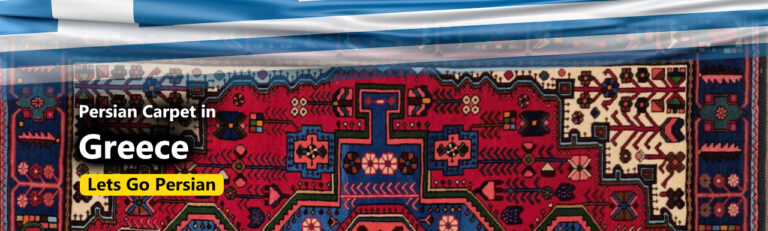
Buying Persian Carpet in Greece: Craftsmanship Meets Classical Taste Greece’s cultural affinity for art, elegance, and Mediterranean design makes it a fitting market for Persian carpets.
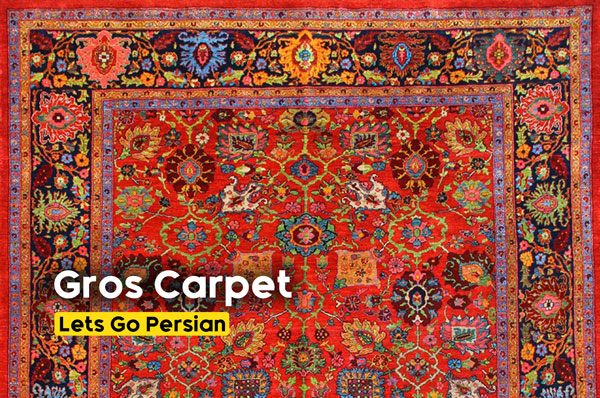
Iran’s Artisanal Heritage Unveiled: The Story of Gros Carpets Gros or Bijar Carpets, one of the oldest and most historic handwoven carpets in Iran, with roots