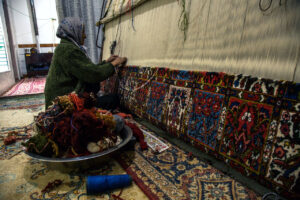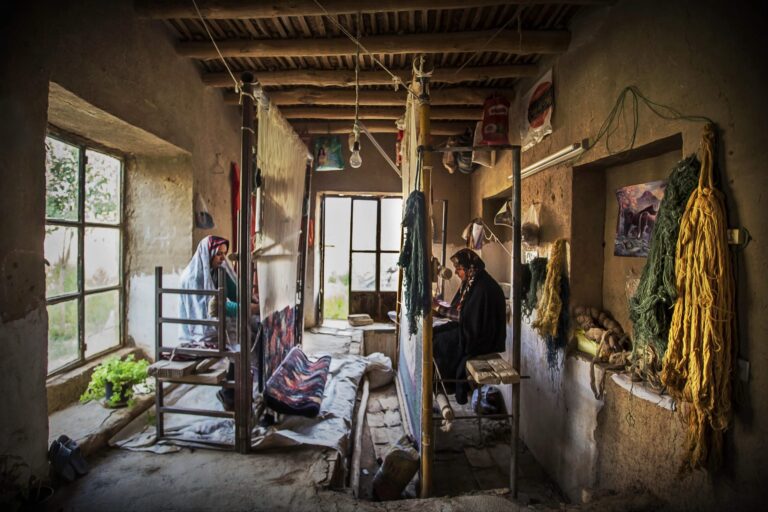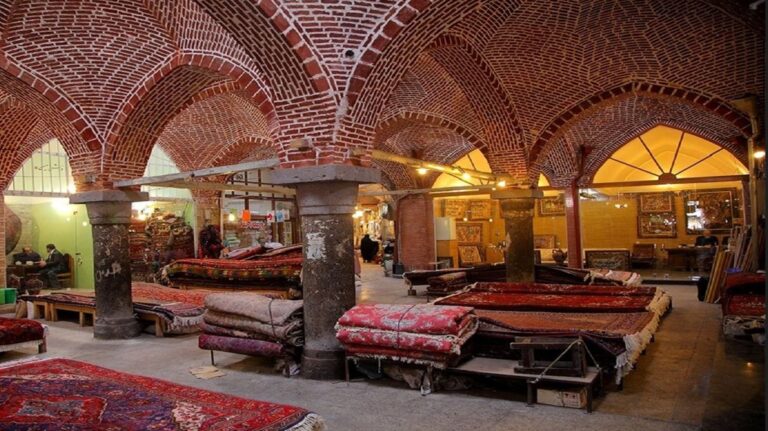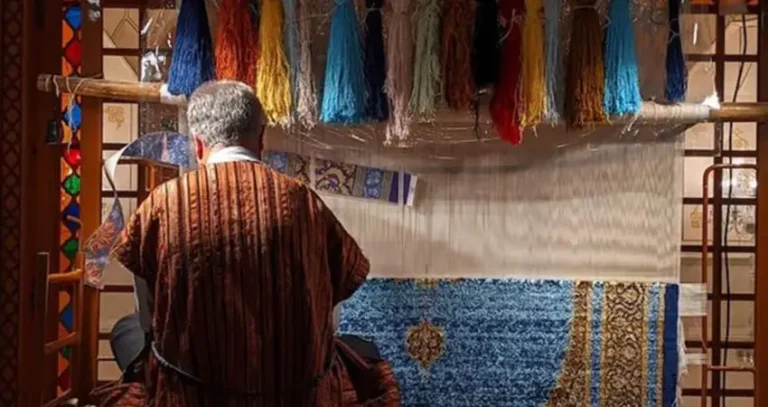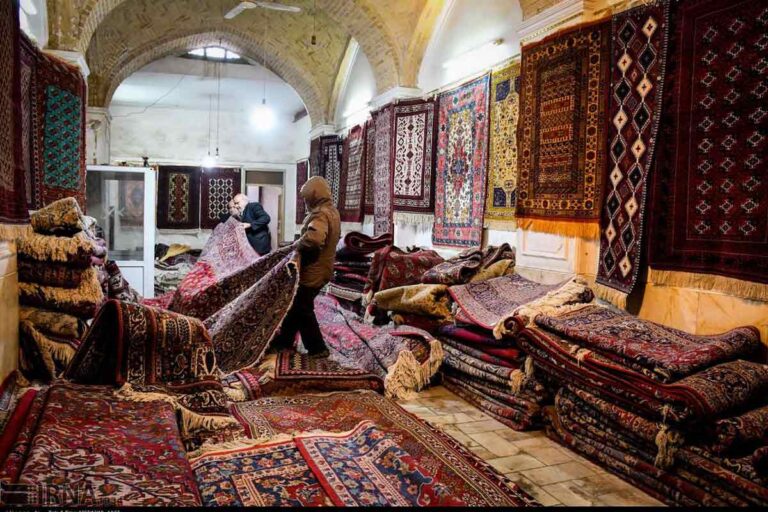
Handwoven carpets are undeniably one of Iran’s most iconic and treasured art forms. So much so that for many people around the world, Iran is synonymous with its carpets. Long before the rise of modern media—satellite TV, websites, social networks, and even the widespread use of print—Persian carpets served as visual ambassadors of Iranian culture and craftsmanship. These masterpieces captivated global audiences and became subjects of admiration and study, to the extent that the phrase “Persian Carpet” has become a metaphor for elegance, refinement, and timeless value in English.

Here are 10 fascinating facts about Persian handwoven carpets you may not know:
1. The World’s Oldest Carpet
The oldest known handwoven carpet in the world is the Pazyryk Carpet, an Iranian creation estimated to be over 2,500 years old. Discovered in the frozen tombs of Siberia, this artifact testifies to the advanced carpet weaving skills of ancient Iranians.

2. Unmatched Design Diversity
Iranian carpets boast over 2,000 unique patterns, including floral, geometric, hunting scenes, and pictorial designs. Every region—and sometimes even a single village—has its own distinct style. For instance, antique carpets from the small village of Mishan near Malayer (now home to fewer than 1,000 people) are highly prized by collectors worldwide.

3. Naturally Dyed Colors
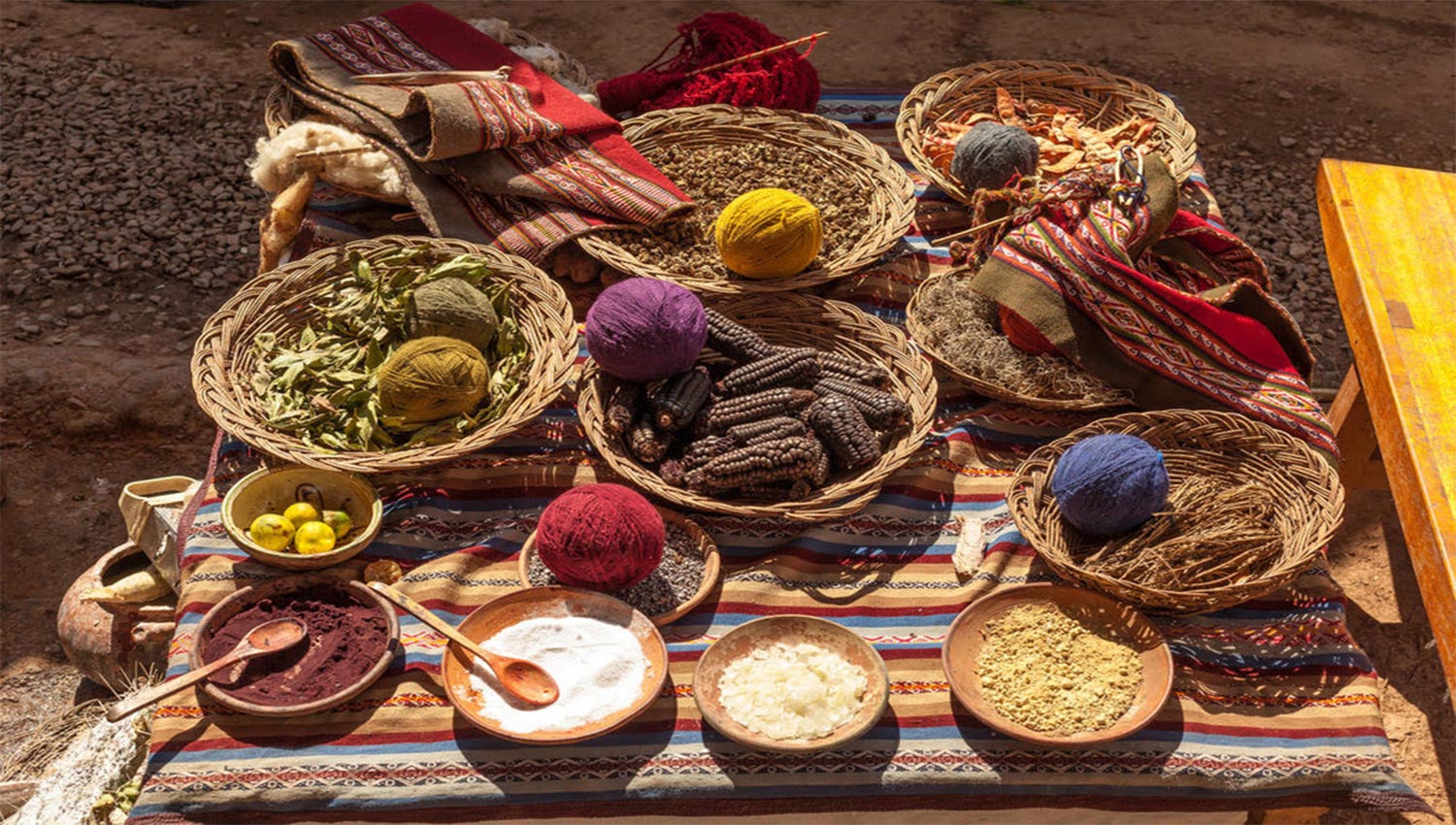
Traditional Persian carpets are dyed using natural sources like plants, roots, and even insects (e.g., cochineal for red). These dyes, applied to wool or silk threads, result in rich colors that not only age gracefully but also retain their vibrancy for decades.
4. Hand-Tied Knots
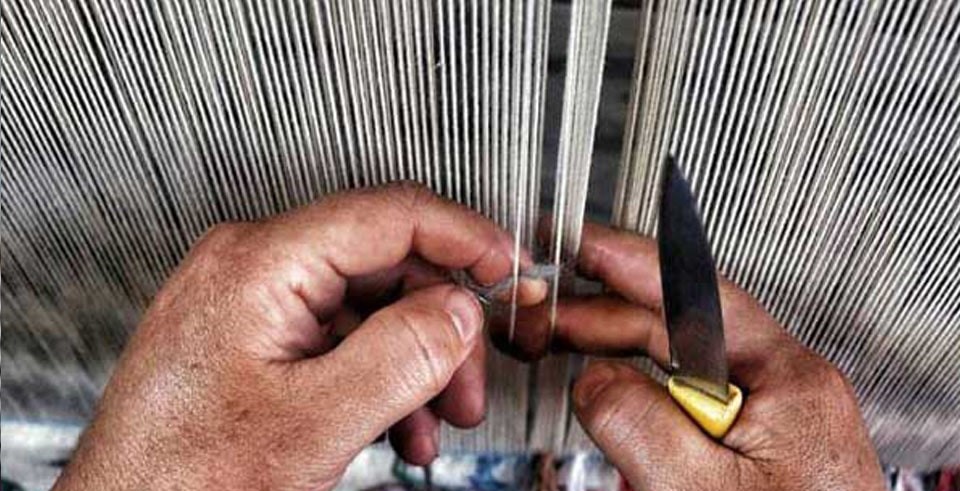
Each Persian carpet is made knot by knot, entirely by hand. The knot density (measured in knots per square inch or square meter) is a key indicator of the carpet’s quality—some pieces exceed 1 million knots per square meter. The two main knot types are the Persian knot (asymmetrical) and the Turkish knot (symmetrical), each common in different regions.
5. Symbolic Language
Many designs in Persian carpets carry symbolic meaning. For example, the Tree of Life represents eternity, while the boteh (paisley) motif symbolizes fertility and blessing. Tribal carpets often feature motifs unique to a specific ethnic group or clan, turning each rug into a coded cultural message.
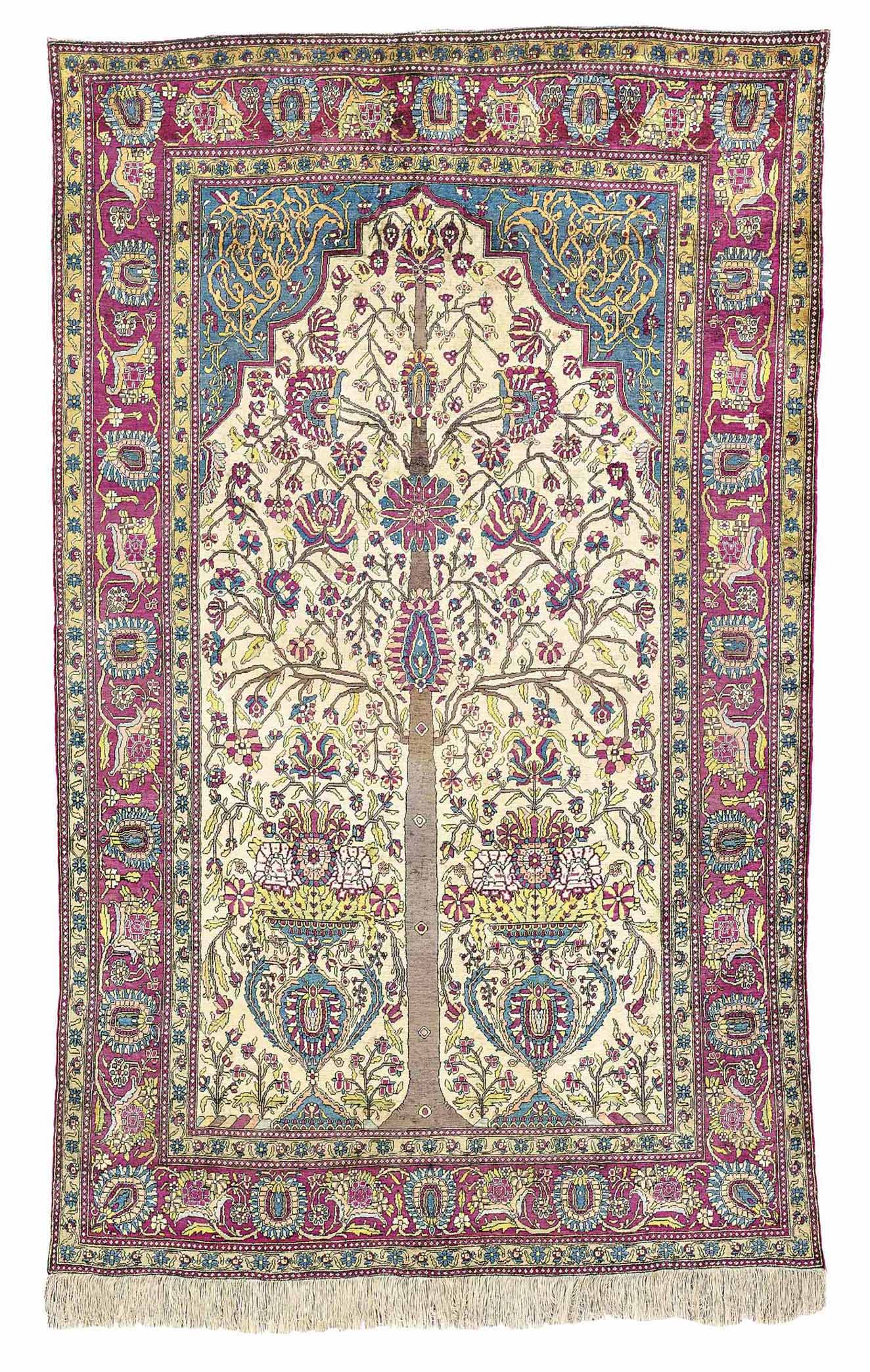
6. Pictorial Carpets
Some rare Persian carpets depict human figures, animals, or historic scenes instead of traditional motifs. These are often custom commissions and are considered especially rare and valuable. While pictorial carpets have become more common in recent years in the form of tapestry-style wall rugs, they were historically rare works of art.
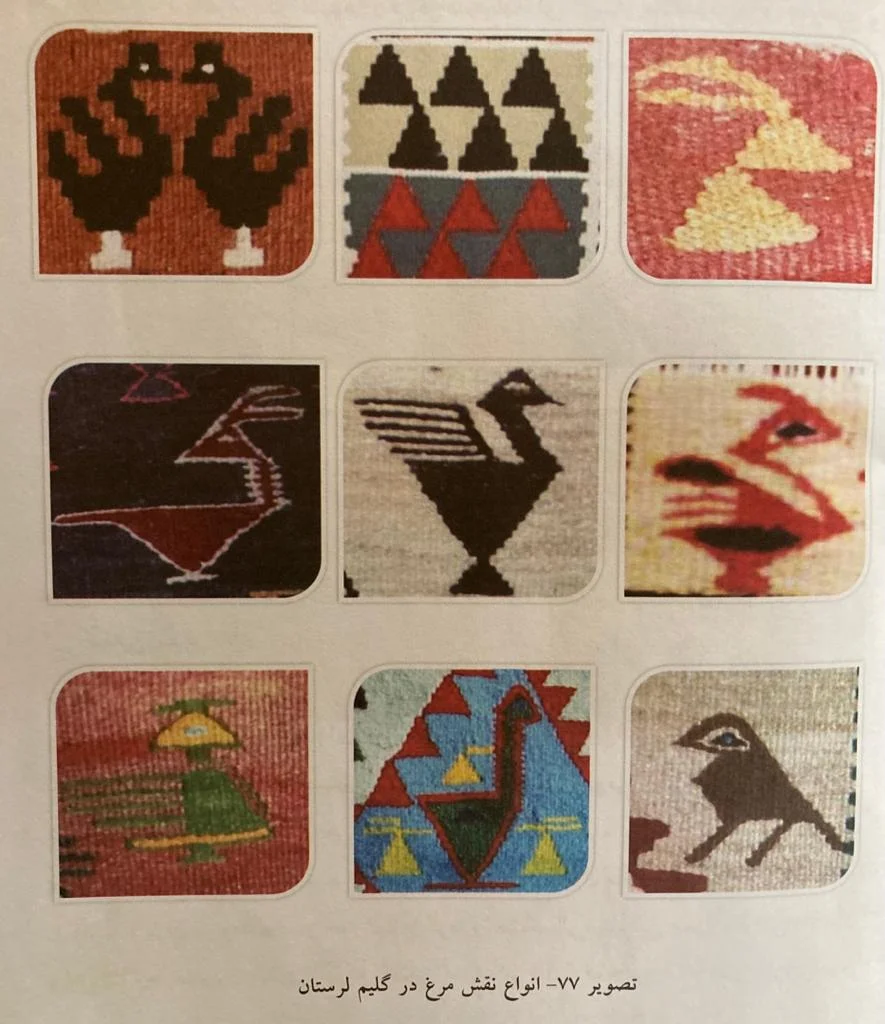
7. Double-Faced Carpets
Certain Persian carpets are woven in a way that both sides can be used. Known as double-faced rugs, these pieces demonstrate extraordinary weaving skill. Interestingly, the front and back may feature entirely different designs.

8. Museum Treasures
Persian carpets are proudly displayed in some of the world’s most prestigious museums, including the Louvre in Paris, the Metropolitan Museum in New York, and the Victoria & Albert Museum in London. These carpets are recognized not just as decor, but as cultural treasures.

9. The Signature Persian Red
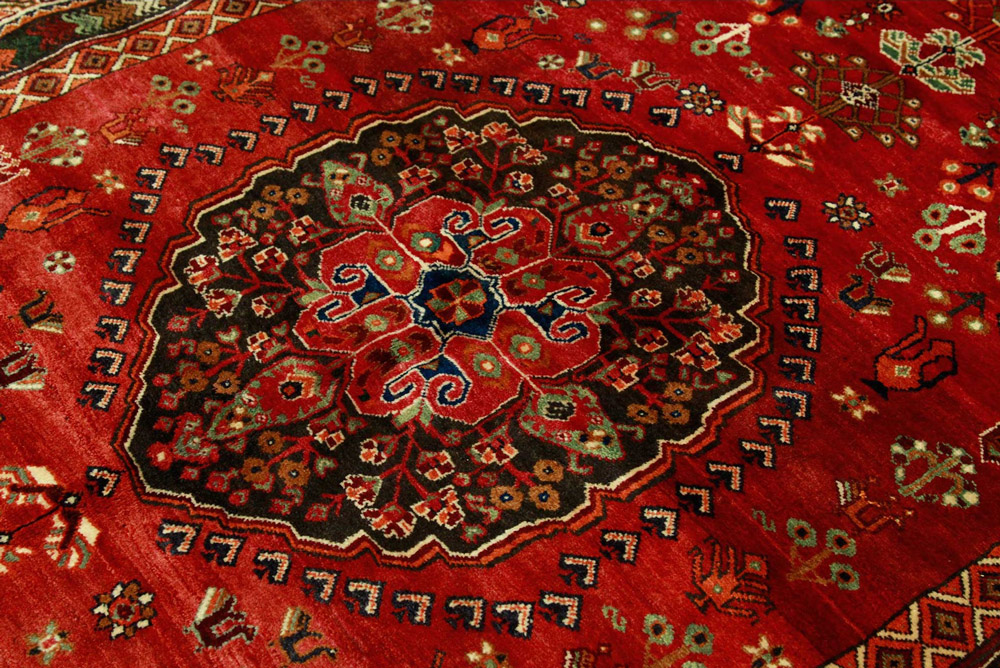
Persian carpets are famously known for their rich crimson and burgundy tones, often referred to as Persian Red in the art and design world. This distinct color has earned international fame and is still widely associated with Iranian rug-making.
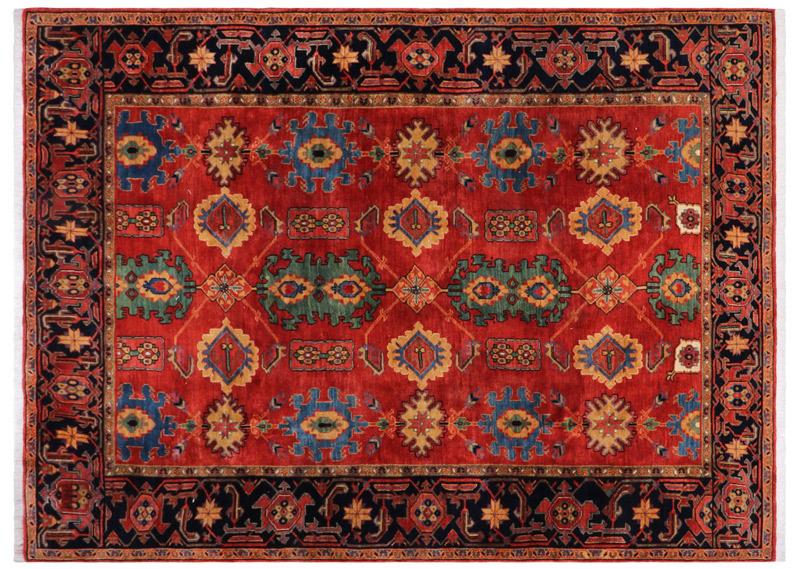
10. Nomadic Mind-Woven Carpets
Carpets made by nomadic tribes such as the Qashqai and Bakhtiari are famous for their geometric patterns and natural dyes. Often woven entirely from memory without any drawn plan (called mind-woven carpets), these rugs possess a raw and unique artistic authenticity that has captivated international collectors.