Artistry Unveiled: The Masterful Craftsmanship of Isfahan Carpets
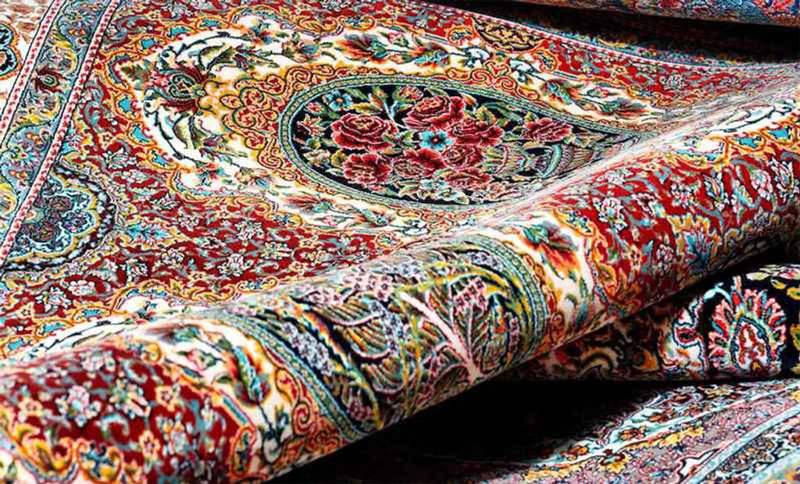
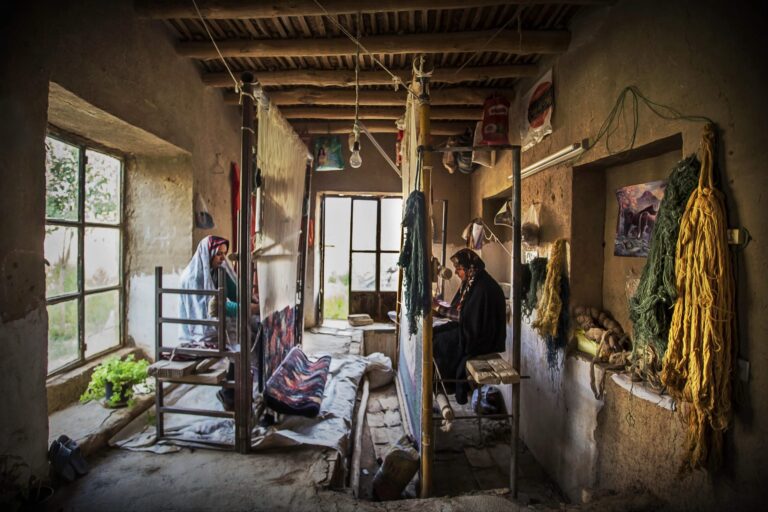
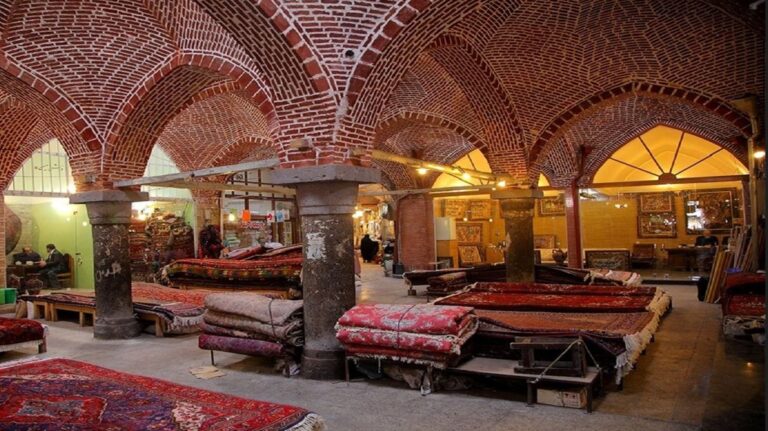
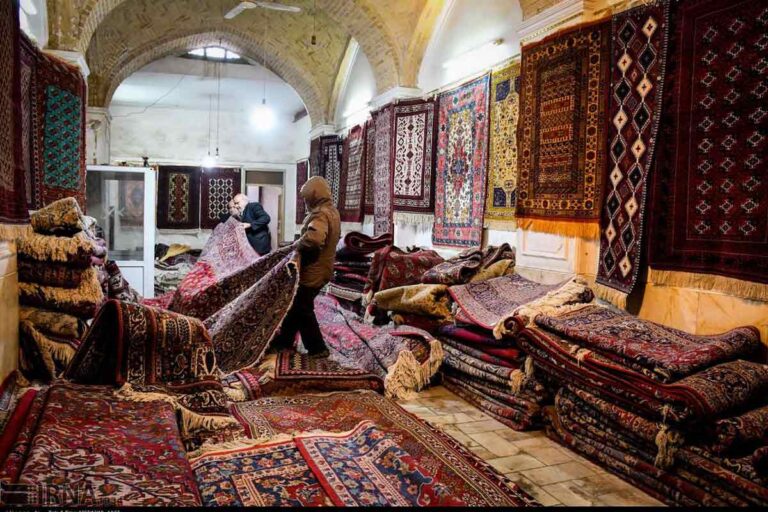
Isfahan Carpets, among the most beautiful urban-style carpets in the country, owe their contemporary allure to designers such as Master Eisa Bahadori, Farshchian, Haghighi, Arabzadeh, and others. Handwoven Isfahan carpets are known for their intricate patterns and delicate texture, offering such diversity that buyers find themselves in a dilemma of choices.
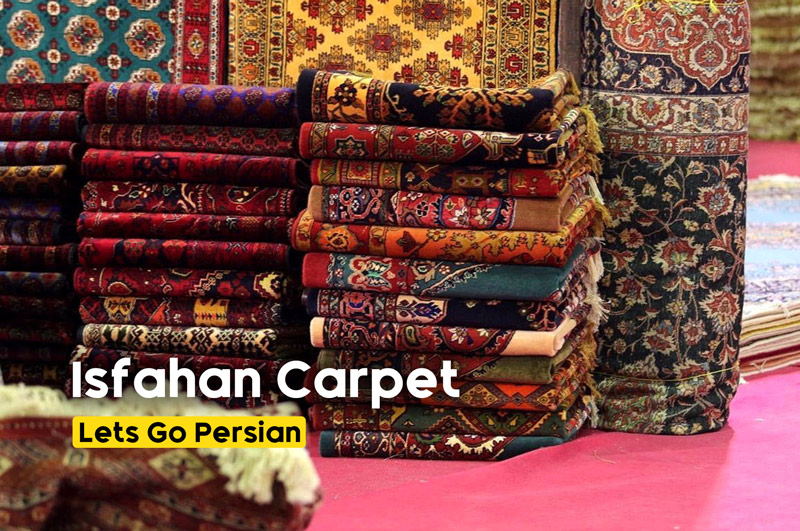
Since the Safavid era, Isfahanians have excelled in carpet weaving, producing the finest and most luxurious pieces. Despite setbacks in design and production, particularly during the Afghan invasions, Isfahanians, over time, have regained their prominence. They are recognized as some of the most creative designers and weavers globally, with their art transcending borders.
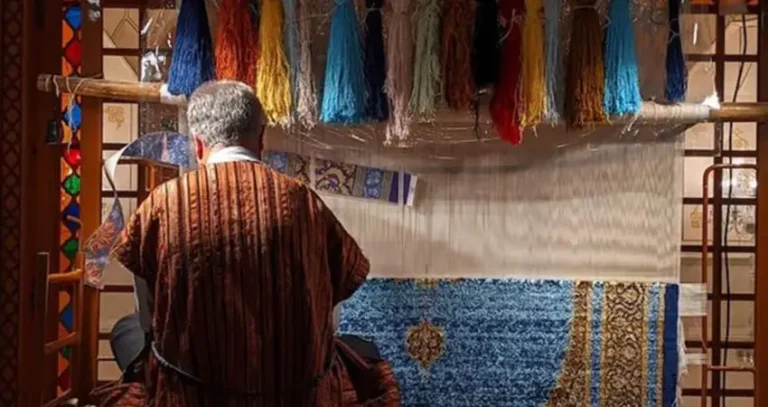
One distinctive Isfahan design is the carpet crafted for the Grand Mosque of Muscat, Oman, covering an area of 5,000 square meters. It features the Sheikh Lotfollah Mosque pattern, inspired by Islamic and botanical motifs and animal and foliage designs. This unique and delicate carpet has showcased one of Iran’s most exceptional carpets worldwide, turning the mosque into a tourist attraction.
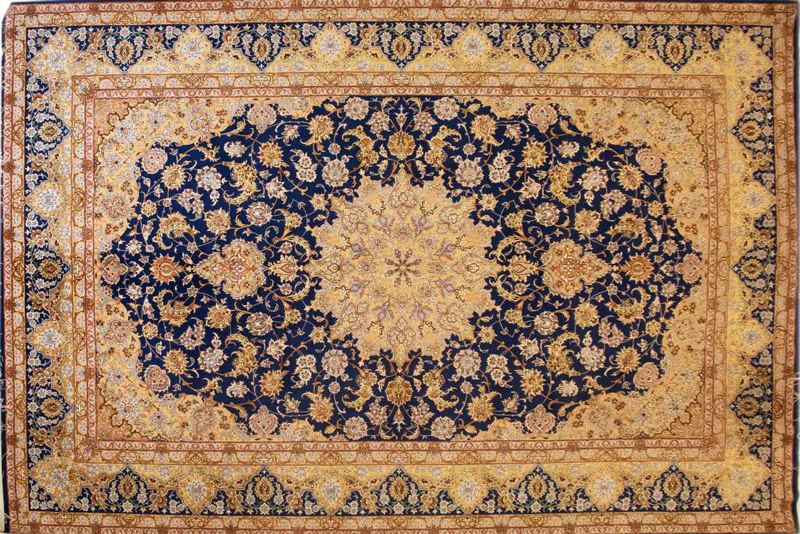
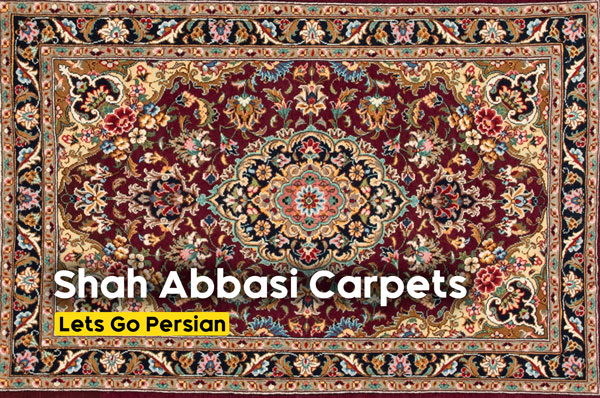
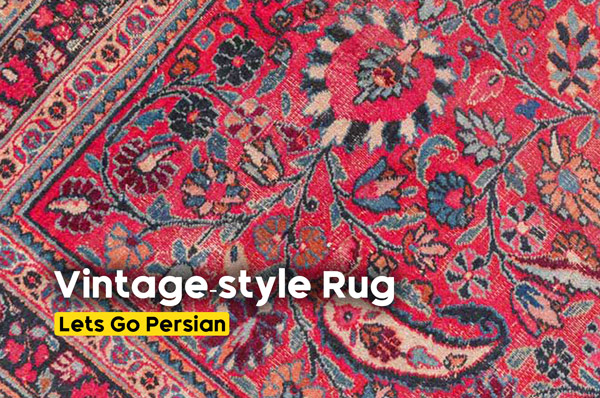
Isfahan designers excel in classic pattern designs, creating the most diverse patterns with skilled weavers using the most delicate knots. Traditional Isfahan carpets typically use the Lachak and Toranj structures, with Islamic patterns and beautiful flowers adorning the entire rug, creating a mesmerizing visual spectacle. Other designs, such as the Sheikh Lotfollah Mosque, Shah Abbasi, Termeh, and more, showcase different structures.
In terms of colors, Isfahanians typically employ vibrant or subdued tones, such as Laki, Lajvardi, Runasi, blue, cream, khaki, smoky, pink, and light green, to attract carpet enthusiasts. Traditionally, Isfahan carpets were dyed using natural colors, but this traditional method is less common now due to certain constraints. The color palette used in Isfahan carpets has remained unchanged for the past century.
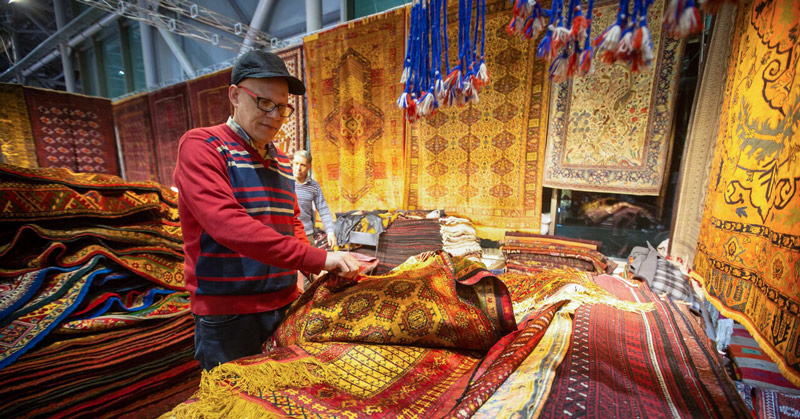
Unlike their neighbors, the Fars and Bakhtiari, Isfahan carpet weavers use the Persian knot. They use top-quality wool, silk, and sometimes even silk for weaving, with rug counts ranging from 50 to 70 knots per square inch.
Isfahan weavers respond to market demands, weaving carpets with various raw materials, but most of their rugs are of high quality. Some mats feature silk flowers, adding a unique luster. Isfahan carpets come in multiple sizes, from Zara and a half (covering one and a half square meters) to at least 12 square meters.