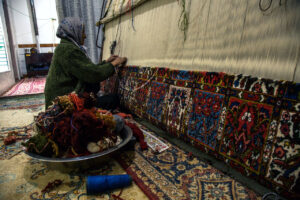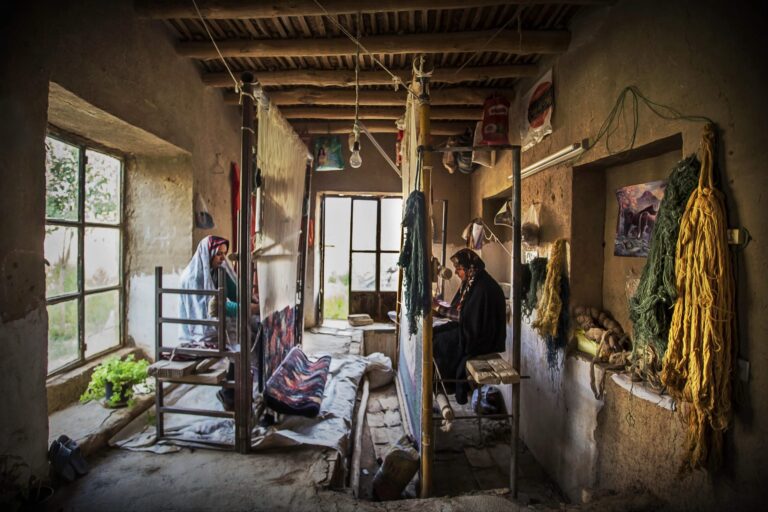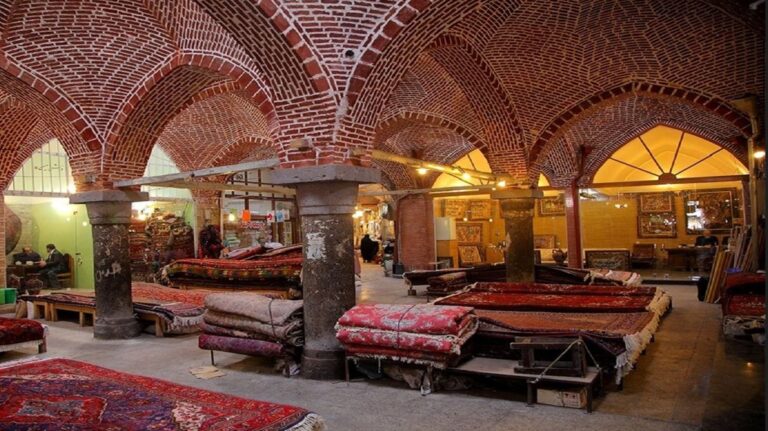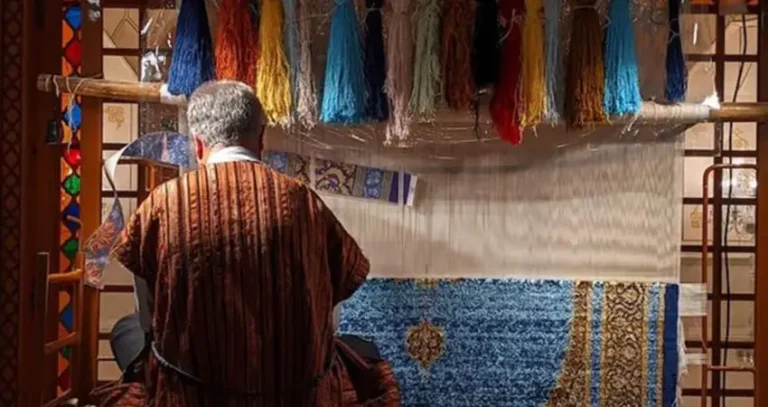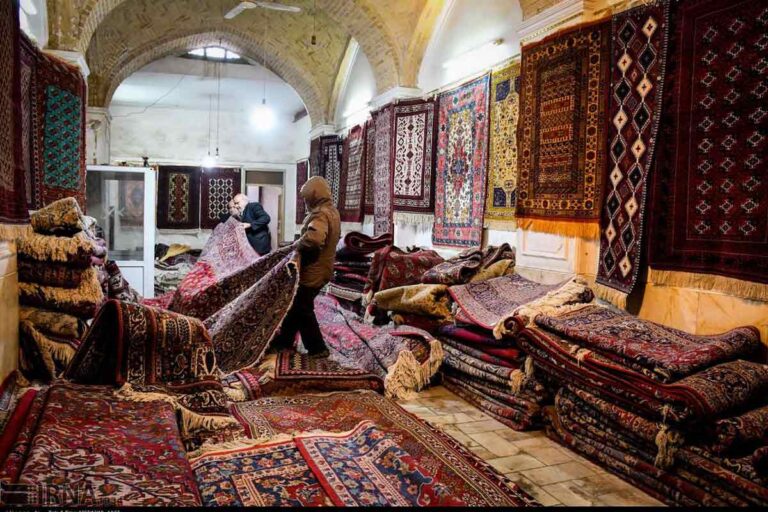
Handwoven kilims are among the oldest and most authentic types of flatwoven textiles in Iran. Their distinct colors, geometric designs, and cultural symbolism have made them treasured decorative elements in traditional homes and rural interiors.
But what exactly is a kilim, and how do they differ from other handmade rugs?
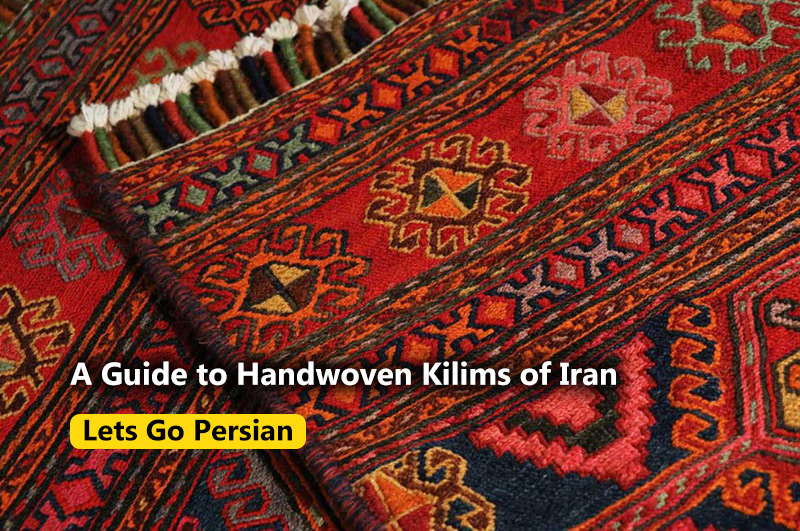
What Is a Kilim?
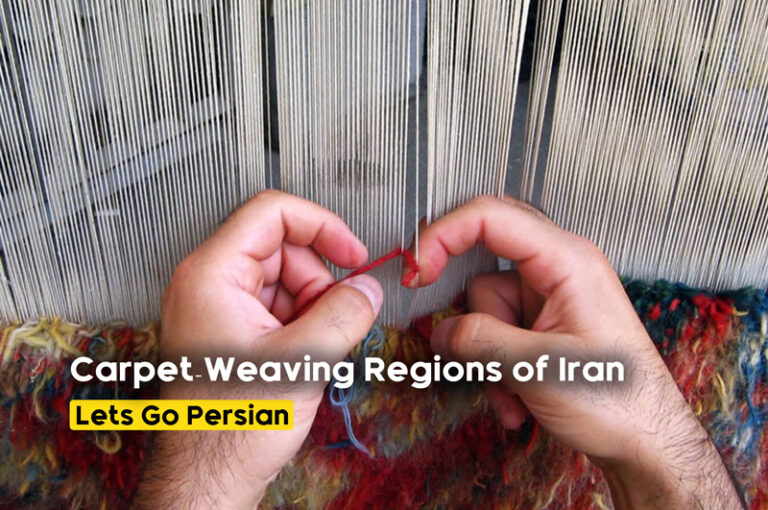
A kilim (also known as gelim, kelim, or gilim in various languages) is a flatwoven rug made without pile, using only warp and weft threads. This technique produces a thin, durable textile with a flat surface. Unlike knotted carpets, kilims have no pile and are woven using a method of interlacing colored wefts through the warps.
Historically, kilims were not just floor coverings—they were part of everyday tribal life, used as wall hangings, saddle covers, storage bags, bedding, cushions, and even prayer rugs. Their symbolic patterns and motifs often conveyed messages about the weaver’s heritage, beliefs, and environment.
Kilims are made in many regions, including Iran, Turkey, North Africa, the Balkans, the Caucasus, Afghanistan, Central Asia, Pakistan, and China. Although they’re often grouped under the umbrella of “Oriental rugs,” their techniques, patterns, and cultural significance make kilims a category of their own.

What Makes Kilims Unique?
The primary difference between kilims and other types of rugs lies in the weaving technique. In kilim weaving:
Colored weft threads are passed over and under warp threads to form the design.
The weft completely covers the warp, creating a smooth, reversible surface.
There is no knotting, which distinguishes them from pile rugs.
Weavers typically use wool wefts and cotton or wool warps, and patterns are often formed with sharp geometric shapes, such as diamonds, medallions, or stripes. While floral kilims exist, bold angular designs dominate.
The weaving process allows more freedom in creating intricate patterns, which is why kilims are celebrated for their colorful, sharp, and symmetrical motifs.
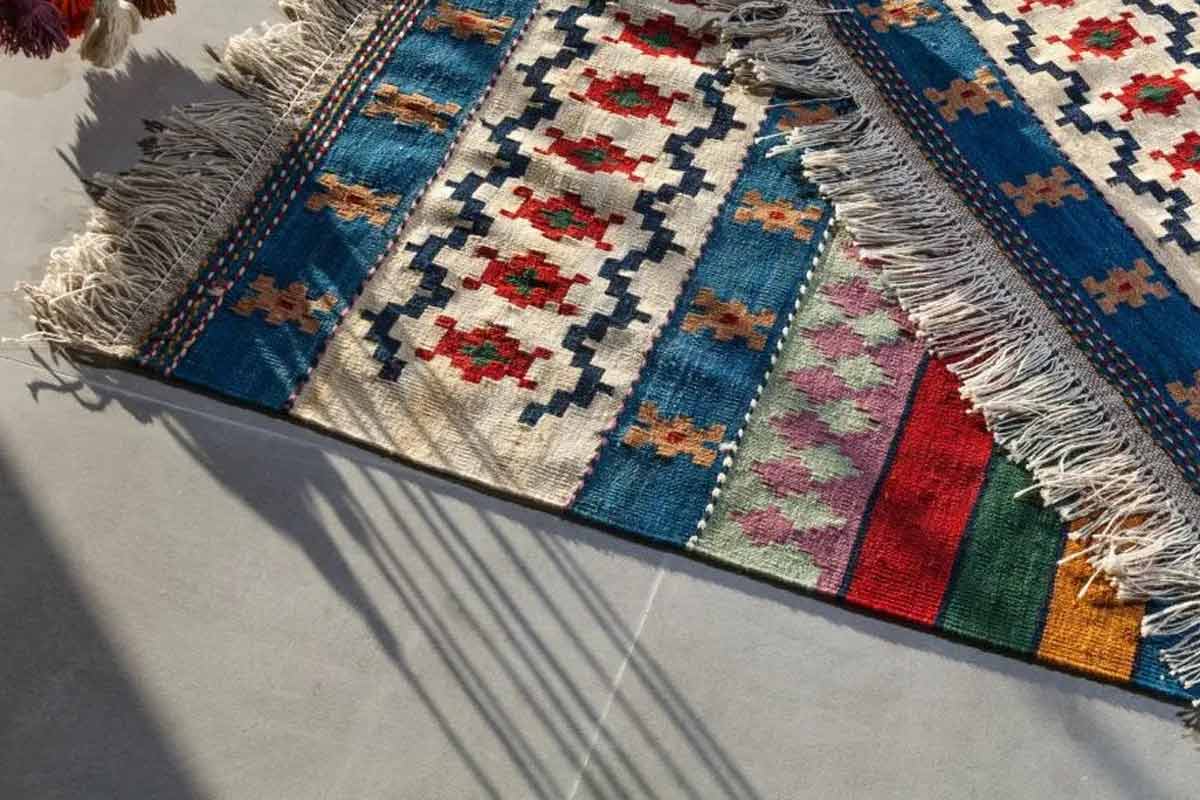
Key Types of Iranian Kilims
Iran’s diverse ethnic and geographic makeup has given rise to numerous kilim styles, each with distinct visual features and cultural stories. Here are some of the most well-known:
Qashqai Kilim
Qashqai kilims are woven by the nomadic Qashqai tribes of southwestern Iran. Known for their vivid colors, geometric repetition, and symbolic motifs, these kilims are crafted using both wool and cotton. In 2013, Qashqai kilims were awarded the UNESCO Seal of Excellence. Common designs include:
Medallion (lachak-toranj) layouts
Striped patterns (moharramat)
Compositions combining various tribal symbols

Qashqai Kilim
Sirjan Kilim
Woven in Daristan village of Sirjan County (Kerman Province), these kilims are distinguished by their freestyle weaving and abstract patterns. Designs are often drawn from the weaver’s memory rather than from a written plan, inspired by traditional Afshar motifs.

Shahsavan Kilim
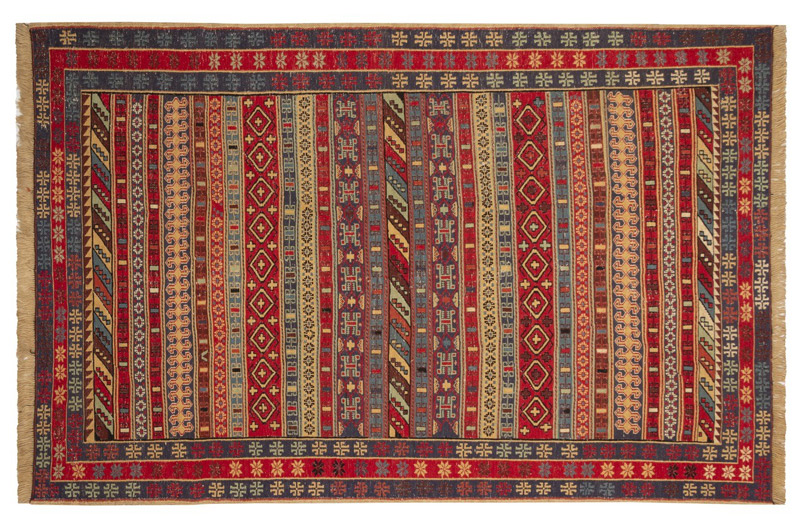
The Shahsavan are a Turkic-speaking tribal group primarily located in northwest Iran—including Moghan Plain, Ardebil, Kharaqan, and Hamedan. Shahsavan kilims are known for:
Strong tribal geometric patterns
Subtle colors
Regional distinctions like Shahsavan of Moghan, Heshtroud, or Varamin
Shahsavan Kilim
Sanandaj (Seneh) Kilim
Originating from Kurdistan’s capital Sanandaj, these are among the most refined kilims in Iran. Features include:
Delicate floral motifs
Central medallions
Light, detailed, symmetric patterns
Seneh kilims are appreciated for their elegance and are often used in formal spaces.

Cultural Significance and Modern Use
Kilims are not just decorative textiles—they are woven history. The motifs often include symbols of fertility, protection, nature, and spiritual beliefs. Passed down through generations, these patterns preserve regional identities and cultural memory.
Today, kilims are appreciated for both their traditional authenticity and modern versatility. Their lightweight structure, durability, and compact size make them ideal for:
Contemporary interiors
Wall décor
Accent layering under furniture
Their affordability compared to pile carpets also makes them popular among collectors and design lovers alike.
Final Thought
From Qashqai brilliance to Shahsavan subtlety, each kilim tells a story of place, people, and purpose. These flatwoven masterpieces are more than just rugs—they’re living symbols of Iranian heritage, craftsmanship, and soul.
Which kilim style do you love most?
Share your thoughts or photos with us—we’d love to see how you incorporate kilims into your space.
Would you like this version paired with a visual gallery, interactive region map, or downloadable PDF guide to kilim types? Let me know!