Buying Persian Carpet in Greece: Craftsmanship Meets Classical Taste
Greece’s cultural affinity for art, elegance, and Mediterranean design makes it a fitting market for Persian carpets. Whether decorating a neoclassical home in Athens or a modern flat in Thessaloniki, Persian rugs add timeless character and prestige.
Where to Buy Persian Carpets in Greece
1. Rug Shops and Antique Dealers in Athens
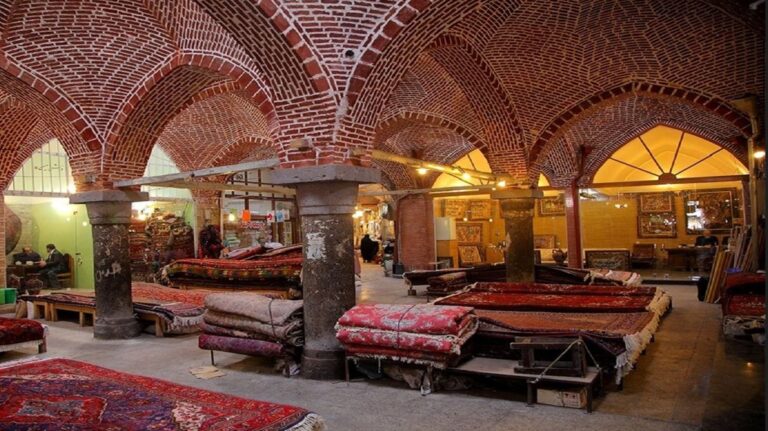
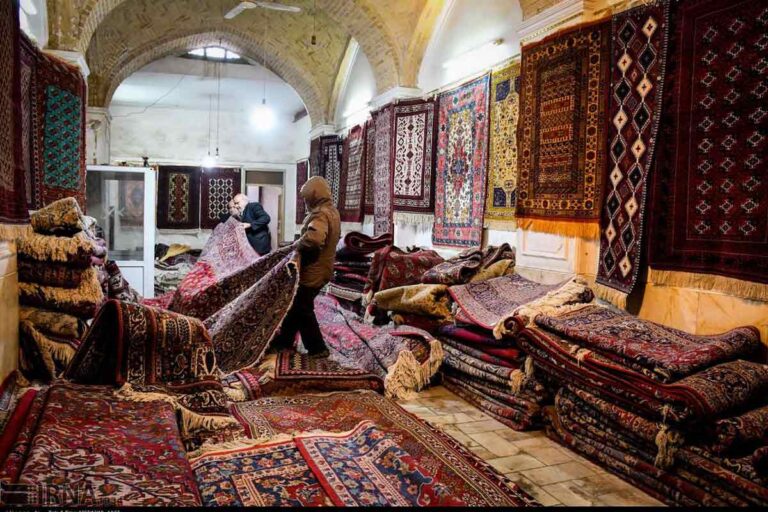
Neighborhoods like Kolonaki, Plaka, and Monastiraki feature high-quality carpet galleries and antique stores selling authentic Persian rugs, especially from Tabriz, Kashan, and Isfahan.
2. Interior Design Studios and Home Boutiques
Luxury decor shops and design firms in Athens, Thessaloniki, and Glyfada often carry or custom-source Persian carpets for clients.
3. Online Greek Retailers and Marketplaces
Websites like Spitishop.gr, Skroutz.gr, and Greek Etsy sellers list Persian rugs. Always check for terms like “χειροποίητο περσικό χαλί” (handmade Persian rug) and verify origin.
4. Iranian Cultural Events and Embassy Exhibitions
Occasional exhibitions in Athens or cultural weeks hosted by Iranian embassies may feature handmade Persian rugs directly from Iranian artists.
5. Social Media Sellers and Importers
Some importers sell through Instagram or Facebook with options for home delivery and viewings by appointment. Always ask for photos of the back weave and certificate of authenticity.
Popular Persian Rugs in Greece
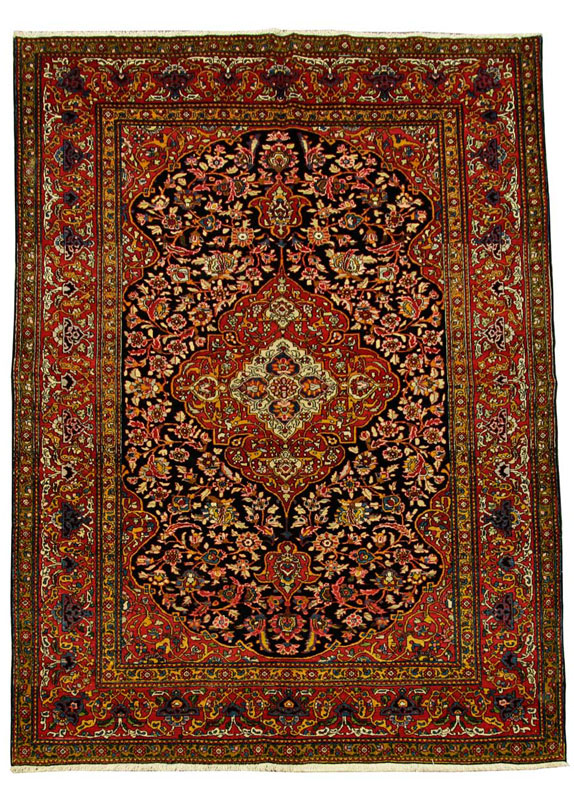
- Isfahan & Kashan: Popular for elegant Greek interiors.
- Qom Silk: Ideal for collectors and luxury settings.
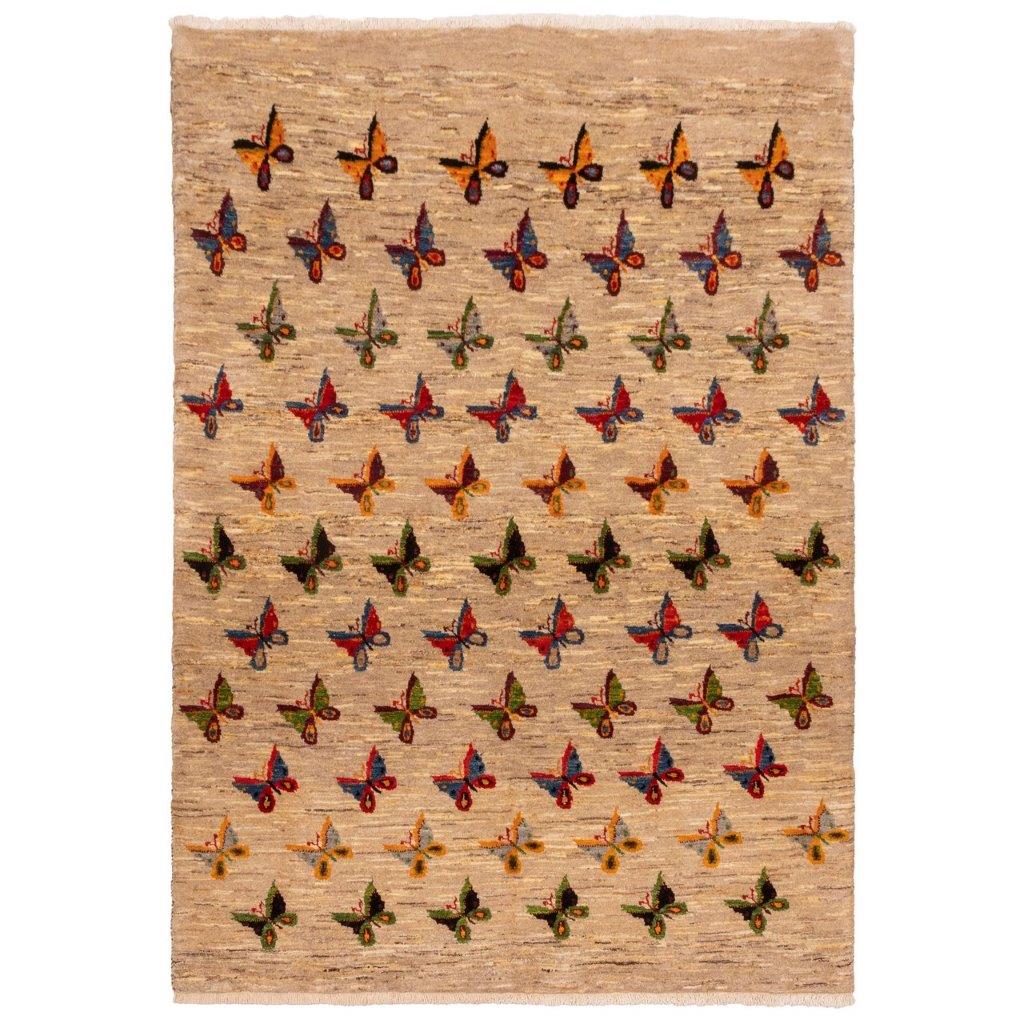
- Gabbeh & Tribal Rugs: Used in contemporary or artistic homes.
- Heriz & Bidjar: Durable and great for family living areas.
Estimated Prices in Greece (EUR)
- Gabbeh / Tribal Rugs: €400 – €1,200
- City Rugs (Isfahan, Tabriz, Kashan): €1,200 – €5,000
- Qom Silk Rugs: €3,000 – €15,000+
- Antique / Collector Rugs: €6,000 – €50,000+
Tips for Greek Buyers
- Confirm the rug is hand-knotted (χειροποίητο) and from Iran.
- Request a certificate of authenticity and origin.
- Compare online prices to in-store showrooms.
- Check for natural materials (μαλλί = wool, μετάξι = silk).
Greece has a long tradition of appreciating craftsmanship, artistry, and timeless design. From neoclassical apartments in Athens to stone-built homes on the islands and contemporary villas overlooking the Aegean Sea, Greek interiors often balance history with modern living. Authentic Persian carpets fit naturally within this environment, bringing warmth, character, and cultural depth to spaces that value beauty and permanence.
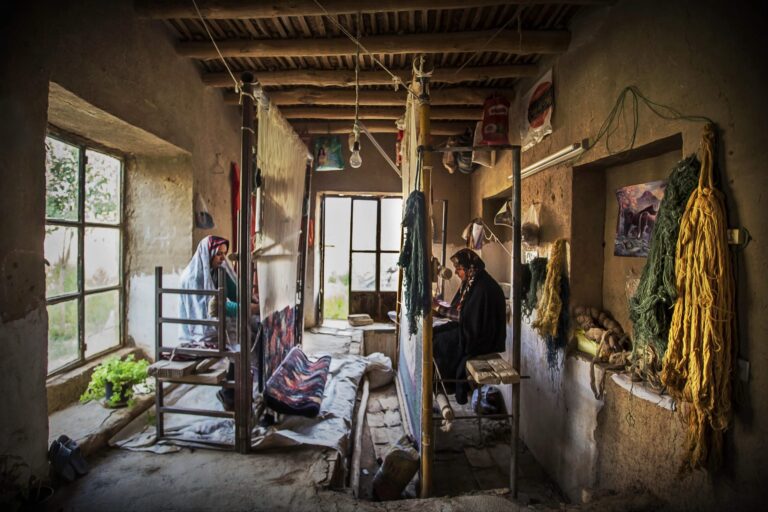
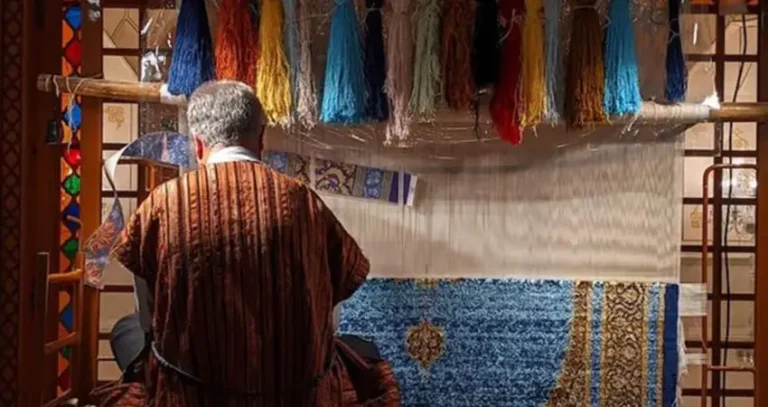
Unlike mass-produced rugs, a handmade Persian carpet carries the individuality of its weaver and the heritage of its region. For many buyers in Greece, a Persian carpet is not simply a floor covering but a piece of functional art that contributes to the identity of a home.
Whether furnishing a luxury residence in Athens, a villa in Mykonos, a traditional property in Crete, or a boutique hotel in Santorini, Persian carpets offer a level of craftsmanship and authenticity that few furnishings can match.
Why Persian Carpets Appeal to Greek Buyers
A Shared Appreciation for Heritage
Greek architecture, art, and design are deeply connected to history and craftsmanship.
Persian carpets resonate with buyers who appreciate:
Handmade quality / artistic tradition / natural materials / cultural heritage / long-term value.
Like fine marble, handcrafted furniture, or traditional stonework, a Persian carpet represents an investment in enduring craftsmanship.
Warmth for Stone and Marble Interiors
Many Greek homes feature:
Marble flooring / stone surfaces / white walls / natural light / minimalist furnishings.
Persian carpets introduce texture, color, and visual warmth while preserving the elegance of these spaces.
The contrast between handcrafted textiles and architectural simplicity often creates particularly memorable interiors.
Persian Carpets in Athens Apartments and Contemporary Homes
Modern homes in Athens frequently combine:
Natural stone / contemporary furniture / clean architectural lines / curated artwork.
Persian carpets provide a focal point that anchors the room and softens modern materials.
Many interior designers intentionally pair Persian rugs with contemporary furniture to create interiors that feel collected rather than staged.
Expert Tip
For contemporary apartments in Athens, Nain and Isfahan carpets often work exceptionally well because their refined designs and lighter tones complement modern interiors without overwhelming them.
Persian Carpets for Island Villas
Luxury homes in Mykonos, Santorini, Paros, and Crete often emphasize:
Natural light / whitewashed interiors / sea views / organic materials.
These spaces benefit from Persian carpets that introduce subtle color and texture.
Particularly suitable choices include:
Nain carpets with ivory backgrounds / elegant Isfahan rugs / fine Tabriz pieces with balanced color palettes.
These carpets add sophistication while maintaining the relaxed atmosphere associated with Mediterranean living.
Persian Carpets in Historic Greek Properties
Greece contains countless historic residences, neoclassical buildings, and restored properties.
These interiors often feature:
Decorative ceilings / stone walls / traditional woodwork / period details.
Persian carpets fit naturally within these settings.
Popular choices include:
Kashan carpets for formal rooms / Tabriz rugs for grand salons / Isfahan masterpieces for elegant interiors / Kerman carpets for decorative spaces.
These carpets reinforce the architectural character of historic homes while introducing additional artistic richness.
Why Tabriz Carpets Are Popular in Greece
Among Persian weaving centers, Tabriz carpets enjoy particular popularity with Greek buyers.
Their appeal stems from:
Exceptional craftsmanship / versatile designs / balanced compositions / suitability for both classical and contemporary interiors.
Tabriz carpets are especially valued for:
Fine knotting / elegant medallions / floral motifs / architectural precision.
Because of their adaptability, they work equally well in urban apartments and island residences.
How to Identify an Authentic Persian Carpet
Look Beyond the Pattern
Many rugs imitate Persian designs without sharing the same level of craftsmanship.
Authentic Persian carpets should demonstrate:
Hand-knotted construction / visible knots on the reverse side / natural fibers / regional weaving characteristics / careful finishing.
Understand the Materials
Traditional Persian carpets are woven using:
Wool / silk / cotton.
Natural fibers provide durability, richness of color, and aging characteristics that synthetic materials rarely achieve.
Recognize Regional Styles
Each Persian weaving center has developed a distinct identity.
Tabriz emphasizes detail and precision / Isfahan elegance and refinement / Kashan classical medallions / Qom silk artistry / Heriz bold geometric designs.
Understanding these distinctions helps buyers evaluate authenticity and quality.
Common Mistakes Greek Buyers Make
Selecting a carpet based solely on color / choosing a rug that is too small for the room / focusing only on knot density / overlooking provenance / purchasing without considering the architectural style of the property.
Another common mistake is treating the carpet as an accessory rather than a foundational design element.
The most successful interiors often begin with the carpet and build the room around it.
Persian Carpets as Long-Term Investments
Greek buyers often appreciate products that combine beauty with durability and lasting value.
Persian carpets stand apart because their worth is rooted in craftsmanship rather than fashion.
Their value is influenced by:
Craftsmanship / rarity / materials / provenance / condition / artistic quality / age.
Particularly desirable categories include:
Fine Isfahan rugs / silk Qom carpets / antique Tabriz pieces / exceptional Heriz carpets / rare tribal weavings.
As traditional hand-knotting becomes increasingly uncommon, outstanding Persian carpets continue to attract collectors, designers, and homeowners seeking objects with enduring significance.