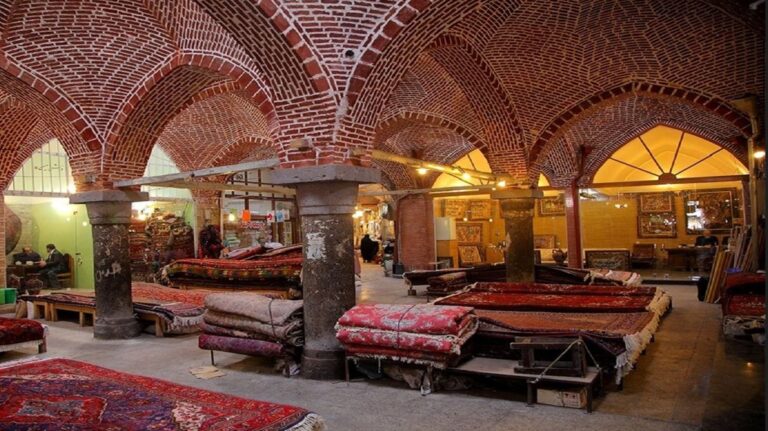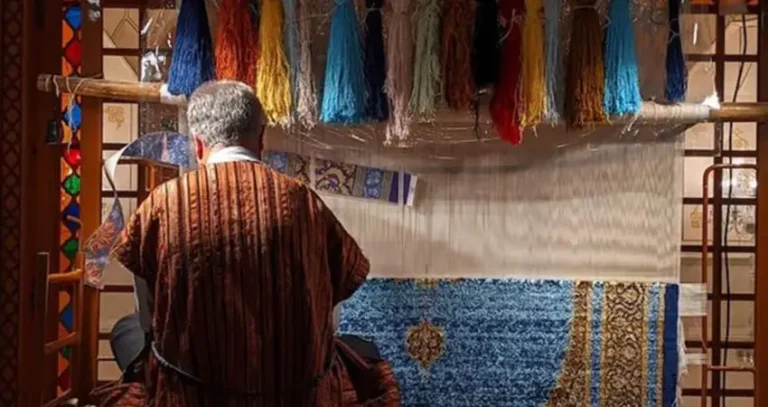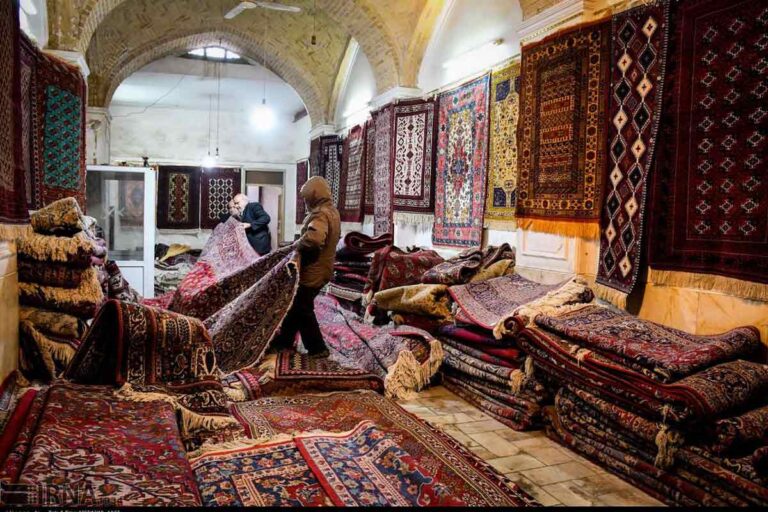
Wool is one of the most essential and foundational materials in the art of Persian carpet weaving. It is used both in the pile and warp and weft of the rug, and its quality directly affects the durability, beauty, and value of the final piece. For generations, master weavers have sought out or even raised their own livestock to ensure access to the finest wool possible.
But not all wool is created equal. Factors such as sheep breed, climate, nutrition, and animal care all influence the fiber’s quality—making it a crucial area of knowledge for serious carpet artisans.
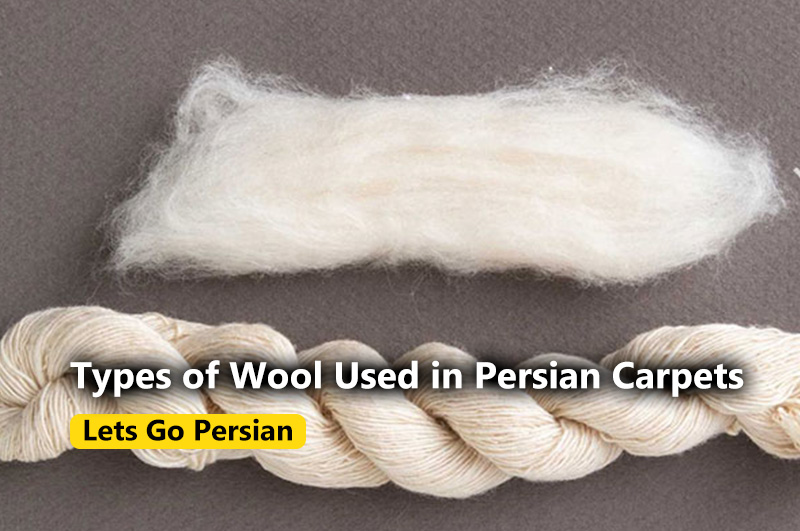
What Makes Wool Different?
Sheep wool differs significantly depending on the breed and regional conditions. Key properties that affect quality include:
Fineness (micron size of the fibers)
Length of the staple
Luster and sheen
Crimp (natural wave)
Color
With expert knowledge, one can even identify the breed of sheep just by examining the wool.
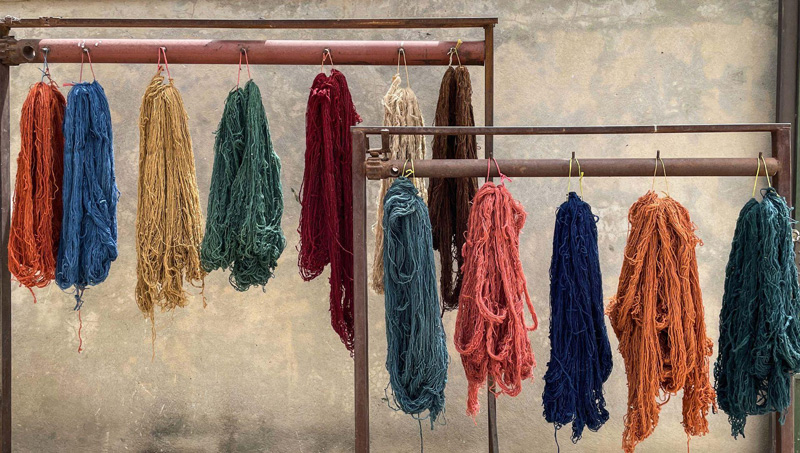
Categories of Wool Based on Shearing and Age
In Iran, wool is traditionally classified based on when and from which sheep it is collected. These classifications are important for selecting the right type of wool for specific weaving techniques and carpet styles:
1. Spring Wool (Pashm-e-Bahari)
Also called first shearing wool, this comes from lambs in their first spring. It’s considered one of the softest and most delicate types of wool and is prized for fine, high-knot-density carpets.
2. Autumn Wool (Pashm-e-Paeizi)
Collected in early autumn (usually October), this is the second shearing. While less fine than spring wool, it’s lighter and has a shorter staple, making it easier to hand-process.
3. Yearling Wool
Comes from sheep that are one year old. This wool is generally strong and healthy, although sometimes slightly shorter in length. In colder, mountainous regions, older sheep may require two shearings per year to maintain wool quality and avoid natural shedding.
4. Ewe Wool (Pashm-e-Mish)
Sheared from fully mature female sheep. If done before lambing, it helps both wool quality and animal health. This wool is dense and durable, ideal for robust weaving.

Types of Inferior or Rejected Wool
While high-quality wool is essential, not all wool is suitable for Persian carpet weaving. Here are types that are generally avoided:
5. Dead Wool or Cotton-like Wool (Pashm-e-Morde)
Taken from dead or sick animals. It lacks natural oils and shine, and doesn’t absorb dye well. Often dry, brittle, and lifeless—it’s rarely used by serious weavers.
6. Tannery Wool (Pashm-e-Dabbaghi)
Removed chemically from sheep hides during leather processing. It lacks softness, crimp, and elasticity. Considered unsuitable and even prohibited in high-end Persian carpet making.
7. Unwashed Wool (Pashm-e-Nashur)
Baled and stored without washing. The remaining grease and moisture may cause spoilage, leading to “wood-like” dry wool. Quality suffers significantly.
8. Old or Recycled Wool (Pashm-e-Kohneh)
Recovered from used textiles, this is second-hand wool. While sometimes reused in mats or coarse rugs, it’s not acceptable for authentic Persian carpets.
9. Wool Waste (Zayeat-e-Pashm)
These are scraps from spinning machines—completely unusable in weaving.
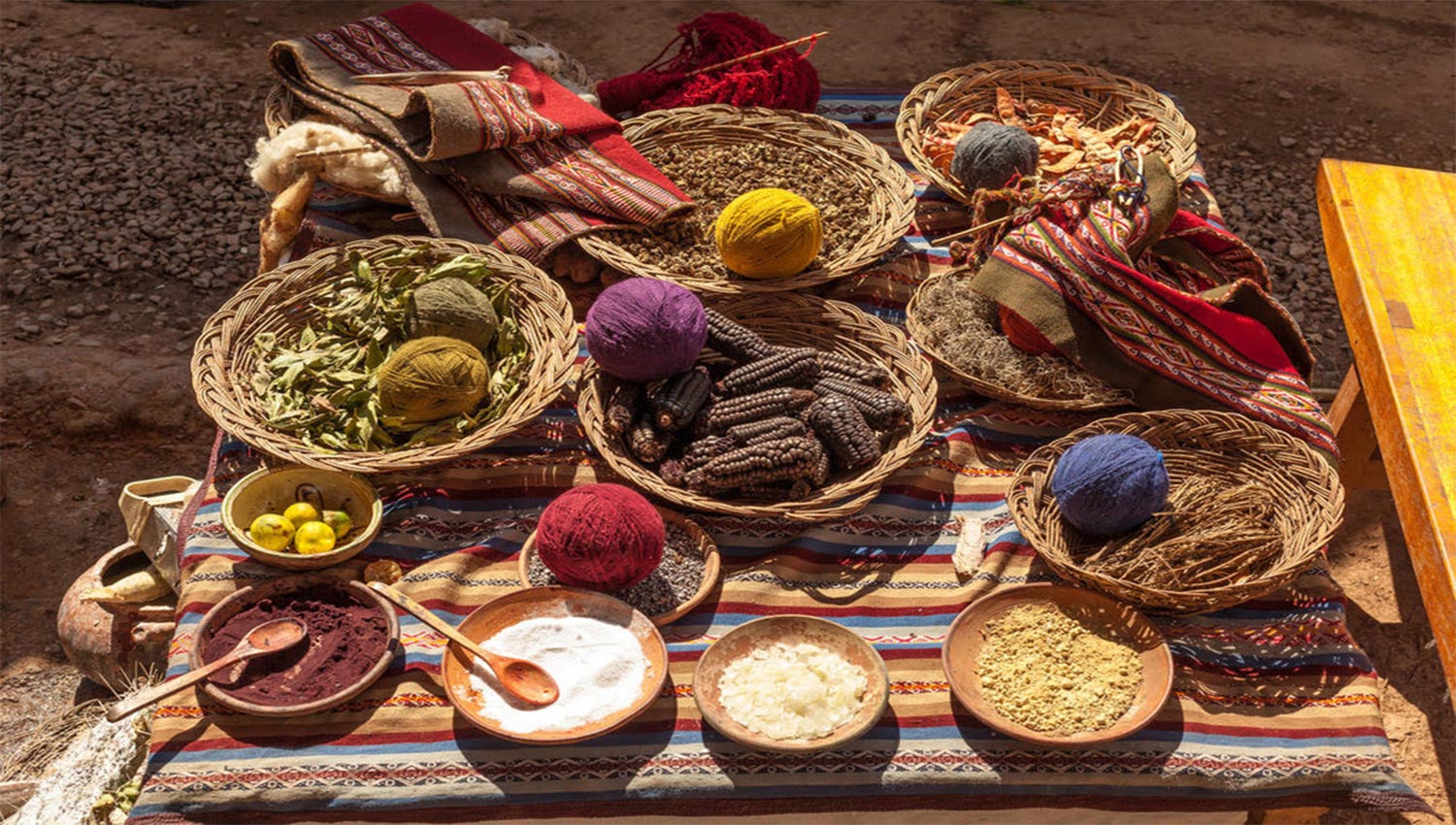
Iran’s Advantage: Diversity of Wool
Thanks to Iran’s diverse climate and geography, carpet weavers have access to a wide range of wool types—each suited for different regional styles and weaving techniques. Whether it’s the ultra-soft wool from the cold highlands or the stronger, coarser varieties from desert plains, each type contributes to the distinctive beauty of Persian handmade carpets.