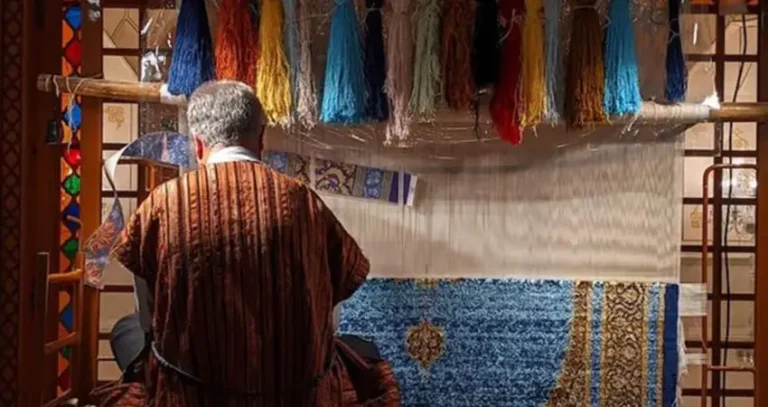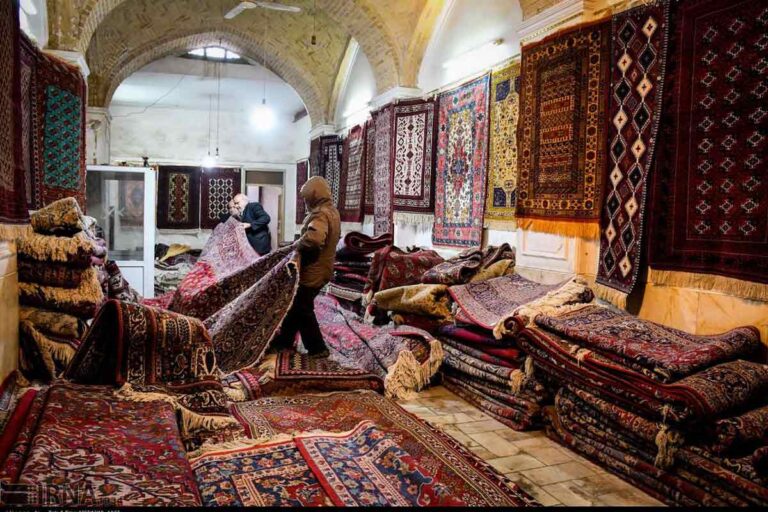


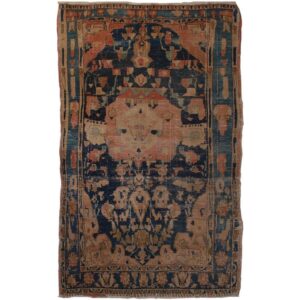
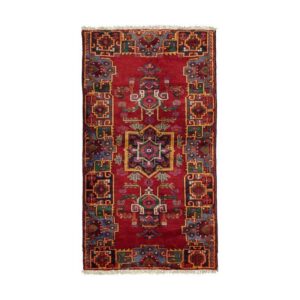
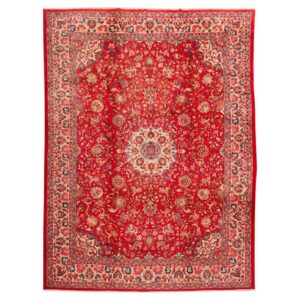
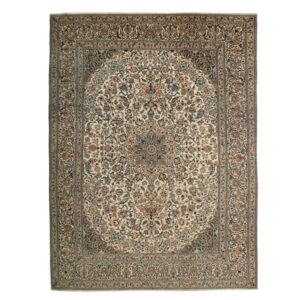

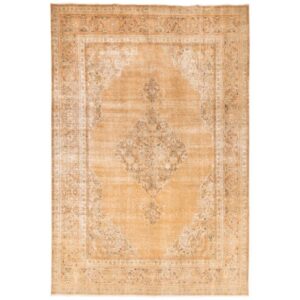
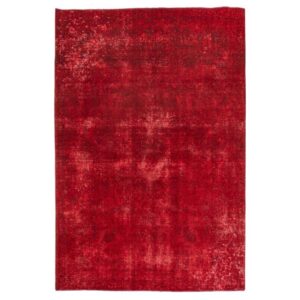
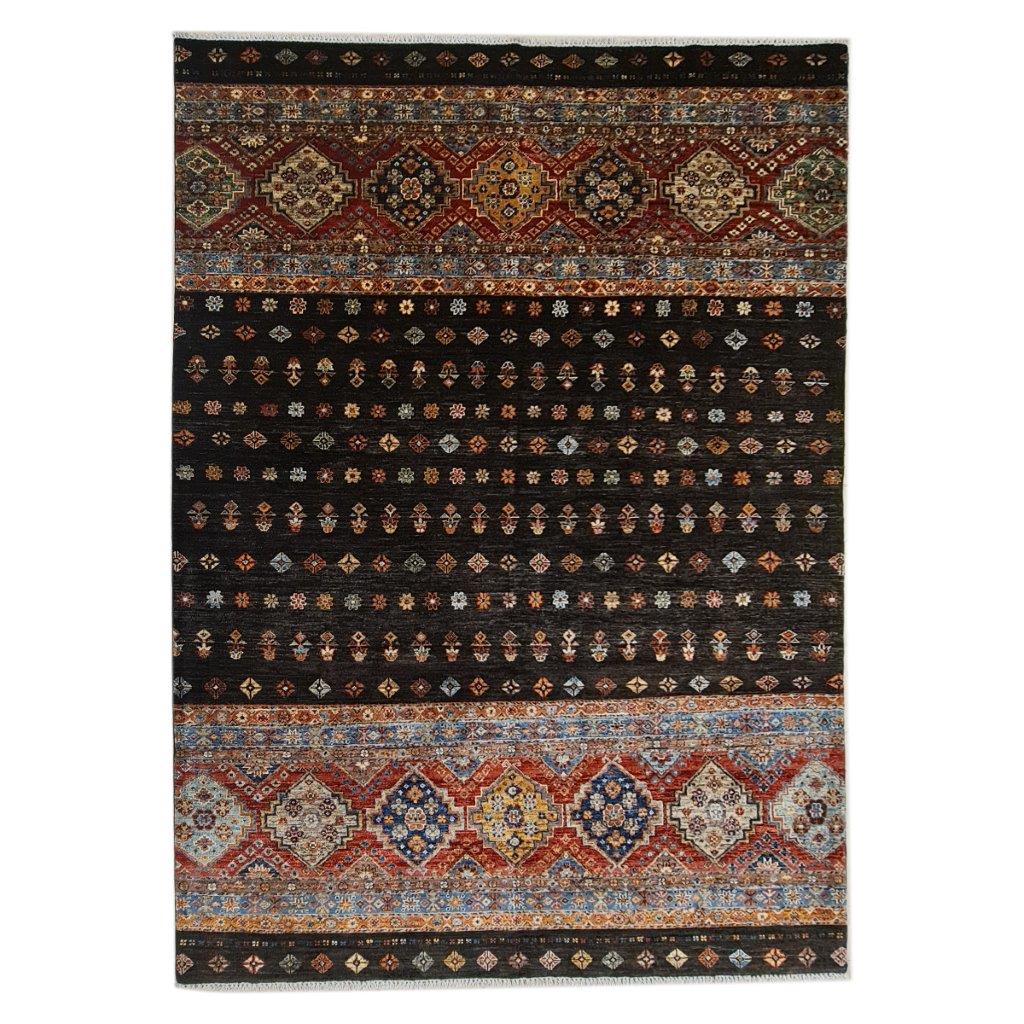
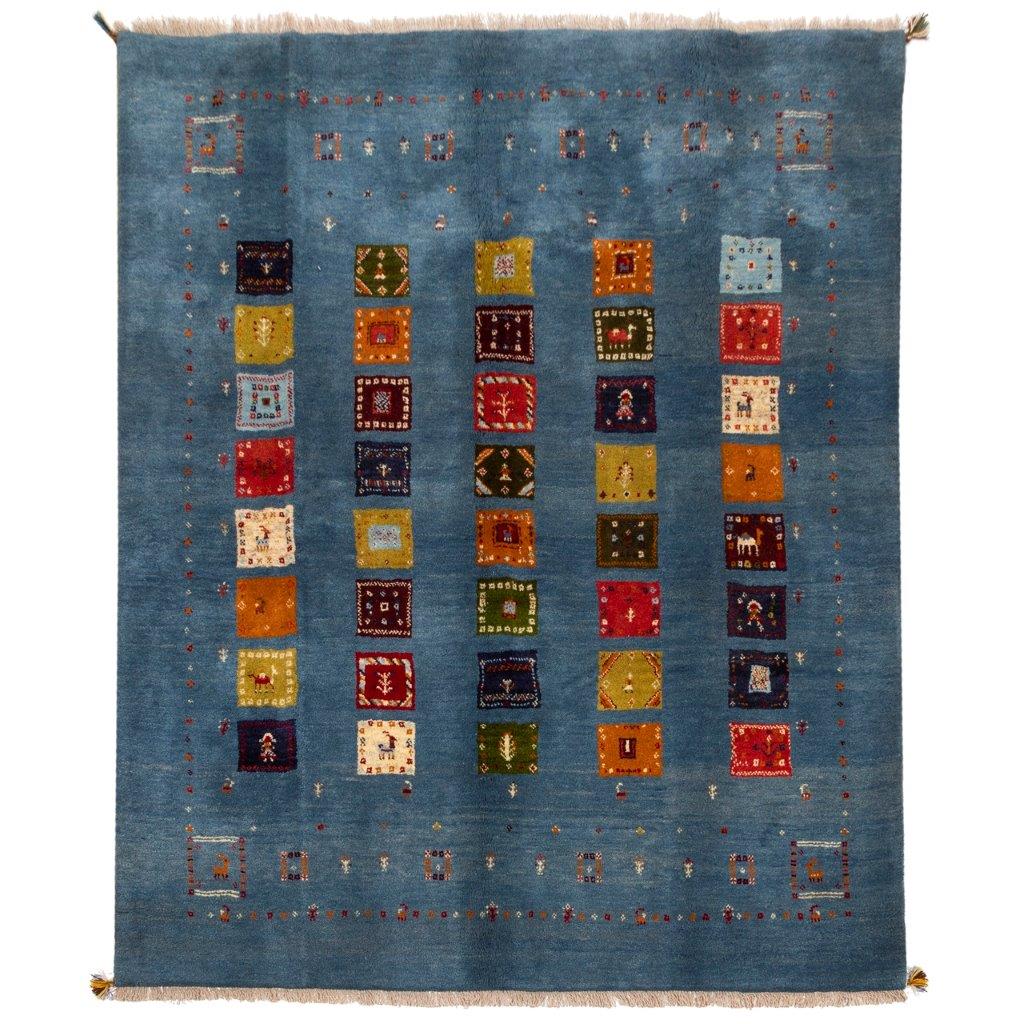
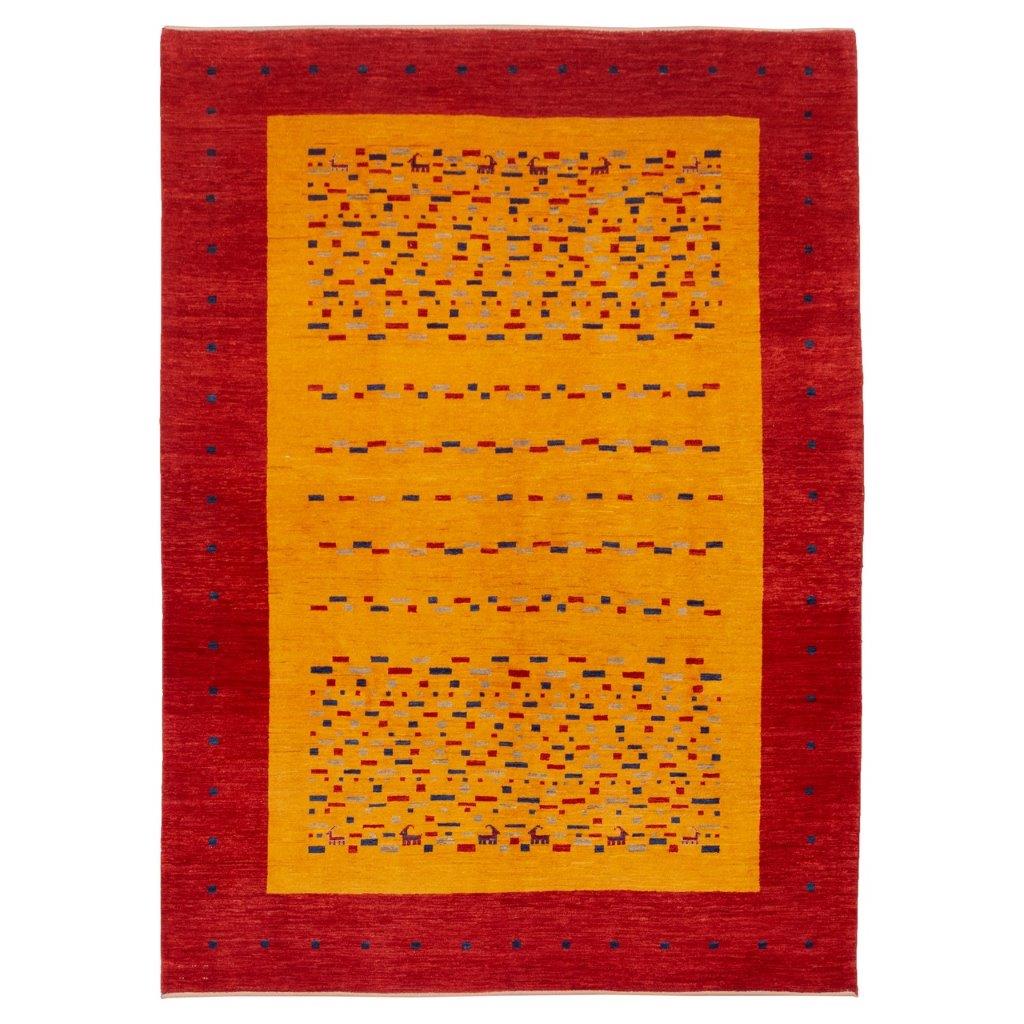
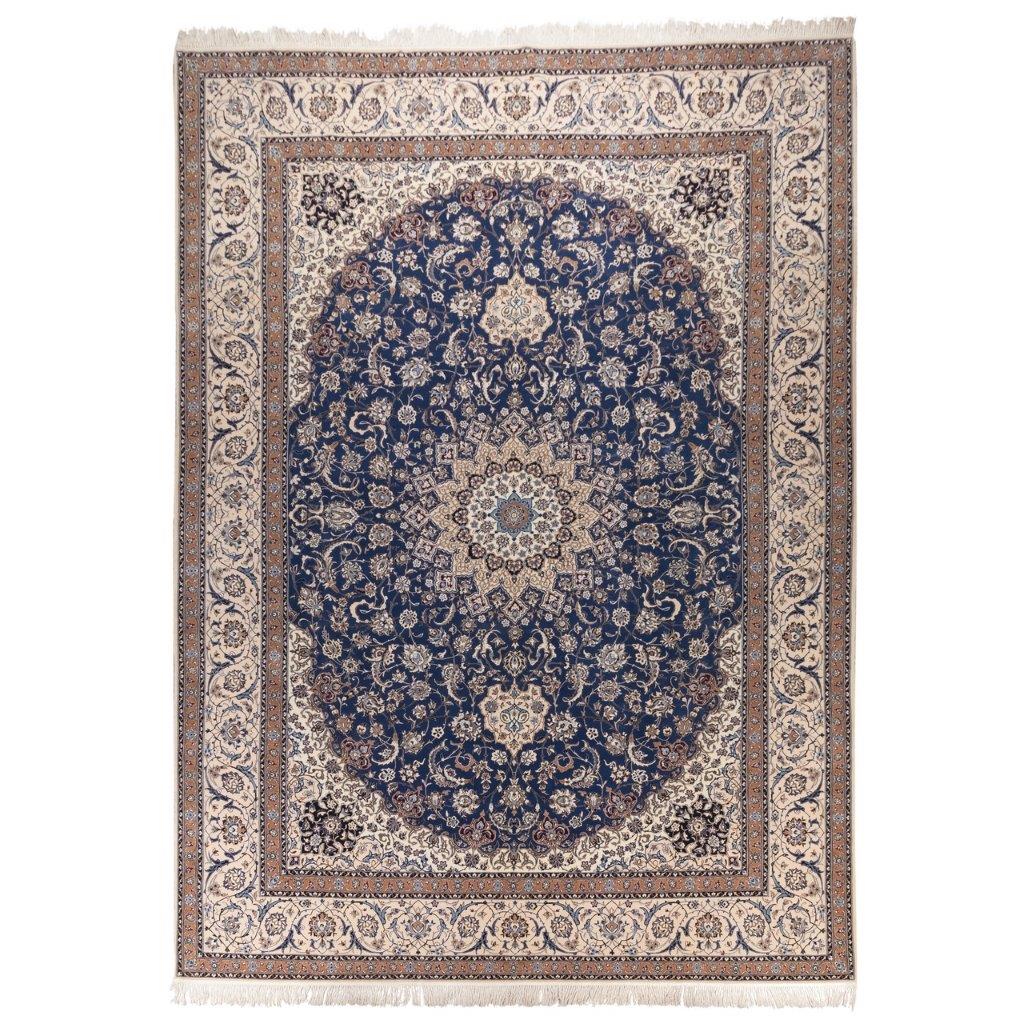
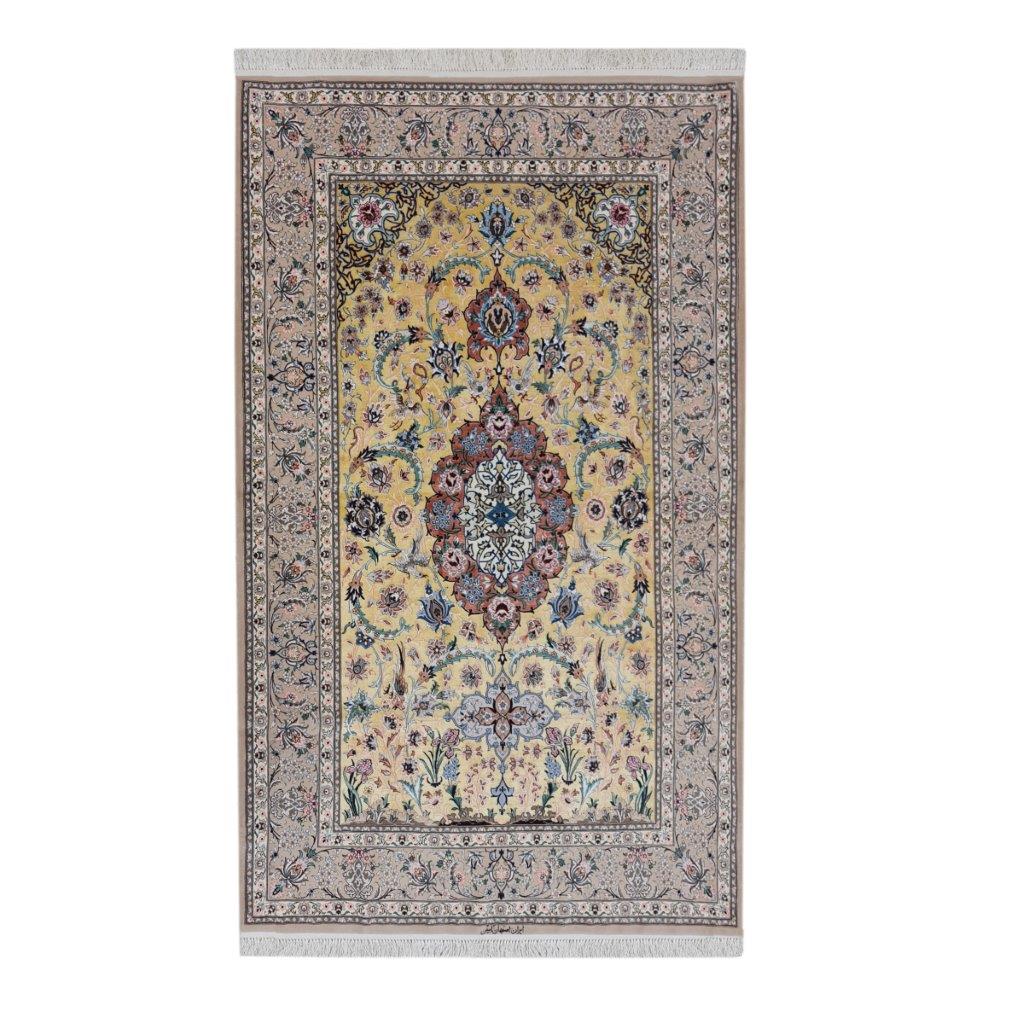
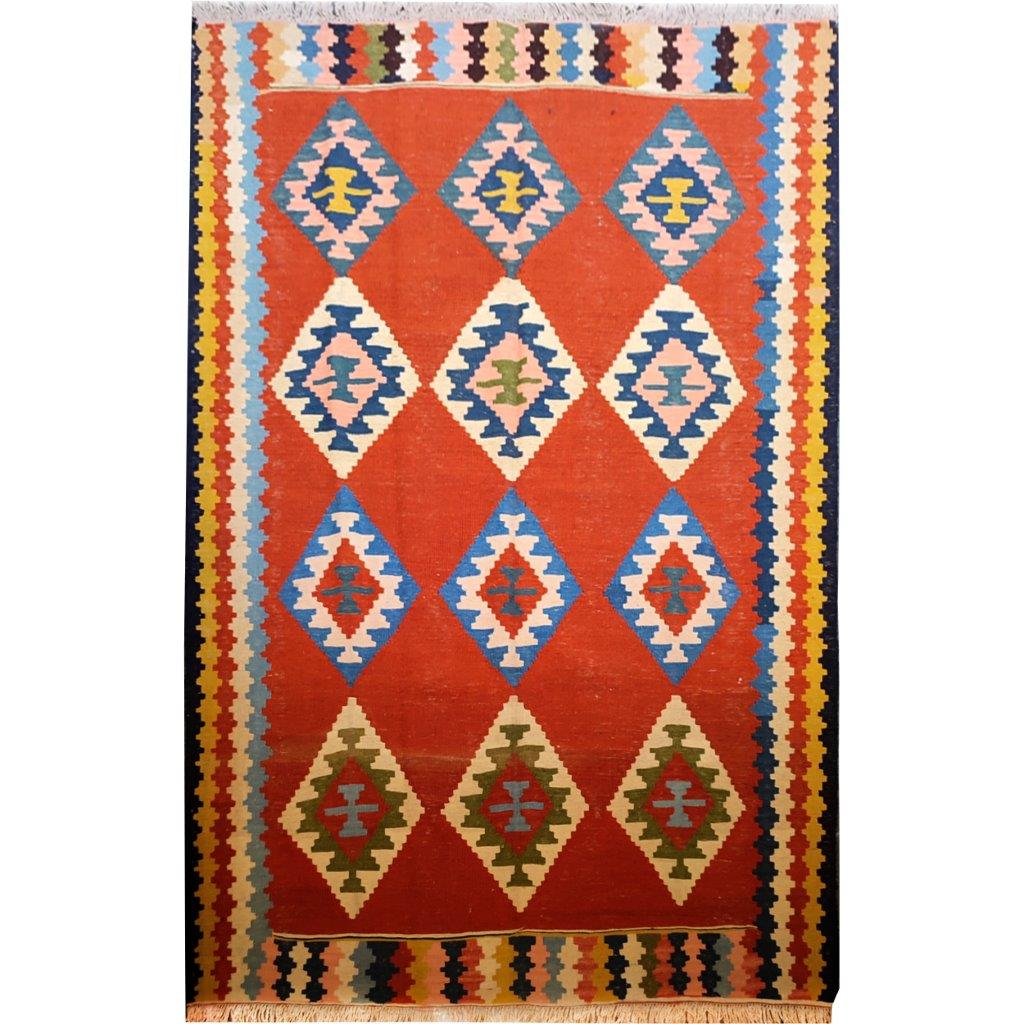
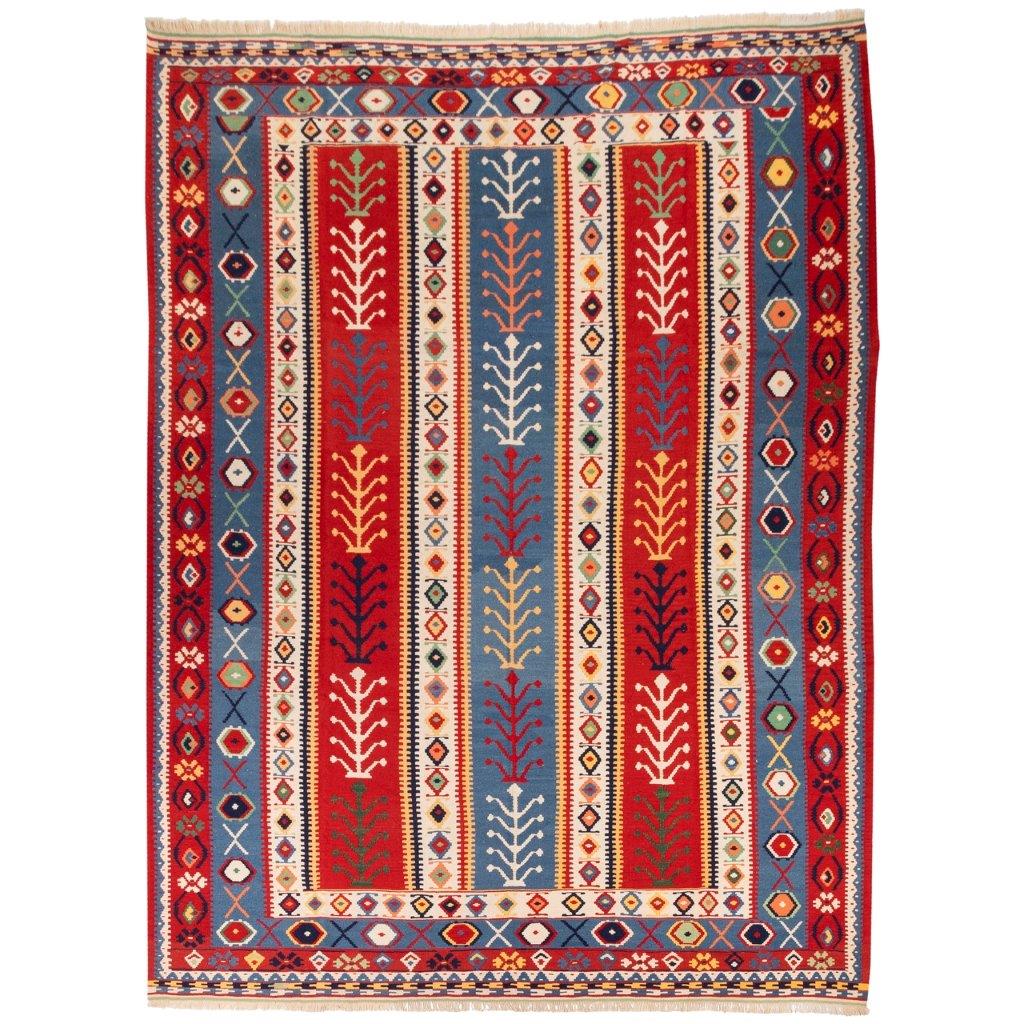
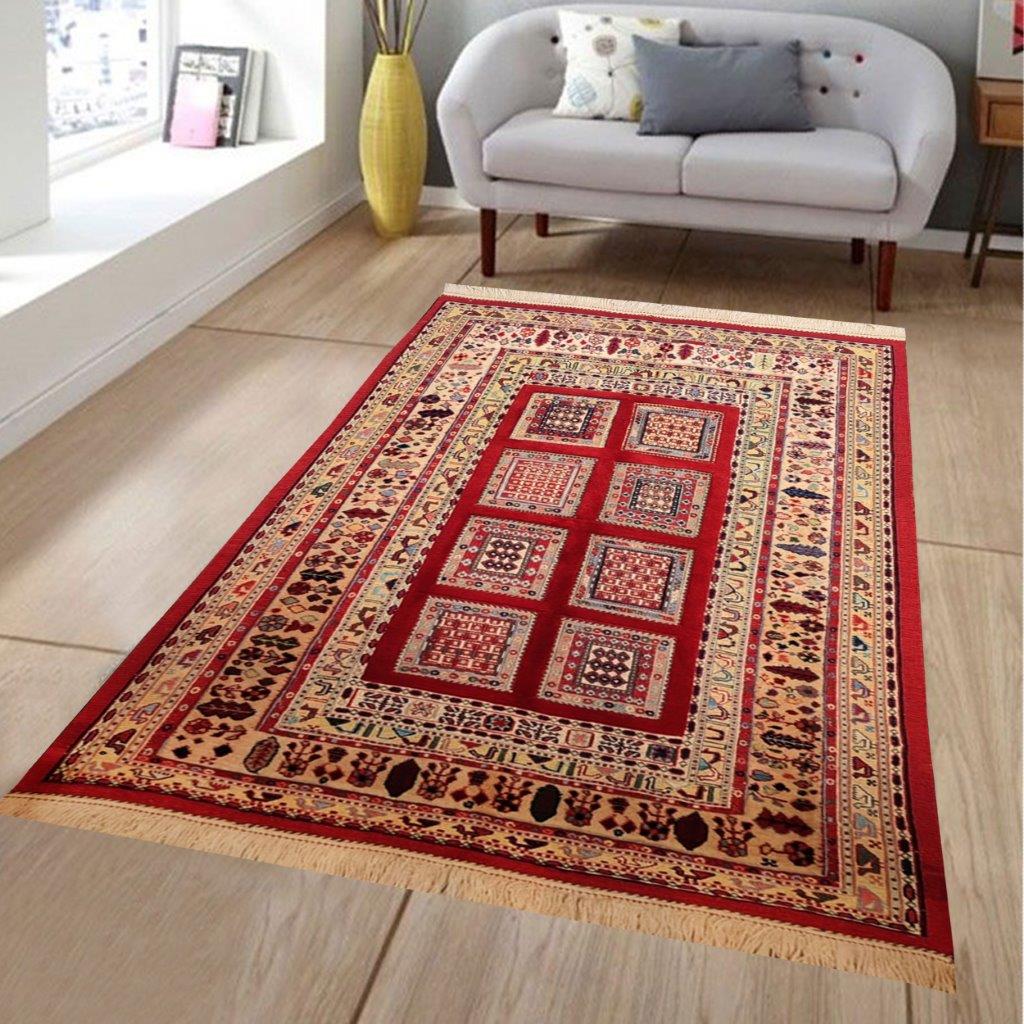


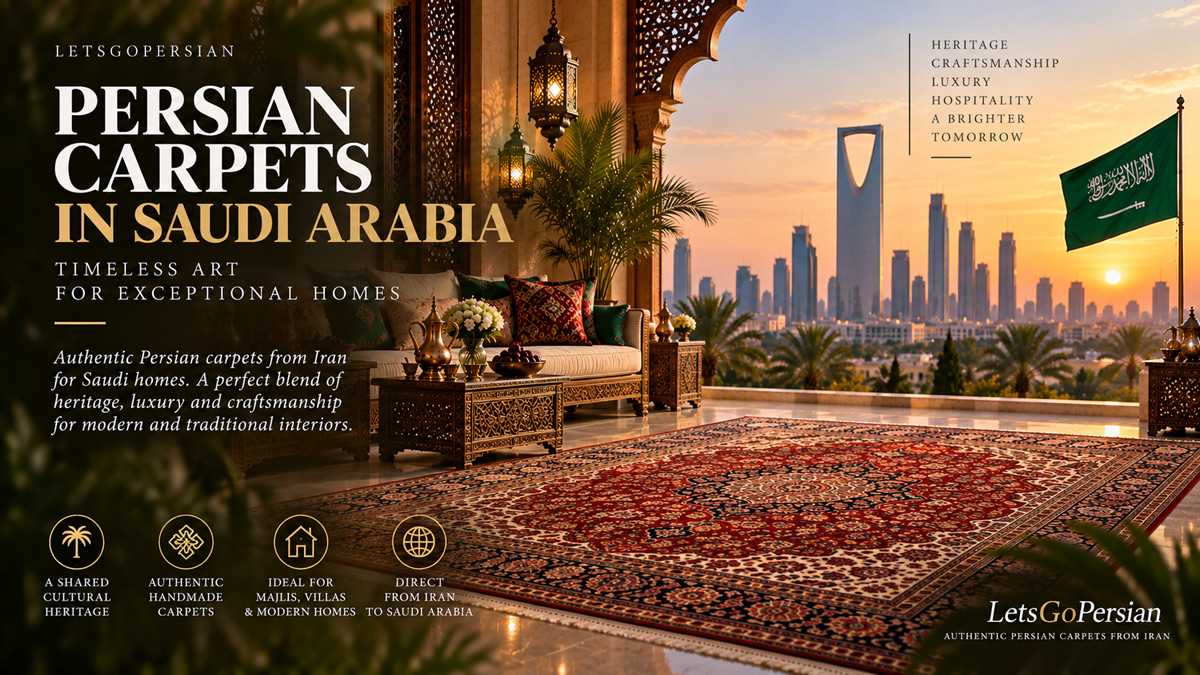
Saudi Arabia has a strong tradition of hospitality, elegant interiors, and appreciation for finely crafted objects. From spacious majlis rooms in Riyadh to sophisticated villas in Jeddah and contemporary homes across the Eastern Province, authentic Persian carpets can add warmth, character, and a distinctive sense of craftsmanship.
For many Saudi homeowners, a carpet is more than a practical floor covering. It can define a majlis, bring balance to a large reception room, soften marble or stone flooring, and become one of the most memorable elements of an interior. Persian carpets are particularly well suited to this role because they combine traditional craftsmanship with an extraordinary variety of colors, patterns, materials, and sizes.
Why Persian Carpets Are Popular in Saudi Arabia
Saudi homes often feature generous living spaces, formal reception rooms, marble floors, premium furniture, and architectural details inspired by both traditional and contemporary design. A handmade Persian carpet can bring these elements together while adding warmth and individuality.
- Majlis interiors: Large Persian carpets can visually connect seating areas and establish the character of a formal gathering space.
- Luxury villas: Fine hand-knotted carpets complement marble, natural stone, wood, and high-end furnishings.
- Contemporary homes: Persian rugs can introduce pattern and texture without requiring the entire interior to follow a traditional style.
- Family living spaces: Durable wool carpets can provide everyday practicality together with genuine handmade character.
- Formal reception rooms: Detailed Persian designs can act as an artistic foundation around which the rest of the room is arranged.
Best Persian Carpet Styles for Saudi Homes
Persian carpets come from many different weaving regions, each with its own visual language and construction traditions. For Saudi buyers, the right style depends on the size of the room, furniture, flooring, architecture, and the atmosphere they want to create.
Tabriz Persian Rugs
Tabriz carpets are an excellent choice for Saudi interiors that call for precision, detail, and an elegant traditional appearance. Their broad range of patterns and sizes makes them particularly versatile for large reception rooms, majlis spaces, dining areas, and luxury villas.
The detailed floral compositions and balanced layouts associated with Tabriz can provide enough visual presence for a spacious room without making the overall interior feel unbalanced.
Heriz Persian Rugs
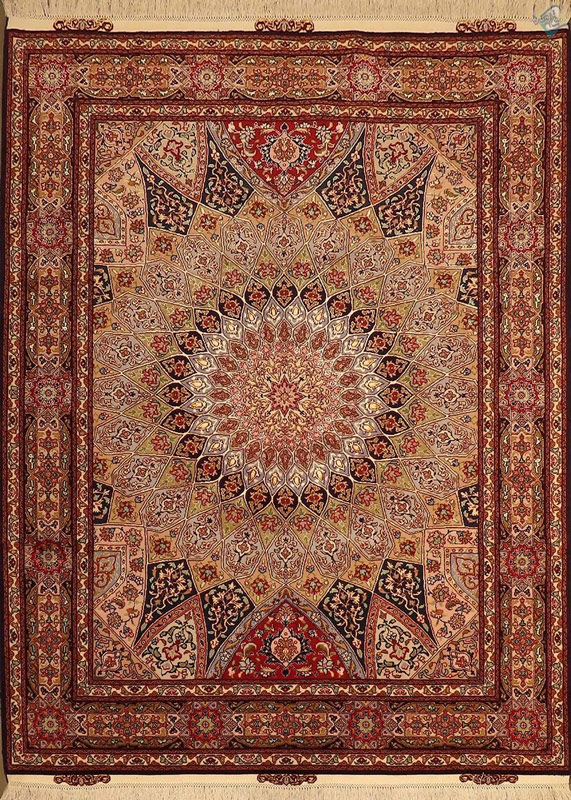
Heriz carpets are known for their strong geometric character and distinctive visual presence. They are particularly appealing to buyers who want a Persian rug that can become a clear focal point within a large room.
The bold geometry of Heriz can create an attractive contrast against neutral furniture, marble flooring, contemporary lighting, and clean architectural lines. This makes it an interesting option for modern Saudi villas as well as more traditional homes.

Bidjar Persian Rugs
Bidjar carpets are well suited to buyers who want a combination of traditional Persian craftsmanship and substantial construction. Their strong character makes them suitable for spaces where the carpet will receive regular use while still being expected to contribute significantly to the interior design.
They can work especially well in family sitting rooms, large reception areas, and traditional interiors where durability and visual richness are equally important.
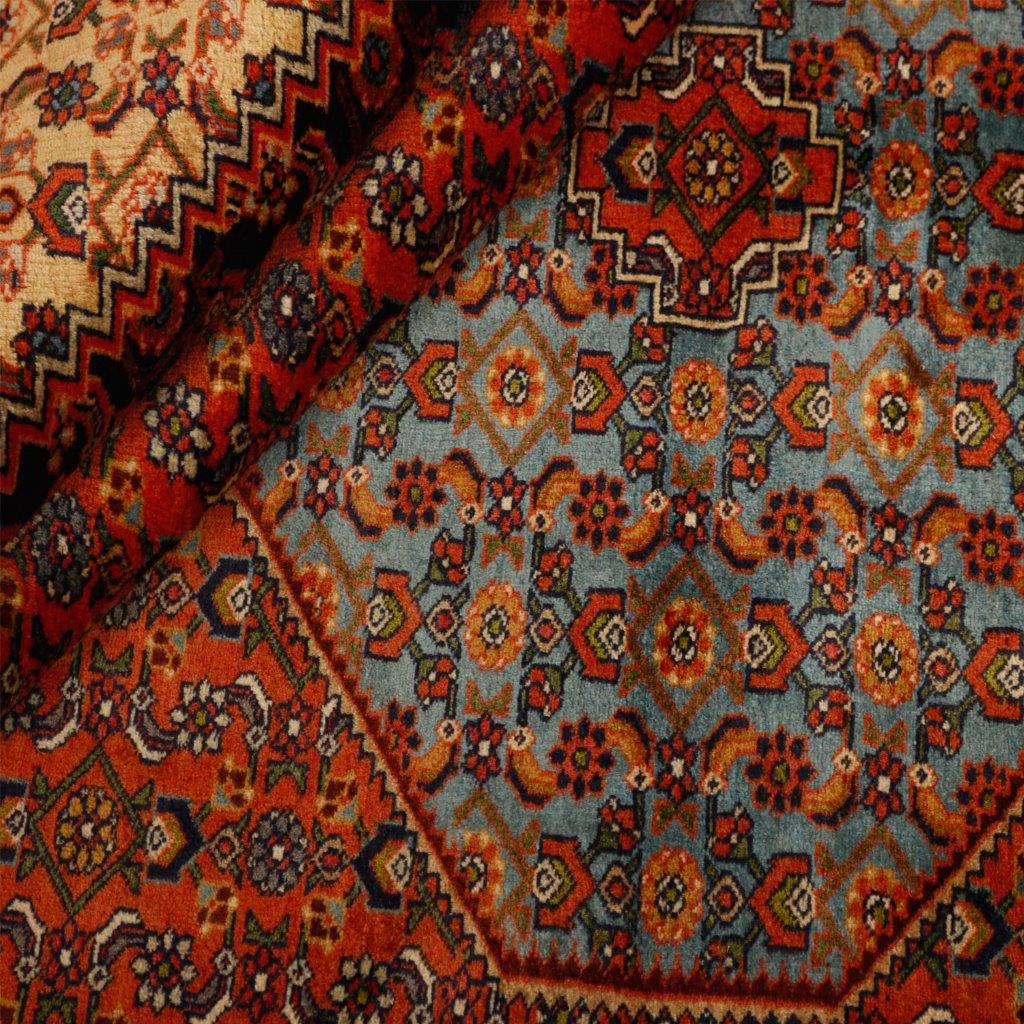
Bakhtiari Persian Carpets
Bakhtiari carpets offer a distinctive regional character that works naturally with warm and traditional interiors. Their designs can introduce pattern and color while maintaining a strong connection to Persian handmade weaving.
They are particularly interesting for Saudi homes that combine natural stone, wood, leather furniture, and other organic materials. A Bakhtiari carpet can add warmth to these spaces without making them feel overly formal.

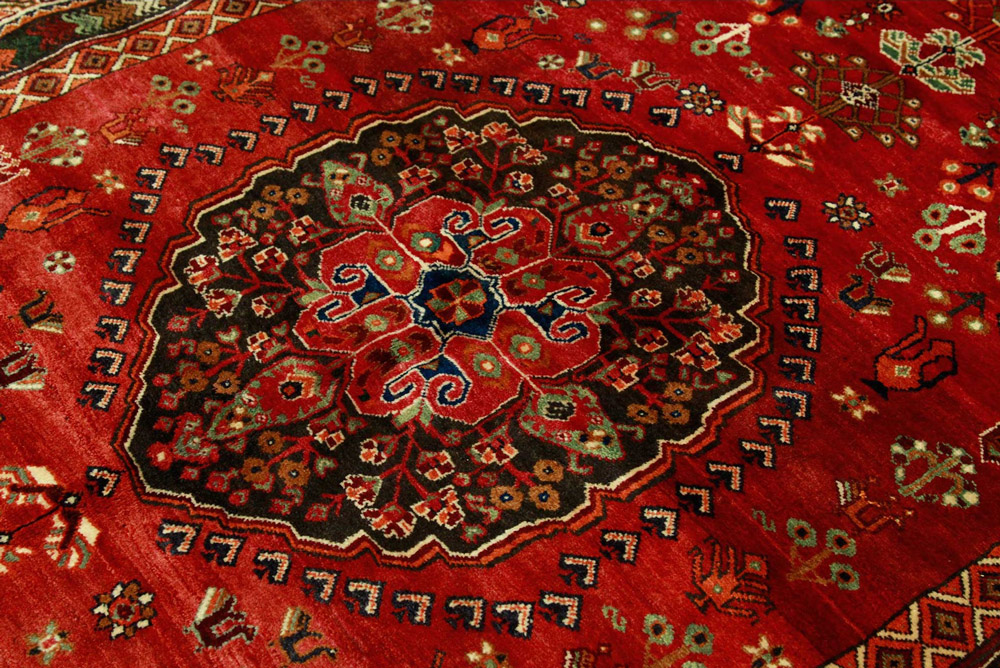
Qashqai Persian Rugs
Qashqai rugs are an excellent option for buyers looking for a more expressive and relaxed form of Persian craftsmanship. Their tribal character can bring individuality to contemporary rooms and can work particularly well when the interior contains natural materials and handcrafted decorative objects.
Rather than trying to match every piece of furniture, a Qashqai rug can serve as an independent artistic element that gives the room a more collected and personal appearance.
Persian Carpets for Majlis Interiors in Saudi Arabia
The majlis is one of the most important spaces in many Saudi homes. It is designed for welcoming guests, family gatherings, and formal hospitality, so the carpet often plays a much larger role than it would in an ordinary living room.
A Persian carpet can establish the visual center of the majlis and connect the seating arrangement, tables, lighting, and architectural details. In a large room, the correct carpet size is particularly important. A small rug placed in the middle of a large majlis can make the furniture appear disconnected.
For formal settings, detailed Tabriz designs can create an elegant foundation. Heriz and Bidjar carpets can provide stronger visual definition, while tribal Persian styles can create a more relaxed atmosphere.
Persian Carpets for Luxury Villas in Riyadh
Riyadh villas often combine contemporary architecture with elements of traditional Saudi hospitality. Large open rooms, marble floors, statement lighting, custom furniture, and spacious seating arrangements create an ideal setting for a substantial handmade Persian carpet.
A carefully selected carpet can soften hard flooring materials and give a large room a stronger sense of proportion. Traditional designs can add depth to minimalist architecture, while more geometric Persian rugs can reinforce a contemporary aesthetic.
Expert Tip
When choosing a carpet for a large Riyadh villa, consider the furniture arrangement before selecting the final size. The carpet should visually connect the principal seating pieces instead of appearing as an isolated decoration in the center of the room.
Persian Carpets for Homes in Jeddah
Jeddah homes often feature bright interiors, contemporary furnishings, open spaces, and a more relaxed coastal influence. Persian carpets can provide an important layer of warmth and craftsmanship without requiring the room to become traditionally styled.
For these interiors, consider the relationship between the carpet and the existing flooring. A carefully selected Persian design can create contrast against light stone or marble while adding enough color and texture to make the space feel more personal.
Persian Carpets in Al Khobar and the Eastern Province
Homes in Al Khobar, Dammam, and surrounding areas frequently combine modern luxury with traditional elements of hospitality. Persian carpets can fit naturally into this combination because they work equally well with contemporary furniture and more classical interiors.
For formal reception rooms, a detailed regional Persian carpet can provide a strong focal point. In family spaces, a durable wool rug with a more relaxed design can create warmth while remaining practical for everyday use.
How Much Does a Persian Carpet Cost in Saudi Arabia?
The price of a Persian carpet in Saudi Arabia depends on several factors, including size, weaving region, material, craftsmanship, knot density, age, condition, design, rarity, and provenance.
- Gabbeh and tribal rugs: approximately SAR 1,500–6,000
- Traditional Persian regional rugs: approximately SAR 6,000–25,000
- Fine silk carpets: approximately SAR 20,000–100,000+
- Antique and collector carpets: approximately SAR 40,000–300,000+
These are general price ranges rather than fixed valuations. Individual carpets can be priced significantly higher or lower depending on their specific materials, dimensions, craftsmanship, age, condition, rarity, and provenance.
How to Choose the Right Persian Carpet for a Saudi Home
Start With the Room Dimensions
Measure the room and determine how the carpet will interact with the furniture before choosing a design. This is especially important for large majlis rooms and villas where an undersized carpet can easily lose its visual impact.
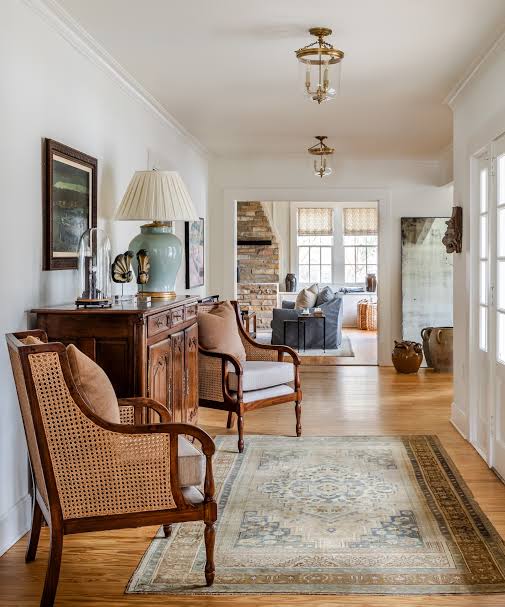
Consider the Flooring
Marble, polished stone, ceramic tiles, and wood each create a different background for a Persian carpet. The rug should provide enough contrast to be visible while maintaining harmony with the rest of the interior.
Think About the Architecture
Traditional architectural elements can work beautifully with classical Persian designs, while contemporary spaces may benefit from stronger geometric patterns or more restrained compositions.
Choose Materials According to Use
Wool, silk, cotton, and combinations of these materials are common in Persian carpet production. The intended use of the room should influence the material you choose. High-detail decorative pieces may be ideal for formal areas, while durable wool carpets can be more appropriate for frequently used rooms.
Choose for the Long Term
A quality Persian carpet can remain in a home for many years. Rather than choosing a rug simply because it matches today’s furniture, consider whether its design and craftsmanship will continue to work if the room changes in the future.
How to Identify an Authentic Persian Carpet
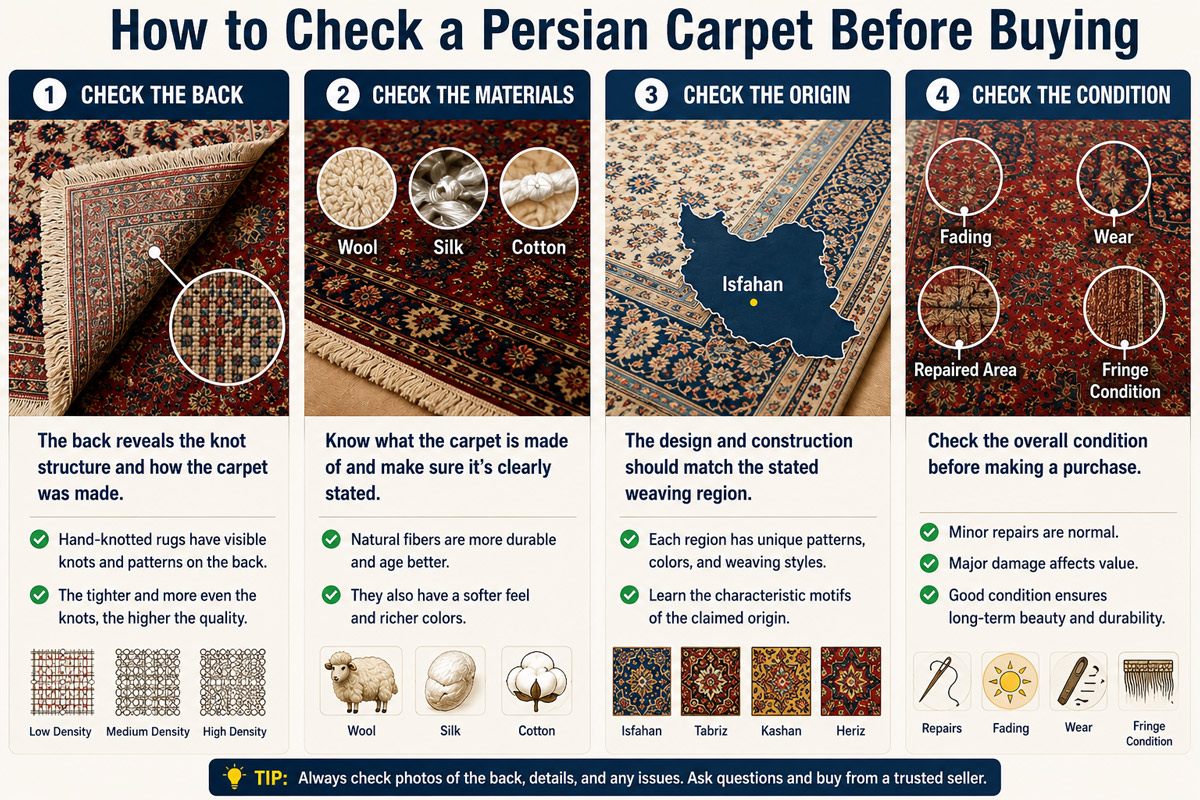
Examine the Reverse Side
The reverse side of a handmade carpet can reveal the individual knot structure and provide useful information about its construction. When buying online, clear photographs of the back can be particularly helpful.
Ask About the Material
Find out whether the carpet is made from wool, silk, cotton, or a combination of materials. The quality and type of material can have a major influence on the carpet’s durability, appearance, texture, and price.
Understand the Regional Origin
Persian carpets are closely connected to their weaving regions. Tabriz, Heriz, Bidjar, Bakhtiari, and Qashqai carpets each have recognizable characteristics that can help buyers understand the piece they are considering.
Check the Condition
If you are considering an older carpet, ask about repairs, restoration, fading, edge wear, stains, and damaged areas. Condition is especially important when evaluating antique or collectible pieces.
Request Authenticity Information
For higher-value carpets, ask for information about the carpet’s origin, materials, construction, age where applicable, and provenance. These details can help you make a more informed purchasing decision.
Common Mistakes Saudi Buyers Make
- Choosing a carpet that is too small: Large majlis and reception rooms require appropriately scaled carpets.
- Focusing only on color: Construction, material, craftsmanship, design, and condition are equally important.
- Assuming knot count determines everything: Knot density is only one part of evaluating a Persian carpet.
- Ignoring the furniture arrangement: The carpet should help create a cohesive relationship between the main pieces of furniture.
- Following short-lived trends: A well-designed Persian carpet can remain attractive long after current interior trends have changed.
- Not checking authenticity: Persian-inspired rugs are produced in many countries, so buyers should verify the actual construction and stated origin.
Buying Persian Carpets Directly from Iran
Buying directly from Iran can give Saudi customers access to a much wider selection of authentic Persian carpets from different weaving regions. This is particularly useful when searching for specific sizes, colors, designs, materials, or regional styles.
Direct purchasing also allows buyers to compare different carpets based on their actual craftsmanship rather than choosing only from the limited selection available through a local showroom.
Before placing an international order, confirm the exact dimensions, materials, construction, condition, stated origin, shipping arrangements, documentation, and total delivered cost.
View Available Persian Carpets
Persian Carpets as Long-Term Family Pieces
A handmade Persian carpet can remain part of a home for decades when properly cared for. Its ability to work with different furniture styles also makes it more adaptable than many modern decorative products.
A carpet chosen today can move between rooms, remain relevant after furniture is replaced, and eventually become a meaningful family possession. This long-term character is one of the reasons exceptional Persian carpets continue to attract buyers who value craftsmanship rather than temporary decoration.
For collectors, additional factors such as rarity, age, provenance, materials, condition, weaving quality, and artistic character can become important when evaluating a particular carpet.
Find the Right Persian Carpet for Your Home in Saudi Arabia
Whether you are furnishing a majlis in Riyadh, a luxury villa in Jeddah, a family home in Al Khobar, or a contemporary residence elsewhere in Saudi Arabia, the right Persian carpet should balance the proportions of the room with its architecture, furniture, and overall atmosphere.
If you know the approximate size, preferred colors, design style, weaving region, or budget, we can help you find suitable handmade Persian carpets from our collection.
Contact Us About a Persian Carpet
Frequently Asked Questions About Persian Carpets in Saudi Arabia
Where can I buy Persian carpets in Saudi Arabia?
Persian carpets can be purchased through specialist carpet dealers, interior design businesses, importers, antique dealers, and online sellers. Buyers who want access to a broader selection can also purchase directly from Iran and arrange international delivery.
Which Persian carpets are suitable for a Saudi majlis?
Large Tabriz carpets are particularly suitable for formal majlis interiors, while Heriz and Bidjar carpets can provide stronger geometric or substantial character. The ideal choice depends on the size, furniture arrangement, architecture, and atmosphere of the room.
Which Persian carpets work well in a modern Saudi villa?
Both traditional and regional Persian carpets can work in modern villas. Heriz can provide a strong geometric focal point, while Tabriz can introduce detailed craftsmanship and a refined traditional appearance.
How much does a Persian carpet cost in Saudi Arabia?
Prices vary according to size, material, weaving region, craftsmanship, design, age, condition, and rarity. Handmade tribal rugs can be more accessible, while fine silk, antique, and collector-grade carpets can cost considerably more.
How can I tell if a Persian carpet is genuinely handmade?
Examine the reverse side for the individual knot structure and ask about the construction, materials, and weaving region. When purchasing online, request clear photographs of the front, reverse, edges, and pile.
Are Persian carpets suitable for marble floors?
Yes. Persian carpets can add warmth, texture, and visual depth to marble and other hard flooring materials. The correct size and design are important so that the carpet complements rather than overwhelms the room.
What size Persian carpet should I choose for a large majlis?
The appropriate size depends on the room dimensions and furniture arrangement. In a large majlis, the carpet should generally be large enough to visually connect the principal seating pieces rather than appearing as a small isolated element.
Can I buy a Persian carpet directly from Iran and have it delivered to Saudi Arabia?
It is possible to purchase Persian carpets directly from Iran and arrange international delivery, depending on current shipping and import conditions. Before ordering, confirm the shipping method, total delivered cost, customs or import requirements, and necessary documentation.
Is knot count the most important factor when buying a Persian carpet?
No. Knot density is only one technical characteristic. Materials, construction, craftsmanship, regional characteristics, design, condition, age, and overall quality should also be considered.
Are Persian carpets a good long-term purchase?
A well-made Persian carpet can remain attractive and usable for decades with appropriate care. Exceptional antique and collectible carpets may also retain significant desirability, although future appreciation is never guaranteed. Quality, authenticity, condition, and personal suitability should remain the primary considerations.