Where to Buy Persian Carpets in Iran

Iran is the heart of the Persian carpet world — and if you’re traveling here, buying a rug can be one of the most rewarding souvenirs you’ll ever bring home. But with so many options, regions, prices, and sales pitches, how do you know where to go and what to look out for?

Here’s your practical guide to shopping for Persian carpets in Iran — including real prices, trusted cities, and smart tips.
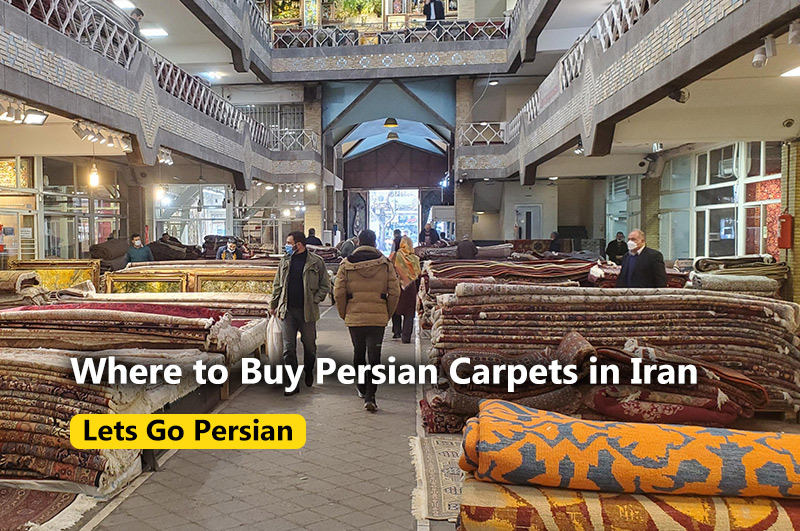
Where to Buy Persian Carpets in Iran

Where to Buy Persian Carpets in Iran

Best Cities to Buy Persian Carpets

  • Isfahan: Famous for fine silk-wool carpets, especially from the workshops of Naqshe Jahan Square. Expect to pay $1,000–10,000+ depending on size and knot density.

  • Tabriz: Known for detailed designs and large workshop rugs. A 2×3 meter Tabriz carpet can range from $1,500–5,000.

  • Qom: Specializes in pure silk rugs, extremely detailed and often expensive. Small silk pieces start around $2,000.

  • Shiraz: Great for affordable tribal and Gabbeh rugs — colorful, bold, and handmade. Small Gabbehs start at $100–300.

  • Kashan: Traditional and balanced floral rugs, mid-range pricing. A medium Kashan rug might cost $600–1,500.
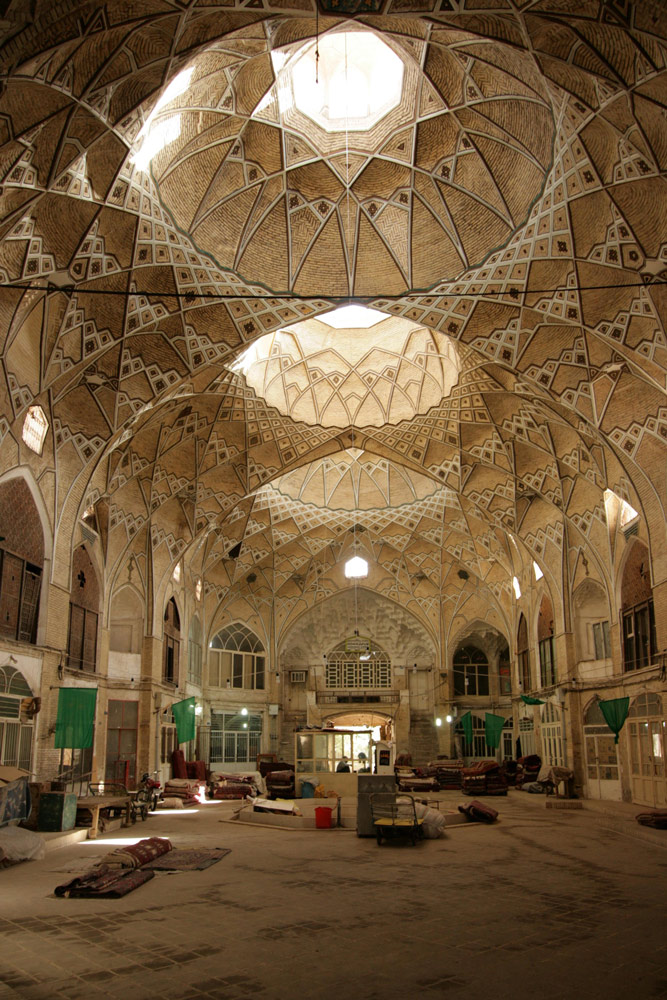
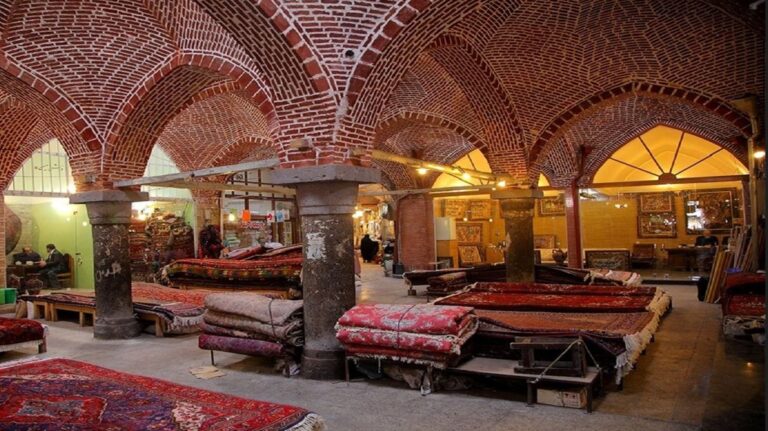
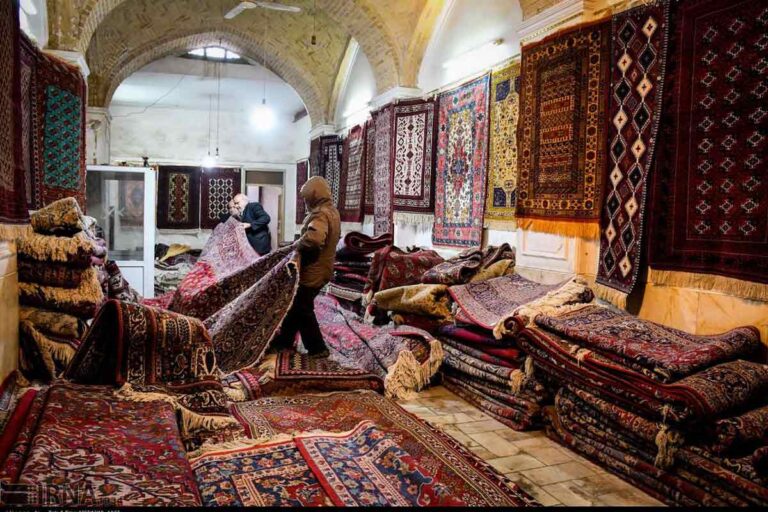
    Qom Carpet Bazaar

    Qom Carpet Bazaar

Typical Prices for Tourists in 2025

  • Small rugs (1×1.5m): $100–500

  • Medium rugs (2×3m): $500–3,000

  • Large carpets (3×4m or more): $2,000–15,000

  • Silk rugs or signature pieces: $3,000–20,000+

Prices vary by material (wool or silk), knot density, age, and the prestige of the weaver or region.
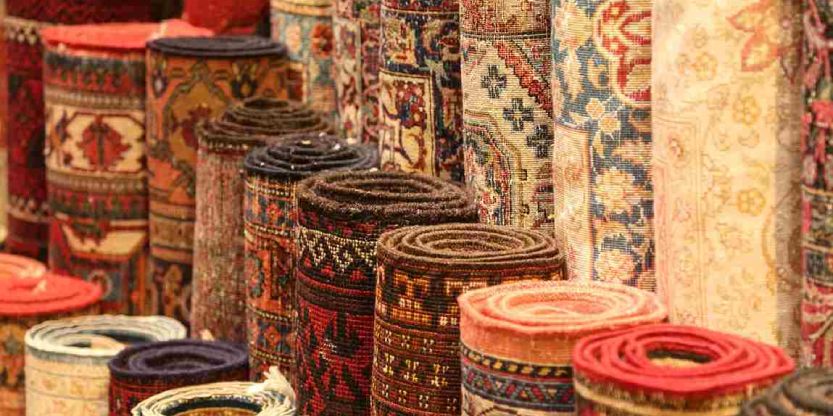
Size ruge

Ruge Size Prices

Tourist Trap #1: “This is an antique”

Many sellers tell tourists that a rug is antique or limited edition to justify high prices. But genuine antiques (over 100 years old) are rare, expensive, and restricted from export. If you’re offered an “antique” for $800 — it’s probably just old-looking.

Tourist Trap #2: “This is 100% silk”

Some carpets are labeled as silk but are actually mercerized cotton (a shiny, cheaper lookalike). Always ask if it’s real silk and check the price — if it seems too low (like $400 for a large “silk” rug), it’s not real silk.

Tourist Trap #3: Paying too much in hotel shops

Hotel carpet shops are convenient but expensive. You’re often paying for location, not quality. Always compare prices in bazaars or directly in rug workshops.

Tips to Shop Smart

  • Do your homework before you go — learn basic styles and regions.

  • Take your time — walk through different shops before buying.

  • Look at the back — tight knots, clear design, and hand-weaving marks are good signs.

  • Ask for a certificate of authenticity if you’re spending more than $1,000.

  • Don’t feel pressured — if it doesn’t feel right, walk away.

Can You Ship It?

Yes. Most sellers offer international shipping and help with customs. For small rugs, rolling it into your suitcase is usually fine. Just avoid buying carpets over 100 years old, which require export permits.
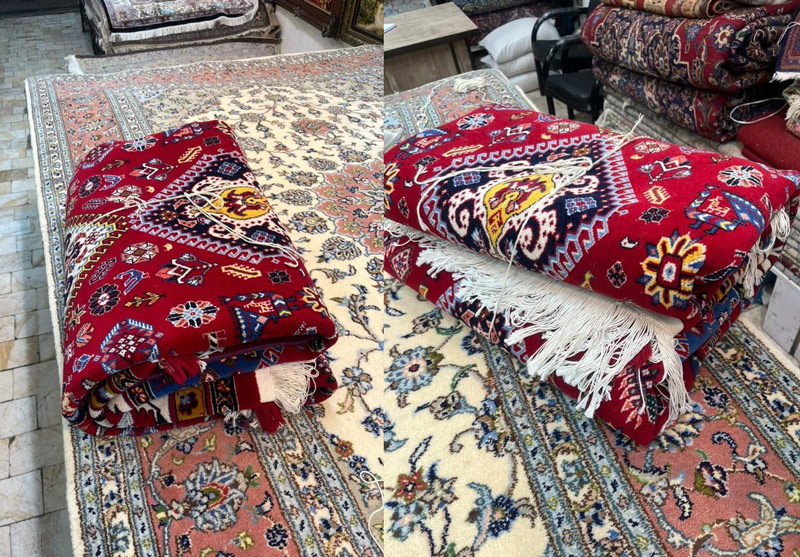
Packing Carpet

Packing Carpet

Picture of Amir Hossein Masoudi

Amir Hossein Masoudi

For more than 20 years, I have worked directly with handmade Persian carpets, collaborating with weaving workshops, collectors, dealers, and restoration specialists across Iran's most respected carpet-producing regions. My experience includes sourcing carpets from Tabriz, Isfahan, Kashan, Nain, Qom, Kerman, and tribal weaving communities, as well as evaluating authenticity, craftsmanship, materials, and long-term value.

Over the years, I have inspected thousands of handmade rugs, from contemporary wool carpets to museum-quality silk pieces and antique collectibles. My focus is helping buyers understand what truly matters when choosing a Persian carpet: craftsmanship, provenance, materials, design integrity, and lasting value.

I believe a Persian carpet should never be purchased solely as a decorative item. The finest examples represent cultural heritage, artistic expression, and generations of weaving knowledge preserved in every knot.

Related Posts

Exploring Modern Designs in Contemporary Persian Carpets

Exploring Modern Designs in Contemporary Persian Carpets

Persian carpets have long been celebrated for their timeless beauty, intricate patterns, and deep cultural significance. Traditionally, these carpets feature classic motifs such as medallions, floral patterns, and geometric designs passed down through generations. However,

Read More »
Persian Carpet in China

Persian Carpet in China

Buying Persian Carpet in China: Tradition, Trade, and Taste China’s growing appetite for high-end home décor has made Persian carpets increasingly popular among interior designers, collectors, and homeowners. With trade routes linking Iran and China

Read More »

A man who loves Baloch carpets

A conversation with the master carpet maker, Balochi It is well known. He has spent at least 60 years day and night with rugs and carpet weaving. He has a not-so-big shop in Torbat Heydarieh,

Read More »
Buy Nahavand Rugs

Nahavand Rugs

Historical and Cultural Significance of Nahavand Rugs Originating from the Nahavand region of western Iran, these rugs carry a long and storied history deeply influenced by tribal traditions. Over the centuries, Nahavand rugs have evolved

Read More »
Buy Bakhtiari Persian Rugs

Bakhtiari Carpets

History and Origin of Bakhtiari Rugs Bakhtiar (or Bakhtiari) rugs originate from the Bakhtiari tribe and the villages under their influence in the Zagros Mountains, west of Isfahan in Iran. The Bakhtiari people are a

Read More »
Iranina Carpet in Lebanon

Iranian Carpet in Lebanon

Buying Persian Carpet in Lebanon: Craftsmanship Across Cultures Lebanon’s rich appreciation for art, design, and Middle Eastern heritage makes it a welcoming market for authentic Persian carpets. From the traditional souqs of Beirut to high-end

Read More »

Qashqai Carpets

Qashqai Carpets: A Nomadic Legacy of Fars The Qashqai tribe, the largest nomadic community in Fars, migrated to the region from the Caucasus during the late 8th and early 9th centuries in the Islamic calendar

Read More »