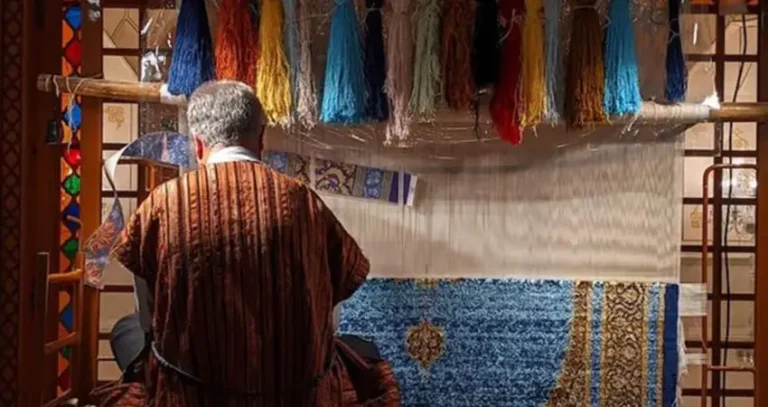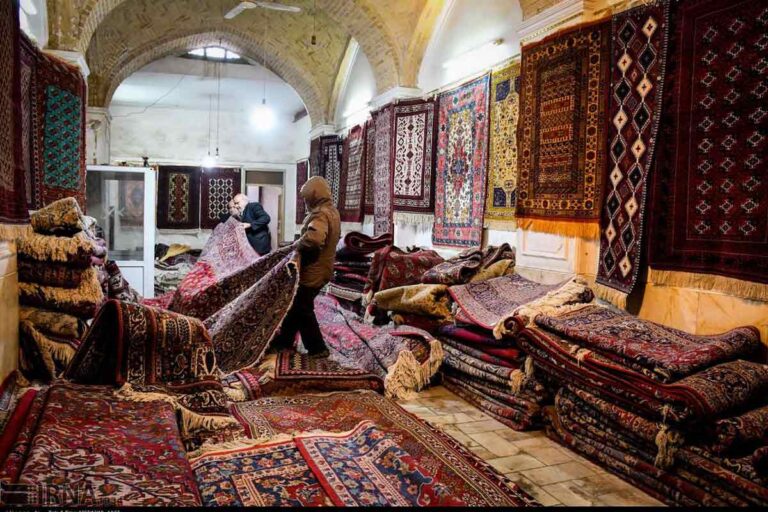


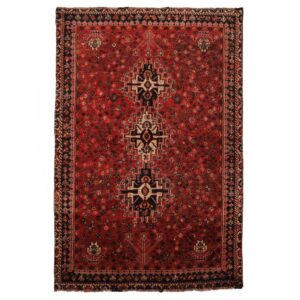
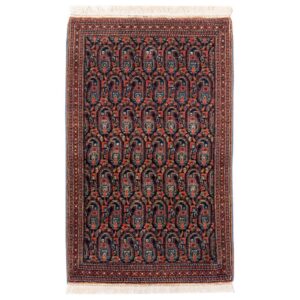

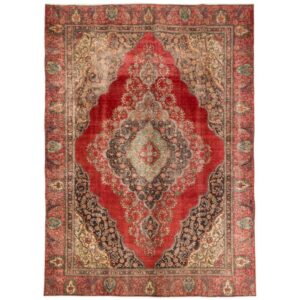
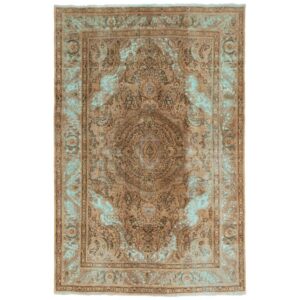
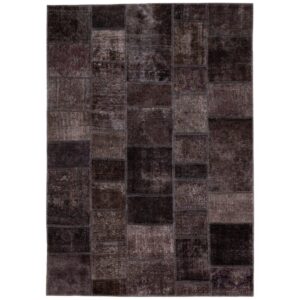
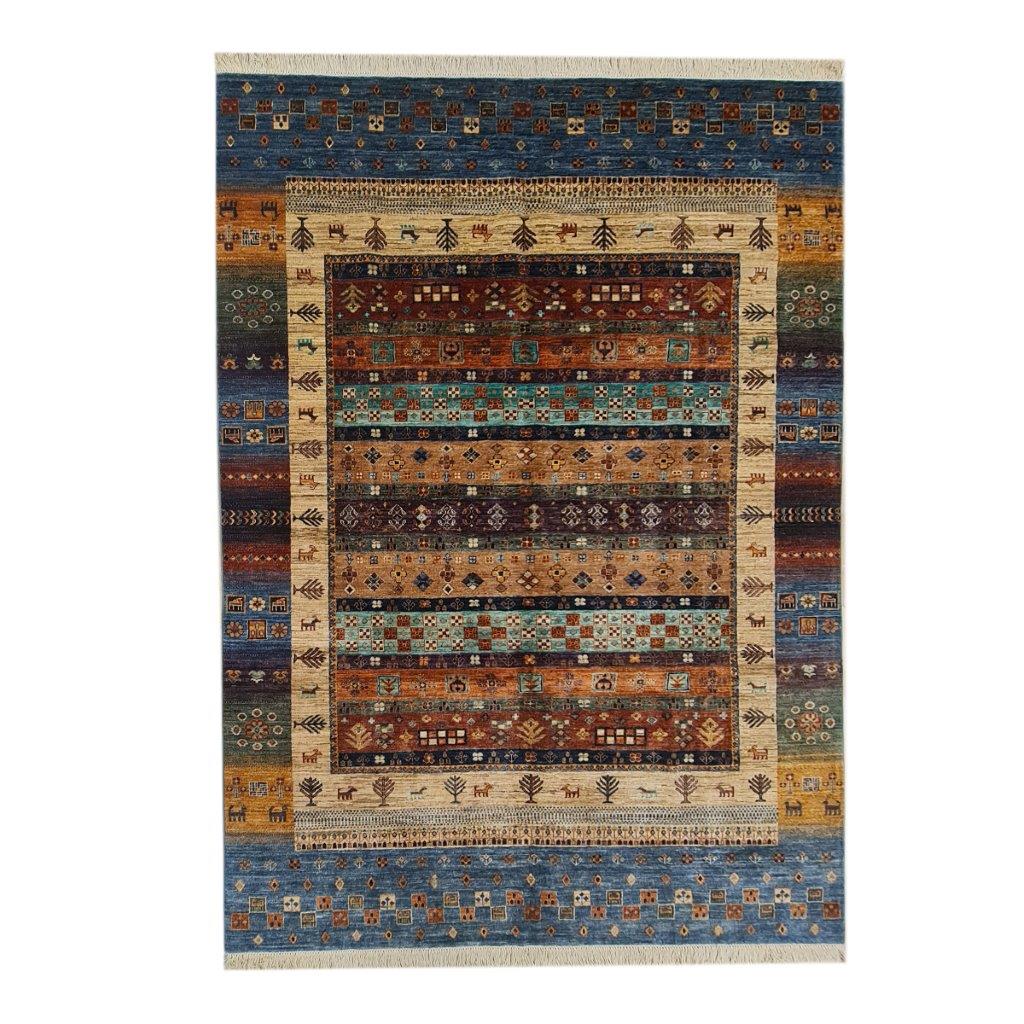
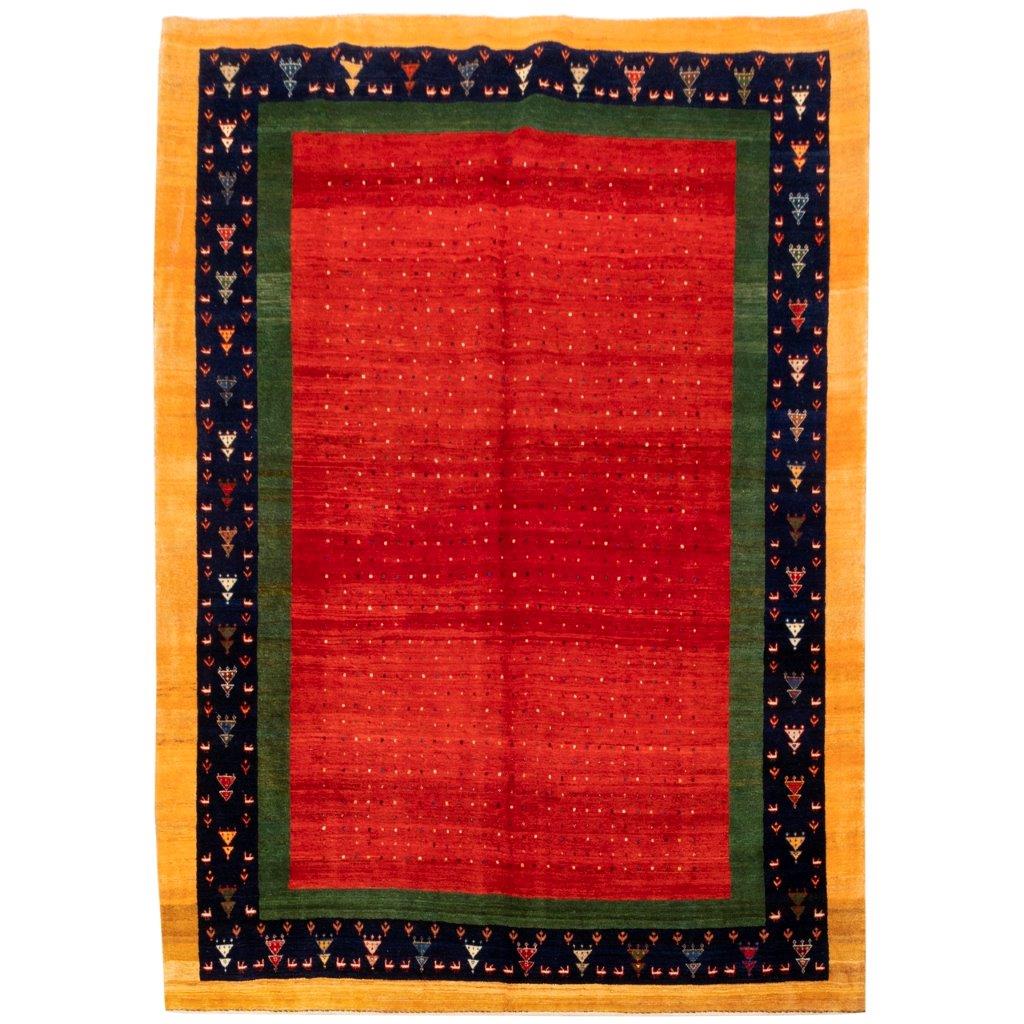
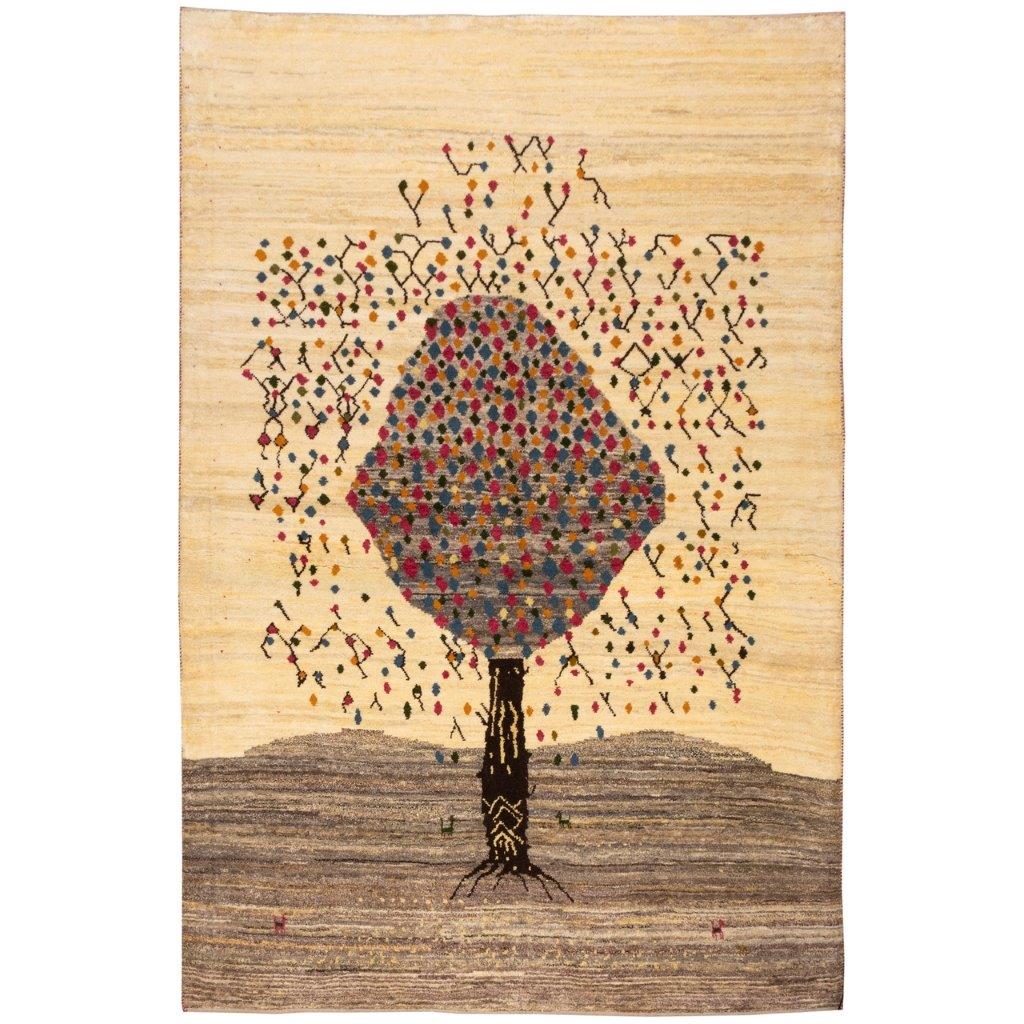
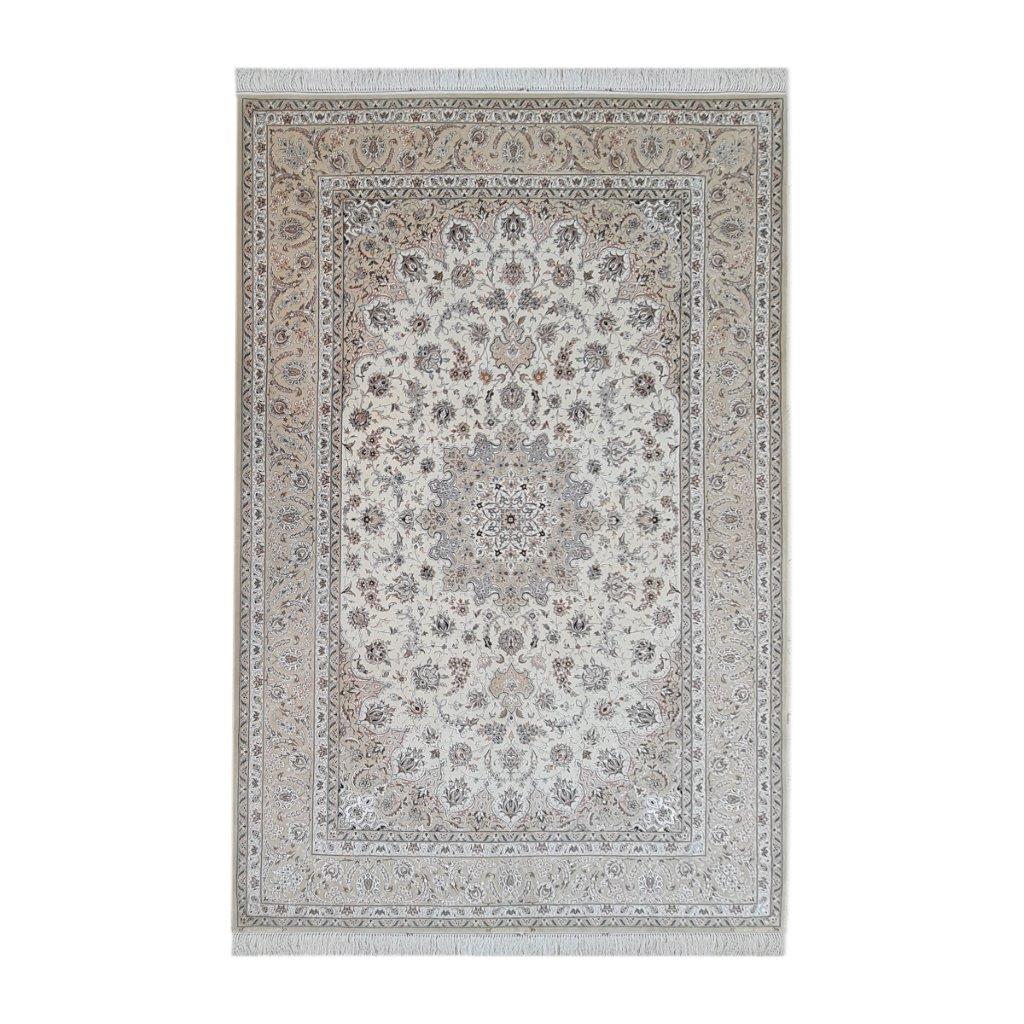
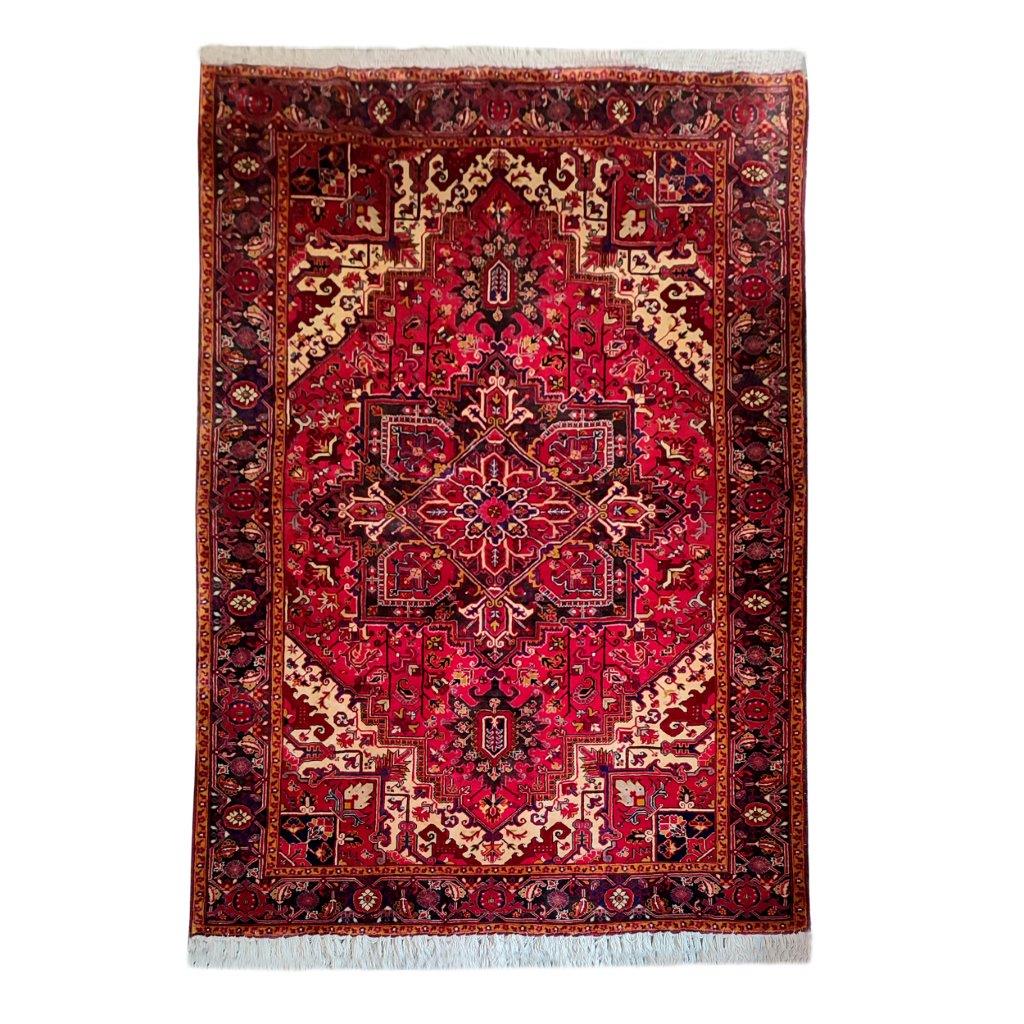
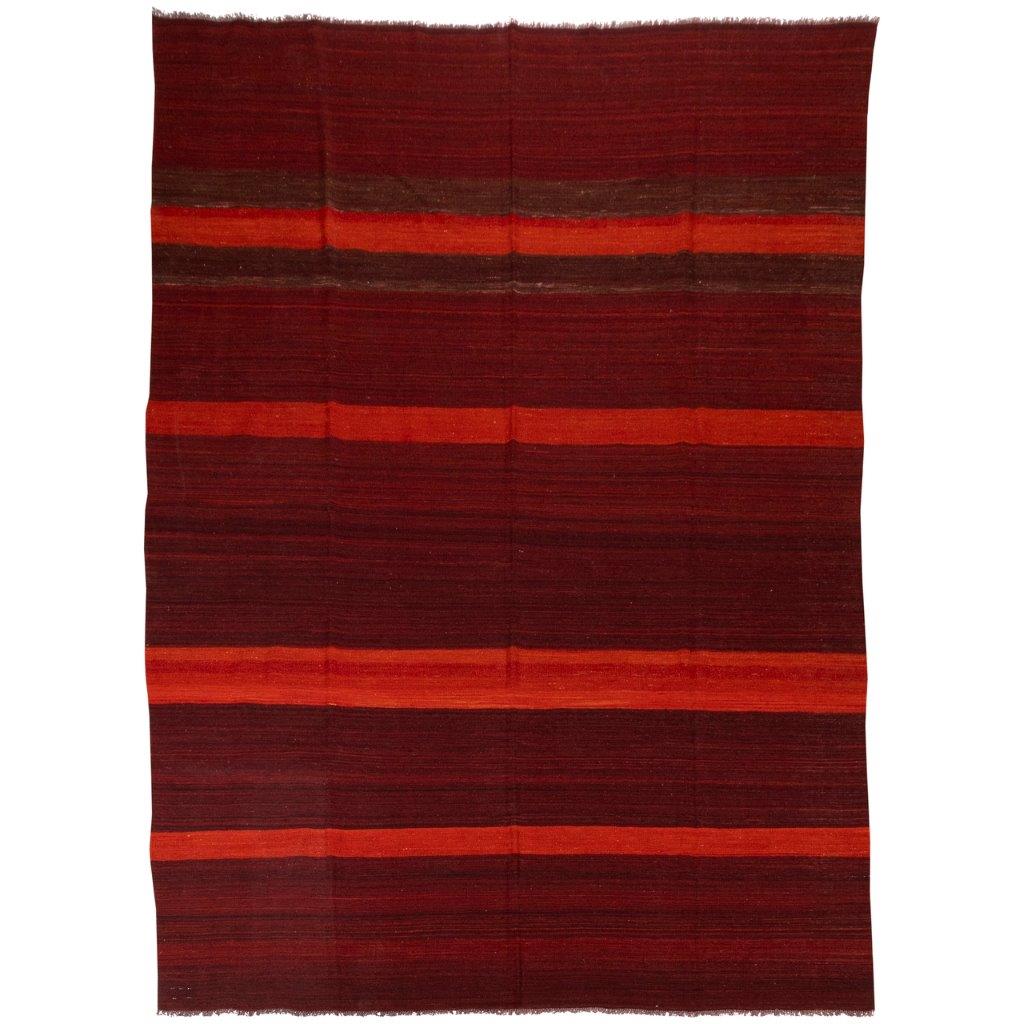
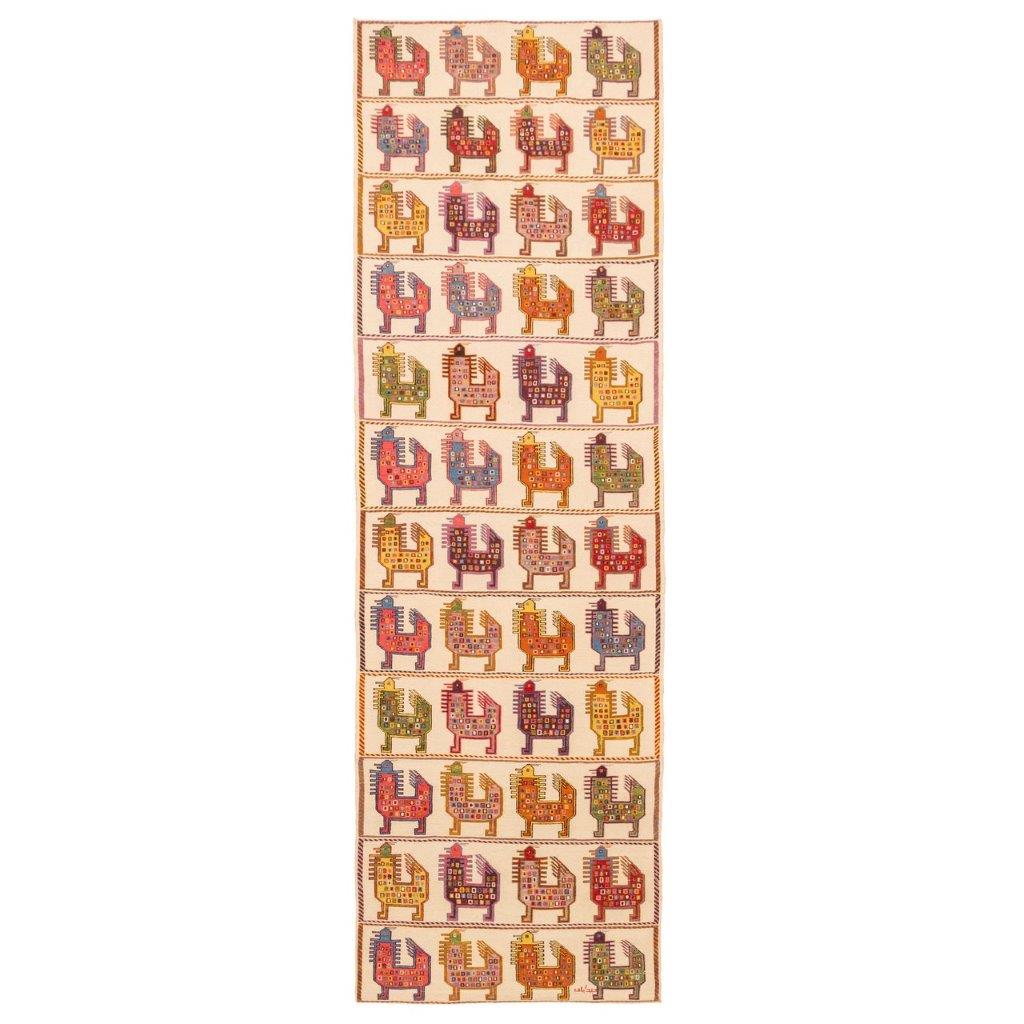
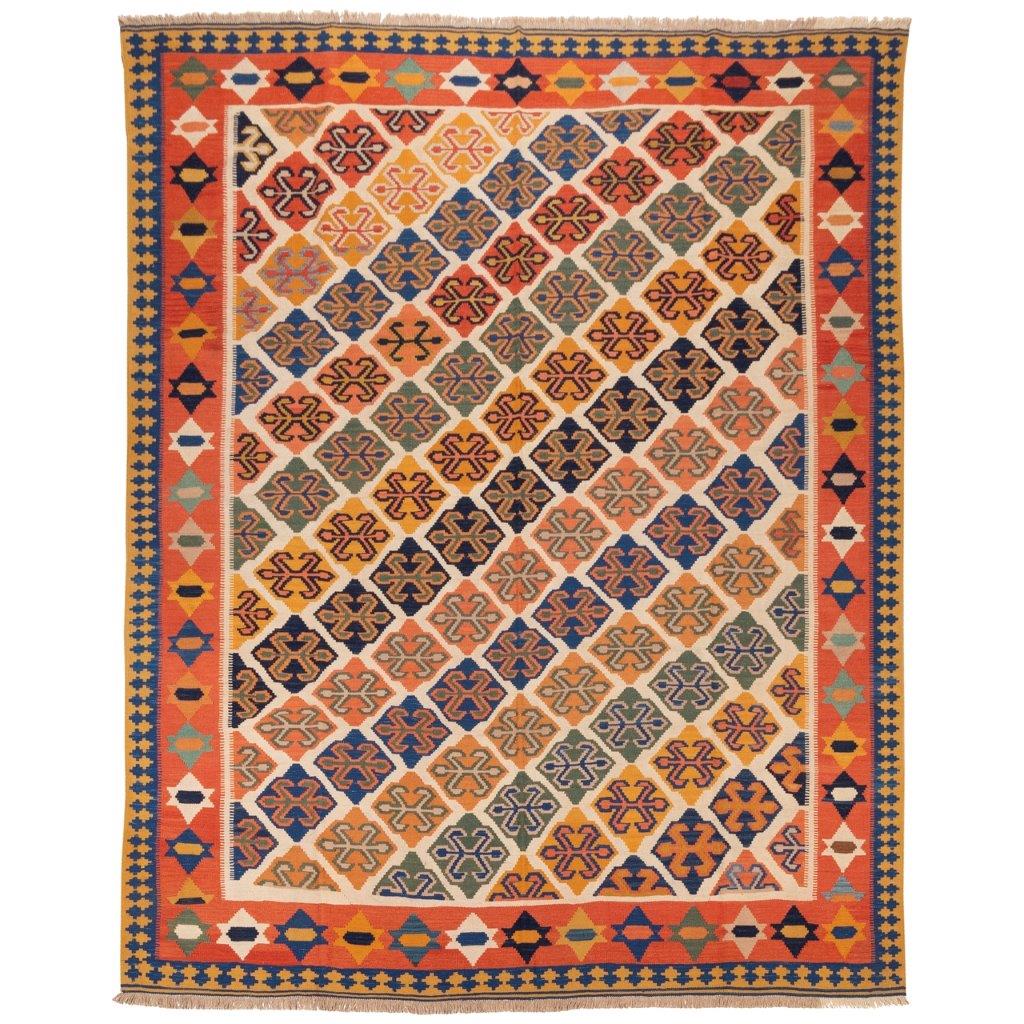


The United States is one of the world’s largest markets for Persian carpets, with a long history of collecting, importing, and appreciating handmade rugs. From historic townhouses in New York and Boston to luxury homes in California, Texas, and Florida, authentic Persian carpets continue to be valued for their craftsmanship, beauty, and lasting appeal.
American homeowners increasingly seek interiors that feel personal rather than mass-produced. Persian carpets offer exactly that. Every handmade rug carries the artistic traditions of its weaving region and the individual characteristics created during the weaving process.
Whether furnishing a Manhattan apartment, a modern home in Los Angeles, a ranch-style residence in Texas, or a historic property in New England, a Persian carpet can bring warmth, texture, craftsmanship, and character to the interior.
Why Persian Carpets Appeal to American Buyers
Individuality in Interior Design
Many American homeowners want interiors that reflect personal taste rather than showroom trends.
Persian carpets offer:
- Hand-knotted craftsmanship
- Artistic heritage
- Natural materials
- Unique designs
- Long-term usability
No two handmade Persian carpets are necessarily identical. Small variations in weave, color, and design are part of what distinguishes handwoven pieces from mass-produced machine-made rugs.
Investment in Quality
Many buyers recognize the difference between disposable décor and products built to last.
A well-made Persian carpet can remain in active use for generations while retaining its beauty and functionality. This durability is one of the reasons handmade Persian carpets continue to attract American homeowners, designers, and collectors.
Buying Persian Carpets in the United States
Buying a Persian carpet in the United States is no longer limited to high-end showrooms or antique dealers. American buyers can access Persian carpets through specialist rug stores, online marketplaces, direct-from-Iran retailers, wholesalers, auctions, and cultural exhibitions.
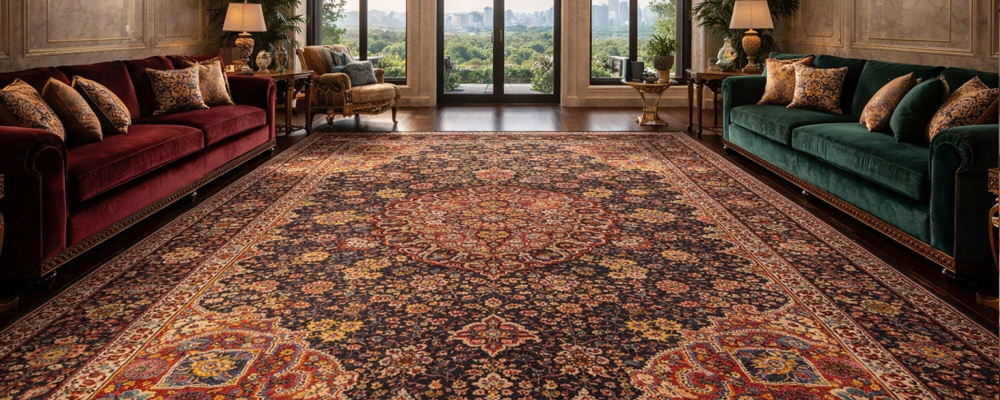
Specialized Rug Stores and Galleries
Major cities such as New York, Los Angeles, San Francisco, and Houston have dedicated Persian carpet dealers and galleries.
These stores often carry hand-knotted rugs from regions such as Tabriz, Kashan, Qom, Isfahan, and Kerman. Visiting a specialist in person allows you to feel the texture, inspect the weave, compare colors, and discuss the carpet’s origin and construction.
Online Marketplaces
Online marketplaces provide access to a much wider selection of Persian carpets, including new, vintage, and antique pieces.
When buying online, look for sellers who provide photographs of the actual carpet, detailed dimensions, material information, condition reports, and clear return policies.
Direct-from-Iran Online Retailers
Buying directly from Iran can provide access to a wider range of regional Persian carpets and individual pieces that may not be available through local American retailers.
Before ordering, confirm the exact carpet, dimensions, materials, payment arrangements, shipping method, tracking information, documentation, and return conditions.
Import and Wholesale Sellers
Cities with established Iranian and Middle Eastern communities may also have importers, wholesalers, and warehouse-style carpet sellers. These businesses can sometimes offer competitive prices, particularly for larger carpets or multiple purchases.
Art and Antique Auctions
American auction houses and antique dealers occasionally offer rare Persian carpets. This route is particularly relevant for buyers interested in antique, collector-grade, or historically significant pieces.
Prices can vary dramatically depending on rarity, age, condition, provenance, artistic quality, and demand.
Cultural Festivals and Exhibitions
Persian cultural events, international rug exhibitions, and carpet shows can provide another opportunity to discover handmade carpets and speak directly with sellers.
What Type of Persian Rug Should You Buy?
For Durability
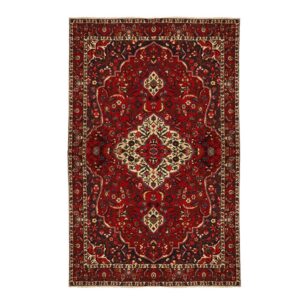
Look for strongly constructed carpets such as Bijar, Heriz, and Hamadan. Their dense or robust construction can make them suitable for living rooms, studies, hallways, and other areas with regular use.
For Luxury and Silk
Qom and fine Isfahan carpets can be appropriate choices when intricate designs, fine craftsmanship, and luxurious materials are the priority.
For Affordability and Character
Gabbeh, Baluch, and Afshar carpets can offer colorful designs, tribal character, and handmade construction at more accessible price levels.
For Collectors
Fine Tabriz, Kashan, Isfahan, and rare antique Persian carpets can be particularly interesting to collectors because of their craftsmanship, history, rarity, and artistic qualities.
Popular Persian Carpet Styles in the United States
Persian carpets come in a wide range of regional styles, from relaxed tribal weavings to highly refined city carpets and luxurious silk rugs. For buyers in the United States, the right choice often comes down to design, durability, size, material, and budget. The guide below combines the most popular styles with their typical characteristics and general price ranges, so each carpet type appears only once.
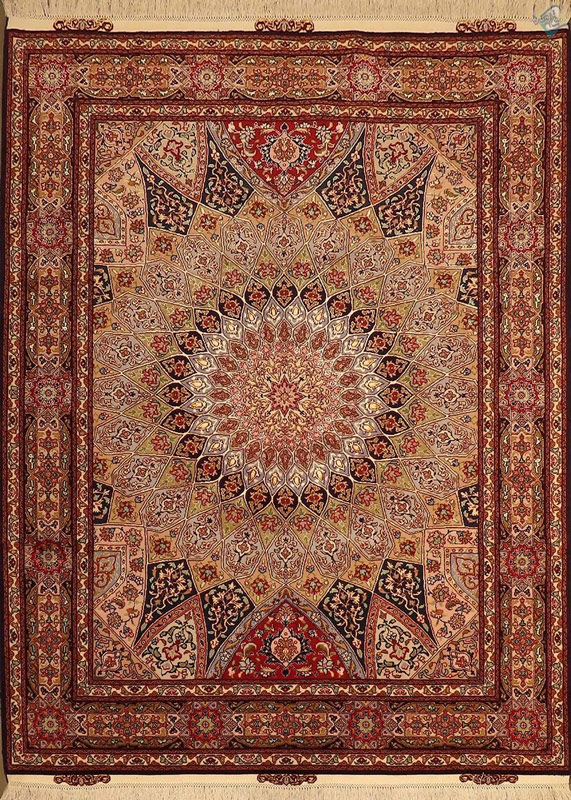
Tabriz Rugs
Tabriz carpets are among the most recognized Persian carpet styles. They are valued for detailed designs, careful craftsmanship, and a wide range of traditional compositions. Their versatility makes them suitable for both classic and contemporary American interiors.
Tabriz rugs can range from floral compositions and traditional medallions to highly elaborate pictorial designs. This variety makes them a popular option for buyers looking for a refined Persian carpet with a distinctive traditional character.
- Small: $500–$1,000
- Medium: $1,500–$3,000
- Large: $4,000–$10,000+
Kashan Rugs
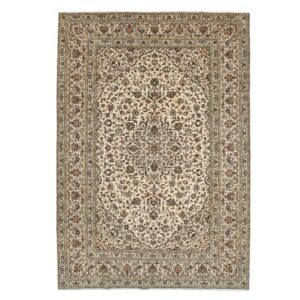
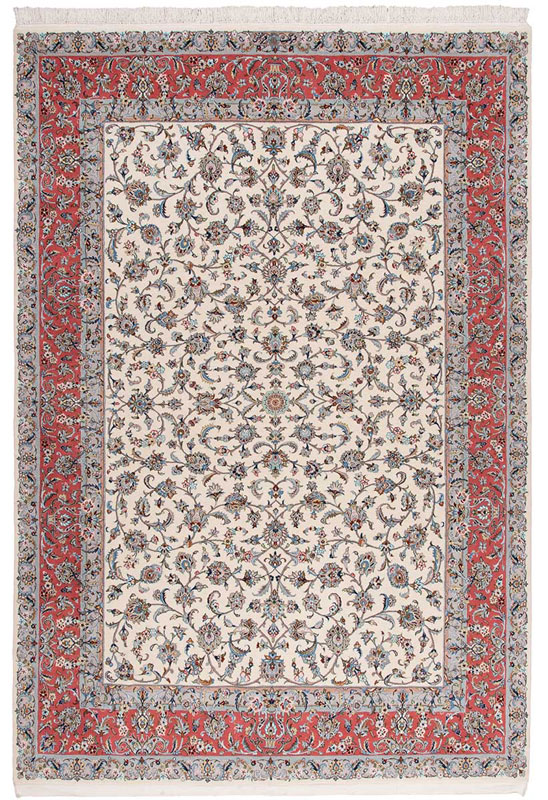
Kashan carpets are particularly associated with elegant floral compositions and traditional medallion designs. Their balanced appearance makes them a strong choice for formal living rooms, dining rooms, libraries, and classic interiors.
- Small: $500–$1,000
- Medium: $1,500–$3,000
- Large: $4,000–$10,000+
Isfahan Rugs
Isfahan carpets are valued for refined patterns, precise weaving, balanced compositions, and sophisticated color combinations. Fine examples may incorporate silk and highly detailed floral designs, giving them an especially elegant appearance.
- Small: $500–$1,000
- Medium: $1,500–$3,000
- Large: $4,000–$10,000+

Qom Silk Rugs
Qom is particularly known for finely woven silk carpets with intricate designs. These luxurious pieces are often chosen for their exceptional detail, delicacy, vibrant colors, and decorative quality.
- Small silk rugs: $800–$1,500
- Medium silk rugs: $2,000–$5,000
- Large silk rugs: $6,000–$15,000+

Heriz Rugs
Heriz carpets are known for bold geometric designs, large-scale medallions, and robust construction. Their strong visual presence makes them especially suitable for living rooms and spaces where a distinctive traditional rug is desired.
- Small: $400–$700
- Medium: $900–$1,500
- Large: $2,000–$4,000

Gabbeh Rugs
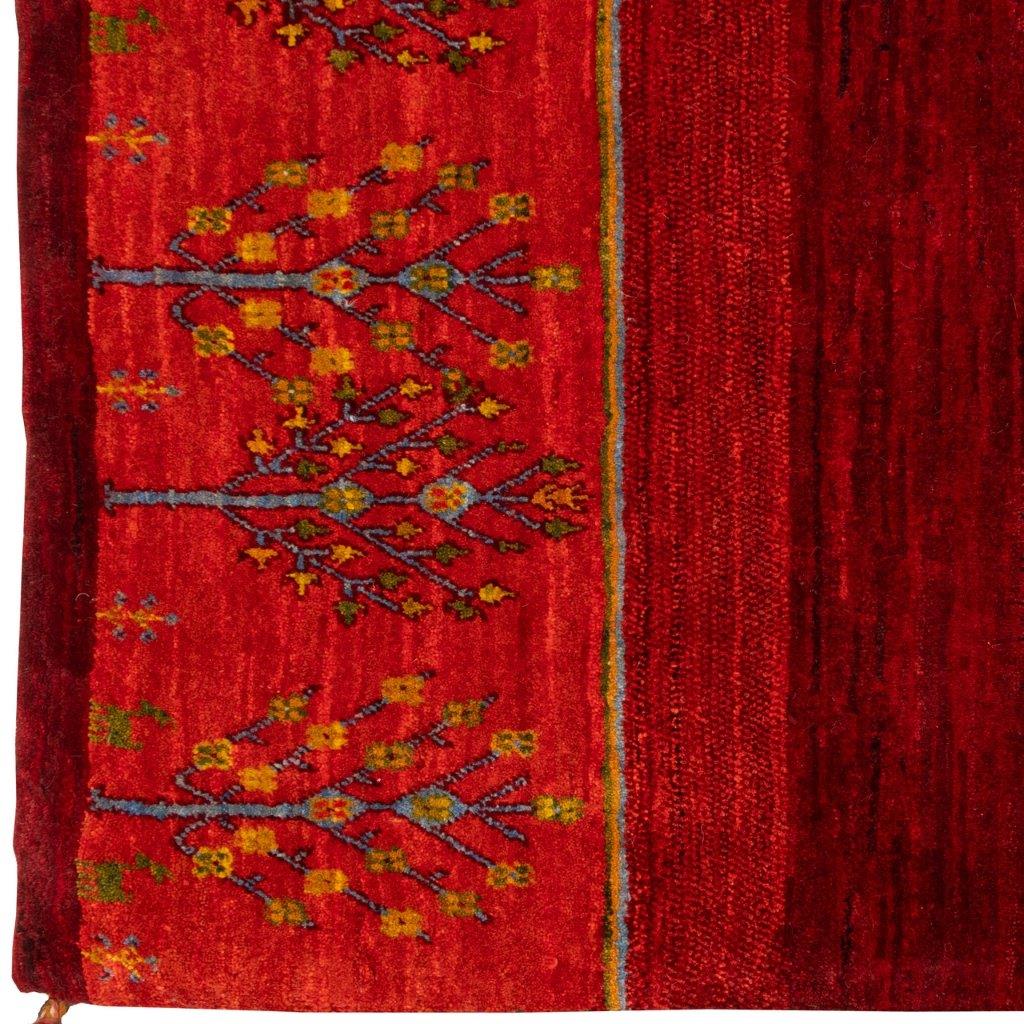
Gabbeh carpets are generally thicker and simpler than many formal Persian rugs, often featuring geometric forms, minimal compositions, and earthy tones. Their relaxed appearance and soft wool make them particularly well suited to contemporary and casual interiors.
- Small, around 2 × 3 ft: $200–$400
- Medium, around 4 × 6 ft: $400–$700
- Large, around 6 × 9 ft or larger: $800–$1,500
Baluch Rugs
Baluch carpets are associated with Baluchi tribal weaving traditions and commonly feature compact geometric designs with deep reds, blues, browns, and other rich colors. Their tribal character makes them appealing in both traditional and eclectic interiors.
- Small: $150–$400
- Medium: $400–$800
- Large or rare: $800–$1,200

Afshar Rugs
Afshar carpets are known for angular medallions, geometric compositions, and vivid tribal motifs. Their strong visual character makes them particularly interesting for eclectic and informal interiors.
- Small: $150–$400
- Medium: $400–$800
- Large or rare: $800–$1,200

Hamadan Rugs
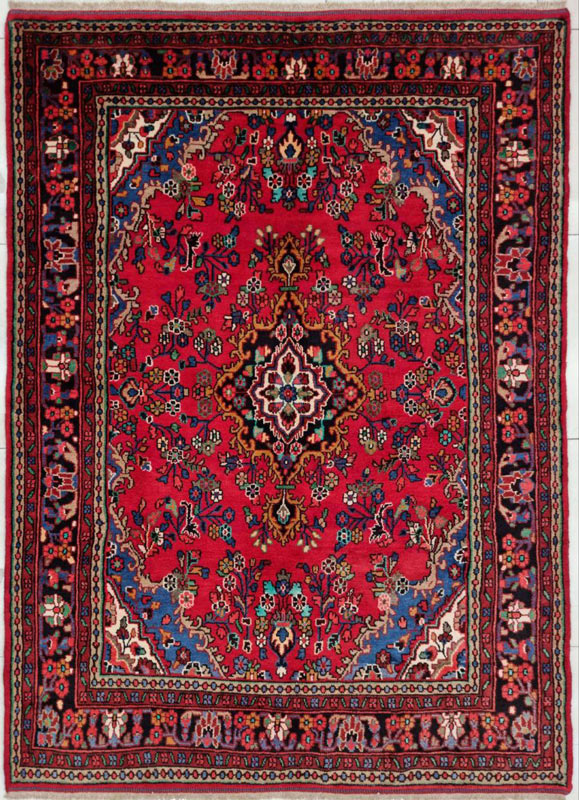
Woven in western Iran, Hamadan rugs come in a wide variety of patterns and colors and are often appreciated for their strength and accessible pricing. They can be a practical choice for buyers who want traditional Persian character at a comparatively approachable price point.
- Small: $250–$500
- Medium: $500–$900
- Large: $1,000–$2,000
Bijar Rugs
Often called the “iron rugs of Iran,” Bijar carpets are dense, heavy, and built for exceptional durability. Their substantial construction makes them an appealing choice for areas that receive regular use while retaining a strong traditional appearance.
- Medium: $1,200–$2,000
- Large: $2,500–$5,000
Antique and Collector-Grade Rugs
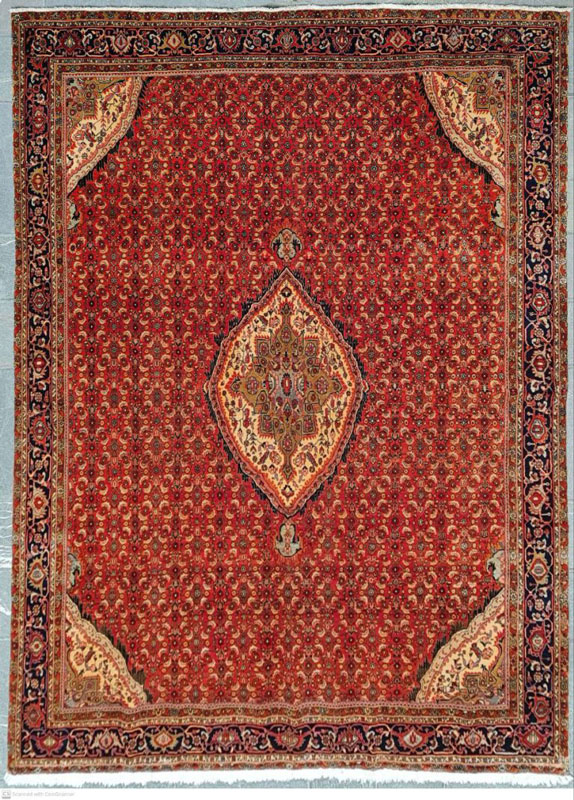
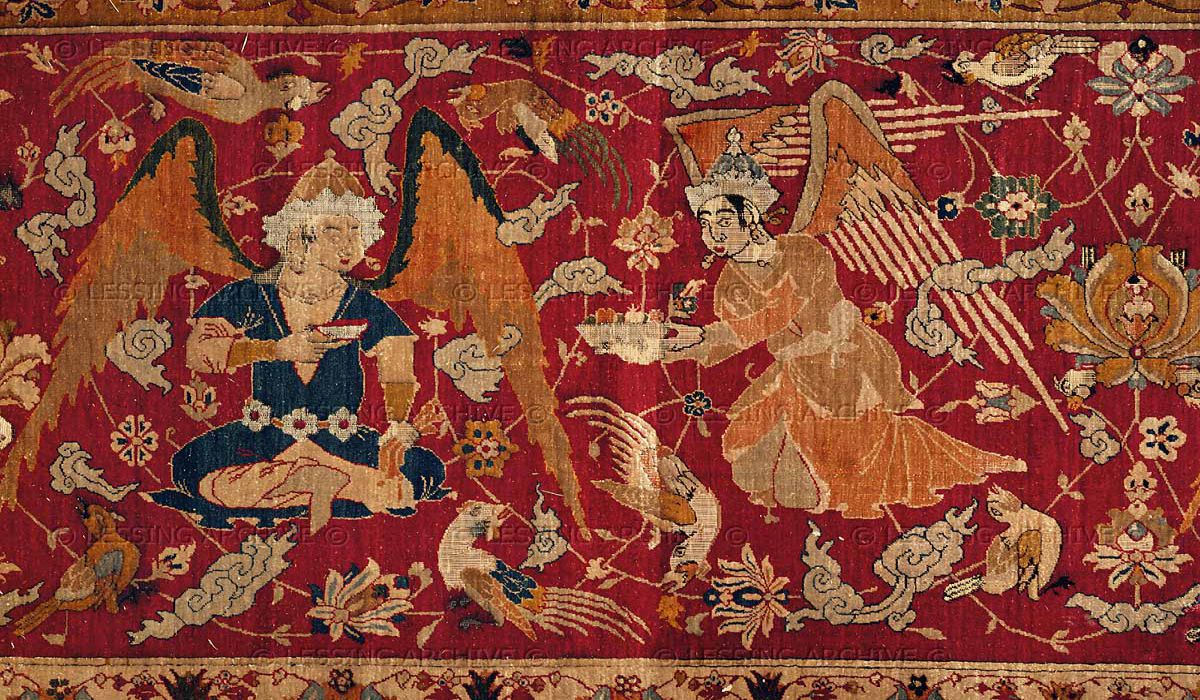
Older and rare Persian carpets can occupy an entirely different price category. Their value depends on factors such as age, rarity, provenance, condition, materials, craftsmanship, artistic quality, and historical significance.
- Typical range: $5,000–$50,000+
How Persian Carpet Prices Vary in the USA
These ranges should be treated as general buying guidance rather than fixed valuations. Two carpets of the same size and regional style can have very different prices because of knot density, wool or silk quality, age, condition, design, rarity, and the reputation of the weaving tradition.
For buyers comparing carpets, size is only one part of the equation. A smaller finely woven silk carpet, for example, can cost considerably more than a much larger tribal wool carpet. Likewise, an older or rare carpet in excellent condition may command a premium well above the typical range for its style.
If you are looking for a specific Persian carpet style, you can browse the available regional collections and compare individual rugs before making a purchase.
Contact Us About a Persian Carpet
How to Identify an Authentic Persian Carpet
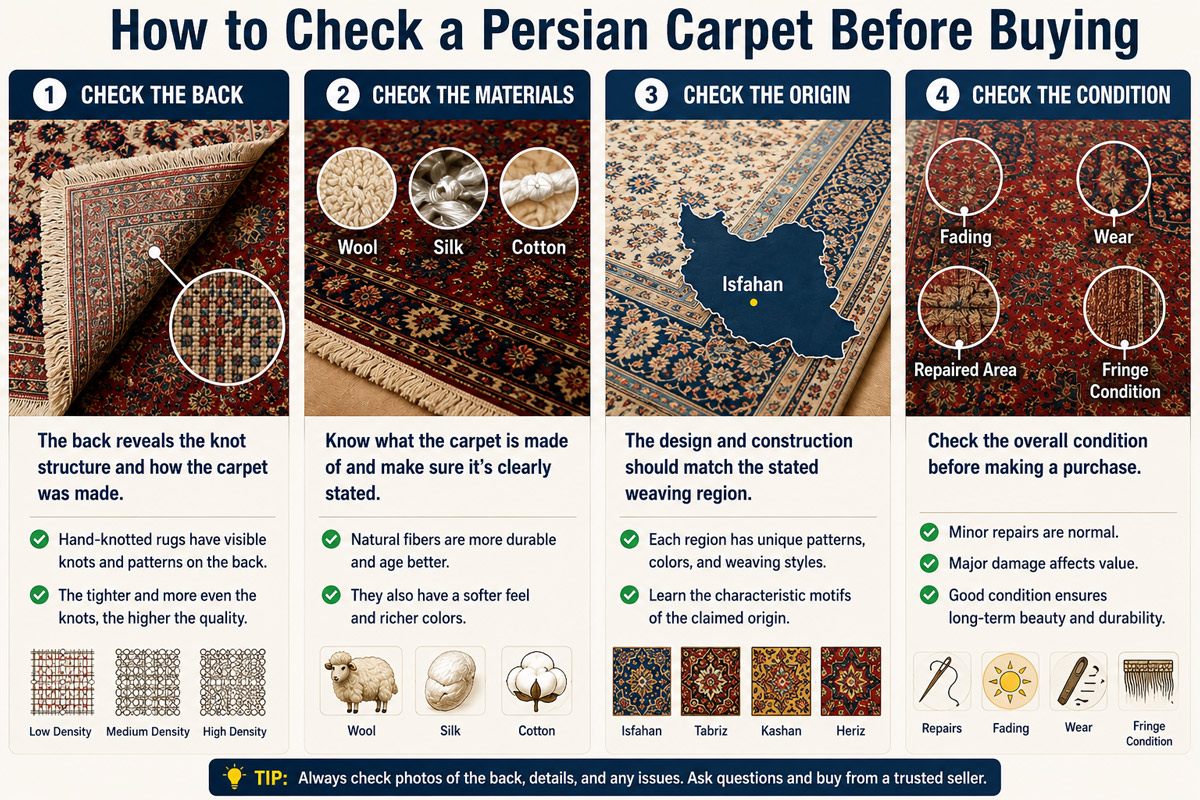
When buying a Persian carpet, look beyond the pattern. A genuine handmade carpet should have clear information about its construction, materials, origin, and condition.
Check the Back
The reverse side can reveal important details about the knots, weaving, and overall construction of a handmade carpet.
Check the Materials
Persian carpets are commonly woven with wool, cotton, silk, or combinations of these materials. A reliable listing should clearly state the materials used.
Consider the Regional Style
Different weaving regions have distinctive designs and construction. Tabriz, Isfahan, Kashan, Qom, and Heriz, for example, each have recognizable characteristics.
Ask About Condition
For older carpets, ask whether the rug has been repaired or restored and make sure any restoration is clearly disclosed.
Request Detailed Photos
When buying online, photographs of the front, back, pile, and overall condition can help you make a more informed decision.
What Should You Check Before Buying?
- Where was it made? Origin can help explain the carpet’s design and construction.
- Is it hand-knotted? Construction is fundamental to understanding the carpet.
- What materials were used? Material affects appearance, durability, texture, and price.
- What are the exact dimensions? Accurate measurements ensure the carpet fits your room.
- Is it new, vintage, or antique? Age affects how the carpet should be evaluated.
- Has it been restored? Repairs and restoration can affect condition and value.
- What is included in the price? This is especially important when buying internationally.
- What is the return policy? This is particularly important for online purchases.
Common Mistakes American Buyers Make
- Choosing the wrong size: Always measure the room and consider the furniture arrangement.
- Buying only by color: A rug can look beautiful online but appear different in the actual room.
- Focusing only on knot density: Knot count is useful information, but it does not tell the entire story.
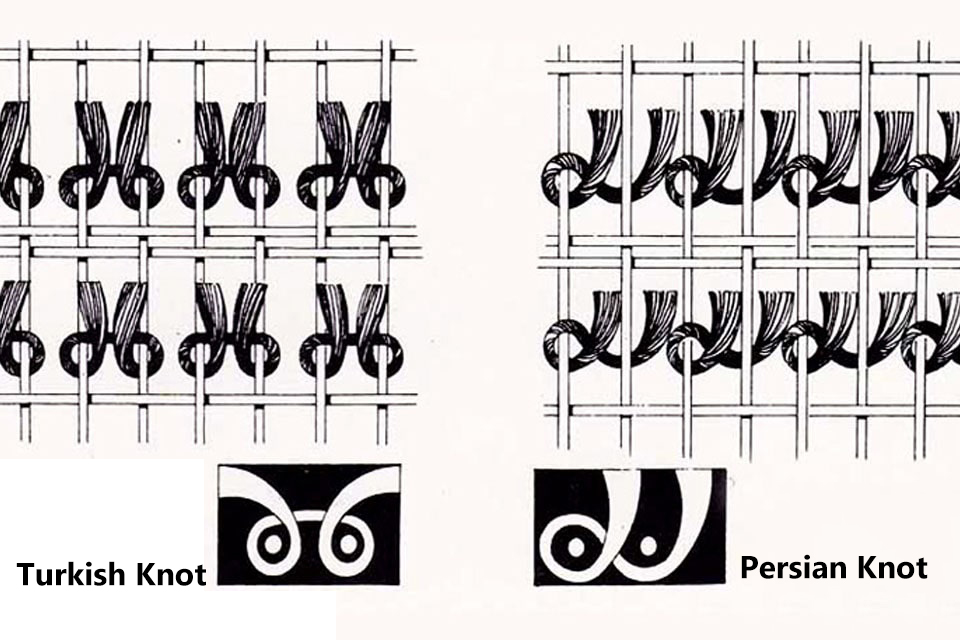
- Ignoring the back of the carpet: The reverse side can reveal important construction details.
- Looking only at the lowest price: Compare materials, construction, condition, origin, and size as well.
- Forgetting additional costs: International buyers should calculate the complete delivered cost.
- Not asking about condition: This is especially important for older or vintage carpets.
Persian Carpets and American Interior Design Trends
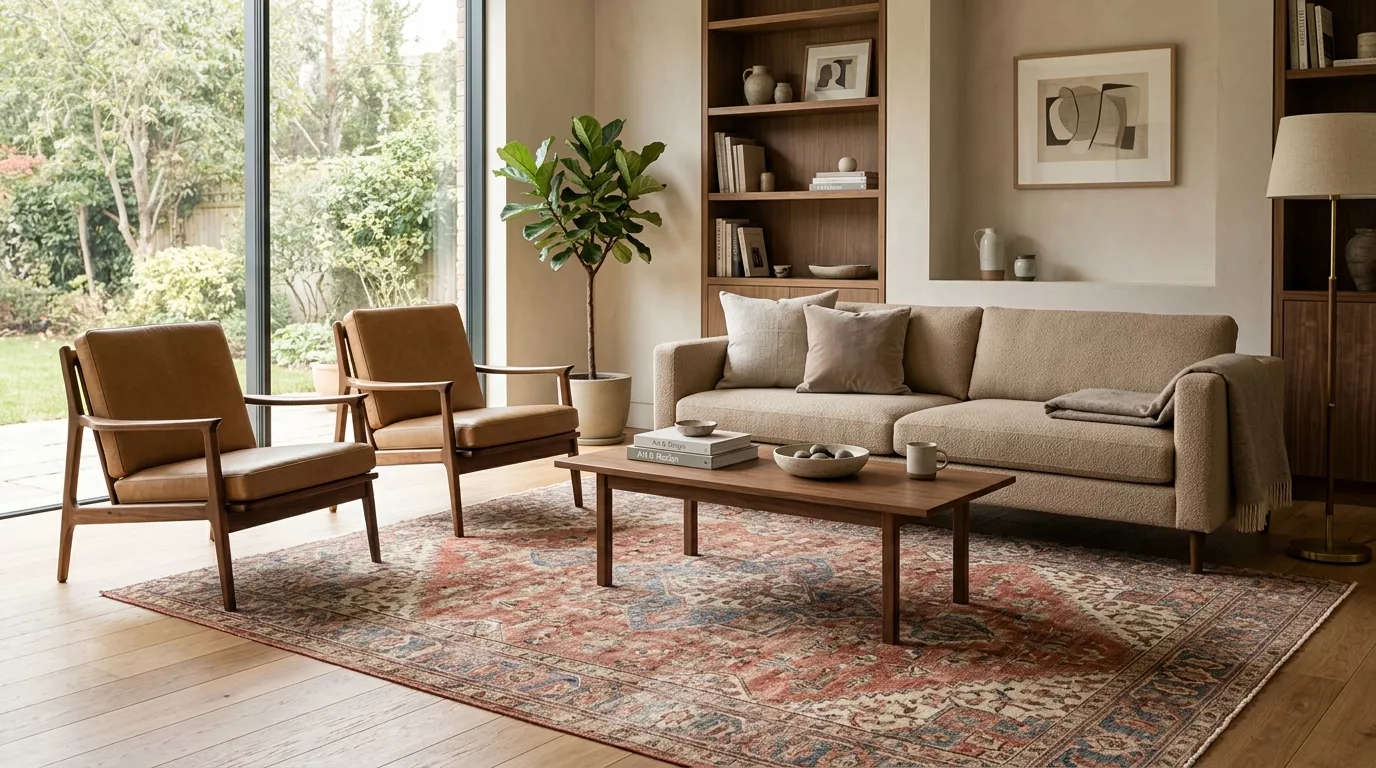
Many popular American design styles emphasize natural materials, artisan craftsmanship, timeless design, and individuality.
Persian carpets fit naturally within these trends.
Whether incorporated into transitional, traditional, modern farmhouse, contemporary, or luxury interiors, they can provide authenticity, texture, and visual depth.
For Modern Interiors
Gabbeh and selected tribal carpets can complement minimalist interiors without overwhelming the room.
For Traditional Interiors
Kashan, Tabriz, Kerman, and richly patterned Isfahan carpets can reinforce a more classical atmosphere.
For Eclectic Interiors
Baluch, Afshar, and other tribal carpets can introduce stronger geometric patterns, unusual color combinations, and individual character.
Why Choose a Handmade Persian Carpet?
A handmade Persian carpet is more than a floor covering. It combines weaving techniques, regional design traditions, natural materials, and individual characteristics created during the weaving process.
No two handmade carpets are necessarily identical. Small variations in the weave, color, and design are part of what distinguishes handwoven pieces from mass-produced machine-made rugs.
For a buyer who wants something individual rather than a standardized interior product, this is one of the strongest attractions of a Persian carpet.
Persian Carpets as Collectible Assets
The United States has a large market for collectible carpets, fine art, and decorative antiques.
Persian carpets fit naturally within this collecting culture.
The value of a collectible Persian carpet can be influenced by craftsmanship, rarity, provenance, materials, condition, artistic quality, and age.
Particularly sought-after categories can include fine Isfahan rugs, silk Qom carpets, antique Tabriz pieces, exceptional Heriz carpets, and rare tribal weavings.
Buying a Persian Carpet Directly From Iran
Buying directly from Iran can provide access to carpets from a wide range of Persian weaving regions and styles.
It can also provide access to individual carpets that may not be readily available through American retailers.
Before placing an order, confirm the exact carpet, dimensions, materials, total price, payment method, shipping arrangements, tracking information, and any documentation supplied with the carpet.
View Available Persian Carpets
Shipping Persian Carpets to the USA
International shipping is an important part of buying a Persian carpet from abroad.
Before ordering, American buyers should understand how the carpet will be packed, which shipping service will be used, whether tracking is available, and what happens if the shipment is delayed or damaged.
Import requirements, taxes, duties, and other charges can depend on the specific shipment and applicable regulations. These details should be confirmed before completing the purchase.
Key Buying Tips for U.S. Buyers
- Check the construction, materials, and stated origin.
- Examine the back of the carpet when possible.
- Ask for detailed photographs of the actual carpet.
- Ask about condition, repairs, and restoration.
- Confirm exact dimensions before ordering.
- Understand the return policy.
- Calculate the complete delivered cost, including shipping and any applicable charges.
- For valuable carpets, request appropriate documentation and provenance information.
Contact Us
Looking for a Persian carpet from Iran for your home in the United States?
Tell us what you are looking for, including your preferred size, style, colors, material, and approximate budget. We can help you explore suitable handmade Persian carpets and provide information about individual pieces.
Contact us to tell us what kind of Persian carpet you are looking for.
Frequently Asked Questions About Persian Carpets in the United States
Can I buy a Persian carpet from Iran and have it delivered to the USA?
Yes, international delivery can be arranged, but shipping, import requirements, taxes, duties, and other conditions depend on the specific shipment and applicable regulations. Confirm the complete delivery conditions before ordering.
Are Persian carpets expensive in the United States?
Prices vary considerably. Handmade Persian carpets can range from relatively affordable tribal rugs to highly refined silk carpets and rare antique pieces. Size, material, craftsmanship, origin, age, condition, and rarity all influence the price.
Which Persian carpet is best for an American home?
There is no single best option. Gabbeh can work well in modern interiors, Heriz and Bijar can be suitable for areas where durability matters, while Tabriz, Isfahan, and Kashan can provide a more refined traditional appearance.
How can I tell if a Persian carpet is handmade?
Examine the back of the carpet and look closely at the knot structure and construction. Materials, finishing, regional characteristics, and other details should also be considered rather than relying only on the appearance of the pile.
What size Persian rug should I buy for my living room?
The appropriate size depends on the dimensions of the room and the arrangement of your furniture. Common American rug sizes include 5 × 8 feet, 6 × 9 feet, 8 × 10 feet, and 9 × 12 feet, but the best size depends on the specific space.
Are Persian carpets suitable for modern American homes?
Absolutely. Simpler Gabbeh rugs can complement minimalist interiors, while geometric Heriz carpets and refined Tabriz or Isfahan designs can create an attractive contrast with contemporary furniture.
Should I choose a wool or silk Persian carpet?
Wool is generally a practical choice for regular household use because of its durability and comfort. Silk is finer and more delicate and is often chosen for formal or decorative spaces. The best material depends on how the carpet will be used.
Should I ask for a certificate of authenticity?
Documentation can be useful, particularly for valuable or antique carpets, but it should not be the only basis for judging a carpet. Information about origin, materials, construction, condition, and photographs of the actual piece are also important.
Can Persian carpets increase in value?
Some rare and high-quality Persian carpets can become valuable collector pieces, but appreciation is not guaranteed. Rarity, age, provenance, condition, artistic quality, craftsmanship, and market demand can all affect future value.