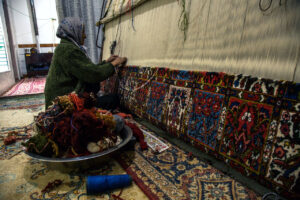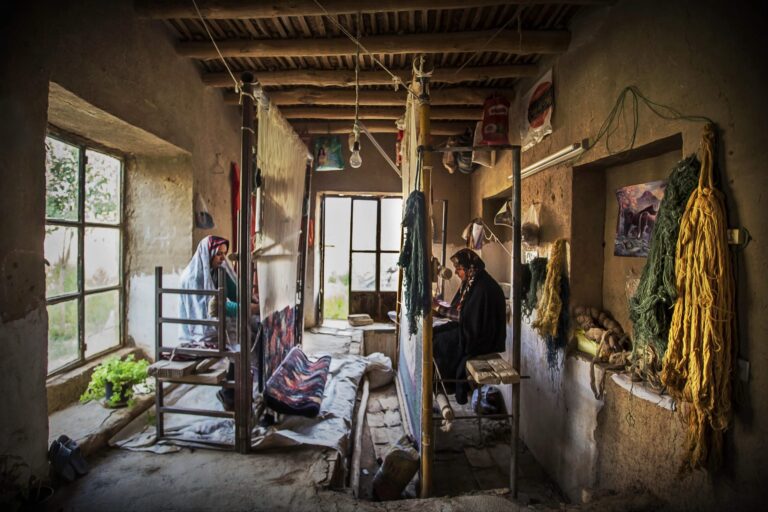
Handwoven carpets have long held a cherished place in Iranian culture—not just as floor coverings, but as works of art and expressions of identity. For generations, families in Iran have appreciated both the functional and aesthetic aspects of these rugs.
However, in recent years, the growing availability of machine-made carpets, combined with economic pressures and inflation, has led many buyers to opt for cheaper alternatives. While machine-made carpets may offer lower prices, they cannot compare to the long list of advantages offered by authentic handwoven rugs—many of which remain unknown to the average buyer.
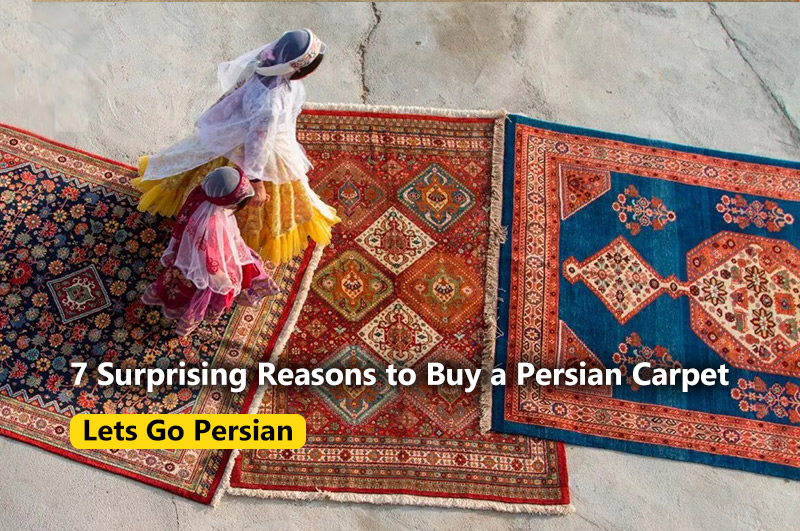
Here are seven compelling reasons to consider buying a handwoven Persian carpet instead of a synthetic, mass-produced one:
1. Superior Durability
A genuine handwoven rug is built to last for decades—even centuries—with proper care. Each knot is firmly tied into the foundation, making the structure incredibly strong. Unlike machine-made carpets that rely on glue to keep the fibers in place (which weakens with time and washing), handwoven rugs maintain their integrity and beauty for generations.
2. Made with Safe, Natural Materials
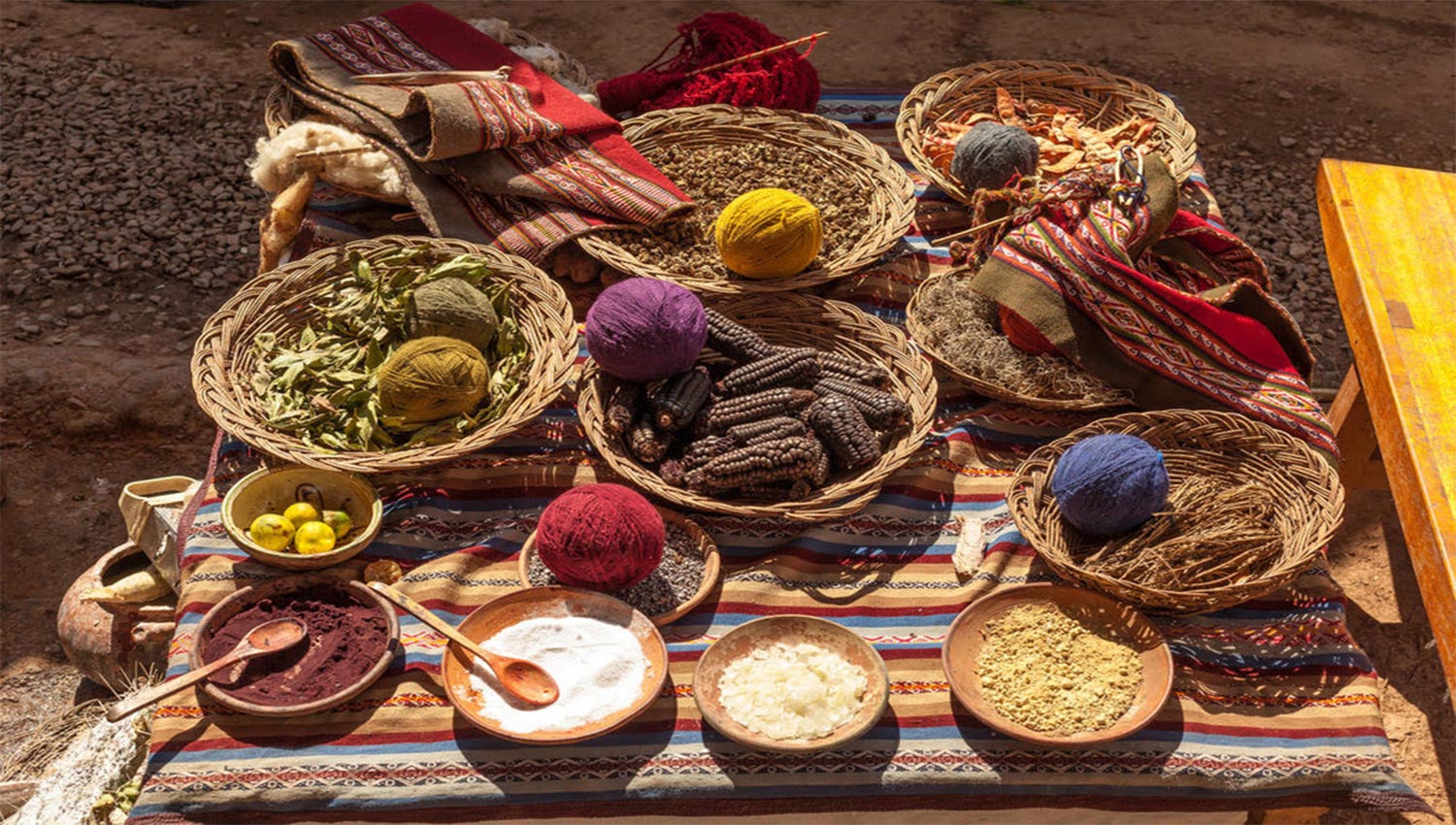
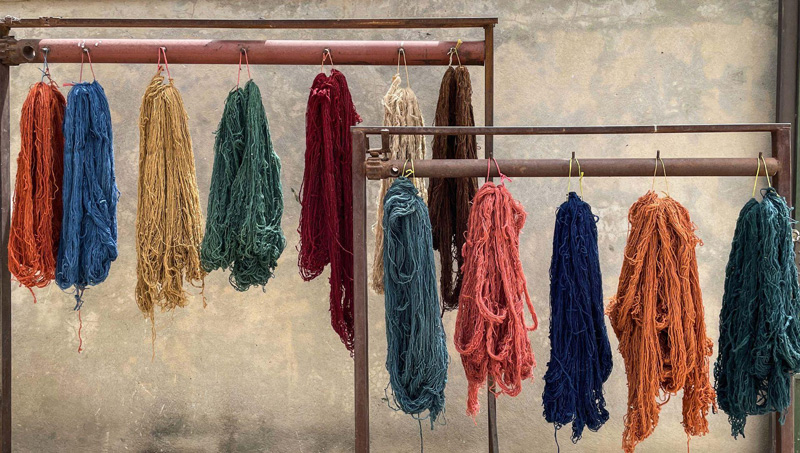
Handwoven Persian rugs are made using 100% natural fibers—wool, cotton, or silk—and dyed using plant- or mineral-based dyes. These materials are non-toxic, hypoallergenic, and safe for children and sensitive individuals. While machine-made carpets are often made with synthetic fibers, handwoven rugs offer a cleaner, healthier alternative for your home.
3. Natural Sound Insulation
Thanks to their dense wool and natural fibers, handmade carpets naturally absorb sound, reducing echo and background noise. This makes them ideal for creating a calm, quiet atmosphere at home or in a workspace. Even professional recording studios sometimes use Persian rugs to improve room acoustics.
4. Environmentally Friendly
The materials used in handmade rugs—such as wool and natural dyes—are biodegradable and sustainable. In contrast, machine-made rugs are typically produced from petroleum-based materials that take decades to decompose. Additionally, the shearing of wool used in handmade rugs is a cruelty-free process and often beneficial for sheep, especially during warmer seasons.
5. Year-Round Comfort
Natural wool fibers help regulate temperature. In summer, they remain cool to the touch; in winter, they retain warmth. This natural insulation enhances comfort throughout the seasons—something synthetic fibers simply can’t replicate.
6. More Beautiful with Age
Unlike mass-produced carpets that wear out over time, handwoven Persian rugs age gracefully. The more they are used, the softer they become underfoot. The natural dyes also mellow and deepen over time, adding to the rug’s character and appeal.
7. A Long-Term Investment
Handwoven carpets are one of the few home items that can increase in value over time. With proper care, a quality rug can be resold for more than its original price—much like gold or fine art. In contrast, used machine-made carpets hold little to no resale value.
Final Thought
These were just a few of the many benefits of investing in a handwoven Persian carpet. Whether you’re buying for your home, your health, or your future, a handmade rug offers beauty, quality, and value that lasts a lifetime.
Do you own a handmade carpet? Share your experience with us in the comments and let others know why you chose a piece of tradition over mass production.