Buying Persian Carpet in Germany
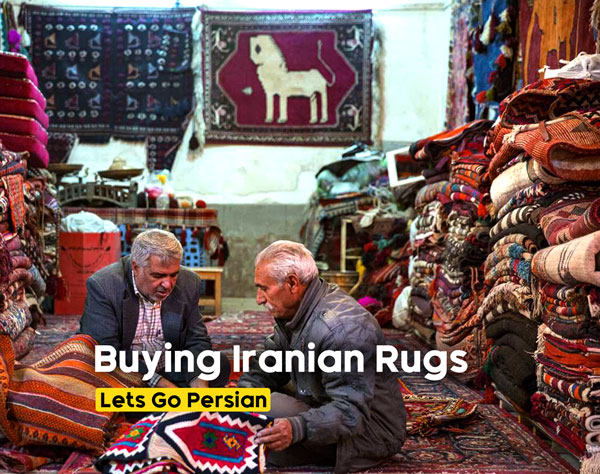
Germany is one of the strongest markets in Europe for authentic Persian carpets. With a long history of appreciation for oriental textiles, German buyers can access a wide variety of handwoven rugs—both in-store and online—with strong consumer protections and access to expert dealers.
Where to Buy Persian Carpets in Germany
1. Carpet Galleries and Showrooms
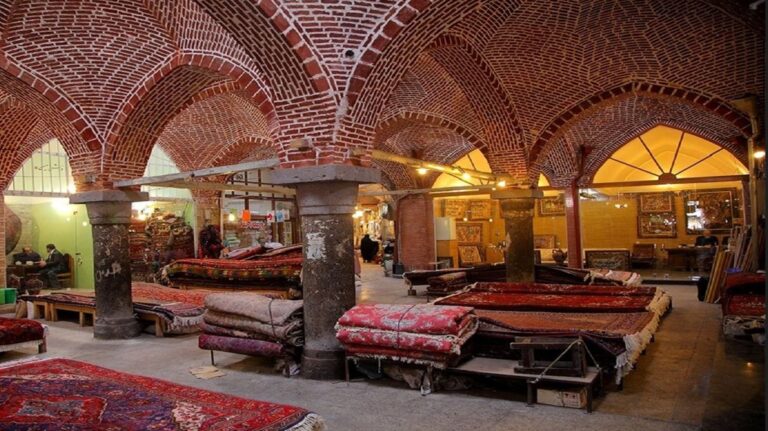
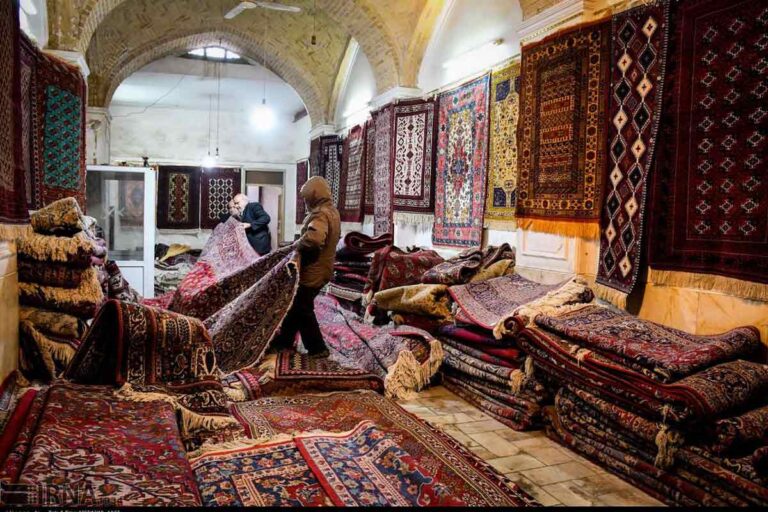
Cities like Berlin, Hamburg, Frankfurt, Munich, and Cologne have dedicated oriental carpet shops. These stores often showcase a range of styles including Tabriz, Kashan, Qom, and Gabbeh. Staff are usually knowledgeable, and many offer certificates of authenticity.
2. Online German Retailers
Platforms like Teppich.com, benuta.de, or specialized oriental rug shops offer Persian rugs with clear product listings, return policies, and local customer service. These sites are ideal for comparing prices and styles from the comfort of home.
3. Global Marketplaces
Amazon.de, Etsy, and eBay.de host international sellers, including Iranian exporters. When using global marketplaces, make sure to check reviews, verify return policies, and factor in customs charges for items shipped from outside the EU.
4. Persian Expat Dealers
Germany is home to a large Iranian community. Some family-run carpet shops offer direct imports from Iran and may allow better price negotiation. These businesses often blend retail and wholesale.
5. Antique Shops and Auctions
Major auction houses and antique dealers may have vintage or rare Persian carpets. Prices can vary widely, and this is best for buyers looking for collector pieces.
Popular Types of Persian Rugs in Germany
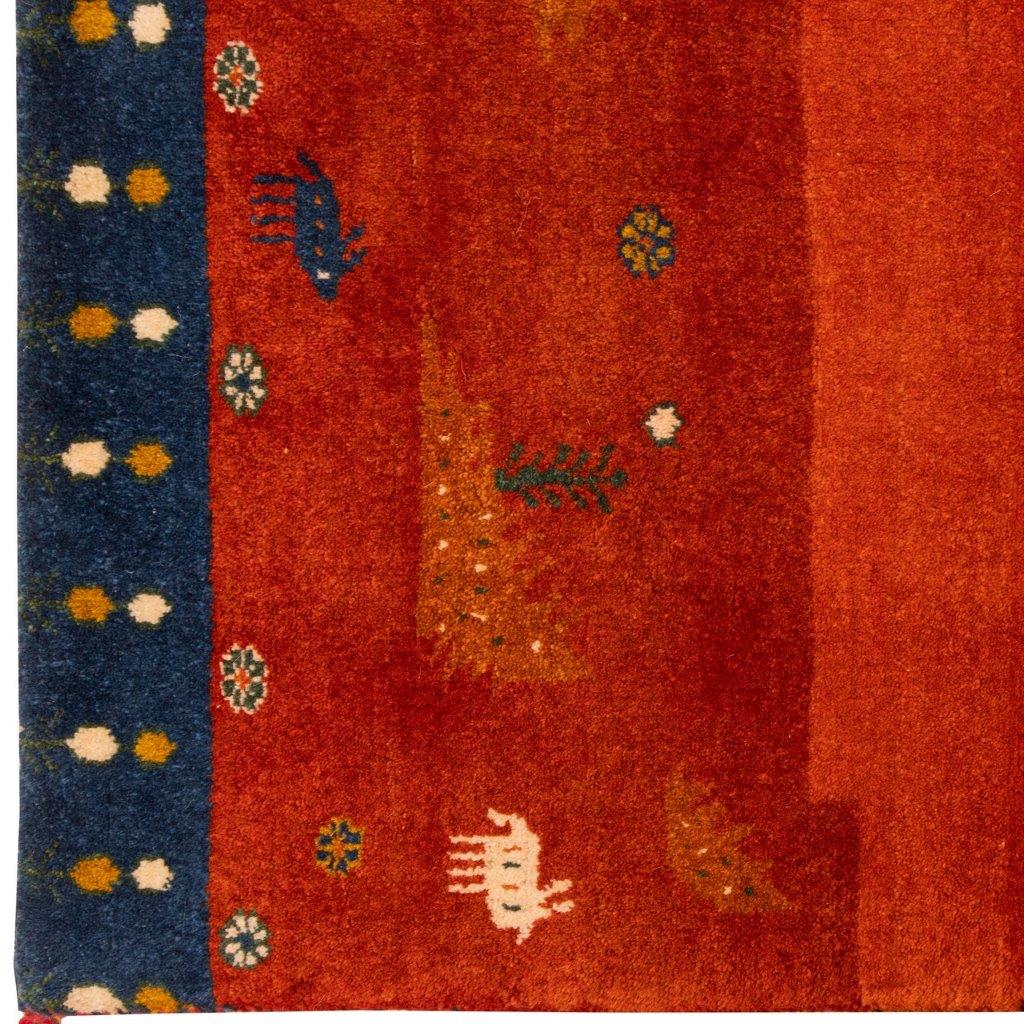
- Gabbeh: Popular for modern homes, minimalistic and thick.
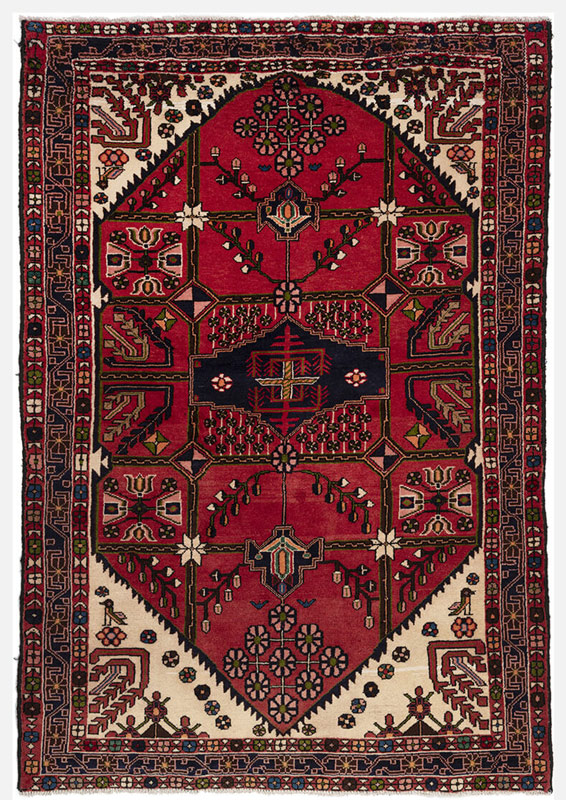
- Tabriz: Favored for intricate detailing and prestige.
- Kashan & Isfahan: High-quality floral designs for formal rooms.
- Bidjar & Heriz: Durable rugs for everyday use.
Price Ranges in Germany (Estimates)
- Gabbeh: €300 – €1,200 depending on size
- Hamadan, Baluch, Afshar: €250 – €1,000
- Tabriz, Kashan, Isfahan (medium wool): €1,000 – €3,500
- Qom Silk Rugs: €2,000 – €10,000+
- Antique/Collector Pieces: €4,000 – €50,000+
Tips for German Buyers
- Always ask for an Echtheitszertifikat (certificate of authenticity).
- Check knot density (Knotenzahl), material, and origin.
- Prefer brick-and-mortar stores or trusted online retailers with Sitz in Deutschland.
- Watch for sales (e.g., seasonal offers or inventory clearance) that can bring discounts.
Germany has one of Europe’s strongest traditions of appreciating quality craftsmanship, engineering excellence, and products designed to last. These values align remarkably well with the traditions of Persian carpet weaving. For decades, authentic Persian carpets have been highly regarded by German homeowners, collectors, architects, and interior designers who value substance over short-lived trends.
From elegant apartments in Munich and Hamburg to family homes in Frankfurt, Düsseldorf, Stuttgart, and Berlin, Persian carpets continue to be chosen for their durability, artistic quality, and timeless appeal. Unlike mass-produced rugs, a genuine Persian carpet combines craftsmanship, cultural heritage, and long-term value in a single piece.
For many buyers in Germany, a Persian carpet is not simply an interior accessory. It is an investment in quality and a statement of appreciation for authentic craftsmanship.
Why Persian Carpets Appeal to German Buyers
Appreciation for Quality and Precision
German consumers are often known for making informed purchasing decisions based on quality, durability, and performance.
Persian carpets naturally appeal because they offer:
Hand-knotted craftsmanship / natural materials / artistic heritage / exceptional durability / individuality.
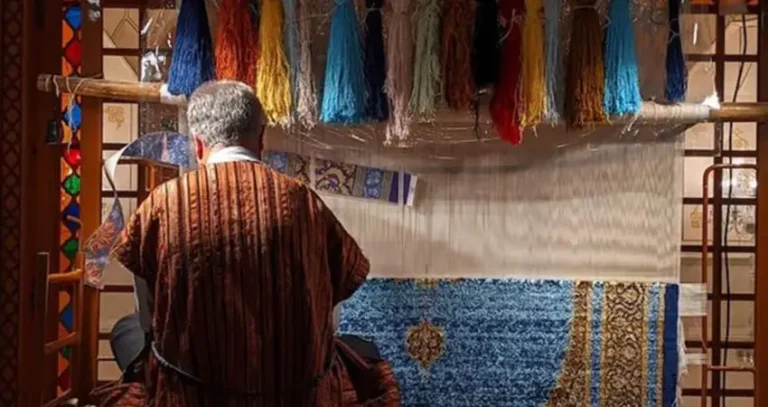
Unlike machine-made alternatives, authentic Persian carpets are created through techniques that have been refined over centuries.
Built to Last Generations
Many German homeowners value products with long life cycles rather than disposable furnishings.
A well-made Persian carpet can remain in active use for decades while maintaining its beauty and structural integrity.
This focus on longevity makes Persian carpets particularly attractive within the German market.
Persian Carpets in Contemporary German Interiors
Modern homes throughout Berlin, Munich, Frankfurt, Hamburg, and Cologne often feature:
Natural wood flooring / minimalist architecture / neutral color palettes / premium materials / clean design lines.
Persian carpets provide warmth and visual depth while preserving the elegance of contemporary interiors.
Many designers intentionally introduce Persian rugs to create contrast against minimalist environments and prevent spaces from feeling overly sterile.
Expert Tip
For contemporary German interiors, Isfahan and Nain carpets are often excellent choices because their refined patterns and balanced colors complement modern architecture without overwhelming the room.
Persian Carpets in Historic German Homes
Germany’s historic residences frequently feature:
Parquet flooring / decorative moldings / traditional craftsmanship / period architecture.
Persian carpets fit naturally within these environments.
Popular choices include:
Kashan carpets for formal living rooms / Tabriz rugs for reception areas / Isfahan masterpieces for elegant interiors / Kerman carpets for richly detailed homes.
These carpets reinforce the character of historic properties while adding warmth and artistic sophistication.
Persian Carpets for Modern Family Homes
Many German family homes emphasize:
Functionality / comfort / quality materials / timeless design.
Persian carpets complement these priorities exceptionally well.
Homeowners often select:
Tabriz carpets for living rooms / Heriz rugs for high-traffic areas / Kashan carpets for formal spaces / tribal carpets for relaxed interiors.
Their durability makes them particularly suitable for homes intended to be enjoyed for many years.
Why Tabriz Carpets Are Especially Popular in Germany
Among Persian weaving centers, Tabriz carpets have long enjoyed strong recognition in Germany.
Their popularity stems from:
Outstanding craftsmanship / versatile designs / durability / suitability for a wide range of interiors.
Tabriz carpets are known for:
Fine knotting / balanced medallion designs / floral compositions / exceptional detail.
Because they adapt equally well to traditional and contemporary interiors, they remain one of the most sought-after Persian carpet categories in the German market.
How to Identify an Authentic Persian Carpet
Look Beyond Appearance
Many rugs imitate Persian designs while lacking genuine Persian craftsmanship.
Authentic Persian carpets should demonstrate:
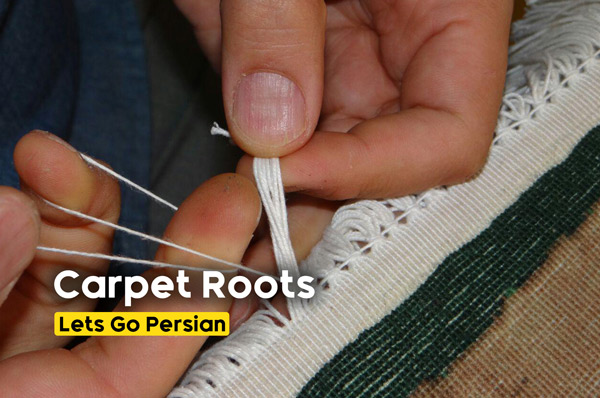
Hand-knotted construction / visible knots on the reverse side / natural fibers / regional design characteristics / careful finishing.
Understand the Materials
Traditional Persian carpets are woven using:
Wool / silk / cotton.
Natural materials provide durability, richness of color, and graceful aging that synthetic fibers rarely achieve.
Recognize Regional Characteristics
Each Persian weaving region possesses unique characteristics.
Tabriz emphasizes precision and detail / Isfahan elegance and refinement / Kashan classical medallions / Qom silk artistry / Heriz bold geometric designs.
Understanding these differences helps buyers evaluate authenticity and craftsmanship.
Persian Carpets and German Interior Design
Many German interiors prioritize:
Functionality / quality materials / timeless aesthetics / thoughtful design.
Persian carpets integrate naturally into these environments because they combine beauty with practicality.
Their ability to work within both minimalist and traditional spaces makes them exceptionally versatile.
Whether paired with contemporary furniture or classic interiors, Persian carpets add character without compromising elegance.
Common Mistakes German Buyers Make
Selecting a carpet solely based on color / focusing only on knot density / purchasing a rug that is too small for the room / overlooking provenance / choosing a carpet based only on price.
Another common mistake is evaluating carpets exclusively through technical specifications.
While construction quality is important, artistic balance, regional authenticity, and overall craftsmanship are equally significant.
Persian Carpets as Collectible Assets
Germany has a well-established market for art, antiques, and high-quality handcrafted objects.
Persian carpets fit naturally within this environment.
Their value is influenced by:
Craftsmanship / rarity / provenance / materials / condition / artistic quality / age.
Particularly desirable categories include:
Fine Isfahan rugs / silk Qom carpets / antique Tabriz pieces / exceptional Heriz carpets / rare tribal weavings.
As traditional hand-knotting becomes increasingly rare, exceptional Persian carpets continue to attract collectors, homeowners, and interior designers seeking objects that combine beauty, heritage, and long-term value.
Provenance & Authenticity
Every Carpet Has a Story
Authenticity is about far more than a label. A genuine Persian carpet can be traced through its materials, weaving techniques, regional design characteristics, and construction methods. Many rugs marketed as “Persian-style” today are produced outside Iran, making provenance increasingly important for serious buyers.
Our Authenticity Standards
Each carpet is carefully evaluated for:
- Region of origin
- Knotting technique
- Material composition
- Dye characteristics
- Structural integrity
- Age and condition
- Design consistency
What We Document
Whenever available, we provide:
- Weaving region
- Production period
- Material details
- Knot density range
- Restoration history
- Collection history
- Photographs of front and back
Authenticity Indicators
Authentic Persian rugs typically display:
- Visible hand-knotting on the reverse side
- Natural irregularities from hand weaving
- Integrated fringes that form part of the foundation
- Wool, silk, or cotton construction
- Regional design characteristics specific to their origin
Our goal is complete transparency, allowing buyers to understand exactly what they are purchasing.
How We Source Our Carpets
Direct Relationships Matter
The quality of a Persian carpet is determined long before it reaches a showroom. That is why sourcing is one of the most important aspects of our business.
Selected Workshops and Trusted Networks
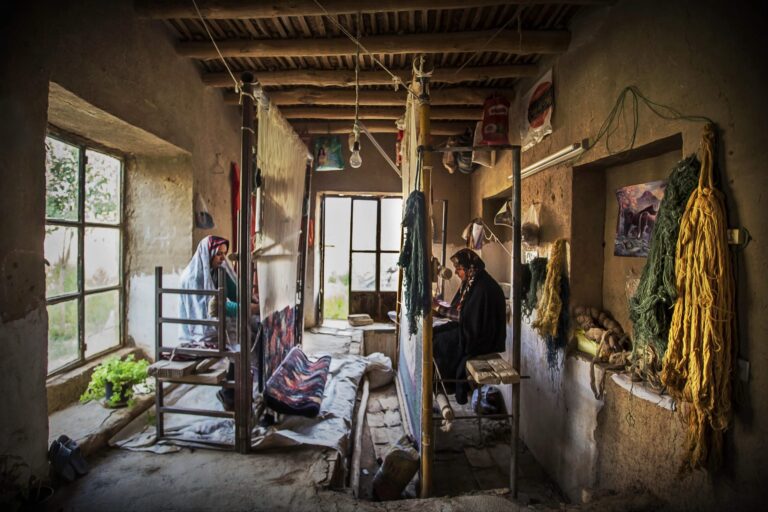
We work with established weaving workshops, regional dealers, collectors, and long-standing carpet families across Iran’s major carpet-producing regions.
Rather than purchasing anonymous bulk inventory, we focus on carefully selected individual pieces that meet strict standards for craftsmanship and authenticity.
What We Look For
Every carpet is assessed for:
- Quality of wool or silk
- Knotting precision
- Design execution
- Color harmony
- Structural condition
- Long-term durability
Preservation of Traditional Weaving
We actively seek carpets that preserve authentic regional traditions rather than generic export designs. This helps support weaving communities while ensuring customers receive carpets with genuine cultural and artistic value.
Quality Over Quantity
Many carpets are rejected during the sourcing process. We prefer smaller collections of exceptional carpets rather than large inventories of average products.
Customer Reviews
What Our Clients Say
★★★★★
“The level of detail and authenticity exceeded our expectations. We spent months searching in Germany before finding a genuine Tabriz carpet with documented provenance.”
— Michael S., Munich
★★★★★
“The guidance was invaluable. Instead of pushing expensive options, they helped us select a Nain carpet that perfectly suited our modern home.”
— Claudia R., Hamburg
★★★★★
“We purchased a silk Qom rug for our study. The craftsmanship is extraordinary, and the transparency regarding origin and materials gave us complete confidence.”
— Thomas W., Frankfurt
★★★★★
“Unlike many dealers, they explained the differences between regions, materials, and knot densities. We felt educated rather than sold to.”
— Anna & Markus B., Berlin
★★★★★
“Our Heriz carpet has become the focal point of our living room. The quality is remarkable and exactly as described.”
— Stefan L., Stuttgart