Buying Persian Carpet in Turkey: A Tale of Two Traditions
Turkey is globally renowned for its own rich carpet-weaving heritage, yet it also remains an active market for authentic Persian carpets. With a deep cultural appreciation for hand-knotted rugs and a strategic location between Europe and the Middle East, Turkish buyers and collectors can easily access Iranian masterpieces.
Where to Buy Persian Carpets in Turkey
1. Carpet Bazaars and Historic Markets
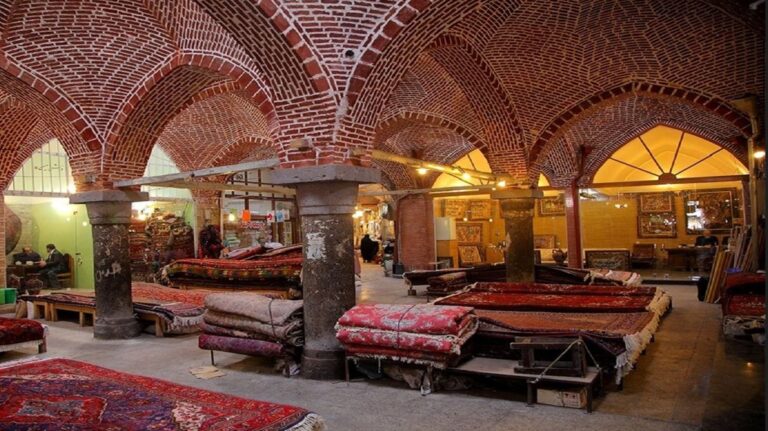
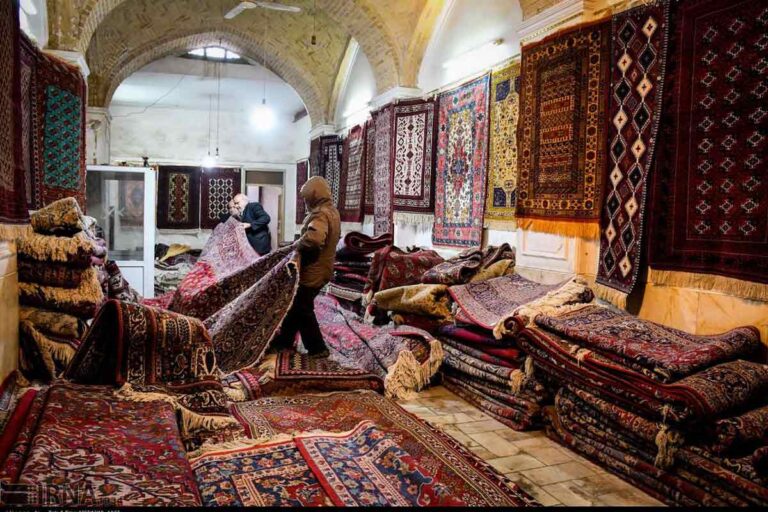
Istanbul’s Grand Bazaar (Kapalıçarşı) and Ankara’s Ulus Bazaar are prime destinations for buying Persian carpets. Many shops here stock both Turkish and Persian rugs, with options for every budget.
2. Persian Carpet Dealers and Boutiques
Some stores in cities like Istanbul, Izmir, Antalya, and Konya specialize in imported Persian carpets—especially in tourist-heavy districts or upscale neighborhoods. These are often run by Iranian expats or partnered traders.
3. Online Platforms and Retailers
Turkish websites like Trendyol, Sahibinden, and Hepsiburada sometimes list Persian rugs. However, these are often reproductions or machine-made styles—check carefully for “el dokuması İran halısı” (handwoven Iranian carpet).
4. Iranian Community and Trade Events
Iranian cultural festivals and events in Istanbul or Ankara may feature direct vendors from Iran offering authentic rugs at competitive prices.
5. Luxury Home Stores and Design Studios
High-end interior design boutiques and galleries often carry or custom-order Persian carpets for clients seeking statement pieces.
Popular Persian Rugs in Turkey
- Qom Silk & Isfahan: Admired for their refinement in formal spaces.
- Tabriz & Kashan: Often placed in reception rooms and villas.
- Gabbeh & Tribal Rugs: Favored in contemporary and artistic interiors.
- Bidjar & Heriz: Chosen for their durability and geometric patterns.
Estimated Prices in Turkey (TRY)
- Gabbeh / Tribal Rugs: ₺7,000 – ₺25,000
- City Rugs (Kashan, Tabriz, Isfahan): ₺20,000 – ₺80,000
- Qom Silk Rugs: ₺60,000 – ₺250,000+
- Antique or Collector Rugs: ₺100,000 – ₺700,000+

Tips for Turkish Buyers
- Request a certificate of authenticity (orijinallik belgesi).
- Compare Persian rugs to local Hereke or Uşak rugs to understand differences.
- Ask for proof of hand-knotting (el dokuma) and natural material content.
- Don’t hesitate to negotiate—bargaining is common in bazaars and boutiques.
Turkey occupies a unique position in the global carpet world. With its own rich rug-making heritage stretching from Anatolia to Hereke, Turkish buyers are often more knowledgeable about carpets than the average international consumer. As a result, Persian carpets in Turkey are typically purchased not only for decoration but also for their craftsmanship, regional identity, and collectible value.
From luxury Bosphorus residences in Istanbul to historic homes in Izmir, Ankara villas, and boutique hotels in Cappadocia, authentic Persian carpets continue to attract buyers seeking artistry and authenticity. Many collectors appreciate Persian carpets for offering a different aesthetic language from Turkish rugs, with greater emphasis on intricate floral designs, medallion compositions, and highly detailed weaving.
For discerning buyers, a genuine Persian carpet represents both cultural heritage and enduring craftsmanship.
Why Persian Carpets Appeal to Turkish Buyers
Appreciation Beyond National Borders
Turkey’s strong carpet tradition has created a market that understands the difference between handmade craftsmanship and mass production.
Persian carpets are valued for:
Fine knotting / artistic sophistication / regional diversity / natural materials / long-term durability.
Many Turkish collectors view Persian and Turkish carpets as complementary traditions rather than competing ones.
Distinctive Design Language
While many Anatolian rugs emphasize geometric motifs and tribal symbolism, Persian carpets are often celebrated for:
Floral compositions / elegant medallions / curvilinear patterns / garden designs / intricate artistic detail.
This contrast allows Persian carpets to bring a different visual character to Turkish interiors.
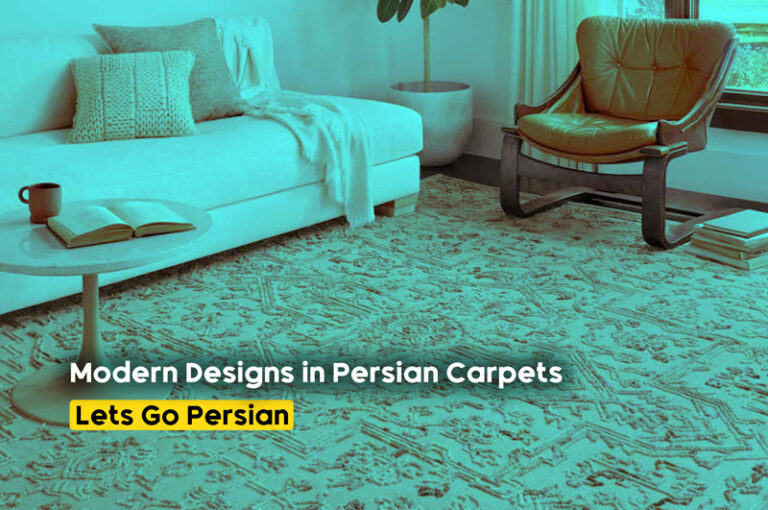
Persian Carpets in Contemporary Istanbul Homes
Modern residences throughout Istanbul frequently combine:
Natural stone / parquet flooring / designer furniture / contemporary artwork / panoramic views.
Persian carpets introduce warmth and depth while balancing modern architecture with traditional craftsmanship.
Many interior designers use Persian rugs to soften minimalist spaces and create visual focal points within open-plan layouts.
Expert Tip
For Bosphorus apartments and contemporary residences in Istanbul, Isfahan and Nain carpets often work exceptionally well because their refined patterns complement modern interiors without overwhelming them.
Persian Carpets in Historic and Classical Interiors
Turkey contains some of the region’s most beautiful historic residences, many featuring:
Decorative ceilings / traditional woodwork / stone architecture / classical furnishings.
Persian carpets integrate naturally into these spaces.
Particularly suitable choices include:
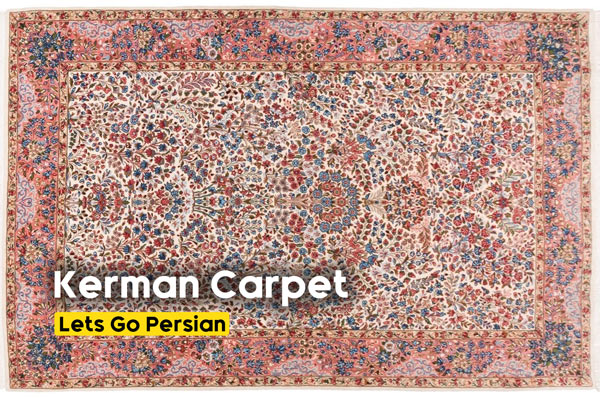
Tabriz carpets for formal salons / Kashan rugs for classical interiors / Isfahan masterpieces for elegant reception rooms / Kerman carpets for decorative spaces.
These carpets reinforce the architectural character of historic properties while adding artistic richness.
Why Tabriz Carpets Are Popular in Turkey
Among Persian weaving centers, Tabriz enjoys particular recognition in Turkey.
Its popularity stems from:
Geographic proximity / historical trade connections / exceptional craftsmanship / versatile designs.
Tabriz carpets are especially appreciated for:
Precision knotting / balanced compositions / sophisticated medallions / intricate floral motifs.
Because of their versatility, they work equally well in traditional Turkish homes and contemporary urban apartments.
How to Identify an Authentic Persian Carpet
Look Beyond Surface Appearance
Many rugs imitate Persian designs while lacking genuine Persian craftsmanship.
Authentic Persian carpets should demonstrate:
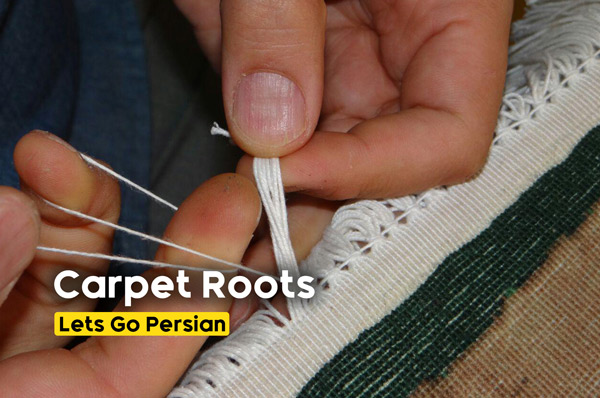
Hand-knotted construction / visible knots on the reverse side / natural fibers / regional weaving characteristics / careful finishing.
Understand the Materials
Traditional Persian carpets are woven using:
Wool / silk / cotton.
Natural fibers provide durability, texture, and aging characteristics that synthetic materials rarely achieve.
Recognize Regional Styles
Each weaving region has developed its own identity.
Tabriz is known for precision and detail / Isfahan for elegance and refinement / Kashan for classical medallions / Qom for silk artistry / Heriz for bold geometric designs.
Understanding these distinctions helps buyers make informed decisions.
Persian Carpets vs Turkish Carpets
Rather than asking which tradition is better, experienced collectors often focus on the strengths of each.
Persian carpets are often preferred for:
Intricate floral designs / detailed curvilinear patterns / silk masterpieces / refined artistic compositions.
Turkish carpets are often appreciated for:
Bold geometry / tribal symbolism / Anatolian heritage / distinctive color palettes.
Many serious collectors include examples from both traditions within the same collection.
Common Mistakes Turkish Buyers Make
Purchasing based solely on knot count / focusing exclusively on age / overlooking provenance / choosing a carpet that is too small for the room / confusing Persian-inspired designs with authentic Persian carpets.
Another common mistake is concentrating entirely on technical specifications while ignoring artistic balance and overall design quality.
The finest carpets combine both craftsmanship and visual harmony.
Persian Carpets as Collectible Pieces
Turkey has a long tradition of collecting handmade carpets and textiles.
Persian carpets continue to attract collectors because of their:
Craftsmanship / rarity / artistic value / historical significance / regional diversity.
Particularly sought-after categories include:
Silk Qom carpets / fine Isfahan rugs / antique Tabriz pieces / exceptional Heriz carpets / rare tribal weavings.
As traditional weaving becomes less common, exceptional examples continue to attract interest among collectors and interior designers alike.