
Historical and Cultural Significance of Qom Rugs
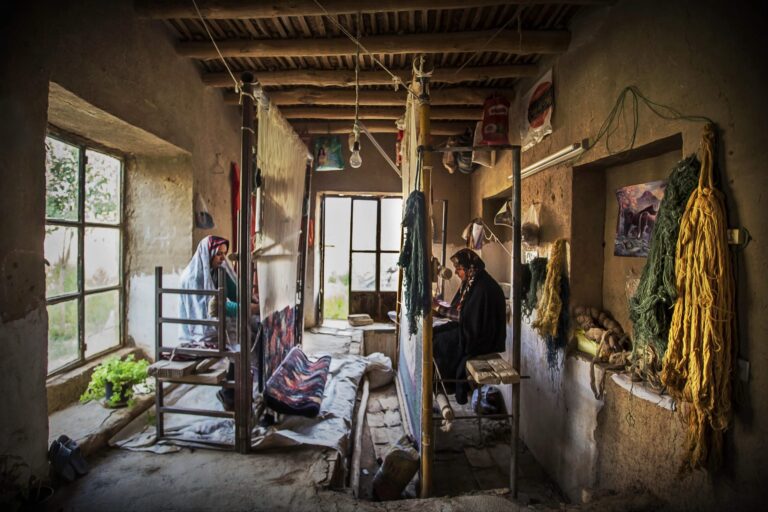
Originating in the historic city of Qom, these exquisite rugs have a storied legacy that stretches back centuries. Qom, a city celebrated for its deep religious and cultural heritage, has been a center of artistic innovation since the Safavid era. The tradition of weaving these carpets began with the creation of luxurious pieces for religious shrines and affluent households, evolving into a revered art form over time. The techniques and designs have been refined over generations, making each Qom rug a tangible connection to centuries of Persian artistry and cultural pride.

Distinctive Design Elements of Qom Persian Rugs
Qom rugs are renowned for their refined and intricate designs. At the heart of these pieces often lies a central medallion, surrounded by delicate floral patterns and graceful, curvilinear borders. The motifs typically blend classical Persian elements with a sophisticated, modern aesthetic, resulting in a balanced and elegant appearance. The meticulous attention to detail ensures that every rug serves not only as a floor covering but as a statement piece that reflects a deep artistic heritage and a commitment to quality craftsmanship.

Materials and Craftsmanship of Qom Persian Rugs
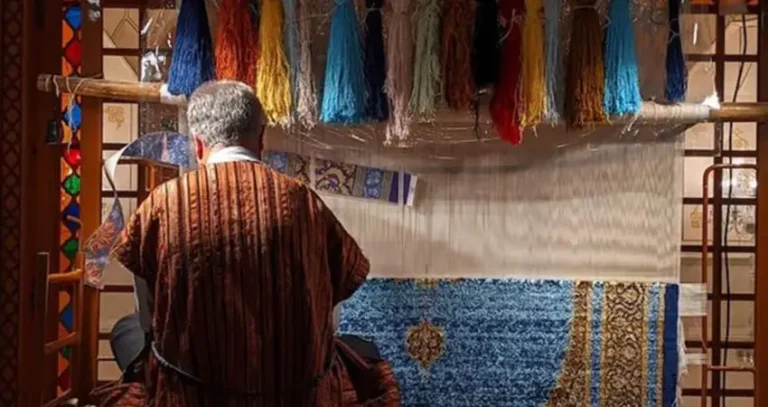
One of the hallmarks of a true Qom rug is its luxurious material composition. The pile is predominantly made from natural silk, which gives the carpet a radiant, lustrous finish that catches and reflects light beautifully. This silk is woven over a foundation of high-quality wool, providing both strength and durability. The weaving process involves a high knot density—often exceeding 1,000,000 knots per square meter—utilizing the asymmetric Persian knot. This technique allows artisans to achieve intricate details and a level of fineness that distinguishes Qom rugs from other types of Persian carpets. The combination of silk and wool not only enhances the visual appeal but also ensures the longevity of the rug, making it a cherished investment piece.

Room Suitability and Aesthetic Impact
The elegant design and luxurious materials of Qom rugs make them ideal for spaces that require a touch of sophistication. They are perfectly suited for formal living rooms, studies, and other areas where a refined ambiance is desired. The soft sheen of the silk adds warmth and depth to a room, serving as a focal point that complements both traditional and modern décor styles. In cultural galleries and upscale offices, a Qom rug can transform a space, infusing it with artistic heritage and timeless elegance.

Investment and Value Considerations of Qom Persian Rugs
Due to the superior quality of the materials and the intensive craftsmanship required, Qom rugs are positioned within a premium price range. Their rarity and high knot density make them highly collectible, often appreciated as investment-grade pieces that not only elevate the aesthetic of a home but also hold their value over time. Collectors and discerning homeowners alike frequently search for terms like “buy Qom silk rug” to identify these exclusive pieces, which represent both cultural heritage and exceptional artistry.
Maintenance and Care Tips for Qom Rugs
To preserve the delicate beauty of a Qom rug, proper care is essential. Professional cleaning is recommended to maintain the integrity of the silk fibers. Here are some key maintenance tips:
Avoid Direct Sunlight: Prolonged exposure can lead to uneven fading.
Regular Rotation: Rotate the rug periodically to ensure even wear.
Gentle Cleaning: Use a vacuum with no beater bars and attend to stains promptly with spot-cleaning methods.
Why Choose a Qom Rug?
Selecting a Qom rug means inviting a piece of living history into your space. These carpets offer a unique blend of luxury, cultural significance, and enduring craftsmanship. Whether you are looking to enhance a formal living area, add a touch of elegance to an office, or start a prestigious collection, a Qom rug provides a sophisticated, timeless addition that speaks volumes about refined taste and an appreciation for art.
By understanding the rich history, meticulous design, and exceptional quality of Qom rugs, one can fully appreciate their role as both decorative masterpieces and valuable heirlooms in today’s homes.