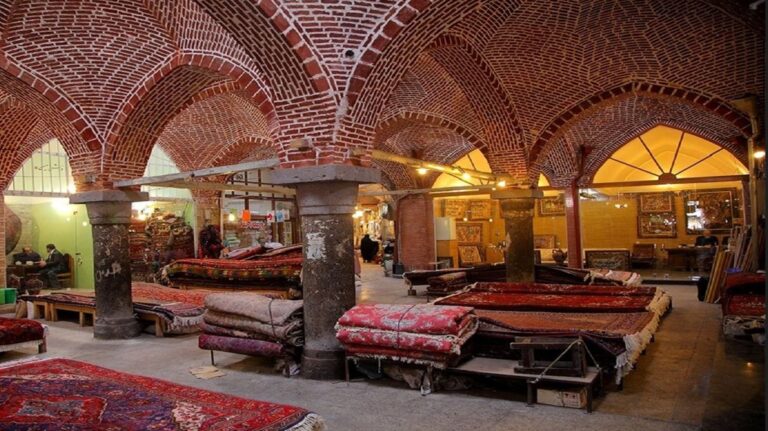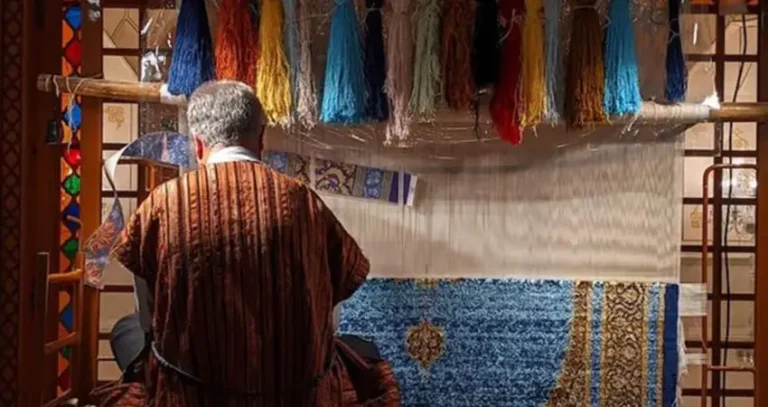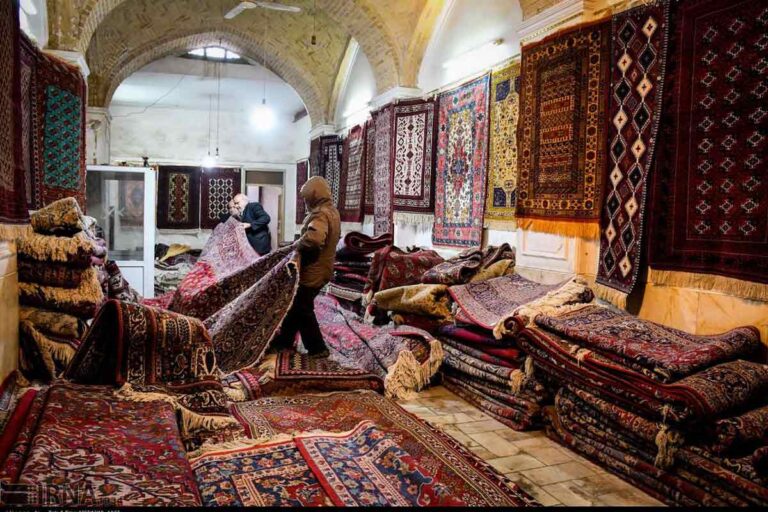
When it comes to antique Persian carpets, few names carry as much weight and reverence as Haj Jalili. His handwoven masterpieces are now considered collectible antiques, admired not only for their beauty but also for their technical sophistication and historical value.
A Glimpse into Tabriz’s Carpet Heritage
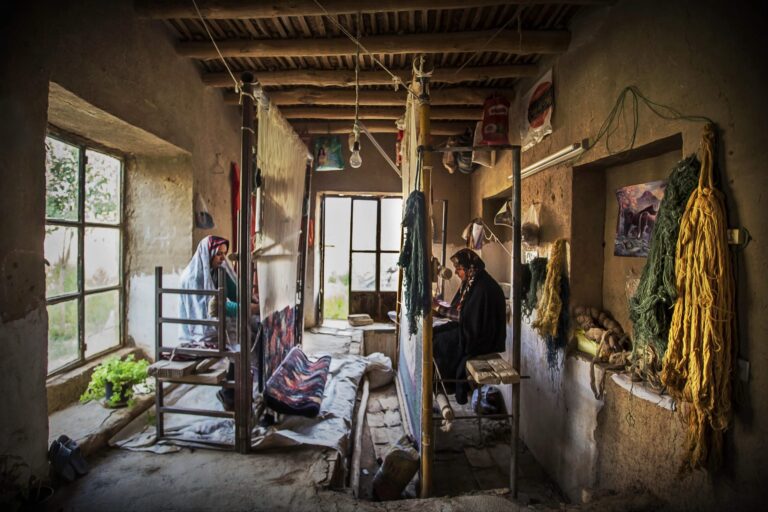
Tabriz, the capital of East Azerbaijan Province in Iran, has long been one of the most important centers of Persian carpet weaving. The art form flourished especially during the reigns of Shah Ismail and Shah Tahmasp of the Safavid dynasty. Shah Tahmasp, a great patron of the arts, elevated carpet weaving to a prestigious craft by establishing royal workshops in Tabriz, attracting the finest designers, dyers, and weavers.
Carpet weaving saw a resurgence during the Qajar era. By the late 19th century, demand for Persian rugs surged in Europe, prompting a revival of production and investment by British and American firms. Tabriz quickly became a hub for producing some of the finest and most luxurious rugs of the time.

Haj Jalili of Tabriz: A Master Among Masters
Amid this golden age of Persian carpets, Haj Jalili emerged as one of the most influential figures in Tabriz. Operating from the 1880s to the end of the 19th century, his workshop was renowned for its talented team of designers, dyers, and weavers.
Haj Jalili’s carpets were distinct in their exquisite use of color, meticulous design, and fine craftsmanship. Today, his works are sought after by collectors and interior designers alike and are frequently listed in high-end auctions such as Christie’s and Sotheby’s.

Signature Styles and Color Palettes
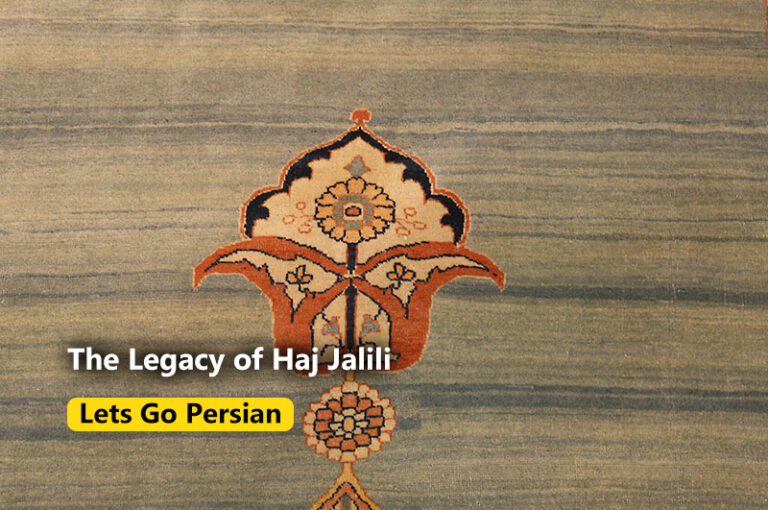
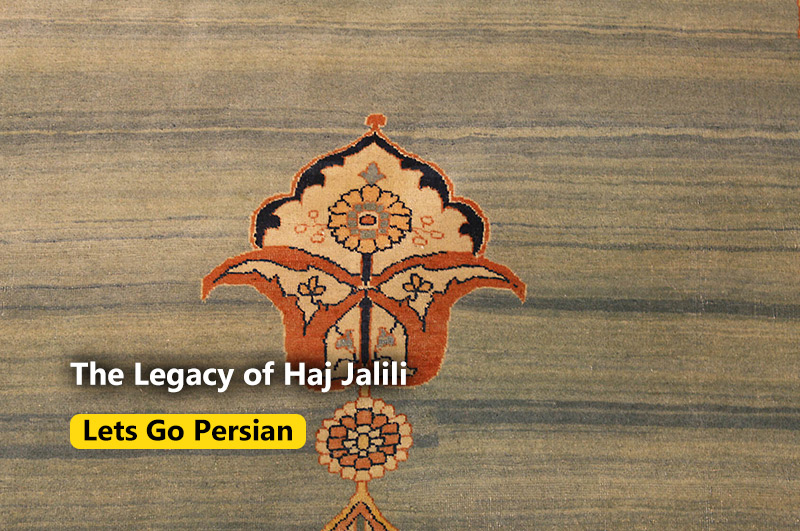
Many of Haj Jalili’s carpets are easily recognized by their unique copper-toned (reddish-brown) backgrounds, often paired with ivory, blue, brown, green, grey, and golden hues. His designs frequently include traditional Persian motifs such as:
Medallion and Corner (Lachak-Toranj)
Shah Abbasi floral patterns
Tree of Life
Boteh (paisley)
Herati (fish-in-the-pond)
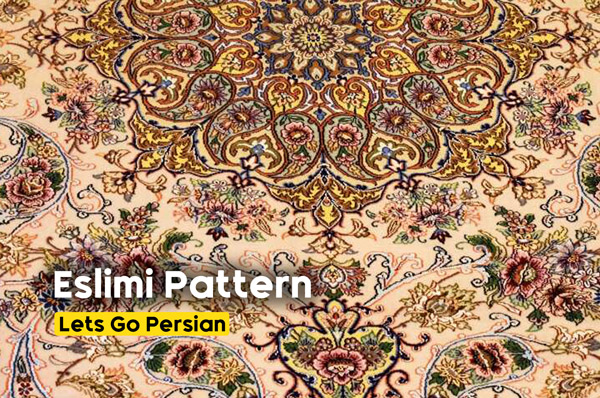
Islimi (arabesque)
Some smaller rugs also feature mihrab (prayer niche) designs.
In addition to floral and medallion layouts, Haj Jalili also introduced pictorial scenes with animals and birds, as well as vase and garden themes. His rugs were typically woven with high-quality wool and cotton; a few silk pieces are also known to exist. All featured the symmetrical Turkish (Ghiordes) knot, a hallmark of Tabriz craftsmanship.

Timeless Appeal and Enduring Influence
Haj Jalili’s carpets were especially admired during World War II and purchased by wealthy patrons and art connoisseurs. Designers appreciated their muted backgrounds, which blended beautifully into classical and modern interiors.
To this day, many weavers in Tabriz continue to emulate Haj Jalili’s styles and color schemes, a testament to his lasting impact on the art of Persian rug weaving.
Several of Haj Jalili’s pieces remain highly valued in international auctions. They are not only works of art but also carry the weight of cultural heritage and historical artistry.
Sources
Turej Zohreh (2002). Research in Iranian Carpets. Tehran: Yassavoli.
Abdolhossein Ghasemnejad (2017). Introduction to Tabriz Carpets. Tehran: National Carpet Center of Iran.
Javad Yassavoli (1996). An Introduction to Iranian Carpets. Tehran: Yassavoli.