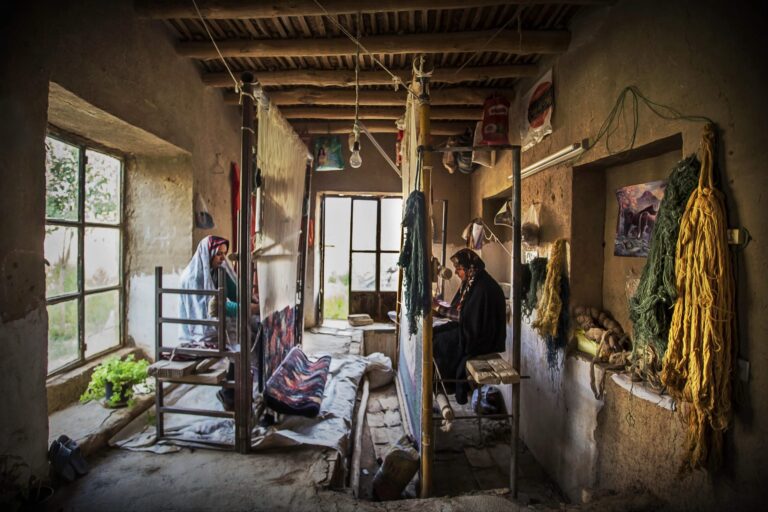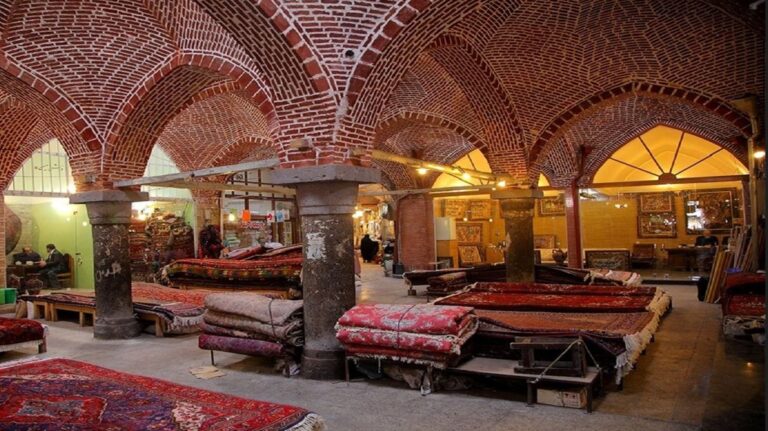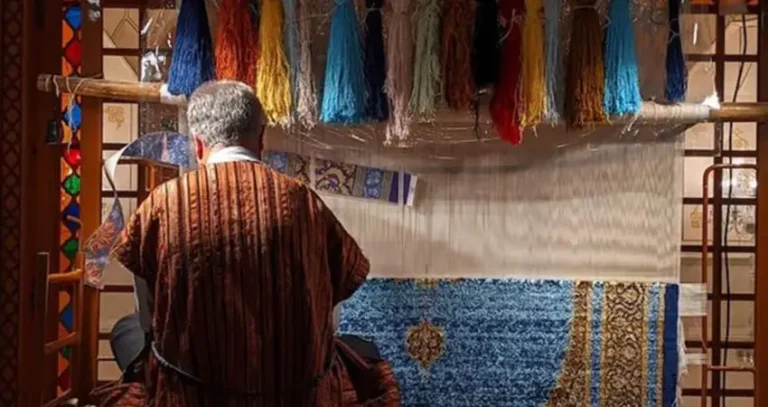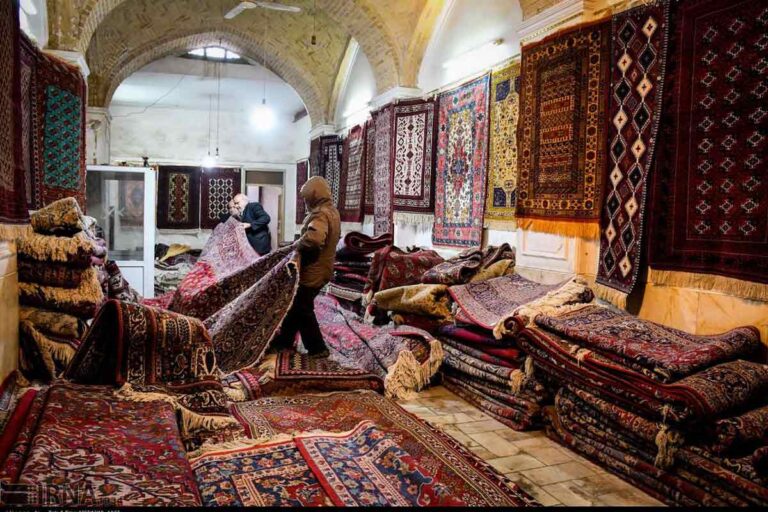
The art of Persian rug weaving underwent a dramatic transformation during the reign of the Safavid dynasty, particularly under the leadership of Shah Abbas the Great. What once began as a small-scale, ancestral craft evolved into a structured industry, with designs created in royal ateliers and carpets exported across Europe and Asia.
Among the most iconic and enduring motifs from this golden era is the Shah Abbasi flower design—a symbol of Persian cultural identity and artistic excellence.
Who Was Shah Abbas?
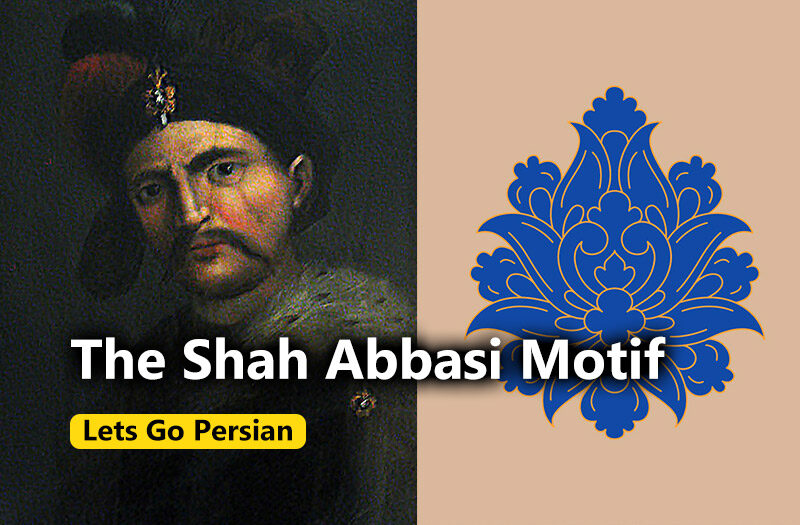
Shah Abbas I (1588–1629) was one of the most powerful rulers of the Safavid dynasty. He revitalized the Persian Empire after periods of political instability and external invasions. Known not only for his military reforms and diplomatic achievements but also for his cultural vision, Shah Abbas turned Isfahan into a global center of art, architecture, and carpet production.
Under his reign, Persian arts—including miniature painting, calligraphy, ceramics, silk production, and especially carpet weaving—entered a golden age.
The Rise of Carpet Weaving Under Shah Abbas
As part of his economic modernization plan, Shah Abbas encouraged silk and carpet artisans from across Iran to relocate to Isfahan. He established formal weaving workshops (known as carpet schools) and invited foreign merchants from Spain, England, and France to engage in trade.
These workshops employed highly skilled weavers and designers—many of whom were also trained painters. The carpets produced under Shah Abbas became globally recognized for their:
Intricate designs
Harmonious color palettes
Use of natural silk and fine wool
Many of these carpets were exported to Europe and the Far East, where they were used as luxury floor coverings, upholstery, and decorative wall hangings. The “Shah Abbasi” school of weaving became a symbol of Persian imperial power and economic strength.
What Is the Shah Abbasi Motif?
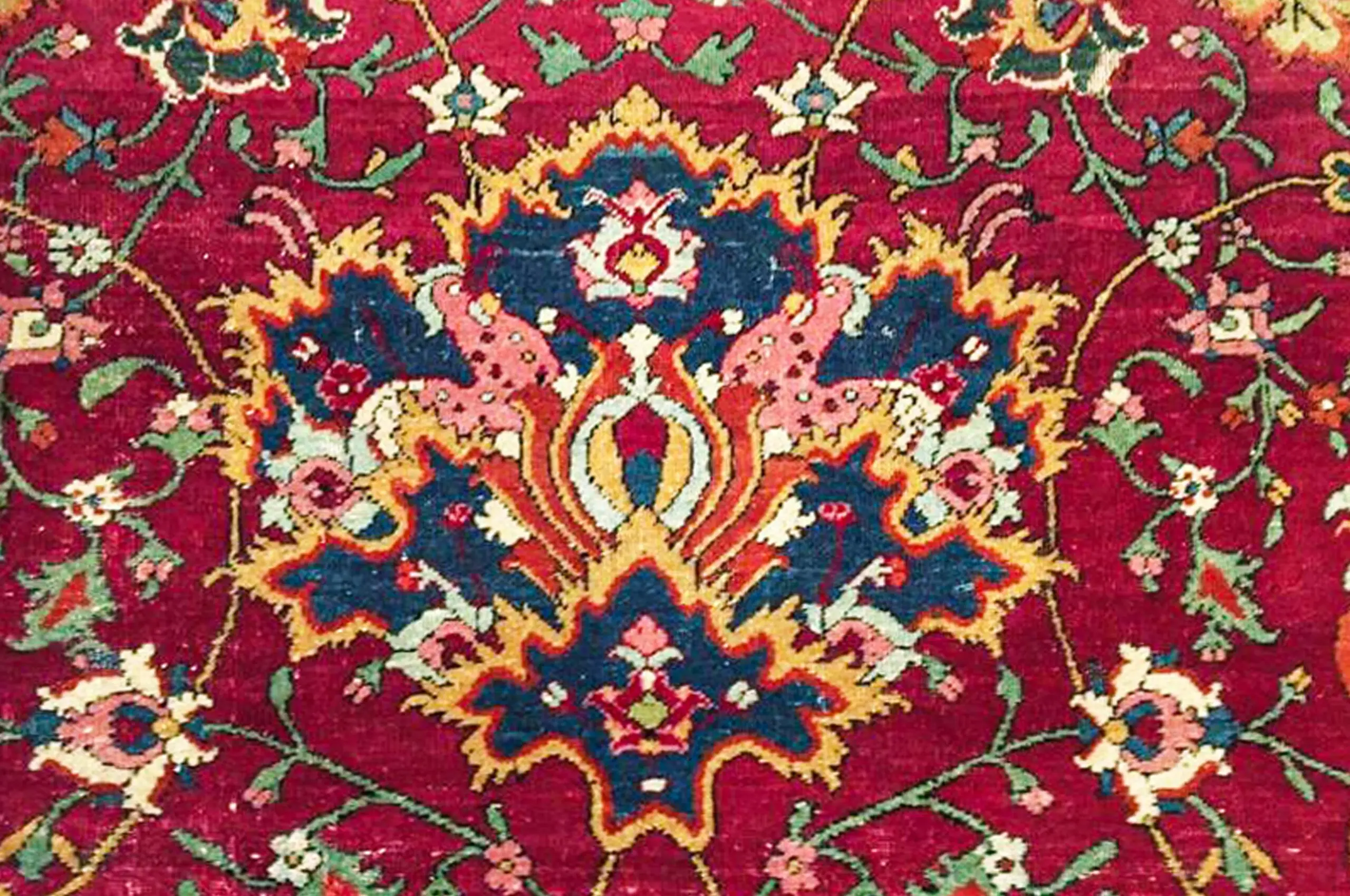
The Shah Abbasi motif, also known as the Shah Abbasi flower, is one of the most recognizable floral elements in Persian rug design. It typically features a lotus-like bloom or a rosette with overlapping petals, often compared to:
A lotus flower, symbolizing purity and enlightenment
A split pomegranate, representing fertility and abundance
In some interpretations, the motif includes inner seed-like elements, echoing the Zoroastrian reverence for the lotus—believing that beauty and character can flourish even in unfavorable conditions.
Though the motif originated in Shah Abbas’s royal workshops, regional weavers across Tabriz, Isfahan, Kashan, Nain, and Mashhad began to incorporate local variations of the design, enriching it with their own artistic interpretations.
Artistic and Symbolic Complexity
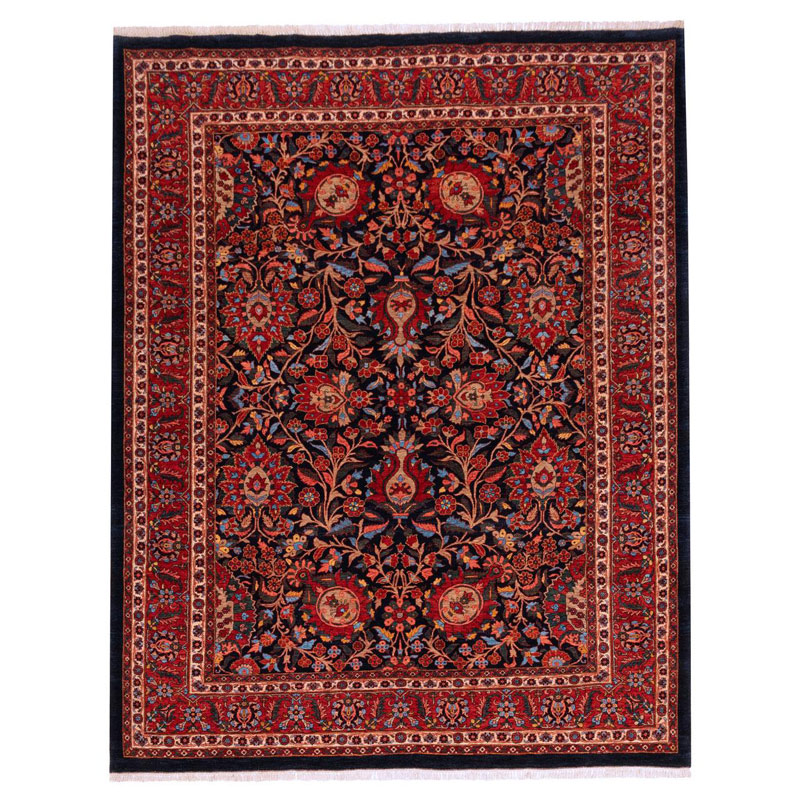
The Shah Abbasi flower is not merely decorative—it is layered in symbolic meaning and technical sophistication. Its:
Layered petals signify fullness and expansion
Central symmetry reflects cosmic harmony
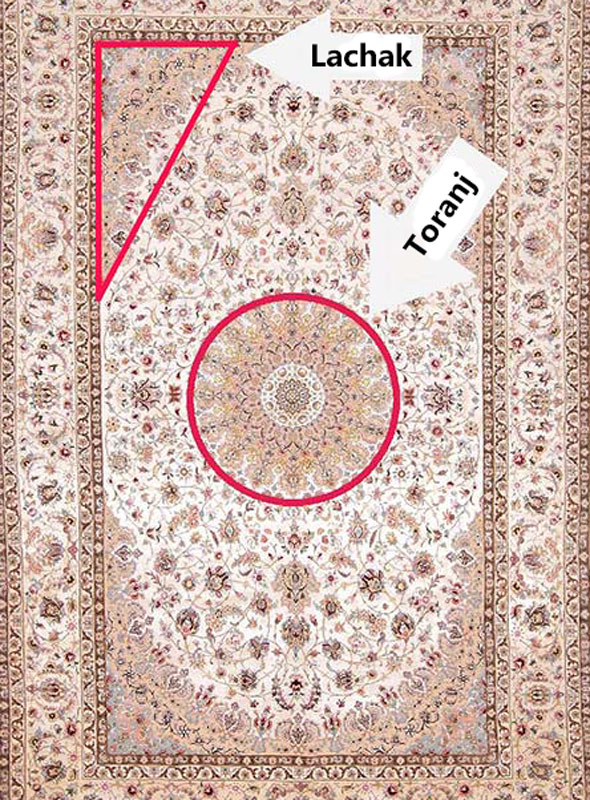
Variations in form allow for integration into medallions, corner spandrels (lachak), and all-over (afshan) patterns
The motif can be seen in designs such as:
Shah Abbasi Medallion (Toranj)
Shah Abbasi Corner Spandrel (Lachak)
Afshan Shah Abbasi (Scattered Florals)
Framed Shah Abbasi Borders
Today, this motif continues to appear not only in authentic Iranian carpets, but also in rugs produced in India, Pakistan, and China, attesting to its international influence and timeless appeal.
Final Thoughts
The Shah Abbasi motif represents the perfect marriage of Persian artistry, cultural heritage, and political symbolism. Born during the golden age of Safavid art, this elegant floral pattern has become an enduring emblem of authenticity and sophistication in Persian carpets.
Whether featured at the heart of a medallion or scattered across a field of blossoms, the Shah Abbasi flower speaks to centuries of tradition, craftsmanship, and creative evolution.
Have you seen this motif in a carpet before? Share your photos or stories in the comments—we’d love to hear about your favorite designs.