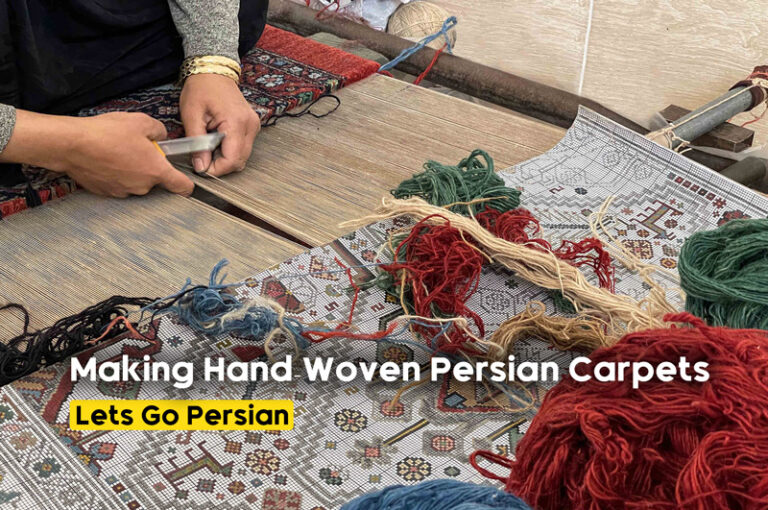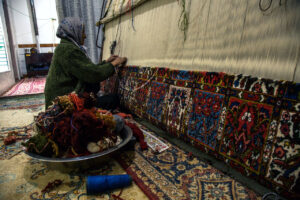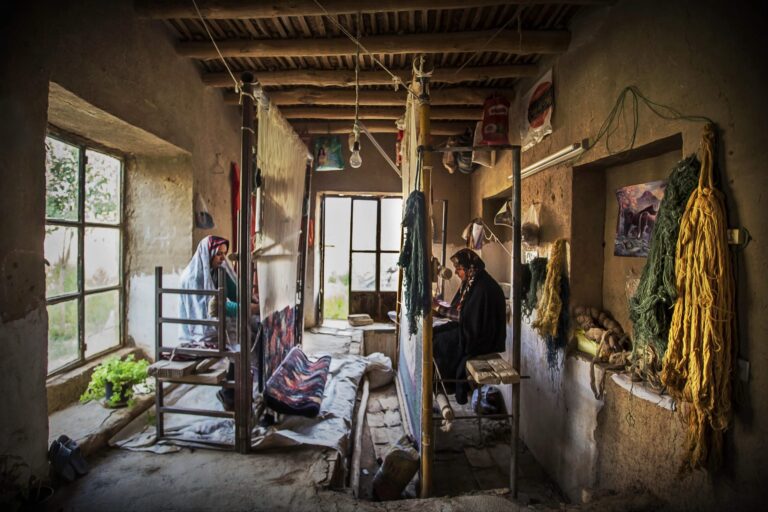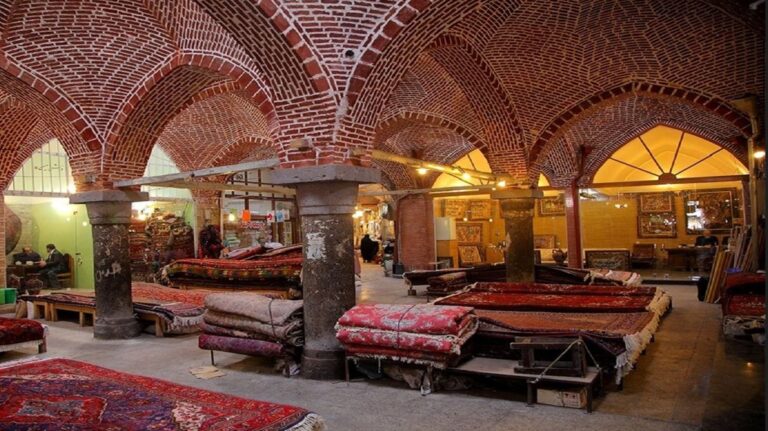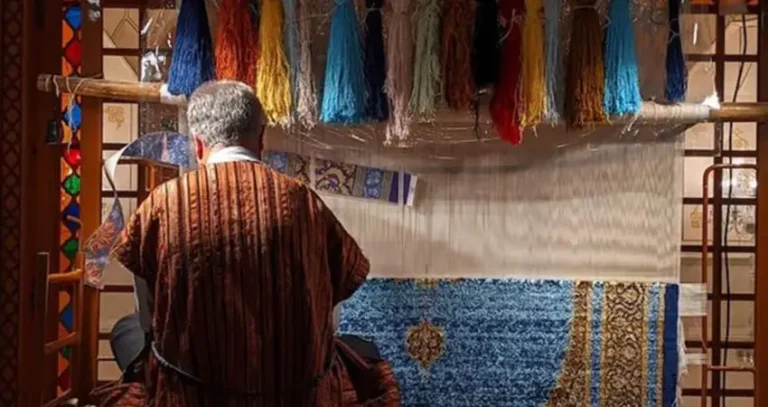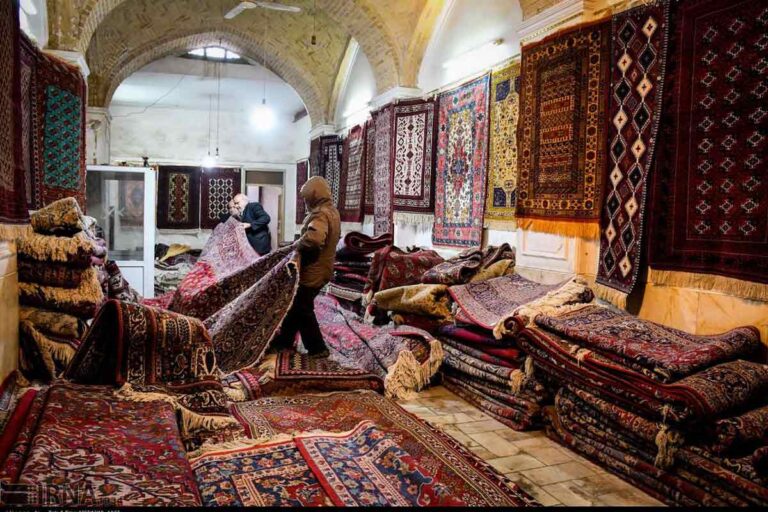


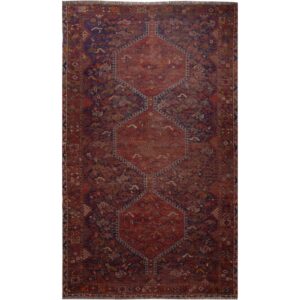
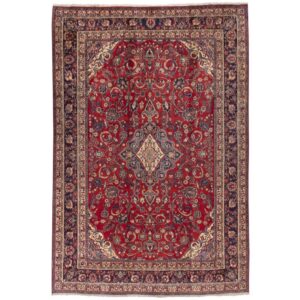

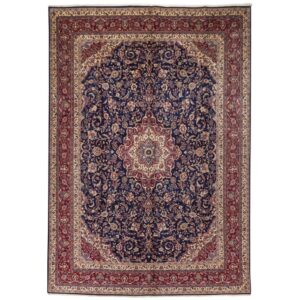
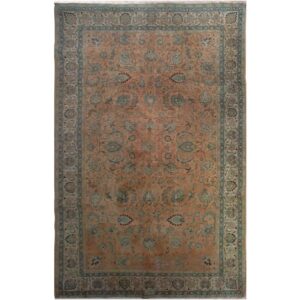
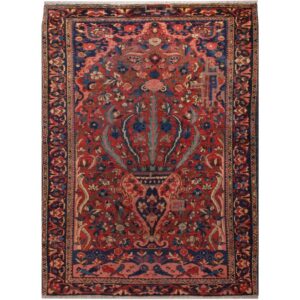
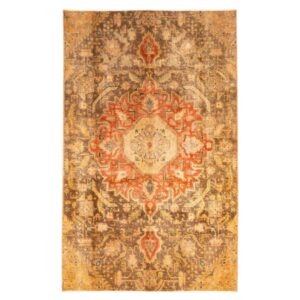
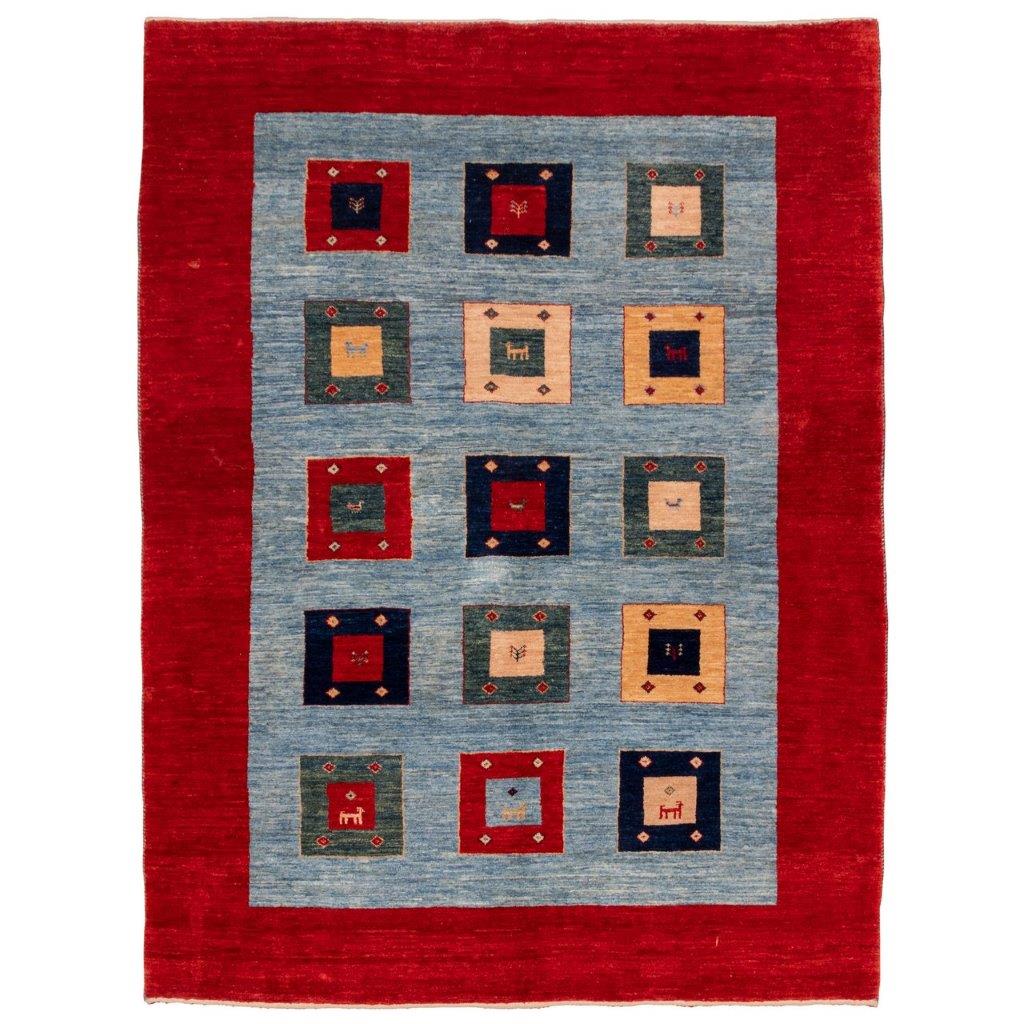
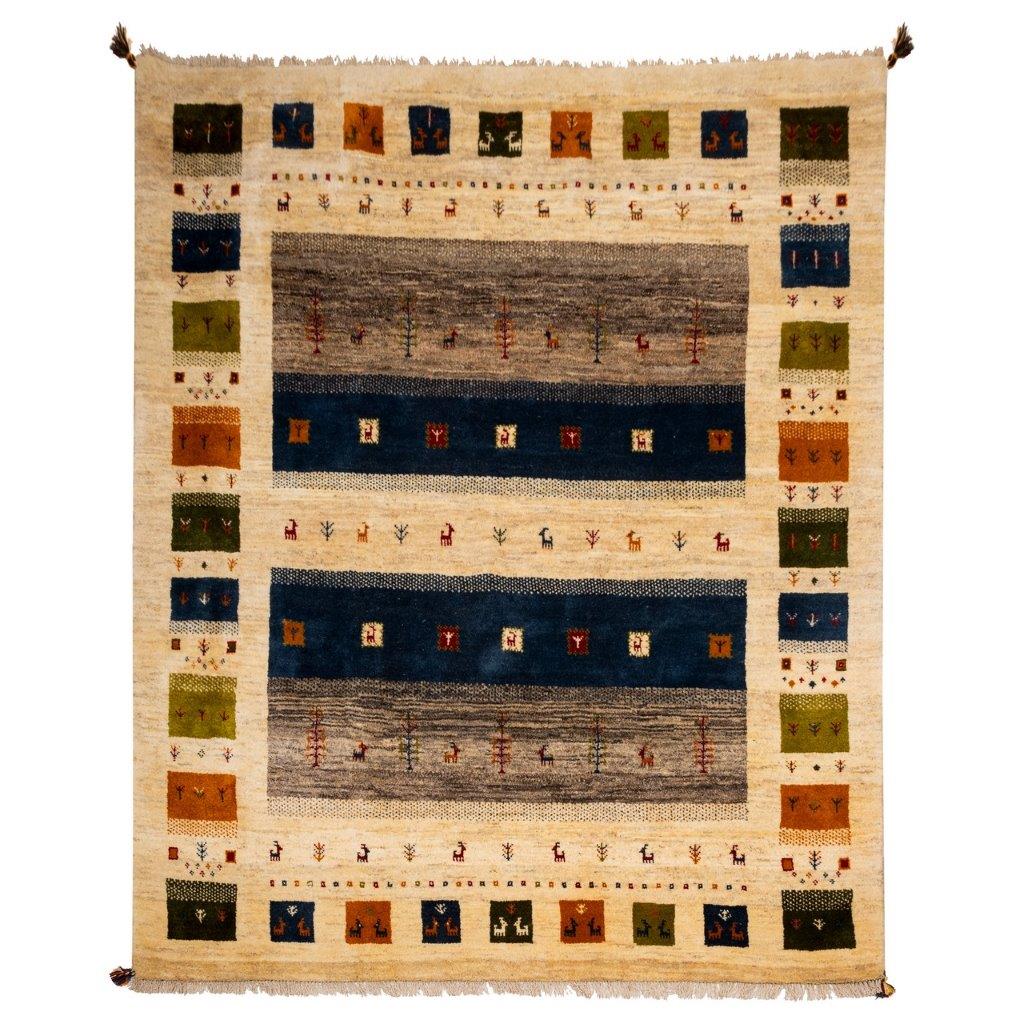
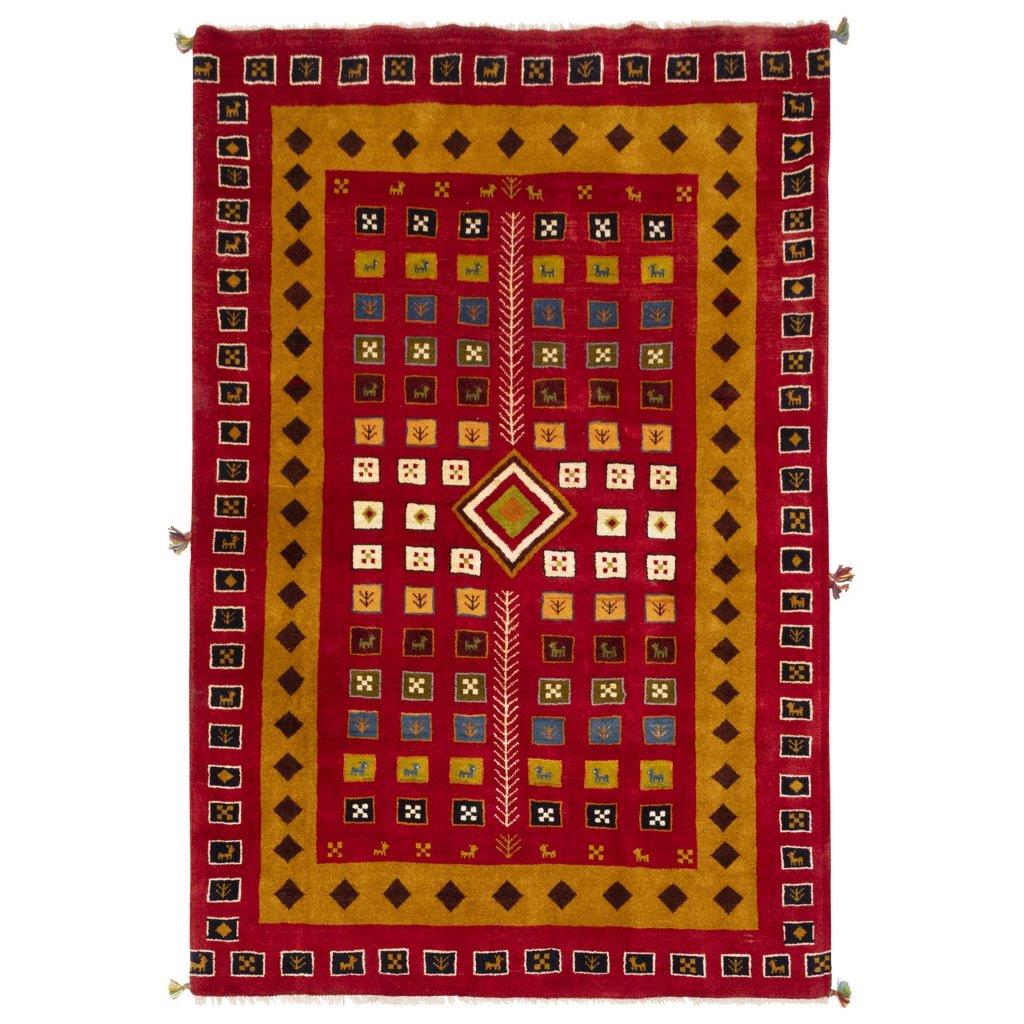
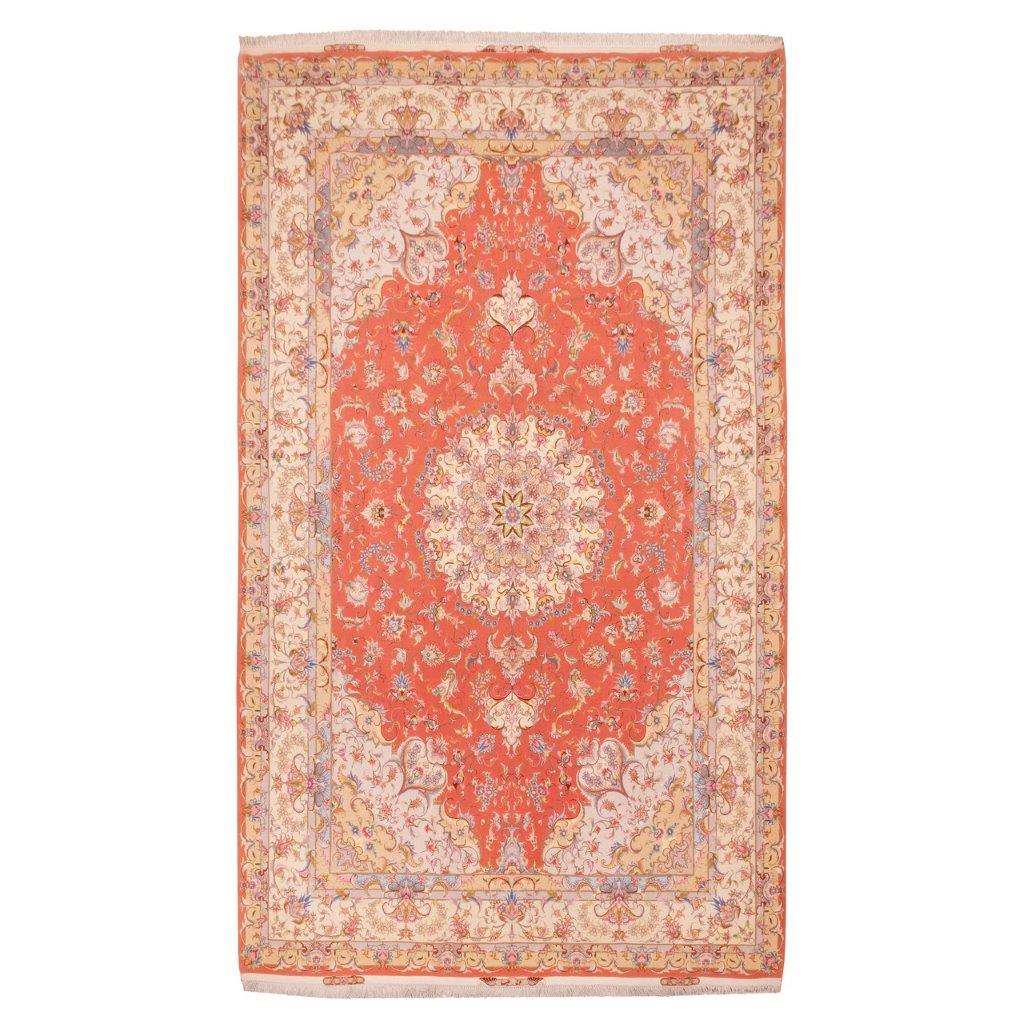
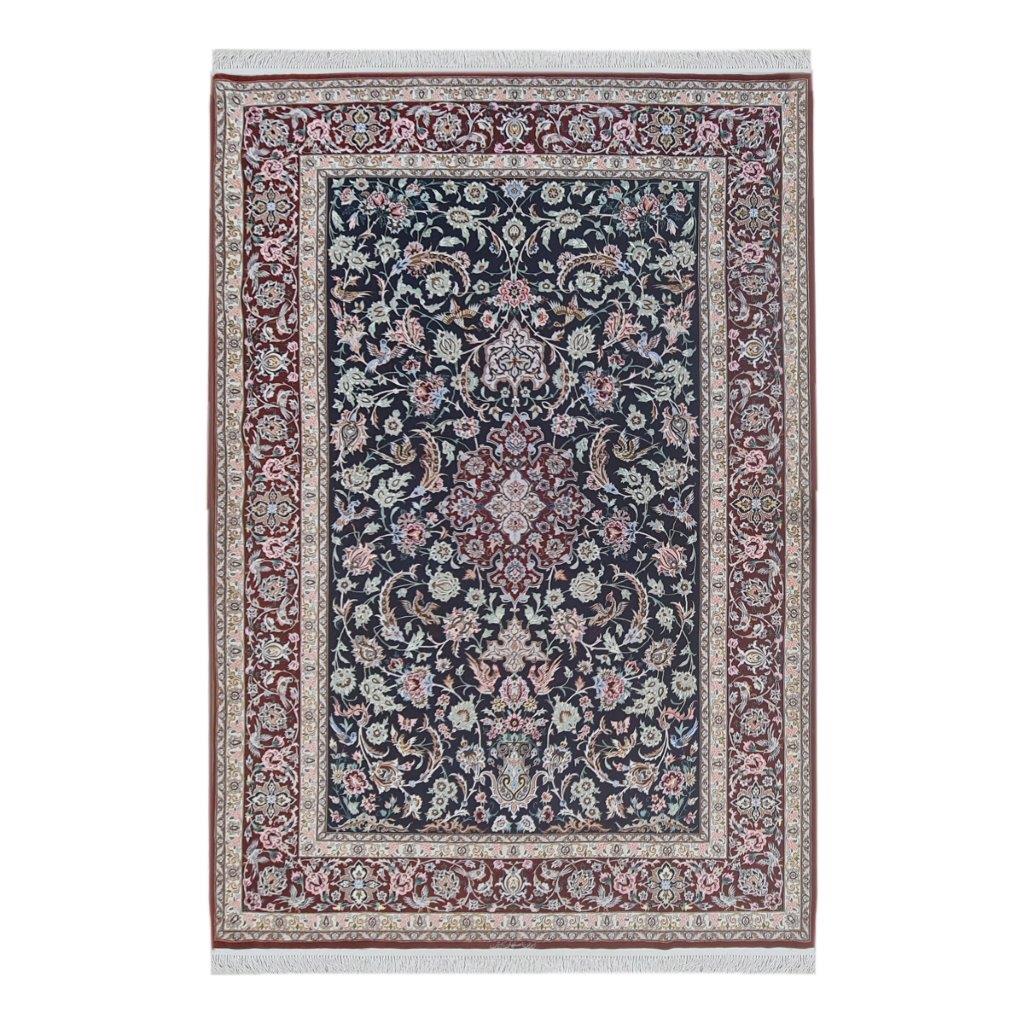
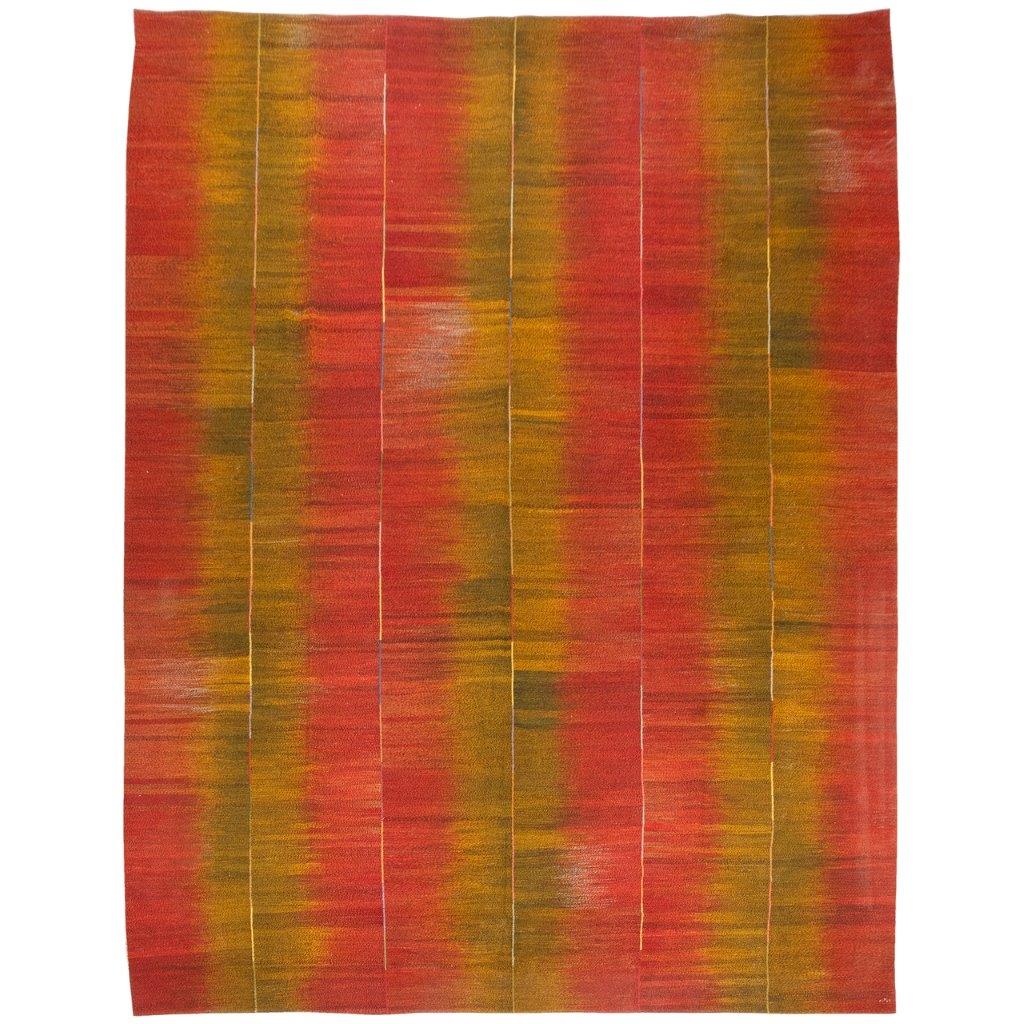
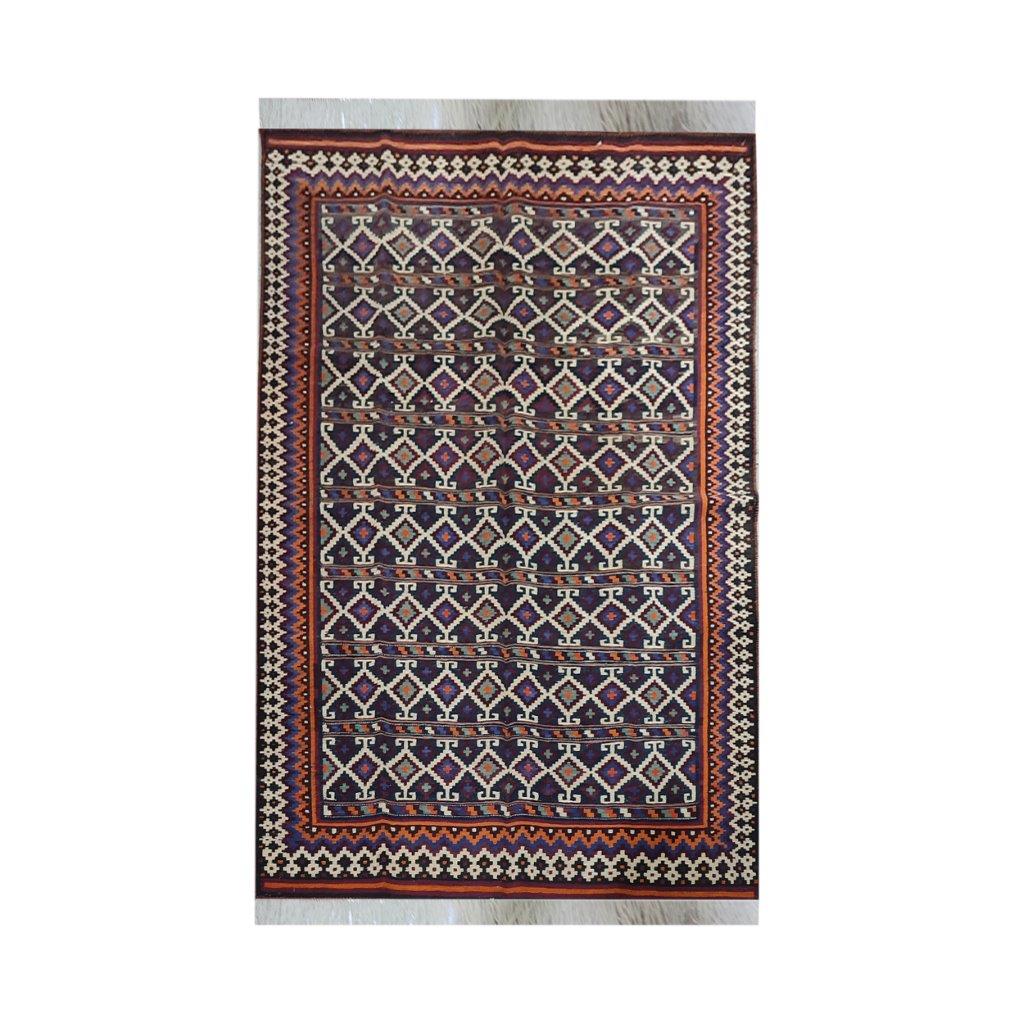
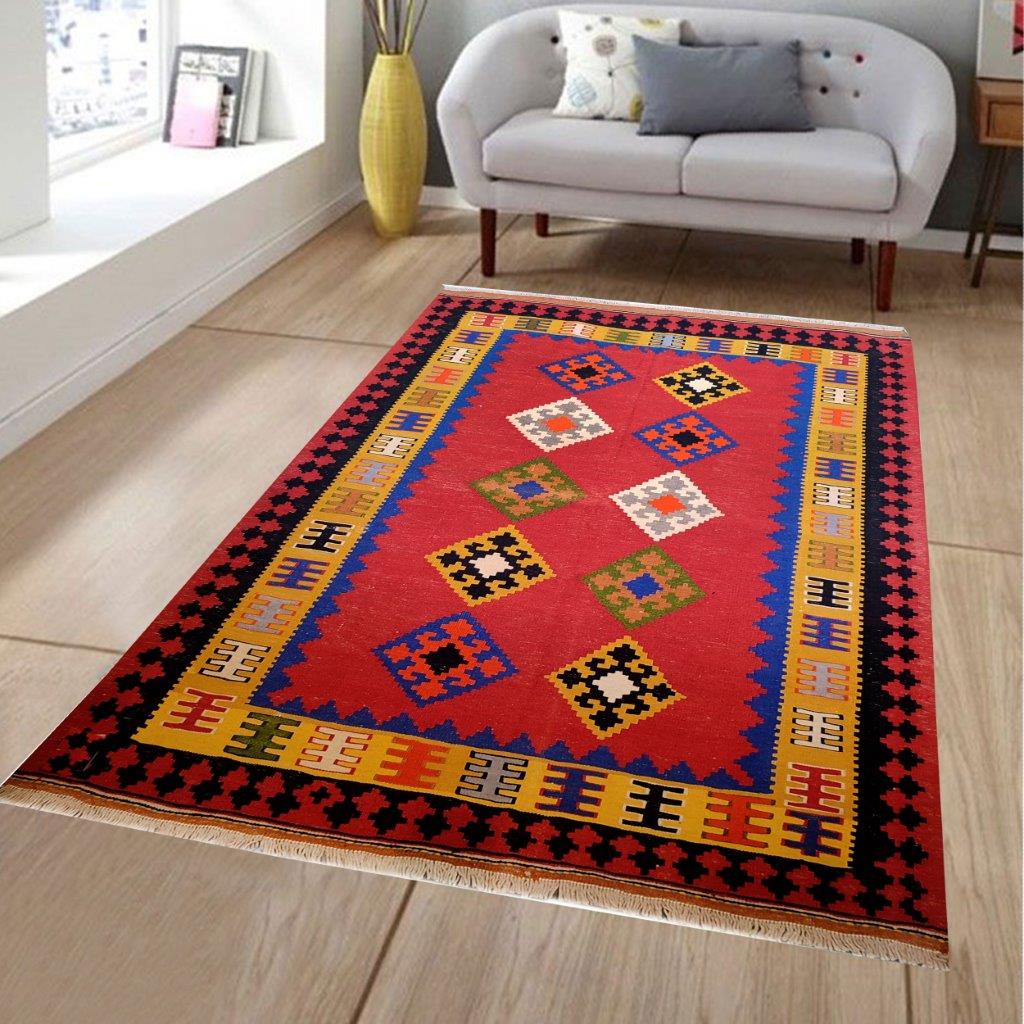


Persian carpets have a special place in India. The connection between Iran and India goes back centuries through trade, art, literature, craftsmanship, and the movement of Persian artists and merchants. Persian carpet traditions became closely connected with Indian artistic culture, particularly during the Mughal period.
For Indian buyers, this shared cultural background makes Persian carpets especially interesting. Buying directly from Iran also gives you access to carpets from their original weaving regions, with a much wider choice of sizes, designs, materials, and prices.

Buy Persian Carpets Directly from Iran
We make the process easier for customers in India. You can tell us the size, style, colours, room, and approximate budget you have in mind, and we can help you find suitable carpets from our collection.
Before purchasing, we can provide detailed photographs and information about the actual carpet, including its dimensions, materials, weaving region, construction, and condition. We can also help with shipping arrangements and explain the expected delivery process to India.
View Available Persian Carpets
Persian Carpet Styles for Indian Homes
Mashhad Carpets
Mashhad carpets are known for detailed Persian compositions, floral designs, and a substantial visual presence. They can work particularly well in formal living rooms, larger homes, and traditional interiors.

Tabriz Carpets
Tabriz is a strong choice for buyers who appreciate detailed drawing, sophisticated borders, medallions, and refined workshop craftsmanship. These carpets can suit formal living rooms, reception areas, studies, and larger spaces.

Heriz Carpets
Heriz carpets offer bold geometry, strong medallions, and a more powerful visual character. Their designs can work especially well in spacious Indian homes and rooms with substantial furniture.
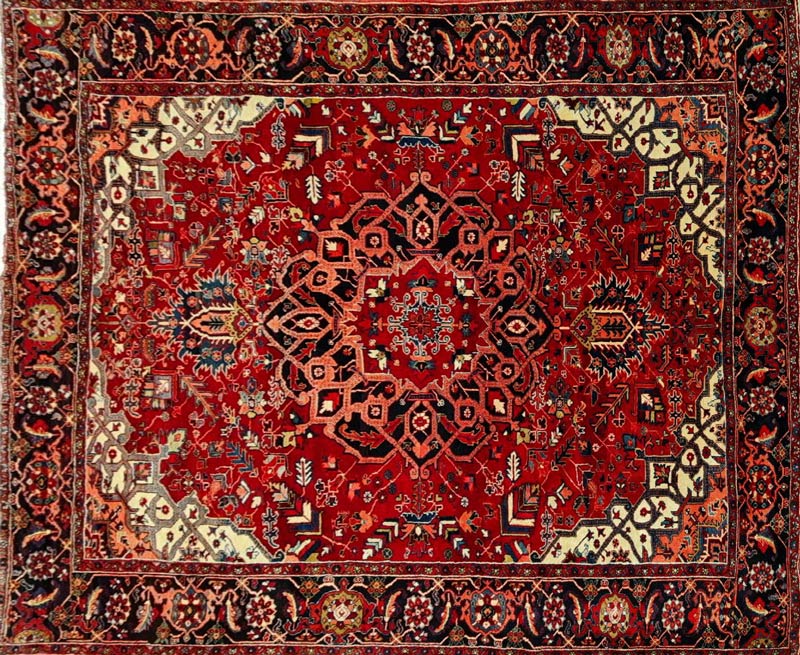
Bidjar Carpets
Bidjar carpets are valued for their dense construction, strong structure, and traditional Persian designs. They are an excellent option for buyers looking for a durable handmade carpet with a distinctive regional character.
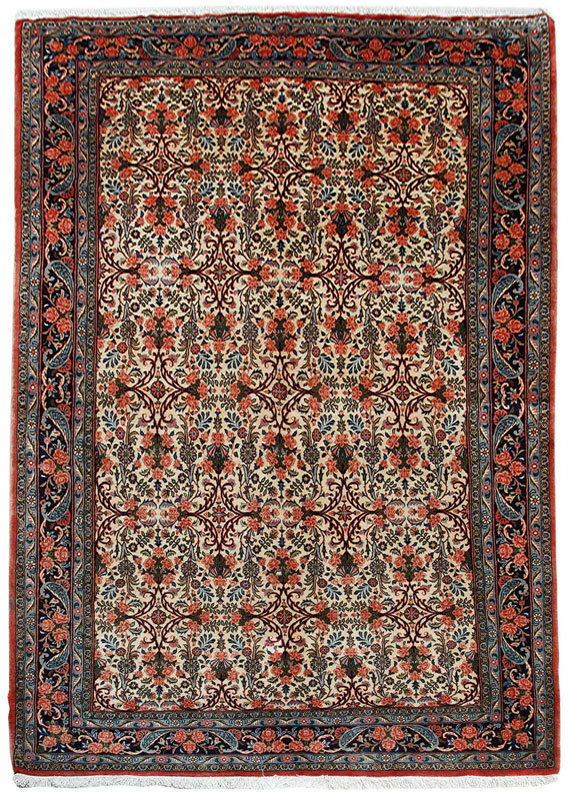
Nain Carpets
Nain carpets offer a lighter and more restrained appearance. Their refined patterns and balanced colours can complement contemporary Indian interiors, marble floors, and modern furniture.

Qom Silk Carpets
Qom silk carpets are particularly suitable for buyers interested in fine detail and exceptional craftsmanship. Their intricate designs and delicate construction make them attractive as both decorative carpets and collectible textiles.

Kashan Carpets
Kashan carpets are a natural choice for classical and elegant interiors. Their traditional floral compositions and medallion designs work well in drawing rooms, dining rooms, bedrooms, and formal spaces.
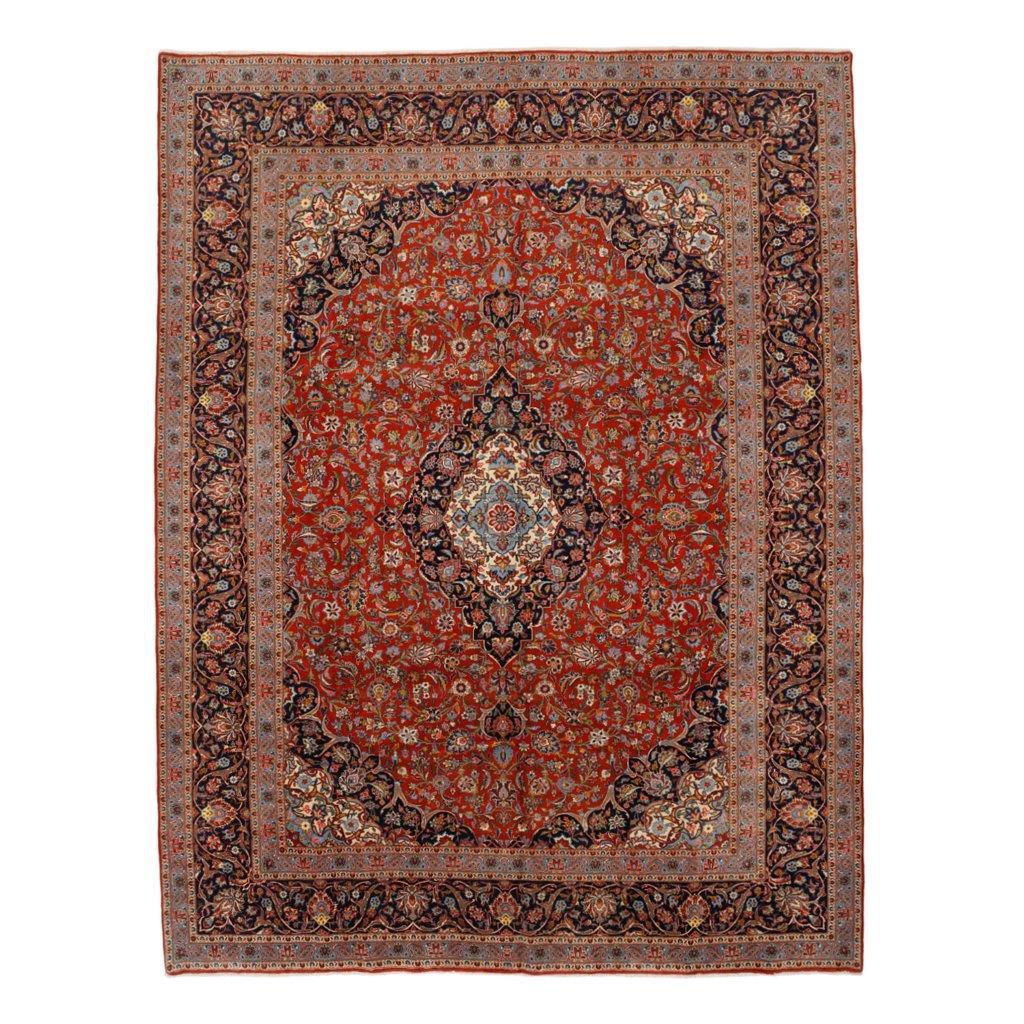
Isfahan Carpets
Isfahan carpets are recognised for refined drawing, balanced compositions, and sophisticated Persian design. They are particularly suitable for buyers looking for an elegant carpet for a carefully designed interior.

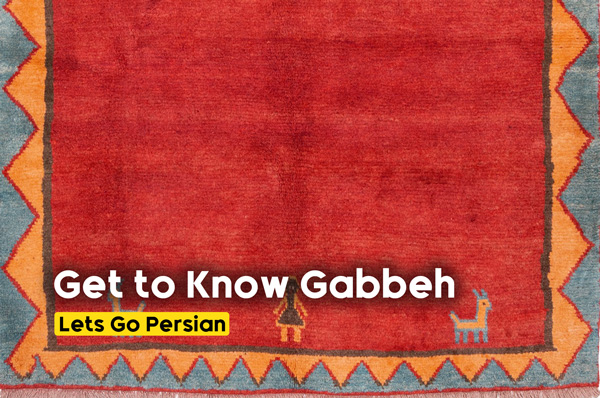
Gabbeh Carpets
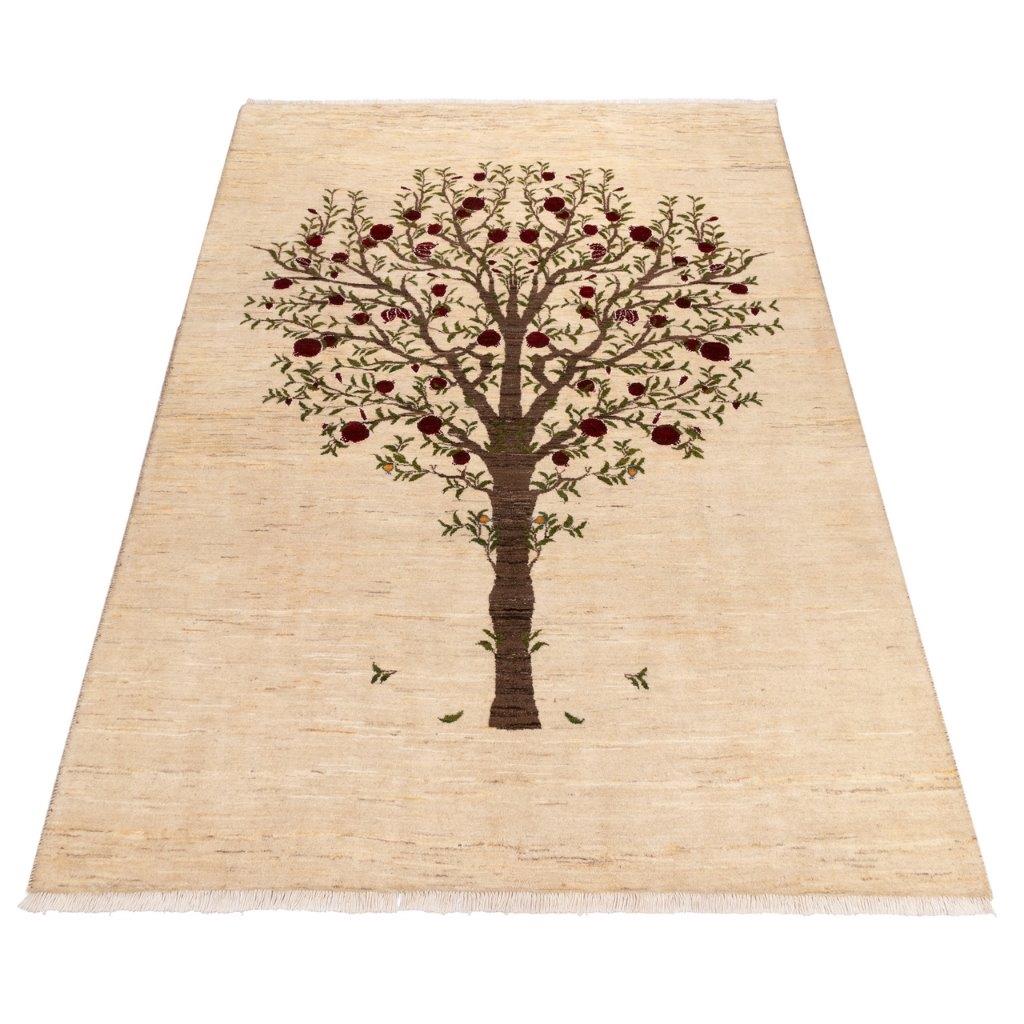
Gabbeh provides a simpler alternative to highly detailed city carpets. Its thicker wool pile, geometric designs, and relaxed handmade character work well in modern homes and informal living spaces.
Persian Kilims
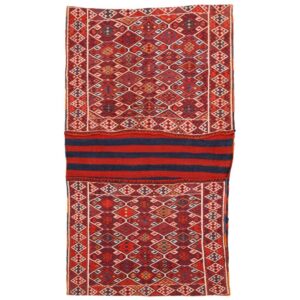
Persian kilims offer flat-woven construction and strong graphic patterns. They are useful for buyers looking for lighter carpets for entrances, hallways, smaller rooms, or contemporary interiors.

Why Buy Persian Carpets Directly from Iran?
India already has a sophisticated market for handmade carpets. Buying directly from Iran gives experienced Indian buyers another advantage: access to a broad selection from different Persian weaving regions without limiting the choice to carpets already available in the local market.
- Wide selection of authentic Persian carpets
- Direct access to carpets from different Iranian regions
- Choice of wool, silk, and different constructions
- Competitive prices directly from the source
- Detailed information and photographs before purchase
- Assistance with shipping to India
Iran and India are also relatively close compared with many major Persian carpet markets in Europe, North America, and Australia. This can make transportation more practical, although actual shipping costs and delivery times depend on the destination, carrier, shipment, and current import requirements.
Persian Carpets and India’s Shared Artistic Heritage
The historical relationship between Persian and Indian art is one reason Persian carpets feel particularly familiar to many Indian collectors. Persian artistic vocabulary influenced court culture, textiles, painting, architecture, and decorative arts in India over centuries.
For today’s buyer, however, the important distinction is origin. An authentic Persian carpet is woven in Iran and carries the characteristics of its particular Iranian weaving region. Tabriz, Mashhad, Kashan, Isfahan, Heriz, Bidjar, Nain, Qom, and other regions each have their own approach to design and construction.
Choosing the Right Persian Carpet in India
Choose according to the room first. Consider the dimensions, furniture arrangement, flooring, natural light, colours, and amount of daily use.
For formal interiors, Tabriz, Mashhad, Kashan, and Isfahan can provide a refined appearance. Heriz and Bidjar are good options when stronger geometry and durability are important. Nain, Gabbeh, and Persian kilims can be better suited to lighter or more contemporary spaces.
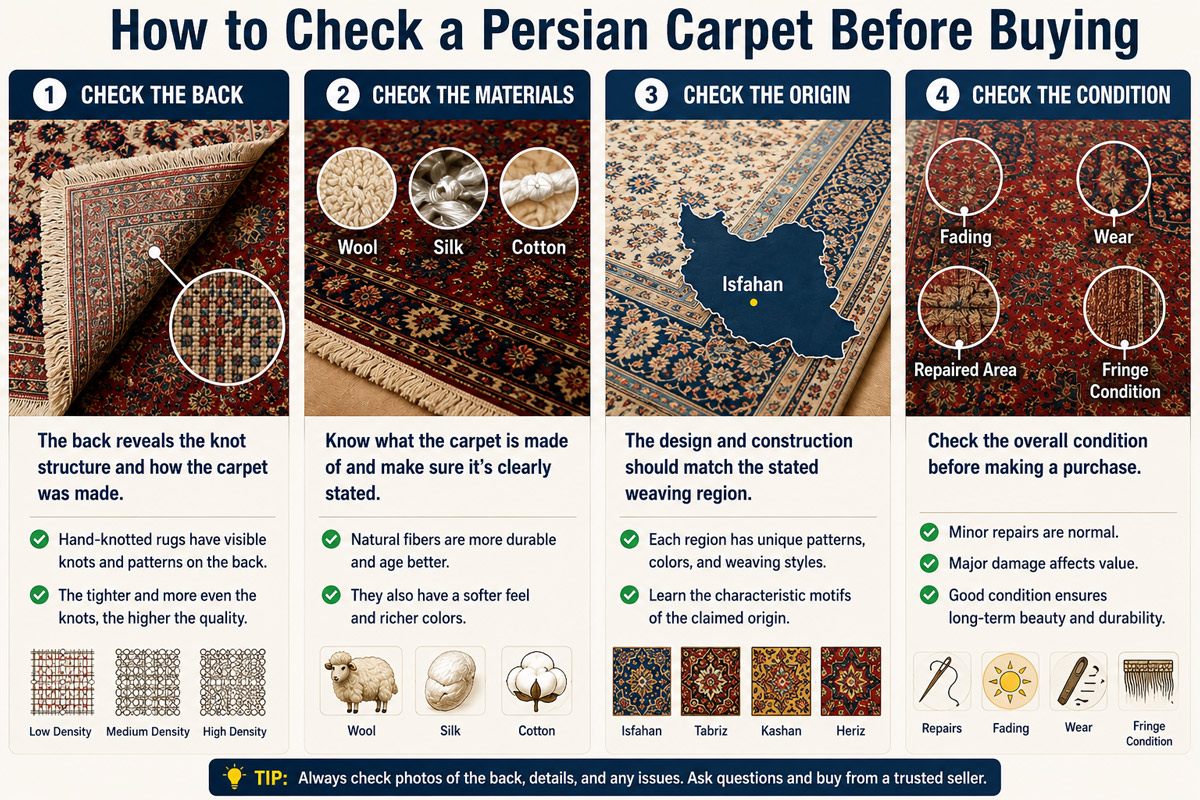
What to Check Before Buying
Exact Dimensions
Always confirm the exact measurements of the actual carpet before ordering.
Material and Construction
Ask whether the carpet is made from wool, silk, cotton, or a combination of materials, and confirm how it was constructed.
Actual Carpet Photographs
Request clear photographs of the actual carpet, including the front, back, edges, and any areas showing wear or repair.
Delivery to India
Before payment, confirm the shipping method, delivery arrangements, import requirements, taxes or duties, and the complete delivered cost.
Personal Assistance for Indian Buyers
If you already know the size, colour, style, or budget you want, send us your requirements. We can help you narrow down suitable Persian carpets and provide the information you need before purchasing.
If you are unsure which Persian style is appropriate for your home, we can also help you compare different regions and individual carpets.
Frequently Asked Questions About Persian Carpets in India
Can I buy a Persian carpet directly from Iran and have it delivered to India?
Yes. Indian customers can purchase Persian carpets directly from Iran and arrange international delivery. Shipping arrangements, import requirements, taxes, duties, and delivery times should be confirmed for each order.
Why buy a Persian carpet directly from Iran?
Buying directly from Iran provides access to a wider selection of carpets from different Persian weaving regions and makes it easier to compare individual carpets by size, material, design, construction, condition, and price.
Are Persian carpets expensive in India?
Prices vary significantly. Size, material, weaving region, craftsmanship, condition, age, and rarity all influence the price. Buying directly from the source can also provide access to different price levels.
Which Persian carpets are suitable for Indian homes?
The best choice depends on the room and interior. Tabriz, Mashhad, Kashan, and Isfahan suit more formal interiors, while Heriz and Bidjar offer stronger designs. Nain, Gabbeh, and Persian kilims can work well in lighter and contemporary spaces.
How can I check whether a Persian carpet is genuinely handmade?
Ask for information about the weaving region, materials, and construction, and examine detailed photographs of the front and reverse side. The knot structure on the back can provide useful information about how the carpet was made.
Can you help me choose a Persian carpet for a specific room?
Yes. Provide the room dimensions, furniture arrangement, preferred colours, design style, and approximate budget, and we can help you identify suitable options.
What should I confirm before ordering a Persian carpet from Iran?
Confirm the exact dimensions, materials, weaving region, construction, condition, photographs of the actual carpet, shipping method, delivery arrangements, import requirements, and complete delivered cost.