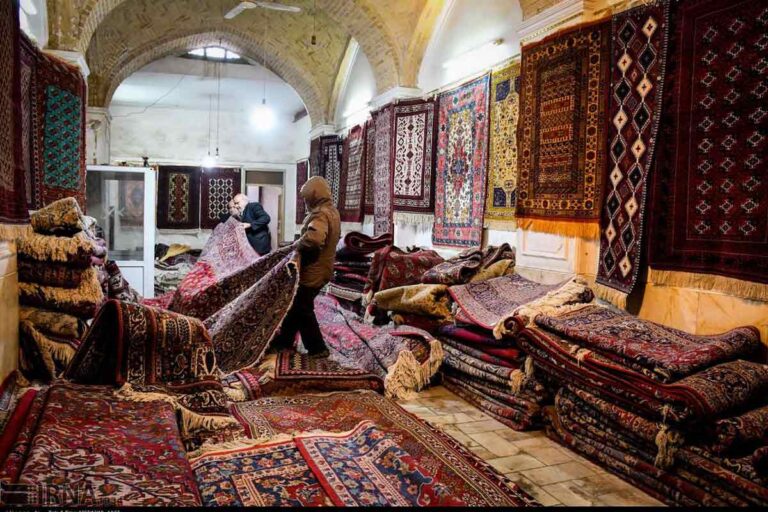



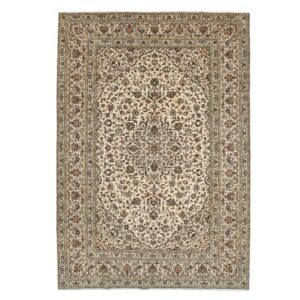
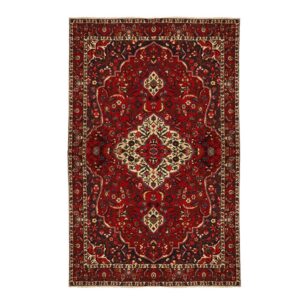

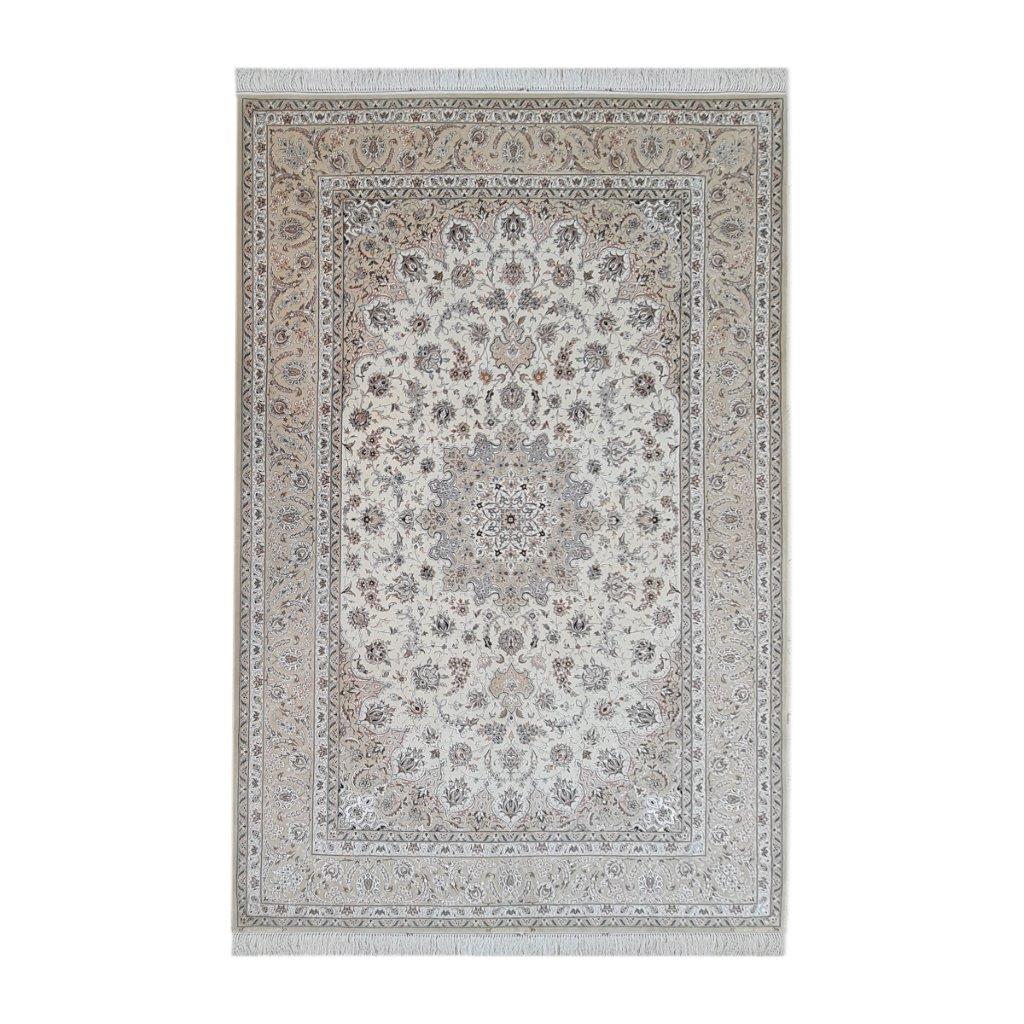
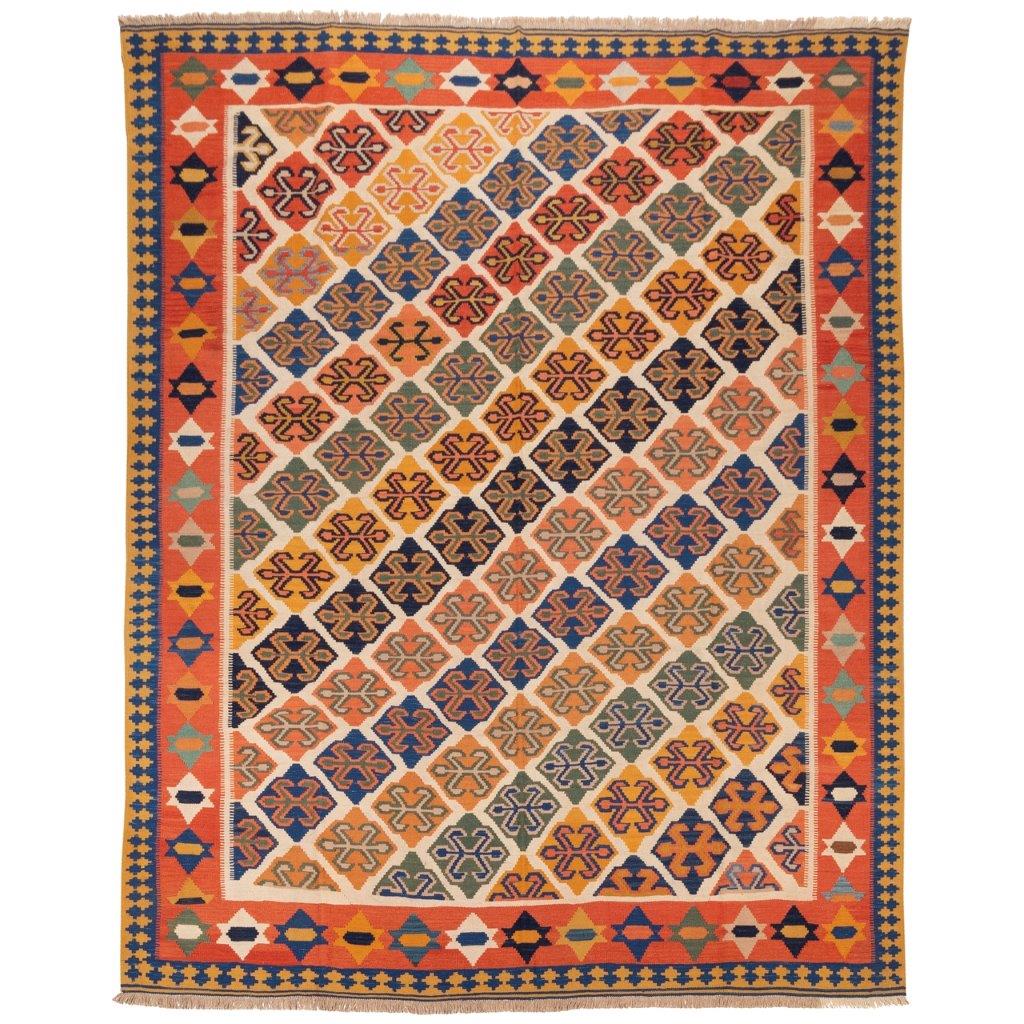


Persian carpets have become a natural choice for Australian interiors, from spacious Sydney and Melbourne homes to apartments, coastal properties, country houses, and contemporary open-plan spaces.
Australian interiors often combine timber flooring, neutral colours, modern furniture, natural materials, and generous living areas. A genuine Persian carpet can bring warmth, texture, colour, and individuality without making the room feel overly formal.
For Australian buyers, the most important decision is not simply choosing a famous Persian carpet name. Size, construction, wool or silk, design, colour, condition, and the way the carpet will be used should all be considered before purchasing.

What Australian Buyers Look For in a Persian Carpet
There is no single Persian style that suits every Australian home. Contemporary interiors often favour carpets with a strong handmade character and enough visual space to work alongside modern furniture.
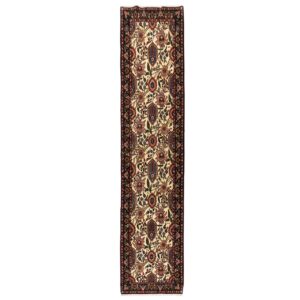
For open-plan living areas, larger tribal carpets can create a defined seating zone. In bedrooms and smaller rooms, softer and quieter designs can add warmth without overwhelming the space. Hallways and entrances can also benefit from Persian runners and kilims.
The Australian market also has a strong interest in handmade, vintage, antique, tribal, and kilim rugs, giving buyers considerably more choice than simply traditional formal carpets.
Persian Carpets That Suit Australian Interiors
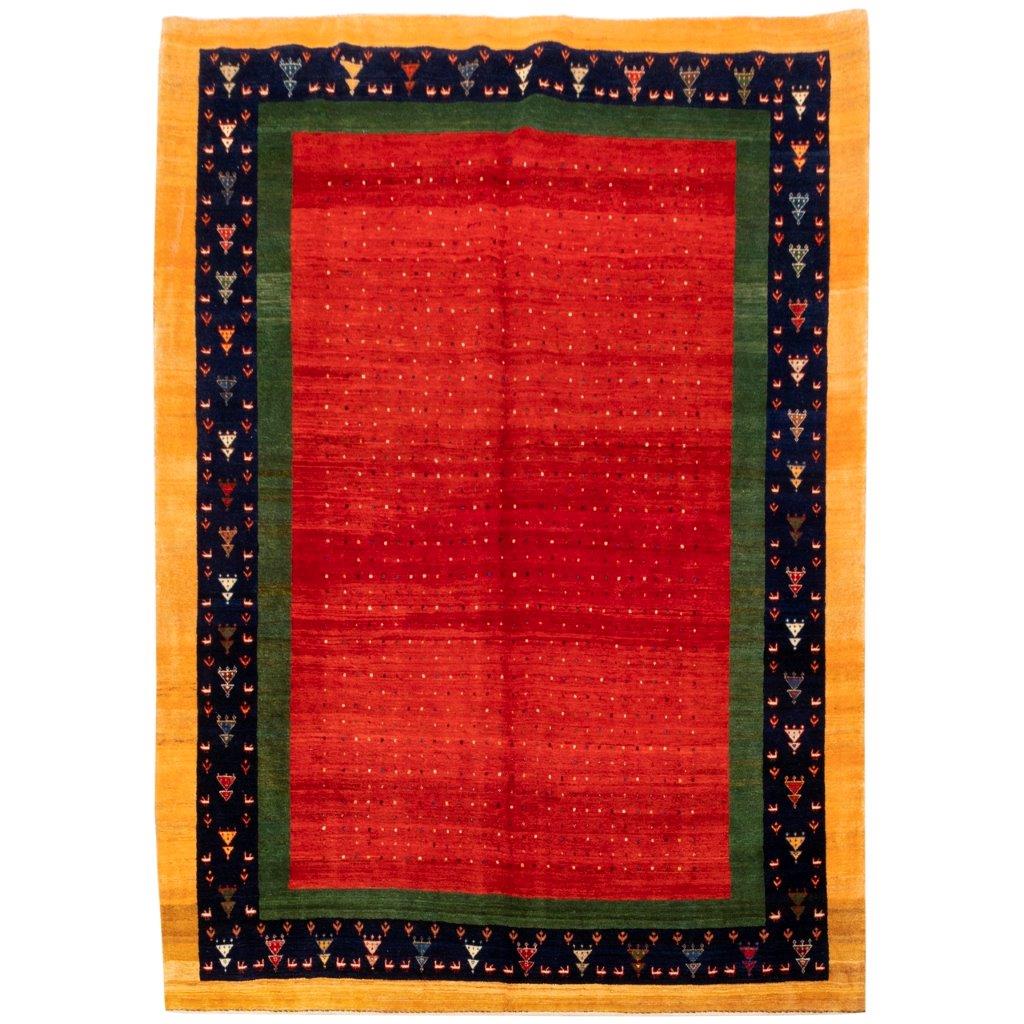
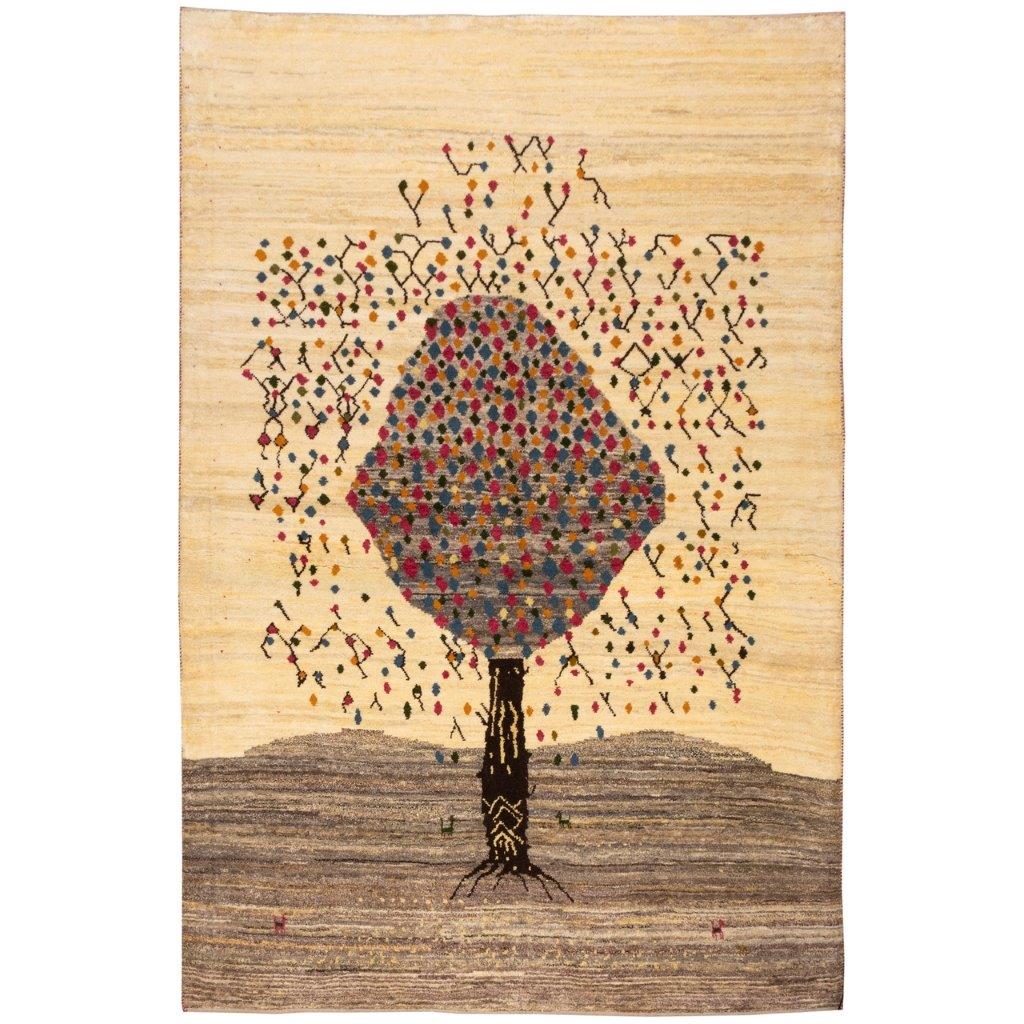
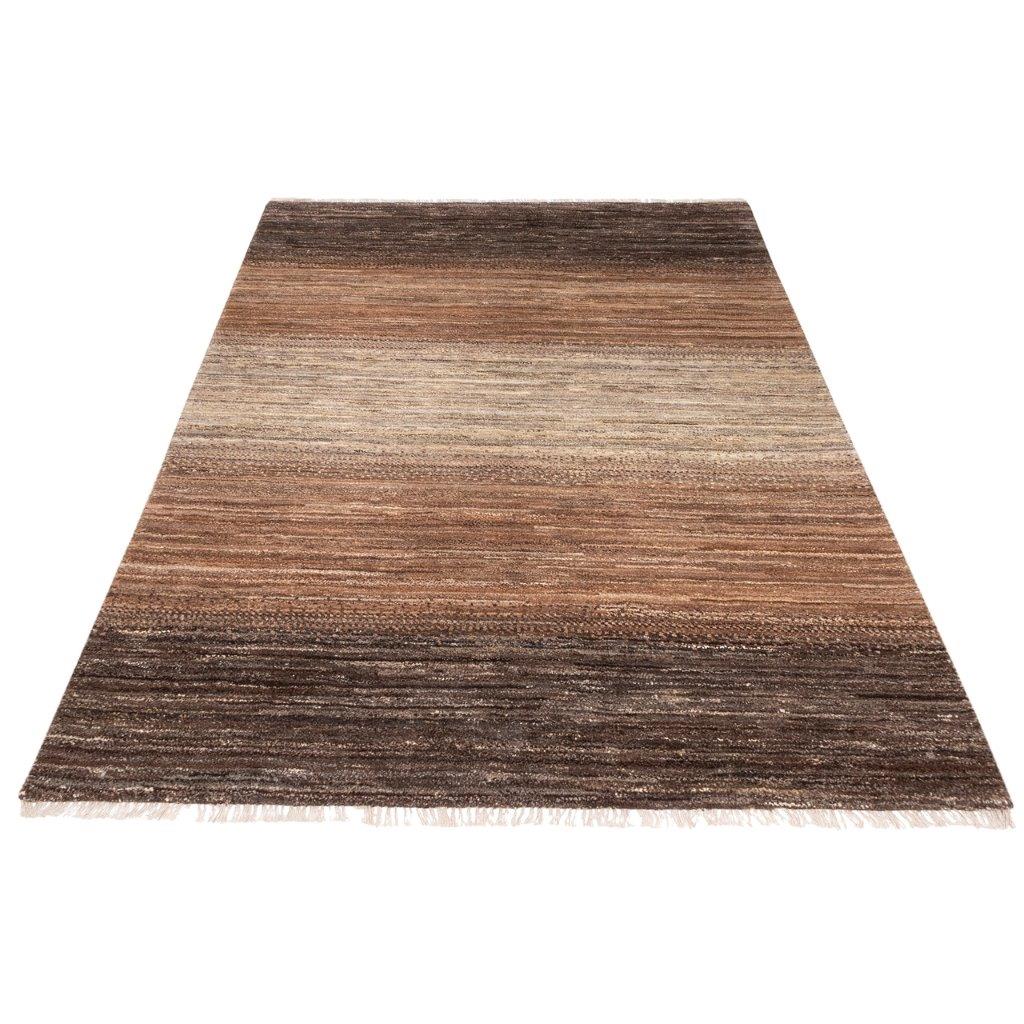
Gabbeh
Gabbeh is one of the easiest Persian carpets to introduce into a contemporary Australian home. Its thick wool pile, simple compositions, geometric elements, and relaxed handmade appearance work particularly well with timber floors, neutral furniture, and informal living spaces.
Qashqai
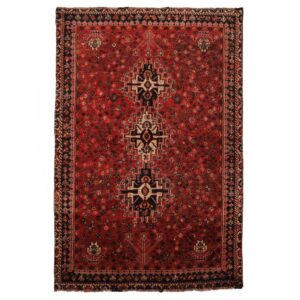
Qashqai carpets bring a stronger tribal character to an interior. Their geometric designs, natural variations, and expressive handmade quality can work especially well in Australian homes that combine modern furniture with natural textures and handcrafted objects.
They are particularly effective when the carpet is intended to become a distinctive part of the room rather than simply a neutral floor covering.

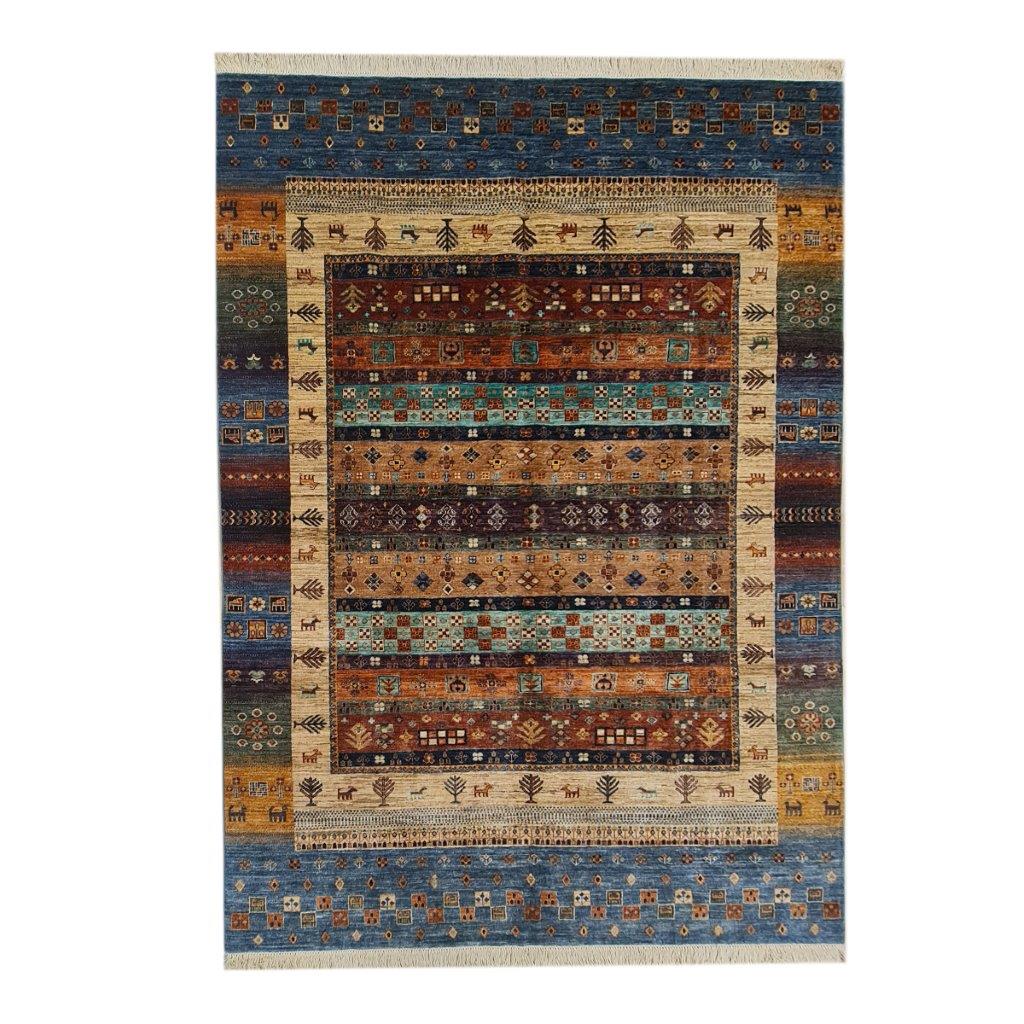
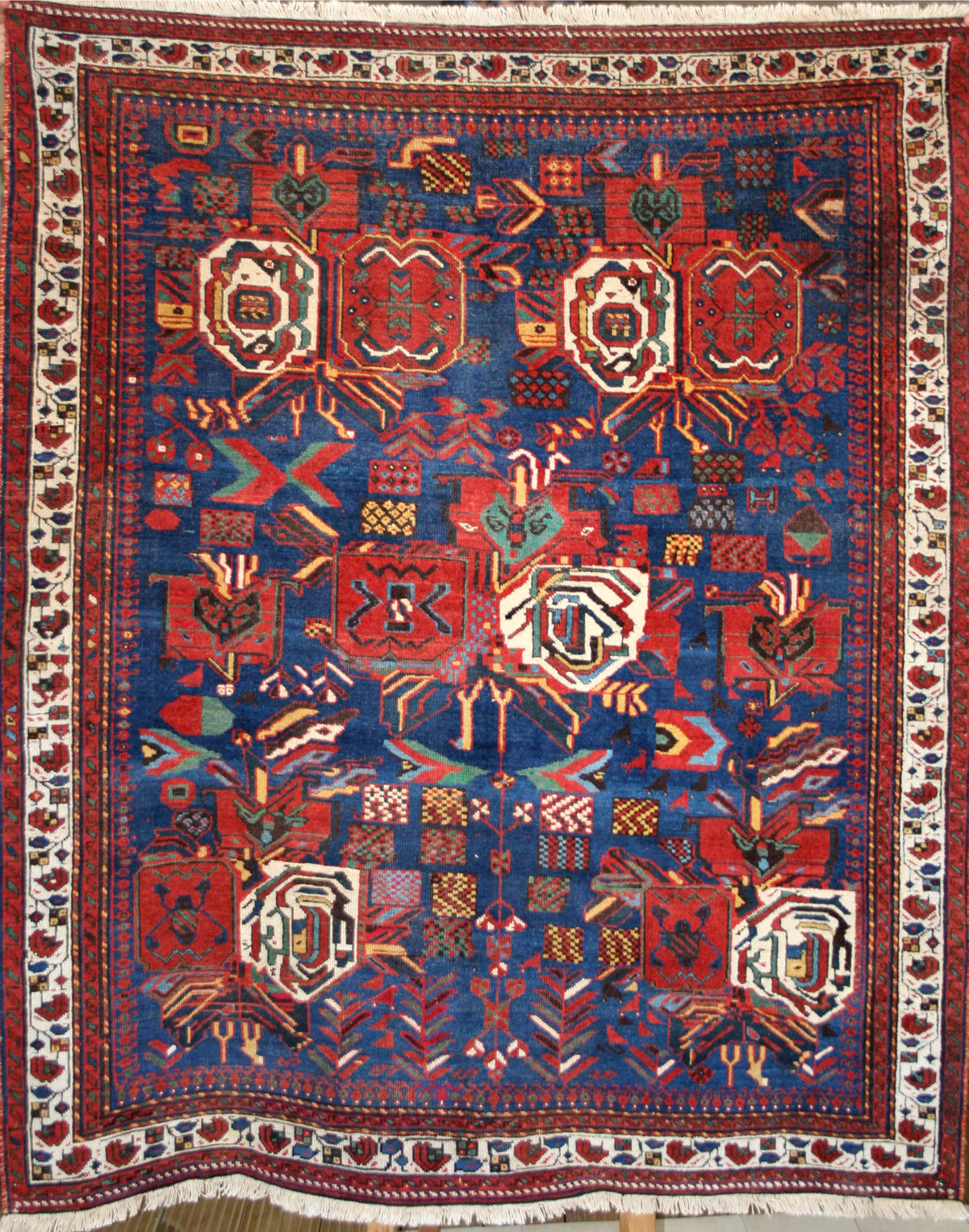
Afshar
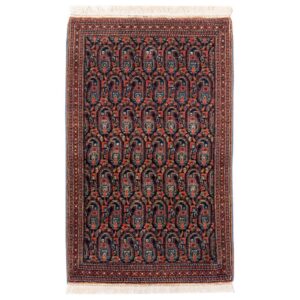
Afshar carpets offer another strong tribal option, with geometric compositions and a clearly handmade character. They can suit relaxed living rooms, studies, bedrooms, and interiors where natural materials and individual decorative pieces are preferred.
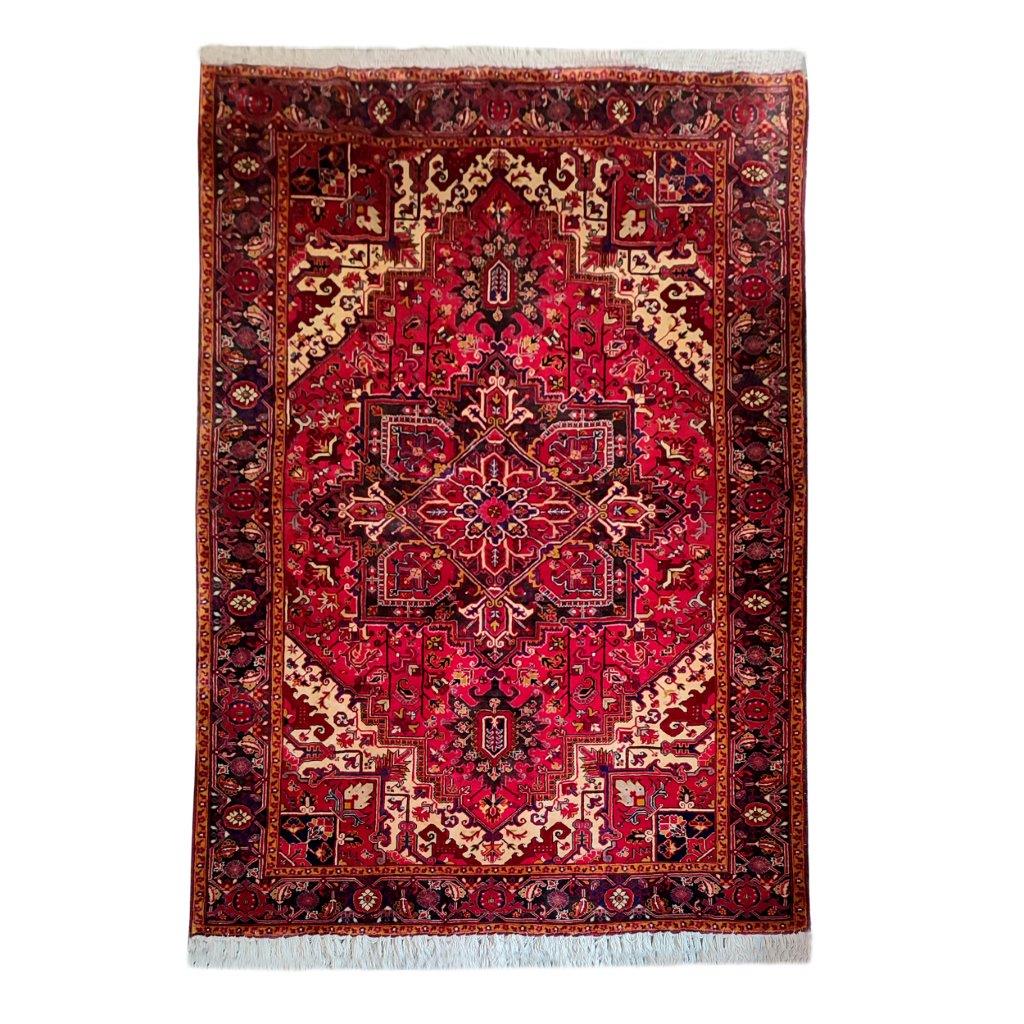
Heriz
Heriz carpets are a strong choice for larger rooms and interiors that need a more confident visual statement. Their bold geometric structure and distinctive medallions work particularly well with simple contemporary furniture and timber flooring.

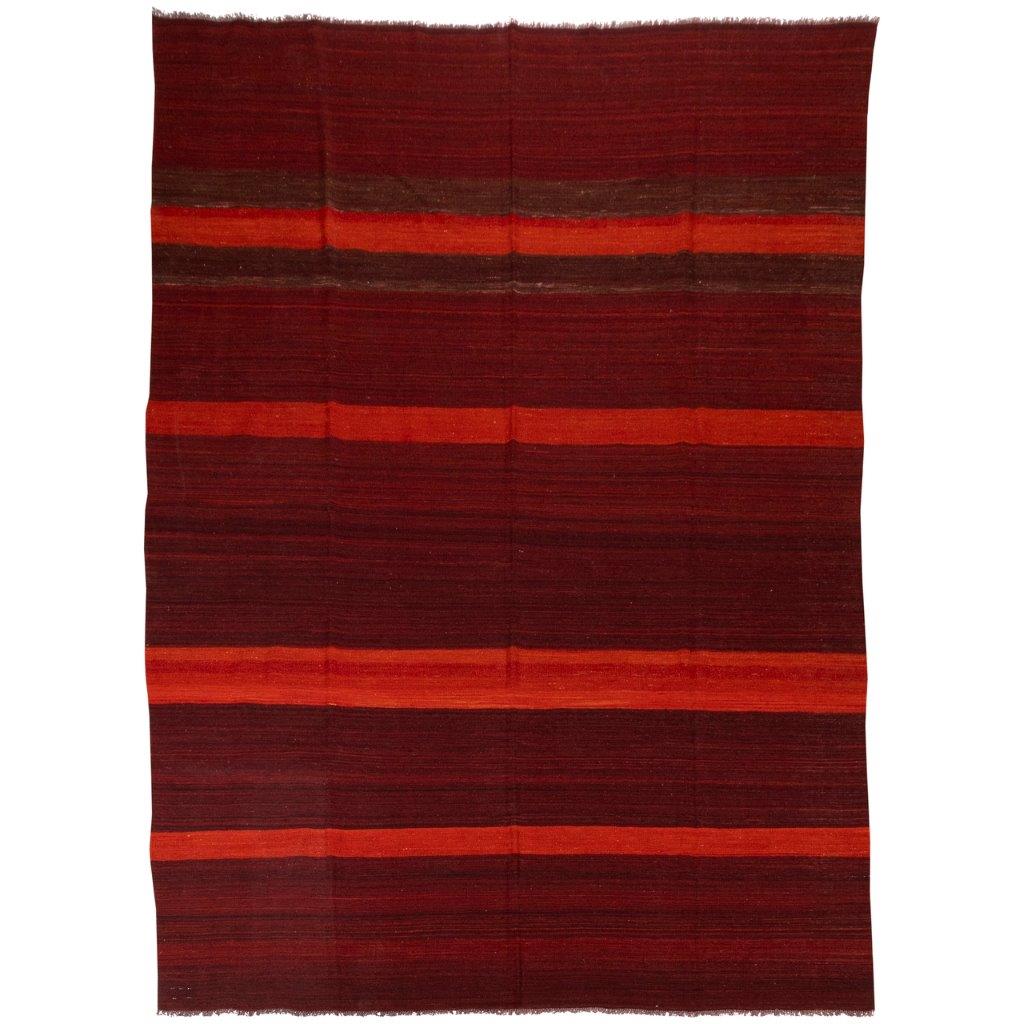
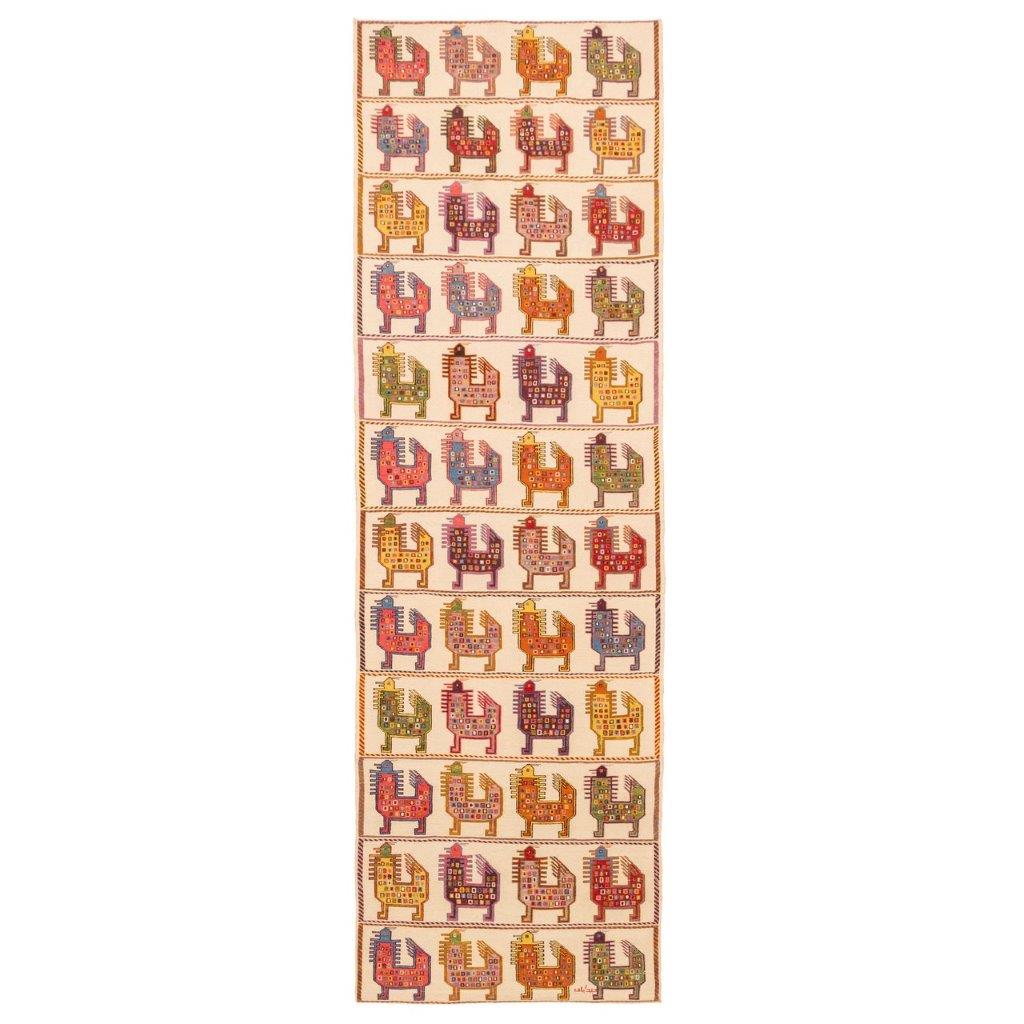
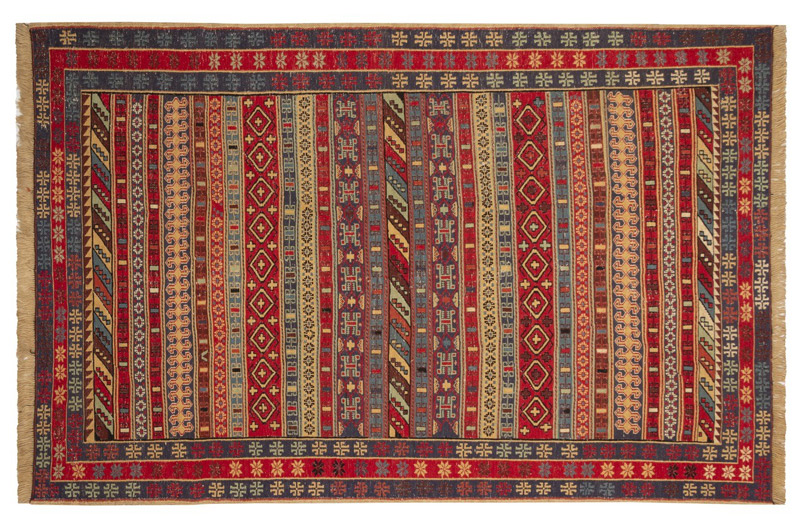
Persian Kilims
Persian kilims provide a lighter alternative to pile carpets. Their flat-woven construction and graphic patterns make them useful for entryways, hallways, smaller rooms, casual spaces, and areas where a low-profile floor covering is preferred.
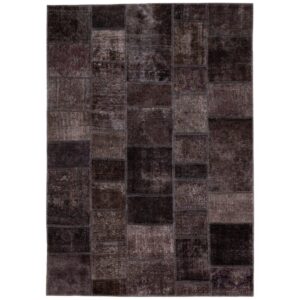
Vintage Persian Rugs
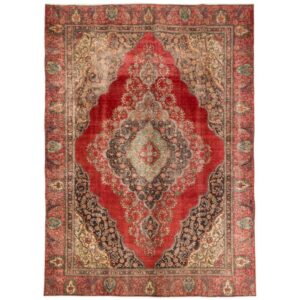
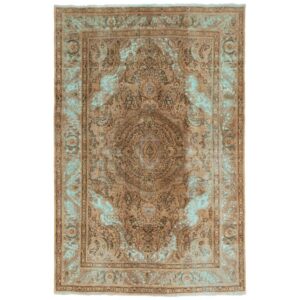
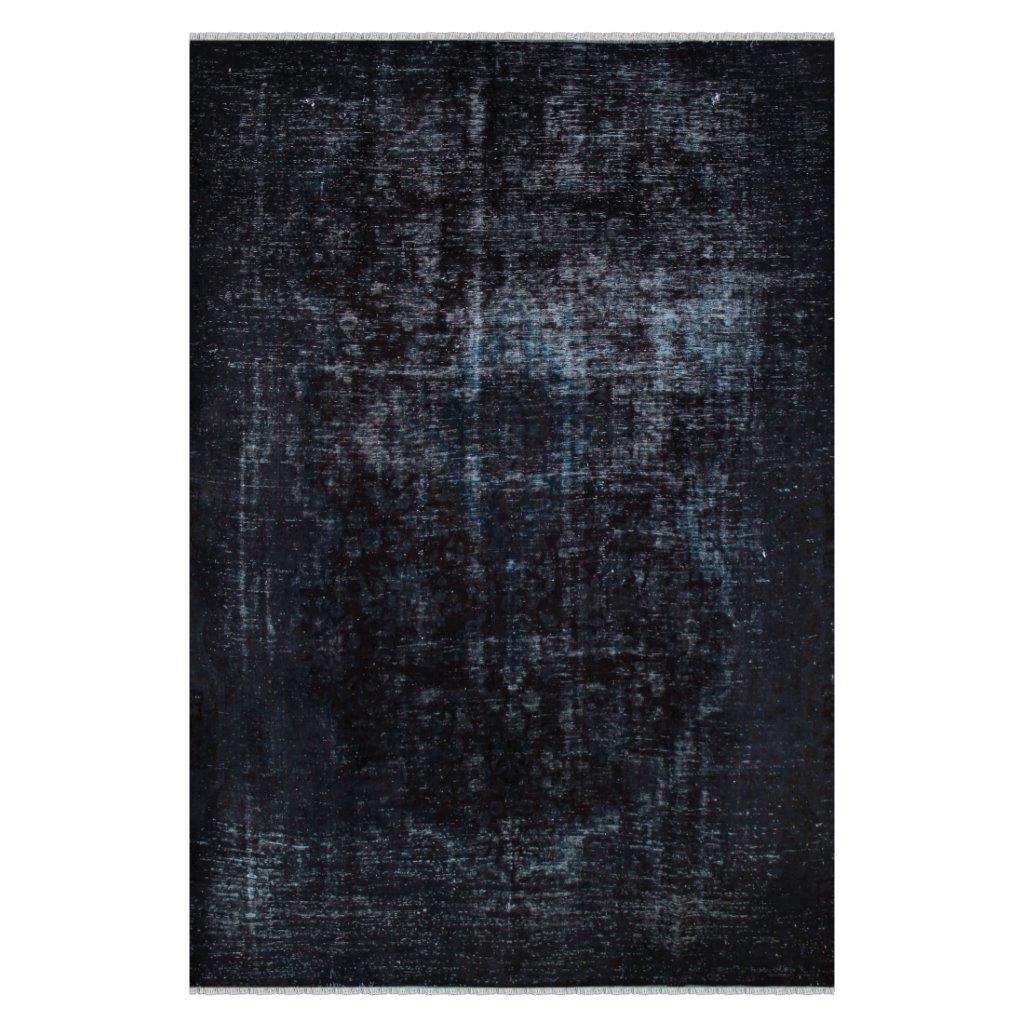
Vintage Persian carpets can be particularly attractive in Australian interiors where individuality and character are more important than a perfectly formal appearance. Faded colours, softened wool, and variations created through age can work beautifully with contemporary furniture.
Persian Carpets for Australian Open-Plan Homes
Open-plan living is common throughout Australia, where living, dining, and kitchen areas are often connected within one large space.
A well-sized Persian carpet can help visually define the living area without creating a physical barrier. In a large room, the carpet should normally be large enough to connect the main seating pieces rather than appearing as a small island underneath a coffee table.
For this type of interior, Gabbeh, Qashqai, Afshar, and Heriz can provide particularly useful choices because their designs remain visually distinctive while working with contemporary furniture.

Persian Carpets and Australian Timber Floors
Timber flooring is a common feature of Australian interiors, and Persian carpets can work particularly well against natural wood.
The contrast between handmade wool and timber creates warmth and texture, while the carpet can also introduce colour into interiors dominated by neutral furniture and natural materials.
For lighter timber floors, earthy tribal carpets can create a warm contrast. For darker timber, lighter or more restrained Persian designs can prevent the room from becoming visually heavy.

Buying a Persian Carpet Directly from Iran
Buying directly from Iran gives Australian customers access to a much broader selection of handmade Persian carpets than they may find in local retail stock. Buyers can compare carpets by region, size, material, design, age, condition, and weaving quality before making a decision.
We help make this process easier by giving Australian buyers access to carpets from different weaving regions of Iran and helping them choose according to their room, preferred style, size, and budget.
Before ordering, ask for the exact dimensions, materials, weaving region, construction, condition, and detailed photographs of the actual carpet. Shipping arrangements, import requirements, taxes, duties, and the complete delivered cost should also be confirmed before purchase.
View Available Persian Carpets
How Much Does a Persian Carpet Cost in Australia?
The price of a genuine Persian carpet varies considerably. Size, weaving region, materials, knotting, craftsmanship, age, condition, rarity, and design all influence the final price.
A smaller handmade tribal carpet can be considerably more accessible than a large finely woven city carpet, while antique and exceptional collector pieces can reach much higher values.
For Australian buyers, it is more useful to compare individual carpets according to their actual specifications than to rely on a single average price for all Persian rugs.
New, Vintage or Antique?
A new Persian carpet is usually chosen for its condition, colour, craftsmanship, and suitability for a particular interior. Vintage carpets offer more age and character, while antique carpets can appeal to collectors looking for rarity, historical significance, and artistic value.
Age alone does not determine quality. A well-preserved handmade carpet with excellent craftsmanship can be a better purchase than an older carpet in poor condition.
What to Check Before Buying
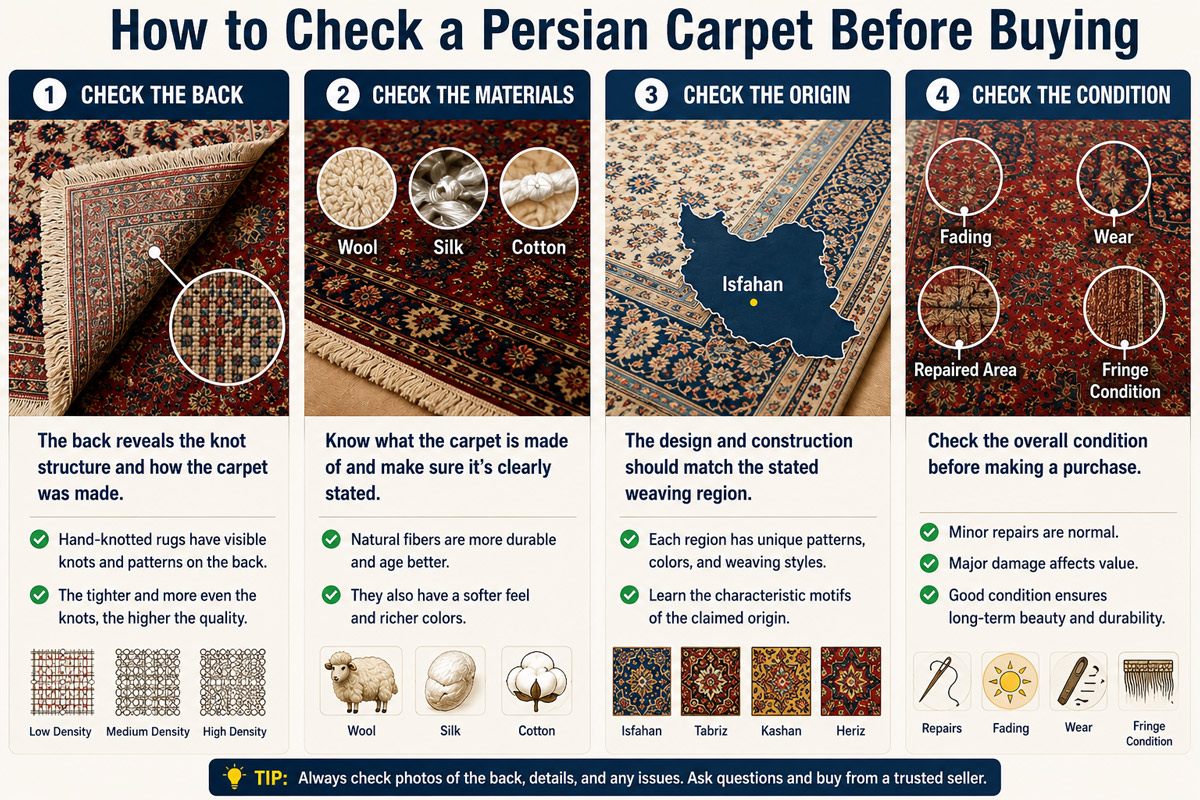
Check the Back
Look at the reverse side to understand the knot structure and construction. This can help distinguish a genuine hand-knotted carpet from a machine-made reproduction.
Check the Materials
Confirm whether the carpet is made from wool, silk, cotton, or a combination of materials. The material should be clearly stated.
Check the Size
Measure the room and consider the position of your furniture before choosing a carpet. A beautiful rug that is too small can make a large Australian living room feel disconnected.
Check the Condition
For vintage and antique carpets, ask about repairs, restoration, wear, fading, stains, and previous alterations.
Ask for Detailed Photographs
When buying online, request clear photographs of the entire carpet, the reverse side, edges, corners, pile, and any areas showing wear or repair.
Need Help Choosing a Persian Carpet?
Not sure which Persian carpet is right for your home in Australia? We can help you choose based on your preferred style, room, size, colours, budget, and intended use.
We can also provide detailed photographs and information about the carpet, confirm its materials and condition, and help you understand the shipping and delivery arrangements before you place an order.
For personalised advice about a specific carpet or help with purchasing and delivery to Australia, contact our team directly.
Frequently Asked Questions About Persian Carpets in Australia
Can I buy a Persian carpet directly from Iran and have it delivered to Australia?
Yes. Persian carpets can be purchased directly from Iran, but shipping arrangements, Australian import requirements, taxes, duties, and other conditions should be confirmed before ordering.
Which Persian carpets work well in Australian homes?
Gabbeh, Qashqai, Afshar, Heriz, Persian kilims, and vintage Persian carpets can work particularly well with Australian interiors. The best choice depends on the room, furniture, size, colour scheme, and intended use.
Are Persian carpets suitable for open-plan Australian homes?
Yes. A correctly sized Persian carpet can visually define a living area within an open-plan space while adding warmth and texture to timber or other hard flooring.
What Persian carpet is best for a high-traffic area?
Durability depends on construction, materials, pile, and condition. Well-made wool carpets and sturdy tribal weavings can be practical choices, but the specific carpet should be assessed individually.
Are Persian kilims suitable for Australian homes?
Yes. Their flat-woven construction makes them useful for hallways, entrances, smaller rooms, and areas where a low-profile carpet is preferred.
How can I tell if a Persian carpet is genuinely handmade?
Examine the reverse side and look at the knot structure and construction. Also check the stated materials, weaving region, finishing, and detailed photographs rather than judging authenticity only from the front.
Should I choose a new, vintage, or antique Persian carpet?
It depends on your priorities. New carpets offer fresh condition and predictable appearance, vintage carpets provide age and character, while antique carpets can be particularly attractive to collectors interested in rarity and historical value.
Can Persian carpets be a good long-term purchase?
A high-quality handmade Persian carpet can provide many years of use and may retain significant decorative or collectible value. However, financial appreciation is not guaranteed and depends on the individual carpet and market demand.