

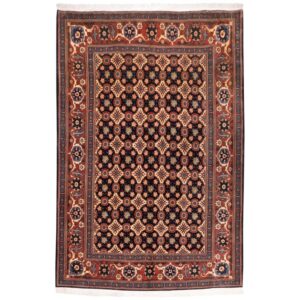

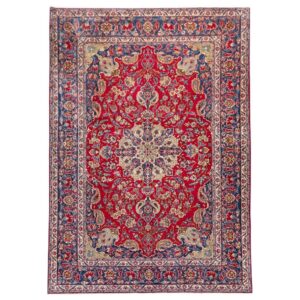
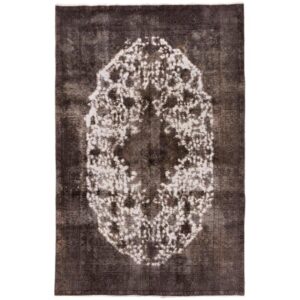
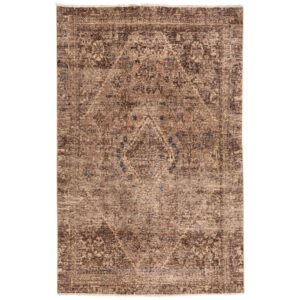
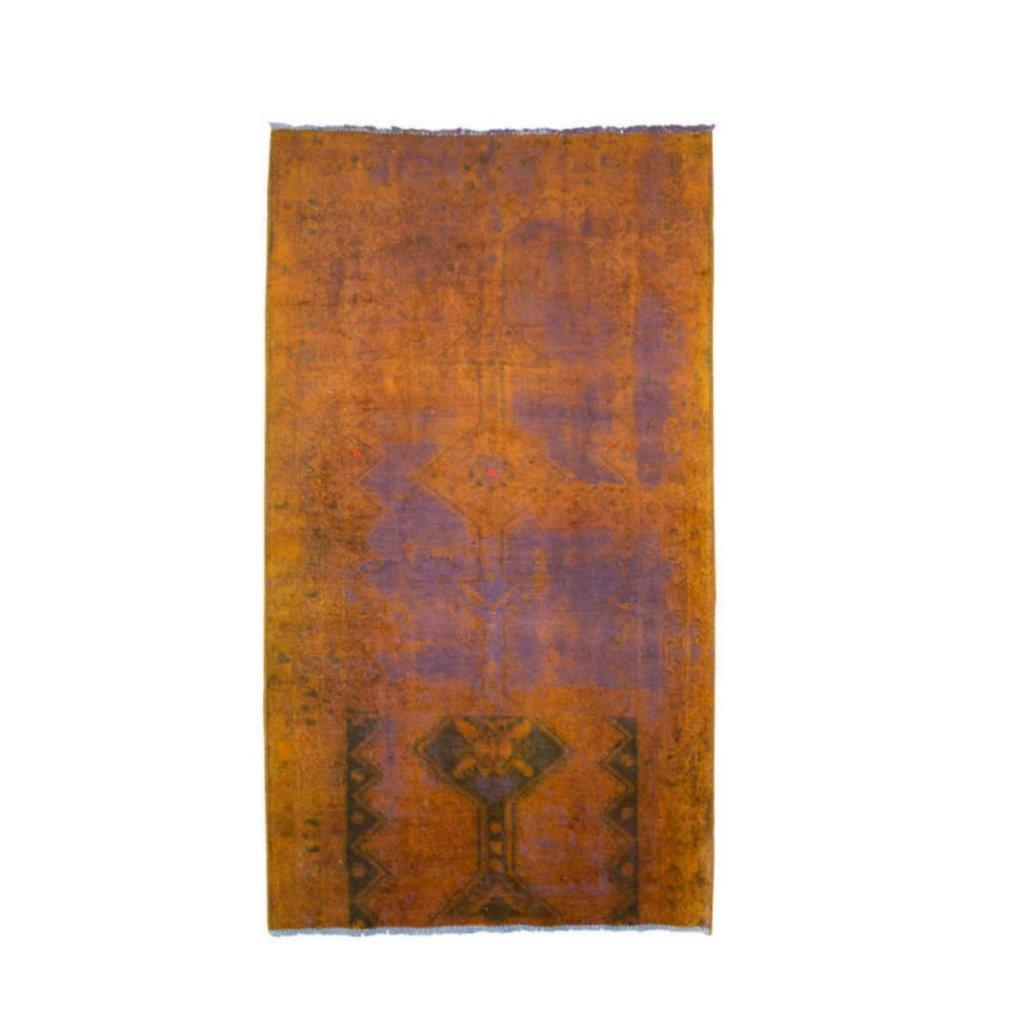
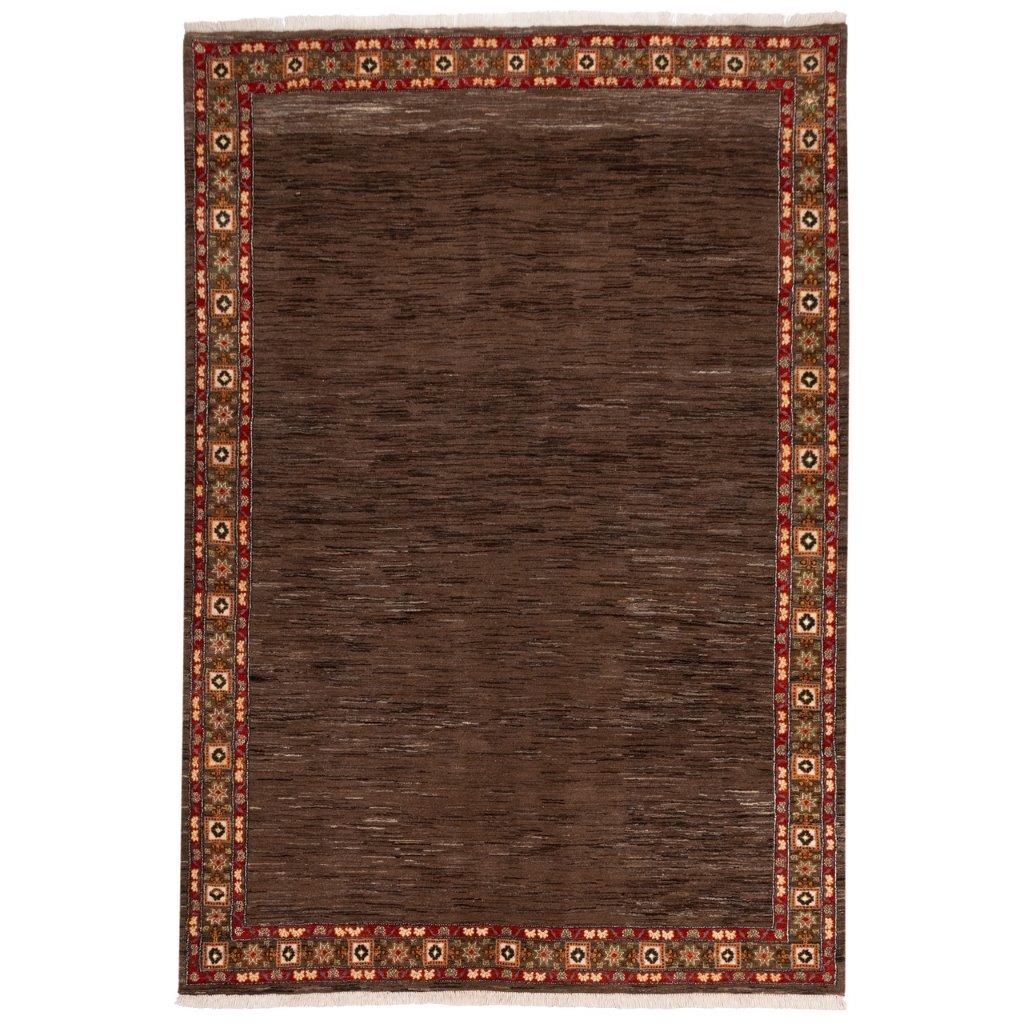
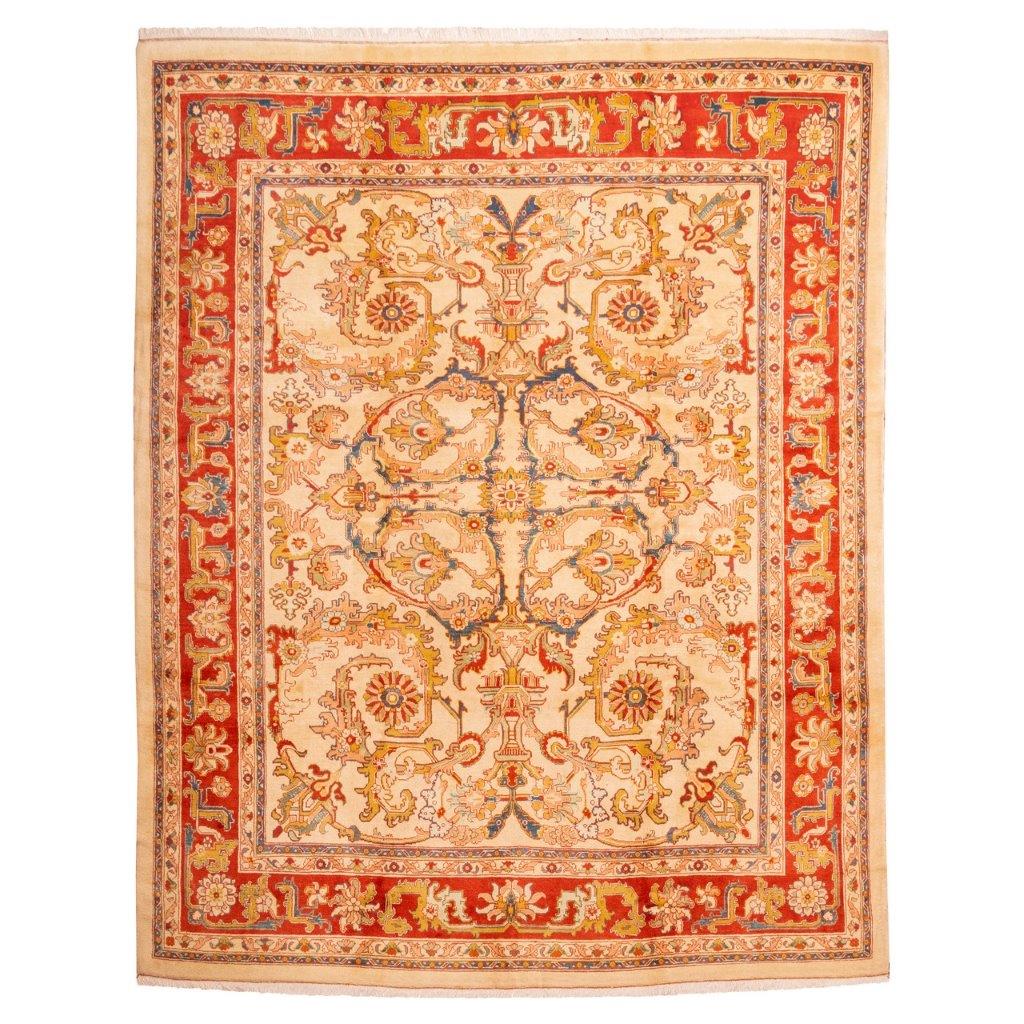

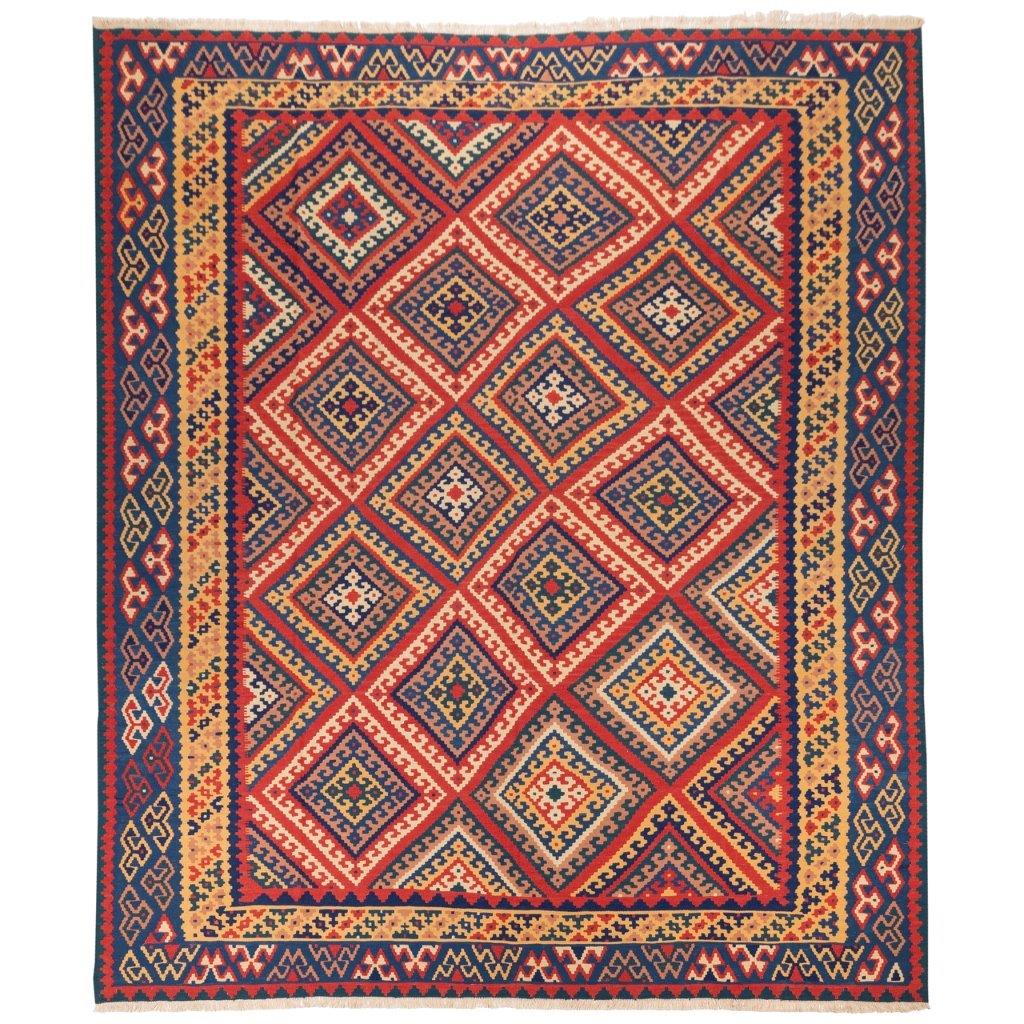
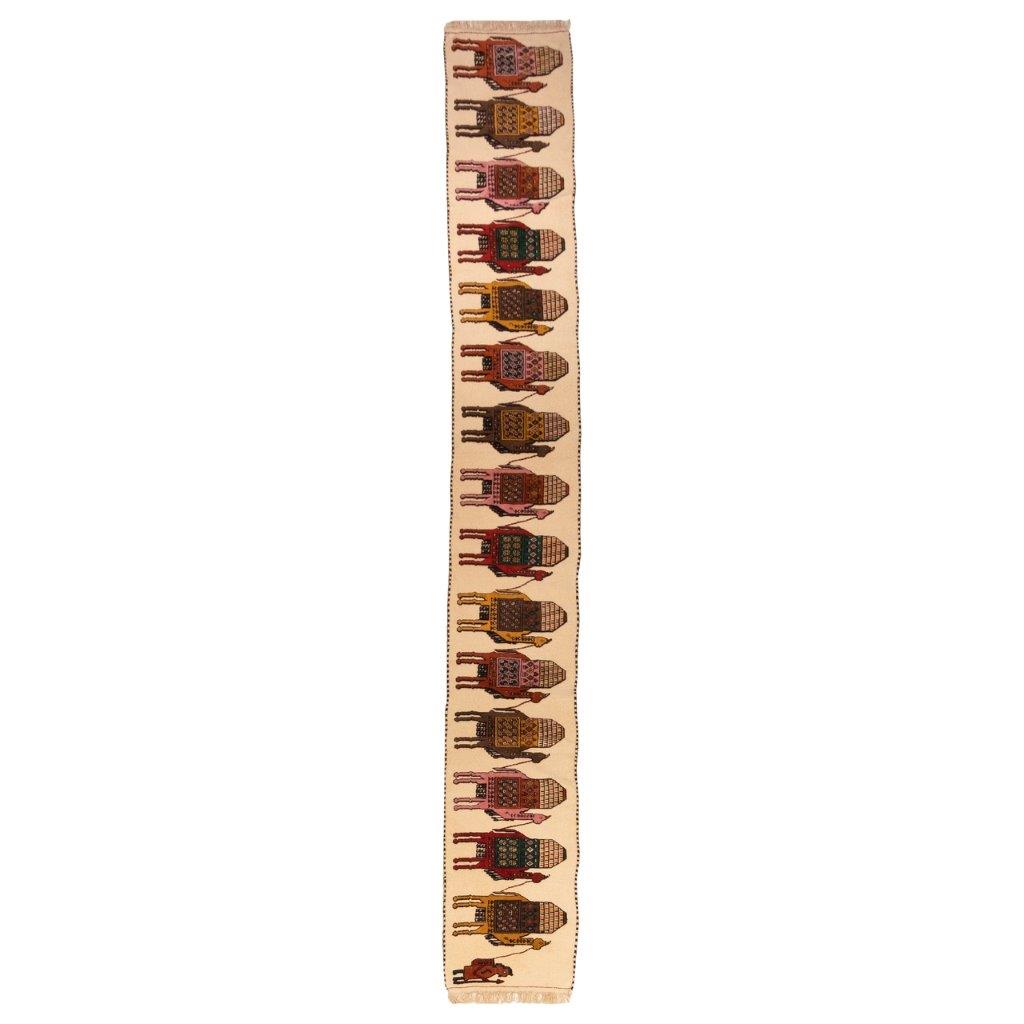

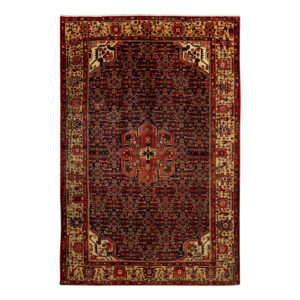
Buying Persian Carpet in Kuwait: Tradition Woven into Modern Living
Kuwait has a strong appreciation for fine carpets, spacious interiors, and traditional hospitality. Persian carpets fit naturally into Kuwaiti homes, majlis spaces, villas, and luxury interiors. With Iran nearby, Kuwaiti buyers can benefit from direct access to handmade Persian carpets, competitive prices, and a wide selection of designs and sizes.
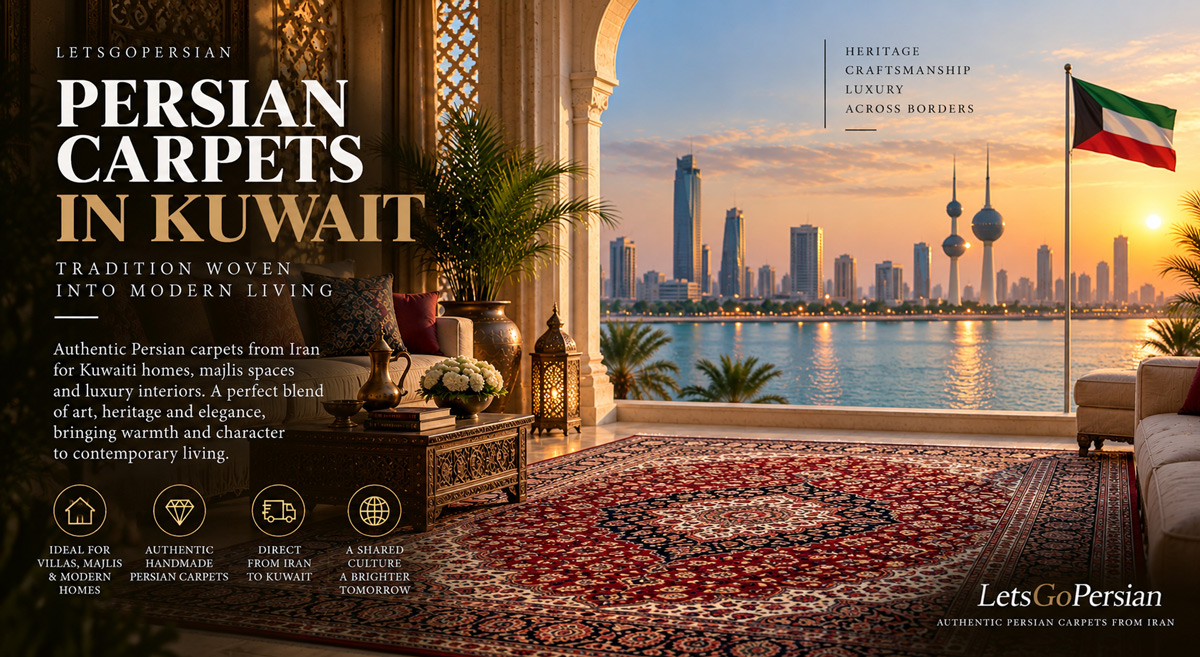
What Persian Carpets Do Kuwaiti Buyers Prefer?
Different Persian weaving regions offer different designs, colors, textures, and levels of formality. For Kuwaiti homes, villas, majlis spaces, and contemporary interiors, the following styles are particularly worth considering.
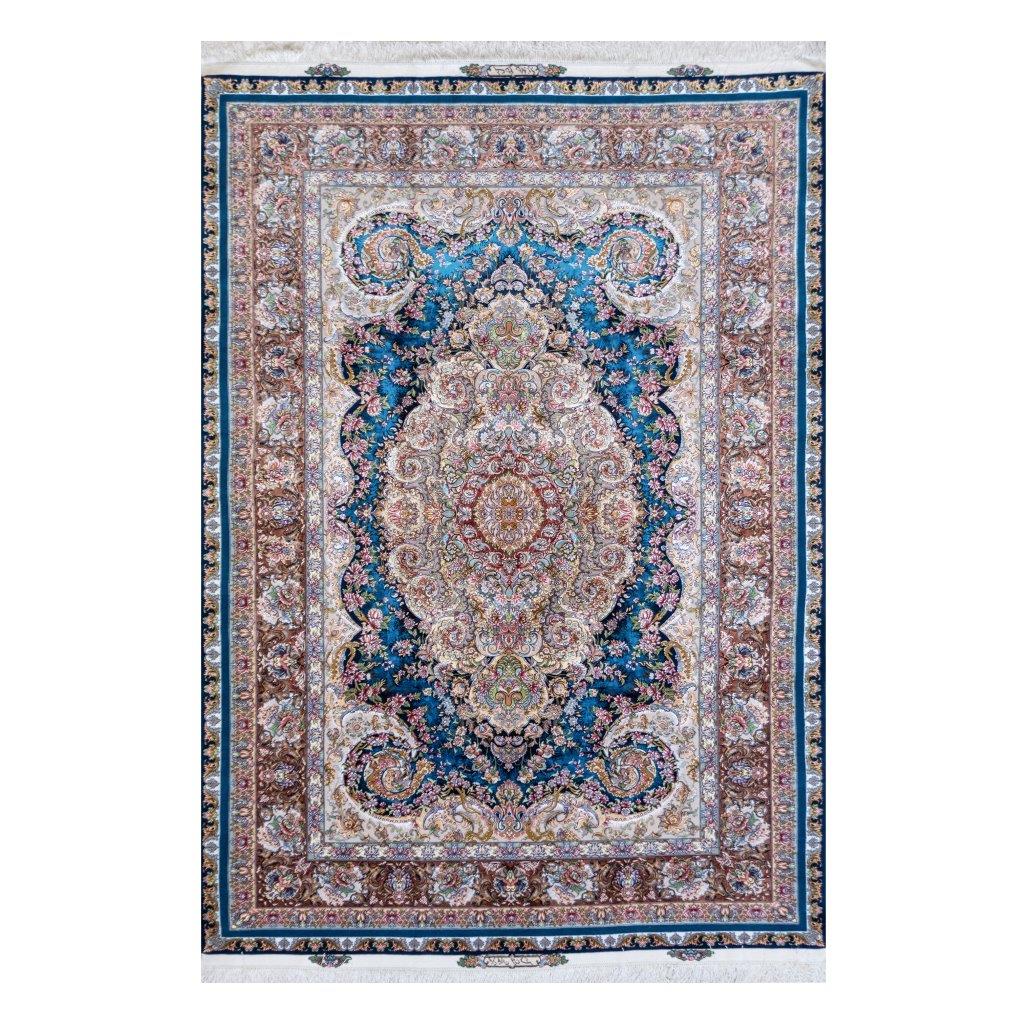
Tabriz Rugs
Tabriz carpets are a strong choice for large living rooms, formal reception areas, and majlis spaces. Their detailed drawing, sophisticated compositions, and broad range of designs make them suitable for both traditional and contemporary Kuwaiti interiors.
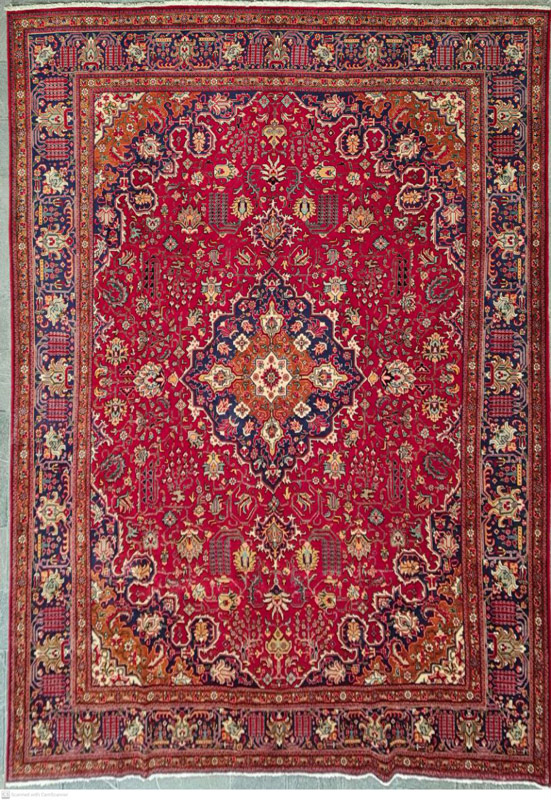
Isfahan Rugs
Isfahan carpets are appreciated for elegant compositions, fine detail, balanced colors, and refined craftsmanship. They can work especially well in sophisticated villas, formal reception rooms, and contemporary interiors with carefully selected furniture.

Kashan Rugs
Kashan carpets are well suited to buyers who prefer classical Persian decoration. Traditional medallions, floral compositions, and rich decorative detail make them a natural choice for formal majlis rooms and traditional interiors.
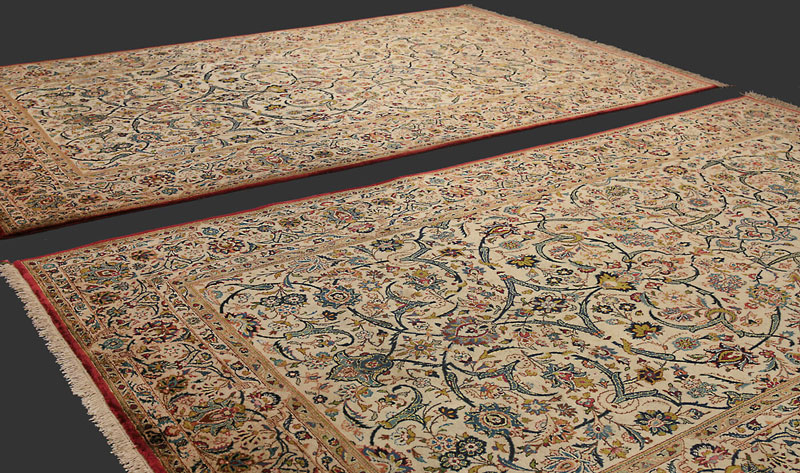
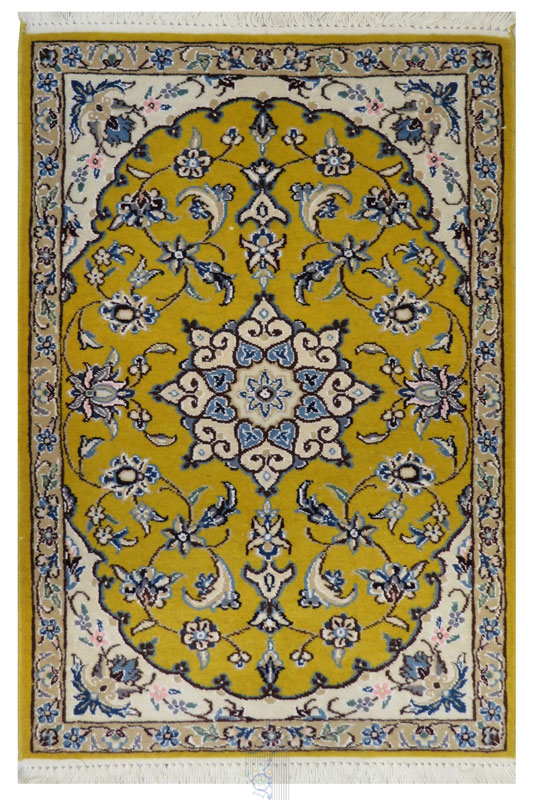
Nain Rugs
Nain carpets offer a lighter and more restrained appearance that can complement modern Kuwaiti interiors. Their refined patterns and softer visual presence work well with marble floors, neutral furniture, and contemporary architecture.
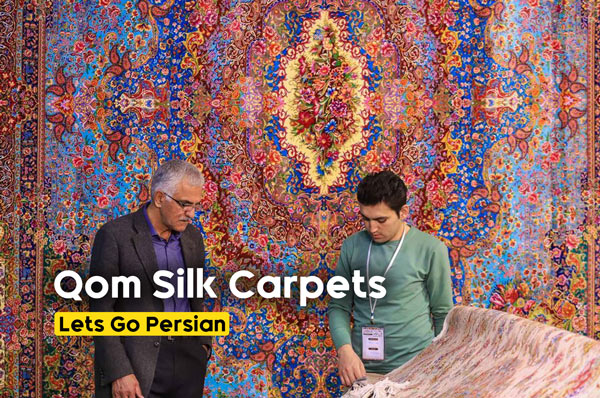
Qom Silk Rugs
Fine Qom silk carpets are among the more luxurious choices for Kuwait. Their intricate designs and fine weaving make them particularly appropriate for prestigious reception areas, private collections, display spaces, and special gifts.

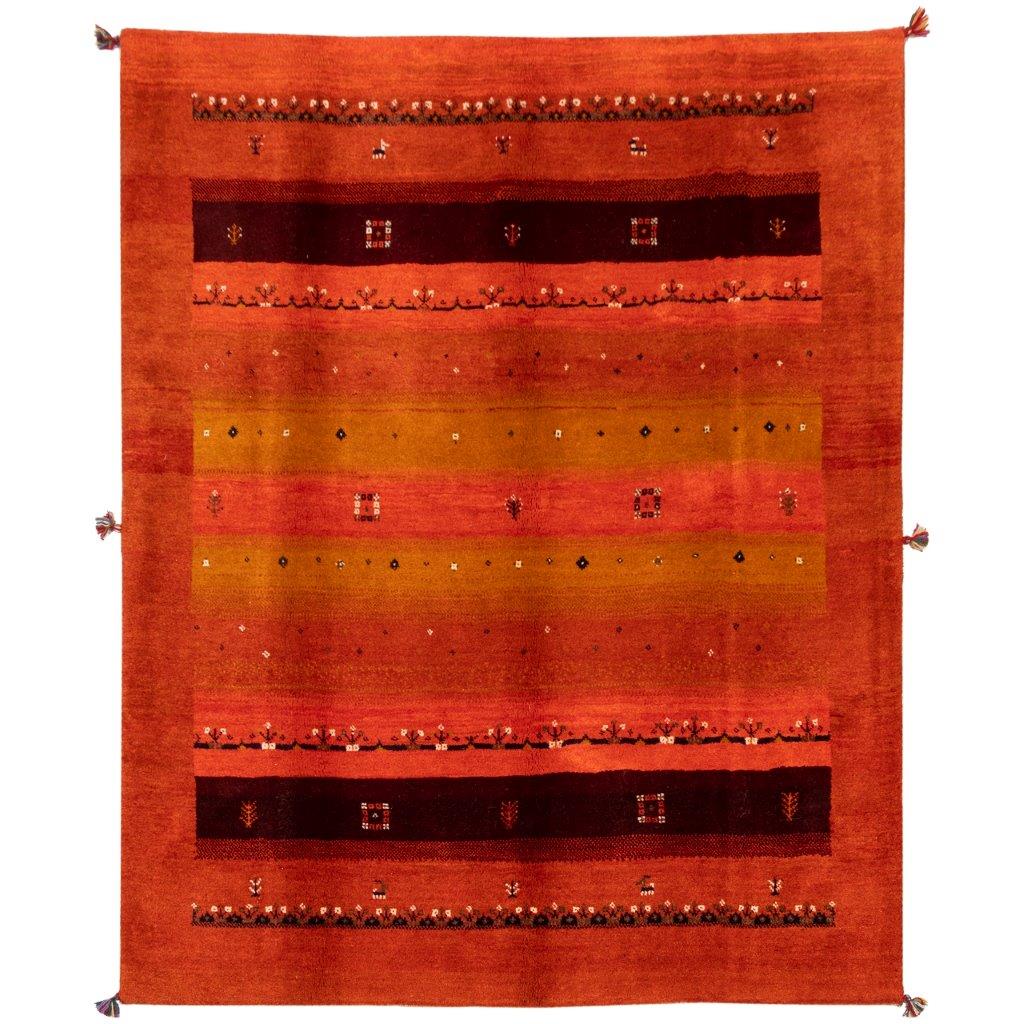
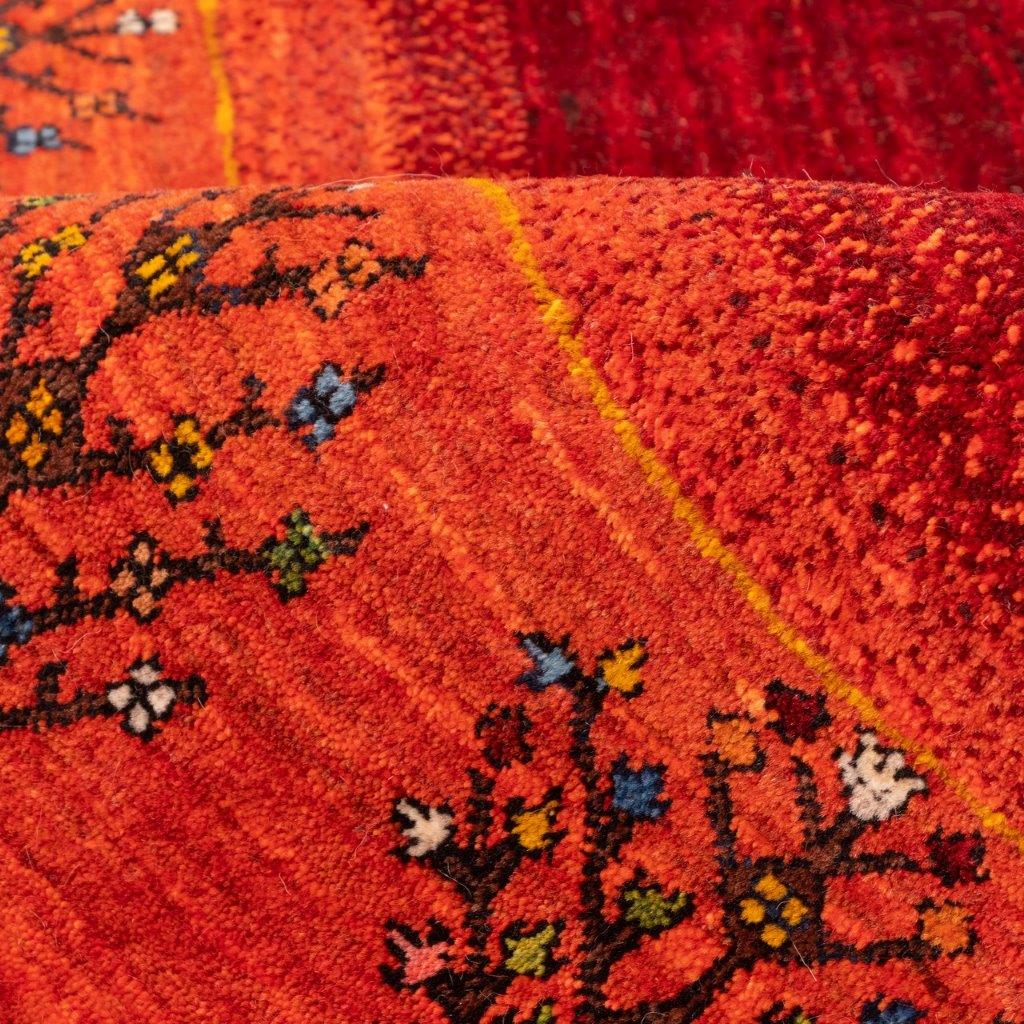
Gabbeh Rugs
Gabbeh carpets provide a simpler and more relaxed alternative to highly detailed Persian city rugs. Their natural character, geometric designs, and thicker wool construction can suit contemporary homes, family spaces, and informal rooms.
Heriz Rugs
Heriz carpets are known for strong geometric compositions, bold medallions, and a durable character. They can be particularly effective in large family rooms and spacious interiors where the carpet is intended to become a visual focal point.

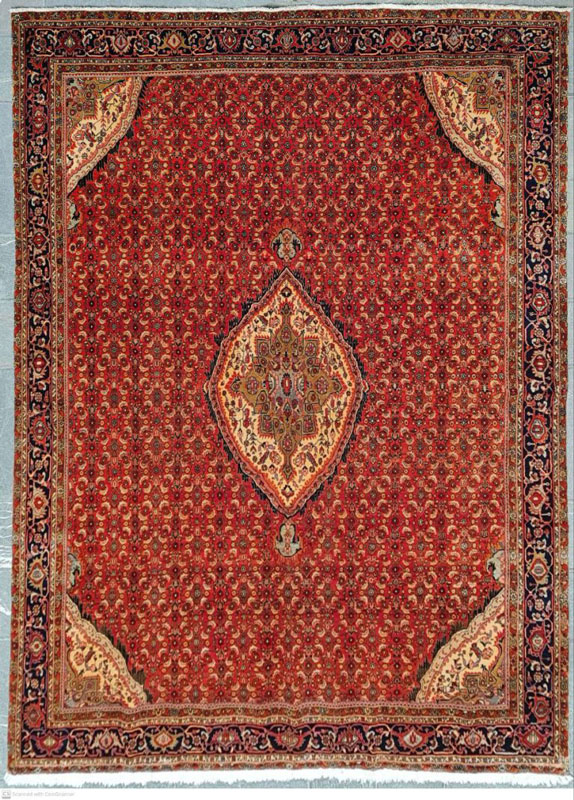
Bijar Rugs
Bijar carpets are valued for their dense construction, substantial feel, and durability. They can be a practical choice for large family homes and buyers who want a traditional Persian carpet capable of handling long-term use.
Choosing a Persian Carpet for a Kuwaiti Home
The best carpet depends on the size of the room, furniture, colors, architecture, and the atmosphere you want to create.
- Modern apartments: Nain and Isfahan can complement clean contemporary interiors.
- Luxury villas: Tabriz, Isfahan, Kashan, and large-format Persian carpets can anchor spacious rooms.
- Majlis and reception rooms: Large Tabriz, Kashan, Kerman, and Isfahan carpets can provide a strong traditional foundation.
- Family areas: Heriz, Bijar, and Gabbeh can offer a combination of character and practicality.
Persian Carpets in Modern Kuwaiti Interior Design
Kuwaiti homes frequently combine marble flooring, large open rooms, contemporary furniture, statement lighting, and neutral colors.
A Persian carpet introduces warmth, texture, and artistic detail into these spaces. Rather than treating the carpet as a small decorative accessory, many interiors use it as the element that connects sofas, tables, and other furnishings.
Expert Tip
For a modern Kuwaiti villa with marble flooring and neutral furniture, consider the carpet’s size and visual weight before choosing an elaborate pattern. A properly proportioned Nain, Isfahan, or Tabriz carpet can make the entire room feel more cohesive.
Persian Carpets for Kuwaiti Majlis
The majlis is one of the most important spaces in many Kuwaiti homes, making the choice of carpet especially important.
Large Persian carpets can visually define seating areas while adding warmth and a sense of craftsmanship.
Suitable choices include:
Large Tabriz / Kashan / Isfahan / Kerman
For a more contemporary majlis, a restrained design can create a cleaner appearance. For a traditional setting, a richer medallion or floral composition can reinforce the character of the room.
Buying Persian Carpets Wholesale in Kuwait
We also work with buyers in Kuwait who need Persian carpets in larger quantities.
Wholesale sourcing can be suitable for:
- Carpet shops and retailers
- Interior designers
- Furniture and home décor businesses
- Hotels and hospitality projects
- Property developers and villa projects
- Private buyers purchasing multiple carpets
Wholesale buyers can request collections according to budget, quantity, size, color, design, and weaving region.
Direct sourcing from Iran can also provide access to a wider selection than purchasing only from local showroom inventories.
Buying Persian Carpets Directly from Iran
For Kuwaiti customers, direct purchasing from Iran can be an attractive option because of the geographical proximity and established regional trade connections.
You can select carpets remotely and request:
- Detailed photographs and videos
- Exact measurements
- Information about materials and construction
- Weaving region and design details
- Condition information
- Shipping options to Kuwait
- Wholesale quotations for larger orders
Buying directly can also give buyers access to carpets at competitive prices before additional retail and showroom margins are added.
View Available Persian Carpets
Persian Carpet Prices in Kuwait
Persian carpet prices vary according to size, material, weaving quality, region, design, condition, rarity, and craftsmanship.
Typical indicative ranges include:
- Gabbeh & Tribal Rugs: KWD 150 – 600
- Hamedan, Nain & Regional Handmade Rugs: KWD 300 – 1,200
- Tabriz, Kashan & Isfahan Carpets: KWD 600 – 2,500+
- Fine Silk & Qom Carpets: KWD 1,500 – 6,000+
- Exceptional Collector Pieces: KWD 5,000+
These are indicative ranges rather than fixed prices. Individual carpets may be priced considerably higher or lower depending on their specific characteristics.
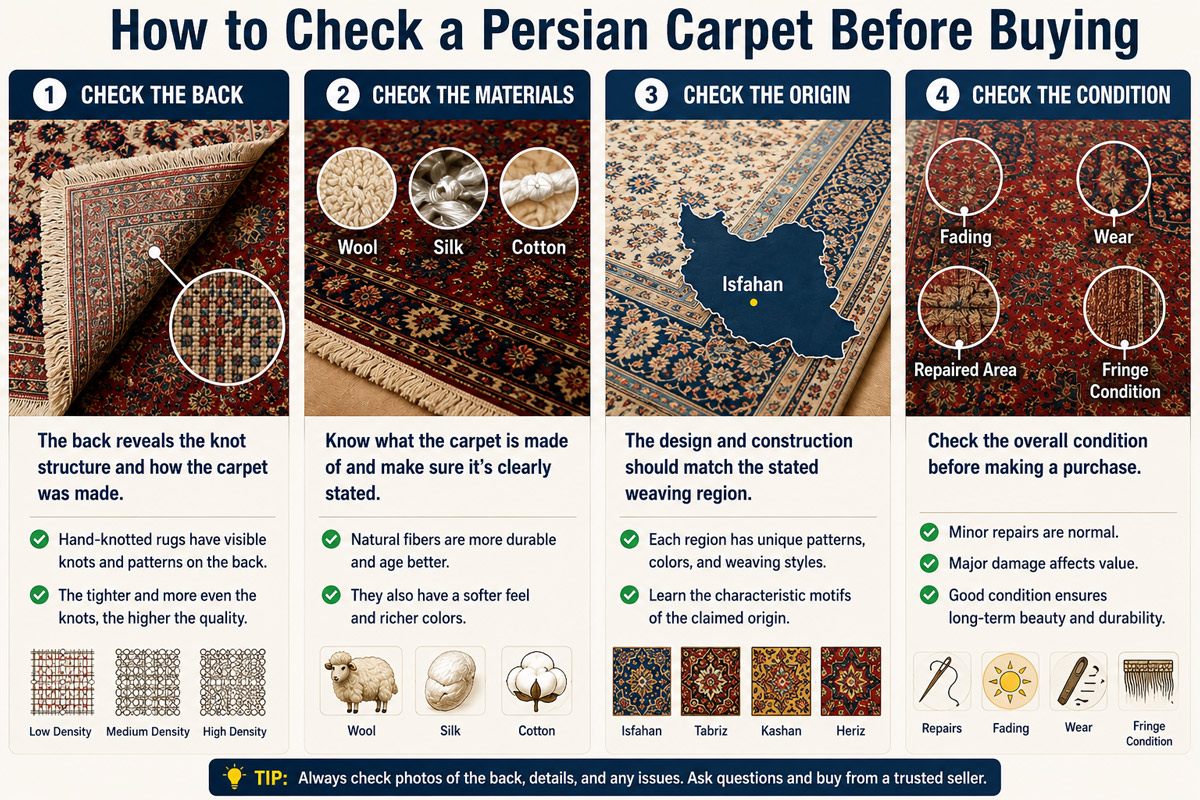
How to Check a Persian Carpet Before Buying
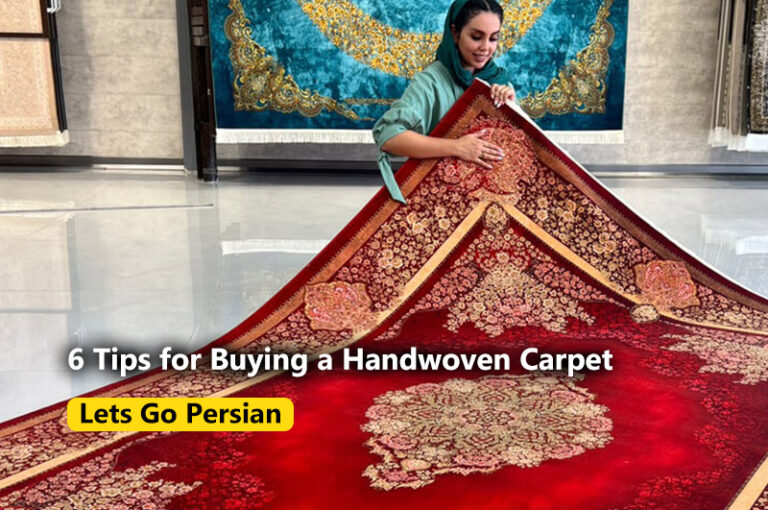
Examine the Back of the Carpet
The reverse side can help reveal the knot structure and provide useful clues about the carpet’s construction.
Check the Materials
Ask whether the carpet is made from wool, silk, cotton, or a combination of materials, and make sure the material information is clear.
Confirm the Origin
The design and construction should be consistent with the stated weaving region. Understanding regional characteristics helps buyers make more informed choices.
Ask About Condition
For older or previously used carpets, ask about wear, repairs, restoration, fading, and other condition issues before purchasing.
Why Buy Persian Carpets for Your Kuwait Home?
A Persian carpet can bring together several elements that are particularly important in Kuwaiti interiors:
- Luxury: Handmade craftsmanship gives the room a distinctive character.
- Hospitality: Large Persian carpets help define welcoming majlis and reception spaces.
- Design: Persian carpets can soften marble, stone, and contemporary furniture.
- Durability: Quality wool carpets can remain in use for many years.
- Choice: Buyers can select from many Persian regions, designs, sizes, and materials.
- Direct sourcing: Buying from Iran provides access to a broad selection and competitive pricing.
Find the Right Persian Carpet for Your Kuwait Home
Whether you are furnishing a villa, majlis, apartment, reception room, hotel, or commercial project, we can help you find handmade Persian carpets according to your size, design, color, weaving region, quantity, and budget.
Contact Us About Persian Carpets & Shipping to Kuwait
Frequently Asked Questions About Persian Carpets in Kuwait
Can I buy a Persian carpet directly from Iran and have it delivered to Kuwait?
Yes. Persian carpets can be purchased directly from Iran and arranged for delivery to Kuwait. Shipping arrangements, delivery costs, customs requirements, and other applicable charges should be confirmed before ordering.
How much does a Persian carpet cost in Kuwait?
Prices vary according to size, material, weaving region, craftsmanship, design, and condition. Handmade Persian carpets can range from a few hundred KWD for simpler pieces to several thousand KWD for fine silk, large, or exceptional carpets.
Which Persian carpet is best for a Kuwaiti majlis?
Large Tabriz, Kashan, Isfahan, and Kerman carpets are suitable choices for formal majlis spaces. The best option depends on the room size, furniture, colors, and preferred interior style.
Which Persian carpets suit modern Kuwaiti homes?
Nain and Isfahan carpets can work particularly well in refined contemporary interiors, while Gabbeh offers a simpler and more relaxed appearance. Selected Tabriz carpets can also create an elegant focal point.
Can I buy Persian carpets wholesale for Kuwait?
Yes. Wholesale orders can be arranged for carpet retailers, interior designers, furniture businesses, hospitality projects, developers, and other professional buyers. Collections can be selected according to quantity, budget, sizes, colors, and preferred weaving regions.
Is buying Persian carpets directly from Iran cheaper?
Direct purchasing can offer competitive pricing because it may reduce intermediary and showroom margins. The final cost should still take the carpet price, shipping, customs, and any applicable import charges into account.
Can I choose a Persian carpet according to my room size?
Yes. Providing the room dimensions and furniture layout makes it easier to recommend an appropriate carpet size. This is particularly important for large Kuwaiti villas and majlis rooms.
How can I check whether a Persian carpet is genuinely handmade?
The back of the carpet can provide useful information about the knot structure and weaving. Buyers should also ask about the materials, place of weaving, construction, dimensions, and condition.
Can you help me choose a Persian carpet for my home in Kuwait?
Yes. You can provide your room dimensions, preferred colors and style, intended use, and approximate budget, and suitable handmade Persian carpets can be recommended accordingly.