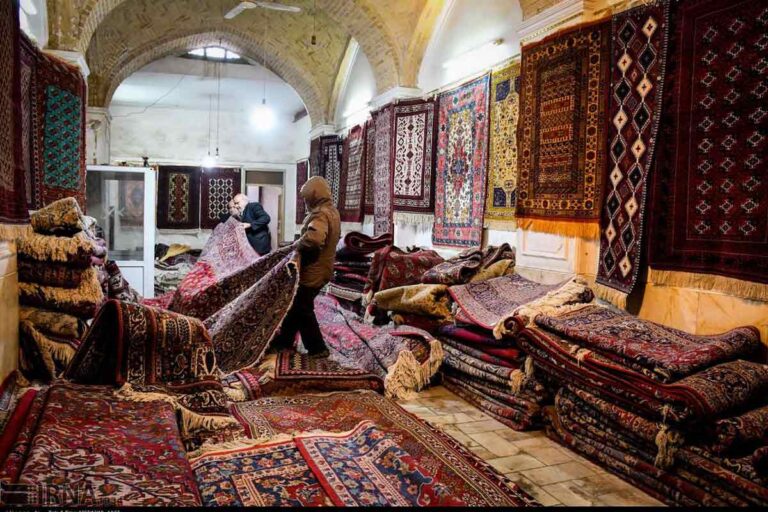
Buying Persian Carpet in Malaysia: Luxury Meets Cultural Harmony
Malaysia’s multicultural aesthetic and appreciation for fine craftsmanship make it a fitting destination for Persian carpets. Whether adorning a Kuala Lumpur condominium, a Johor Bahru villa, or a heritage house in Penang, Persian rugs bring timeless elegance and value to Malaysian interiors.
Where to Buy Persian Carpets in Malaysia
1. Carpet Shops in Kuala Lumpur and Selangor
Bukit Bintang, Ampang, and Shah Alam are home to reputable rug dealers offering Persian carpets from Tabriz, Kashan, Isfahan, and Qom. Many are family-run businesses with decades of experience.
2. Interior Design Studios and High-End Boutiques
KLCC, Mont Kiara, and Bangsar feature interior showrooms that incorporate Persian rugs into luxury home setups. These boutiques often provide consultation and delivery services.
3. Online Retailers and Marketplaces
Platforms like Lazada, Shopee, and Carousell Malaysia list Persian carpets. Use terms like “karpet Parsi asli” or “handmade Persian rug,” and verify seller authenticity.
4. Cultural Exhibitions and Iranian Trade Fairs
Occasional Iranian trade exhibitions in KL and Penang showcase hand-knotted carpets. These events offer direct access to weavers and collectors.
5. Iranian Traders and Communities
A small but active Iranian community in Malaysia contributes to Persian carpet availability, with several stores in Kuala Lumpur run by Iranian families.
Popular Persian Rugs in Malaysia
- Qom Silk: Preferred for display in upscale homes and hotels.
- Isfahan & Kashan: Favored in classic and formal living rooms.
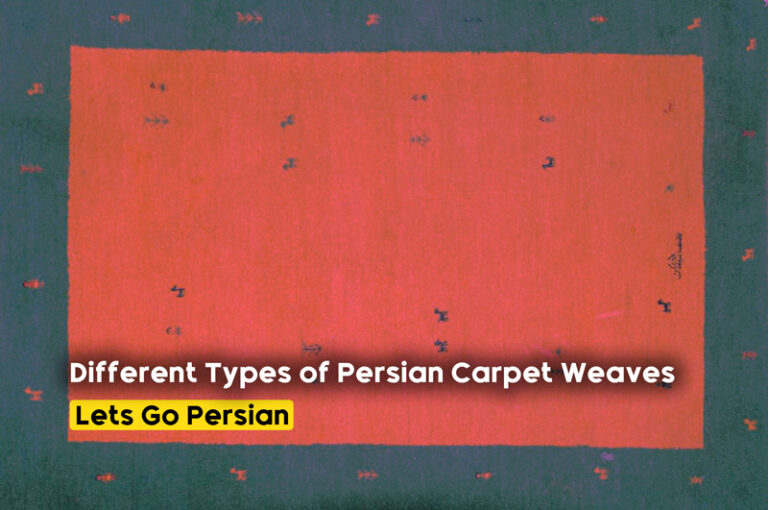
- Gabbeh & Tribal Rugs: Well-suited for modern and tropical interiors.
- Heriz & Bidjar: Durable and ideal for high-traffic areas.
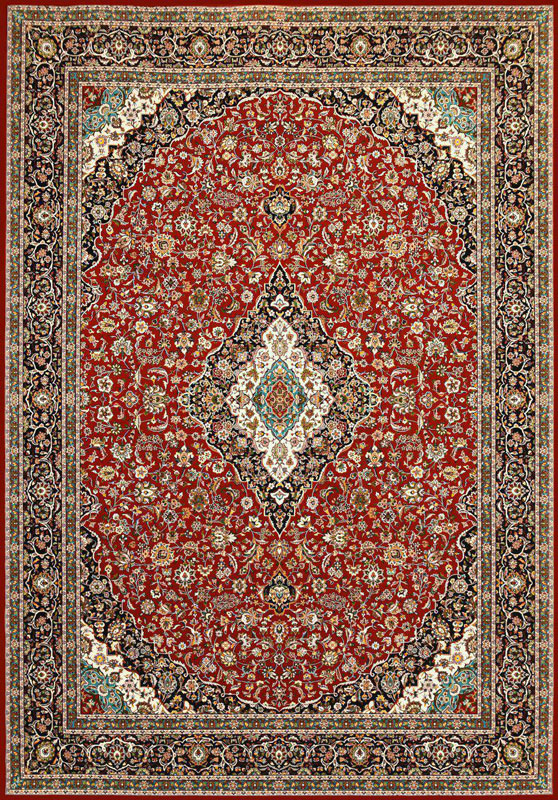
Estimated Prices in Malaysia (MYR)
- Gabbeh / Tribal Rugs: RM 1,500 – RM 6,000
- City Rugs (Kashan, Isfahan, Tabriz): RM 5,000 – RM 20,000
- Qom Silk Rugs: RM 15,000 – RM 80,000+
- Antique / Collector Rugs: RM 25,000 – RM 200,000+

Tips for Malaysian Buyers
- Confirm the rug is hand-knotted (bukan mesin).
- Ask for a certificate of authenticity and knot density.
- Compare showroom prices with online listings.
- Consider humidity-friendly storage or framing for silk rugs.
Malaysia’s interior design market has evolved rapidly over the past two decades, blending contemporary luxury with strong appreciation for craftsmanship, natural materials, and cultural diversity. In this environment, authentic Persian carpets have found a place not only in luxury homes but also in designer apartments, heritage properties, boutique hotels, and executive offices.
From high-rise residences in Kuala Lumpur and waterfront homes in Penang to luxury villas in Johor Bahru and hospitality projects in Langkawi, Persian carpets are increasingly chosen as statement pieces that bring warmth, character, and individuality to modern interiors.
Unlike machine-made rugs, a genuine Persian carpet carries the story of its weaver, its region, and centuries of artistic tradition, making it one of the few furnishings that combines decoration, craftsmanship, and cultural value.
Why Persian Carpets Appeal to Malaysian Buyers
Appreciation for Handmade Quality
Malaysian homeowners increasingly seek products that offer authenticity rather than mass production.
Persian carpets stand out because of their:
Hand-knotted craftsmanship / natural materials / artistic heritage / uniqueness / long-term durability.
Every carpet is individually woven, meaning no two pieces are completely identical.
A Balance of Luxury and Warmth
Many luxury residences feature:
Marble flooring / contemporary furniture / open-plan layouts / neutral color palettes.
Persian carpets help soften these spaces while adding visual depth and personality.
The contrast between modern architecture and traditional craftsmanship often creates the most memorable interiors.
Persian Carpets in Kuala Lumpur’s Luxury Residences
High-end apartments and penthouses in Kuala Lumpur often emphasize modern design and panoramic city views.
Within these interiors, Persian carpets introduce:
Texture / warmth / artistic detail / visual balance.
Many designers use Persian rugs as focal points that connect contemporary furniture with more traditional decorative elements.
Expert Tip
For modern Kuala Lumpur apartments, Nain and Isfahan carpets are often particularly successful because their lighter color palettes complement contemporary interiors and create a feeling of spaciousness.
Persian Carpets for Heritage and Colonial Properties
Malaysia’s architectural heritage includes colonial residences, restored shophouses, and historic properties that combine Asian and European influences.
These interiors frequently feature:
Timber flooring / decorative moldings / traditional craftsmanship / high ceilings.
Persian carpets fit naturally within these environments.
Particularly suitable choices include:
Kashan carpets for formal reception areas / Tabriz rugs for grand living rooms / Isfahan carpets for elegant interiors / Kerman carpets for decorative spaces.
These styles reinforce the character of heritage properties while introducing additional layers of craftsmanship.
Choosing Persian Carpets for Tropical Interiors
Malaysia’s climate influences both architecture and interior design.
Homes often prioritize:
Natural light / ventilation / open spaces / indoor-outdoor living.
Persian carpets with balanced color palettes and refined patterns often perform particularly well in these environments.
Popular choices include:
Nain carpets / Isfahan rugs / fine Tabriz carpets / selected tribal pieces with lighter backgrounds.
These styles complement tropical interiors without overwhelming them.
Why Tabriz Carpets Are Popular in Malaysia
Among Persian weaving centers, Tabriz carpets are particularly versatile.
They are appreciated for:
Detailed craftsmanship / broad design variety / balanced compositions / suitability for both traditional and contemporary interiors.
Whether used in a luxury condominium or a boutique hospitality project, Tabriz carpets adapt easily to different design styles.
Their flexibility makes them one of the safest choices for first-time Persian carpet buyers.
How to Identify an Authentic Persian Carpet
Look Beyond the Design
Many machine-made rugs imitate Persian patterns.
Authentic Persian carpets should demonstrate:
Hand-knotted construction / visible knots on the reverse side / natural materials / regional weaving characteristics / quality finishing.
Examine the Materials
Traditional Persian carpets are woven using:
Wool / silk / cotton.
Natural fibers provide durability, depth of color, and graceful aging that synthetic alternatives rarely achieve.
Understand Regional Characteristics
Each weaving center has developed a unique identity.
Tabriz is known for precision and complexity / Isfahan for elegance and refinement / Kashan for traditional medallions / Qom for silk artistry / Heriz for bold geometric designs.
Understanding these distinctions helps buyers make informed decisions.
Common Mistakes Malaysian Buyers Make
Choosing a carpet solely based on color / purchasing a rug that is too small for the room / focusing only on knot count / overlooking provenance / selecting a carpet without considering the overall architecture of the space.
Another common mistake is treating a Persian carpet as an accessory rather than as one of the most important design elements in the room.
The finest interiors often use the carpet as the foundation of the entire design scheme.
Persian Carpets as Long-Term Assets
Many Malaysian buyers are increasingly interested in products that combine beauty with lasting value.
Persian carpets stand apart because their appeal is based on craftsmanship rather than changing fashion.
Their value is influenced by:
Craftsmanship / rarity / materials / provenance / condition / artistic quality / age.
Particularly sought-after categories include:
Silk Qom carpets / fine Isfahan rugs / antique Tabriz pieces / exceptional Heriz carpets / rare tribal weavings.
As authentic hand-knotting becomes less common worldwide, exceptional Persian carpets continue to attract collectors, designers, and homeowners looking for pieces with enduring significance.