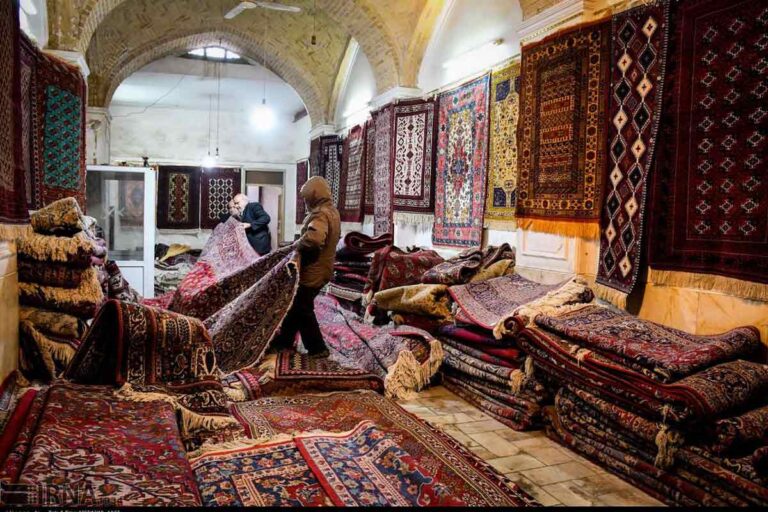
Buying Persian Carpet in the UK: Style, Heritage, and Investment
The United Kingdom has a rich tradition of collecting and displaying Persian carpets. From elegant London showrooms to specialist dealers across England, Wales, and Scotland, buyers have access to both new and antique Persian rugs.
Where to Buy Persian Carpets in the UK
1. Established Rug Dealers and Galleries
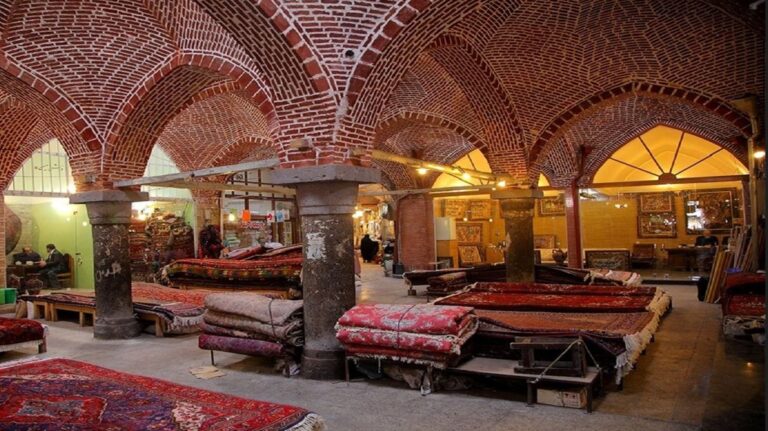
London hosts some of the most prestigious rug galleries in Europe—especially in areas like Chelsea, Kensington, and Mayfair. Stores such as Liberty, Heirloom Rug Gallery, and The Oriental Rug Gallery offer both contemporary and antique Persian rugs.
2. Antique and Auction Houses
Houses like Sotheby’s, Bonhams, and regional auctioneers often list collectible Persian carpets. This is a strong route for buyers seeking rare or investment-grade pieces.
3. Online Retailers and Marketplaces
Websites like TheRugSeller.co.uk, LibertyLondon.com, eBay UK, and Etsy UK feature hundreds of listings. Be sure to verify authenticity, check for return policies, and examine close-up photos.
4. Persian and Middle Eastern Owned Shops
Cities with diverse populations—Manchester, Birmingham, and Leeds—host shops run by Iranian or Afghan families with long experience in the trade.
5. Interior Design Studios
Many UK-based designers source Persian rugs for luxury clients and may offer access to rare styles or custom-sourced pieces from Iran.
Types of Persian Rugs Popular in the UK
- Tabriz & Kashan: For formal and heritage homes.
- Qom Silk Rugs: Favoured in affluent interiors.
- Gabbeh & Tribal Rugs: Ideal for modern flats and artistic spaces.
- Bidjar & Heriz: Practical and long-lasting choices for family homes.
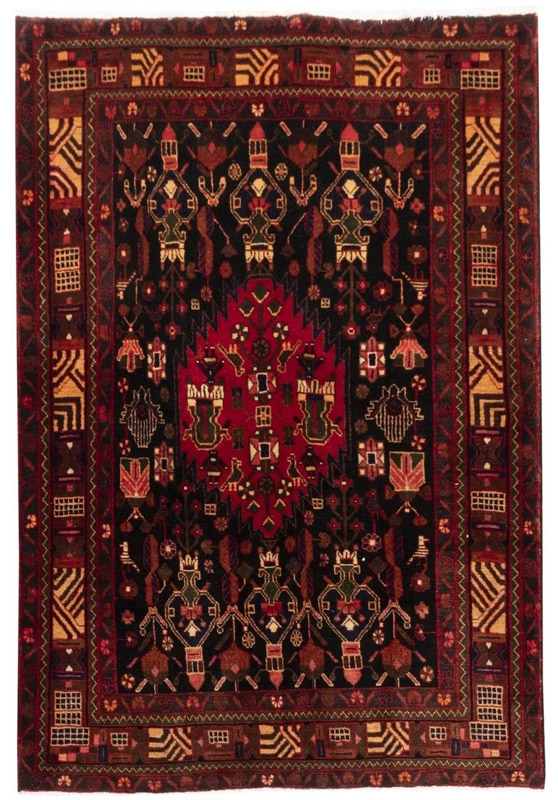
Price Guide in the UK (in GBP)
- Gabbeh / Tribal Rugs: £250 – £1,000
- City Rugs (Tabriz, Kashan, Isfahan): £800 – £4,000
- Qom Silk Rugs: £2,500 – £12,000+
- Antique or Collector Rugs: £5,000 – £40,000+

Buying Tips for UK Customers
- Always request a certificate of authenticity.
- Verify whether the rug is handmade or machine-made.
- Check for natural dyes and silk/wool material blends.
- UK sellers often offer free delivery and returns—use that to your advantage.
The United Kingdom has one of Europe’s longest traditions of collecting oriental and Persian carpets. From Victorian townhouses and Georgian country homes to contemporary London apartments and luxury residences in Surrey, authentic Persian carpets have been part of British interiors for generations.
Unlike many decorative furnishings that come and go with changing trends, Persian carpets have maintained their appeal because of their craftsmanship, durability, and timeless design. Today, homeowners, collectors, interior designers, and property developers across the UK continue to seek authentic Persian carpets as statement pieces that bring warmth, character, and heritage into a space.
Whether placed in a London townhouse, a countryside manor in Yorkshire, or a contemporary penthouse overlooking the Thames, a genuine Persian carpet introduces a level of authenticity that machine-made rugs cannot replicate.
Why Persian Carpets Appeal to British Buyers
A Longstanding Collecting Tradition
Britain has a rich history of collecting fine furniture, antiques, artwork, and decorative objects.
Persian carpets naturally fit within this tradition because they offer:
Hand-knotted craftsmanship / cultural heritage / artistic value / durability / individuality.
Many British buyers view Persian carpets as investments in quality rather than simple decorative purchases.
Timeless Rather Than Fashionable
Interior trends may change every few years, but exceptional Persian carpets often remain relevant for generations.
Their enduring appeal comes from:
Craftsmanship / balanced design / natural materials / historical significance.
This long-term value resonates strongly with buyers seeking pieces that outlast changing fashions.
Persian Carpets in London Interiors
London’s housing stock ranges from historic Georgian and Victorian properties to modern luxury developments.
Persian carpets work remarkably well across this spectrum.
In contemporary apartments they add warmth and texture.
In historic properties they reinforce the architectural character of the home.
Common interior features include:
Timber flooring / decorative moldings / fireplaces / curated artwork / bespoke furnishings.
Persian carpets help connect these elements while creating visual depth and comfort.
Expert Tip
For London townhouses and period apartments, Tabriz and Isfahan carpets are often particularly successful because they balance elegance and versatility while complementing both traditional and contemporary interiors.
Persian Carpets in Country Houses and Manor Homes
Britain’s country homes frequently feature:
Original woodwork / stone fireplaces / libraries / formal drawing rooms / architectural detailing.
Persian carpets have long been associated with these environments.
Popular choices include:
Large Kashan carpets for drawing rooms / Tabriz rugs for reception spaces / Isfahan carpets for formal interiors / Kerman pieces for richly decorated rooms.
These carpets add warmth while reinforcing the sense of history and craftsmanship found throughout traditional country houses.
Persian Carpets in Contemporary British Design
Modern British interiors increasingly combine:
Minimalist furniture / natural materials / handcrafted objects / neutral palettes.
Persian carpets introduce texture and individuality while preventing interiors from feeling overly uniform.
Many interior designers intentionally use Persian rugs as focal points within otherwise contemporary spaces.
The contrast between traditional craftsmanship and modern architecture often creates particularly striking results.
Why Tabriz Carpets Are Popular in the UK
Among Persian weaving centers, Tabriz carpets enjoy exceptional recognition in Britain.
Their popularity stems from:
Versatility / craftsmanship / wide range of designs / suitability for both traditional and contemporary interiors.
Tabriz carpets are admired for:
Fine knotting / elegant medallions / floral motifs / architectural precision.
Because they adapt easily to different design styles, they remain one of the most requested Persian carpet categories in the UK market.
How to Identify an Authentic Persian Carpet
Look Beyond the Label
Many rugs are marketed as oriental or Persian-inspired without being genuine Persian carpets.
Authentic Persian carpets should demonstrate:
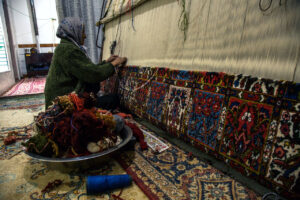
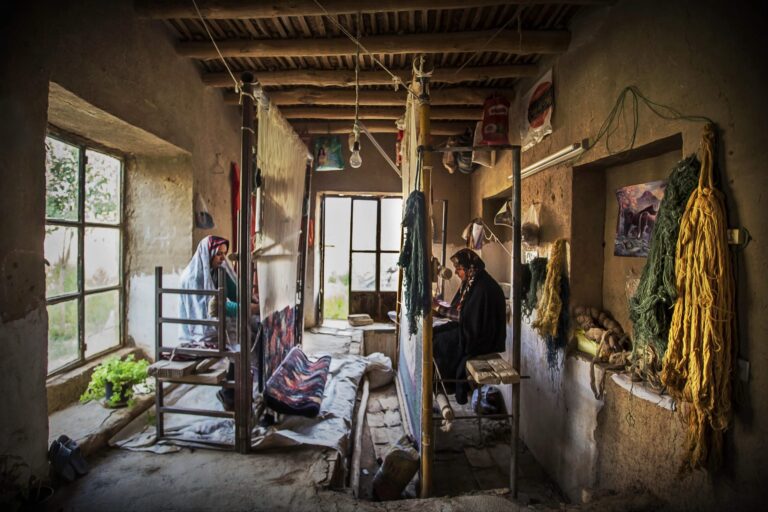
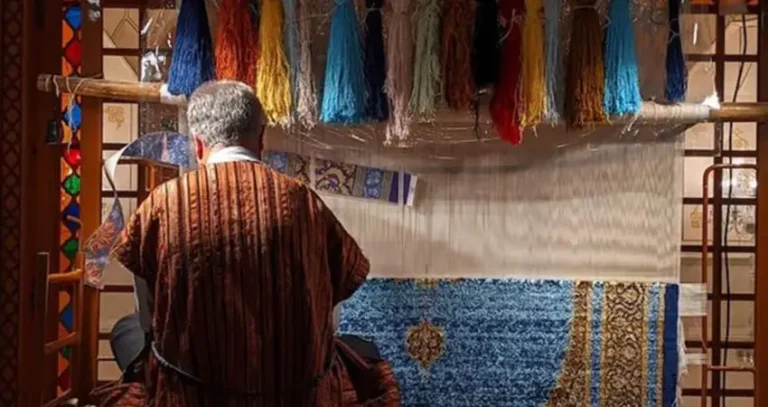
Hand-knotted construction / visible knots on the reverse side / natural fibers / regional weaving characteristics / quality finishing.
Understand the Materials
Traditional Persian carpets are woven using:
Wool / silk / cotton.
Natural materials provide durability, texture, and aging characteristics that synthetic fibers rarely match.
Recognize Regional Characteristics
Each Persian weaving region possesses distinct qualities.
Tabriz emphasizes precision and detail / Isfahan elegance and refinement / Kashan classical medallions / Qom silk artistry / Heriz bold geometric strength.
Understanding these differences helps buyers evaluate authenticity and craftsmanship.
Persian Carpets and British Interior Design
Many British interiors successfully combine old and new.
A Georgian property may contain contemporary furniture.
A modern apartment may feature antique decorative objects.
Persian carpets work exceptionally well within this approach because they bridge different design periods effortlessly.
Their versatility allows them to complement:
Traditional architecture / contemporary furnishings / eclectic collections / minimalist interiors.
Few decorative elements possess the same flexibility.
Common Mistakes British Buyers Make
Purchasing a carpet that is too small for the room / focusing exclusively on knot density / overlooking provenance / selecting a carpet solely because it matches existing furniture / treating the carpet as a secondary design element.
One of the most common mistakes is buying a carpet to fit the room rather than designing the room around the carpet.
The finest interiors often place the carpet at the center of the design scheme.
Persian Carpets as Collectible Assets
The UK has one of Europe’s strongest markets for antiques, fine art, and collectible decorative objects.
Persian carpets fit naturally within this environment.
Their value is influenced by:
Craftsmanship / rarity / provenance / materials / condition / artistic quality / age.
Particularly sought-after categories include:
Fine Isfahan rugs / silk Qom carpets / antique Tabriz pieces / exceptional Heriz carpets / rare tribal weavings.
As traditional hand-knotting becomes increasingly rare, outstanding Persian carpets continue to attract collectors, designers, and homeowners seeking pieces that combine beauty, heritage, and lasting value.