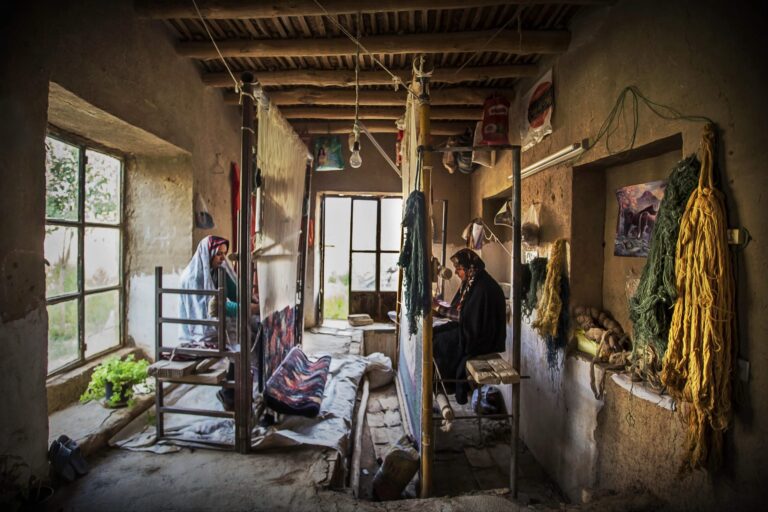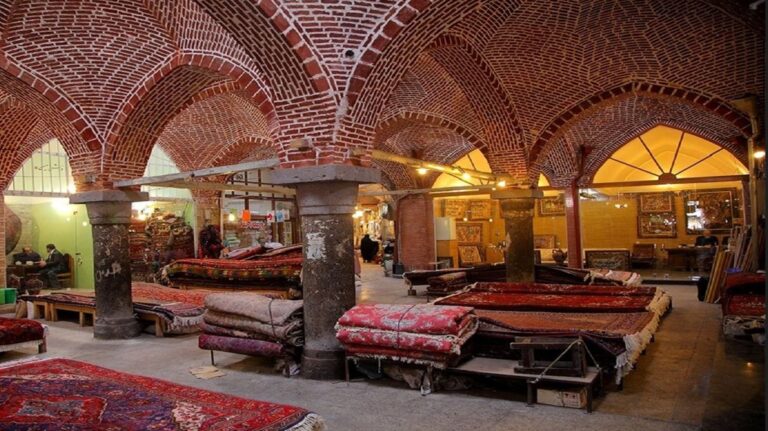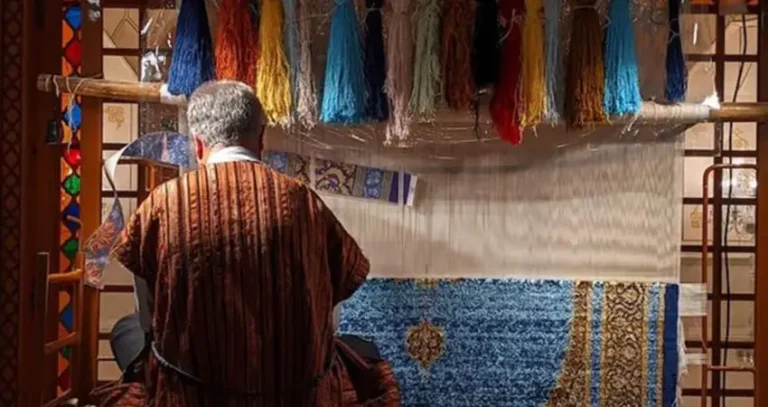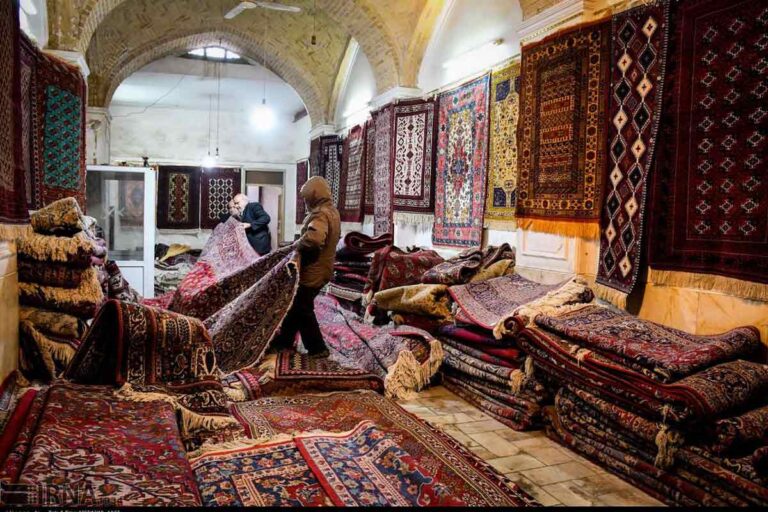


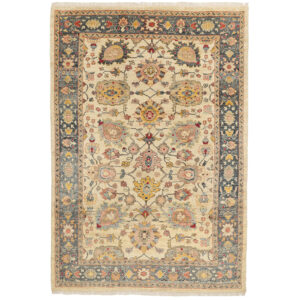
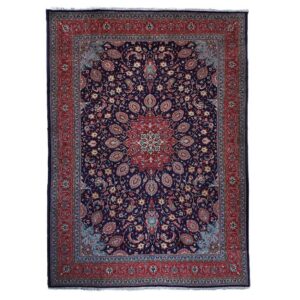
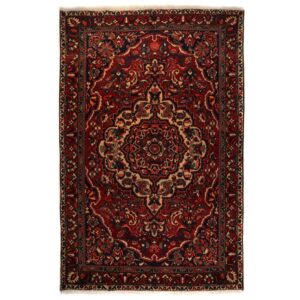
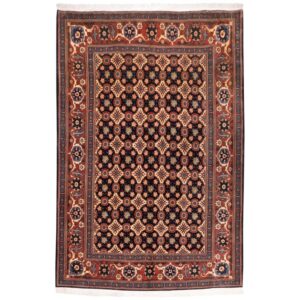

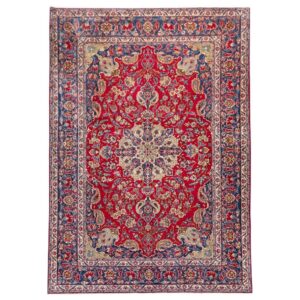
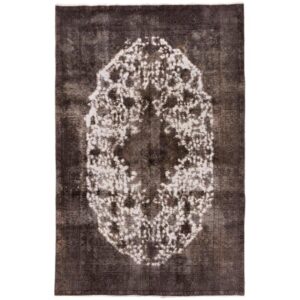
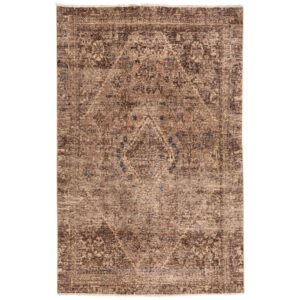
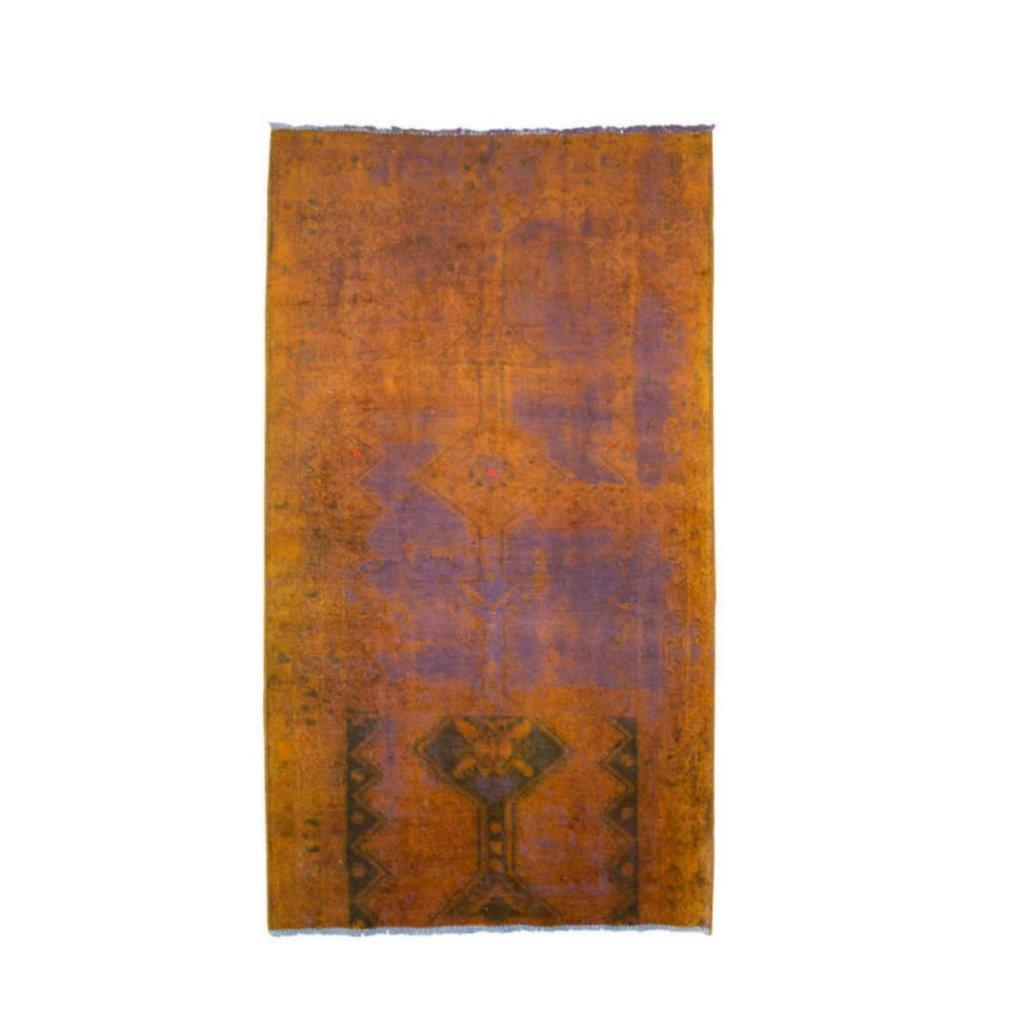
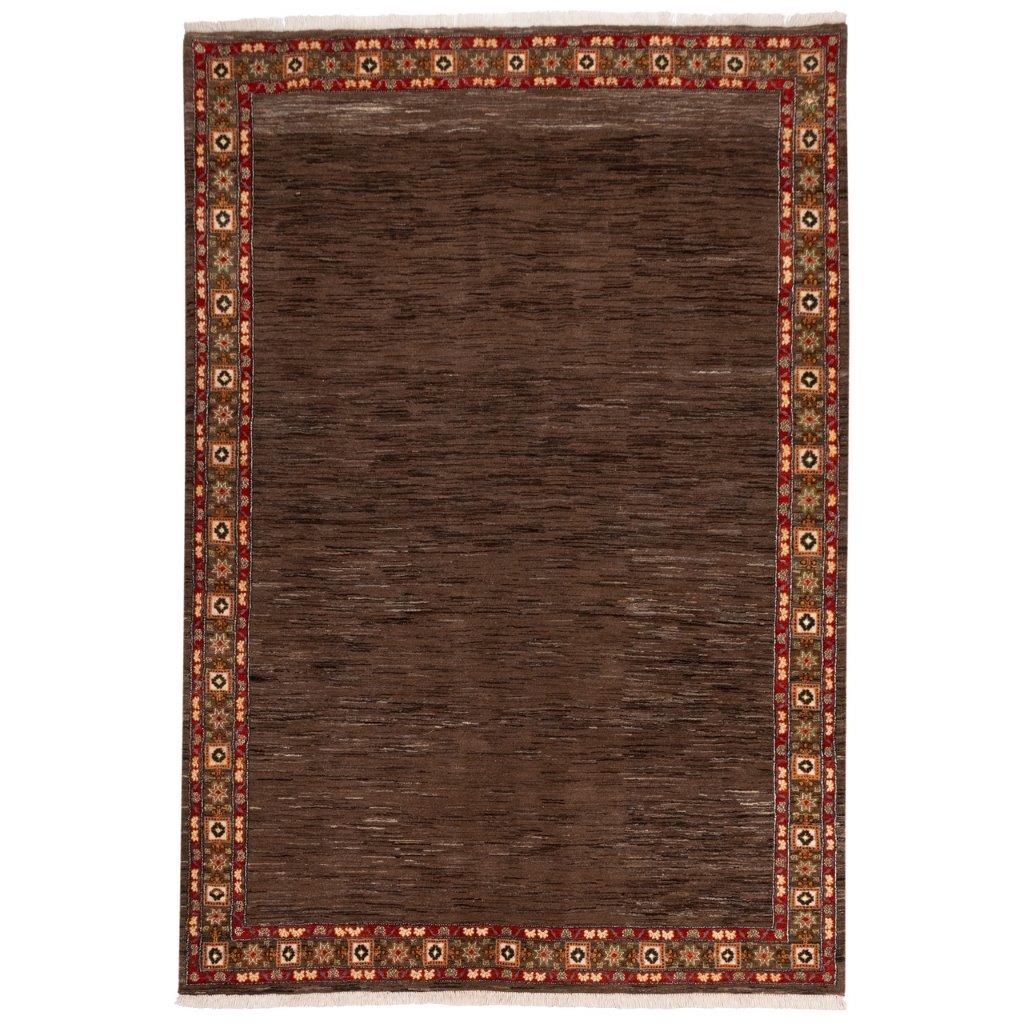
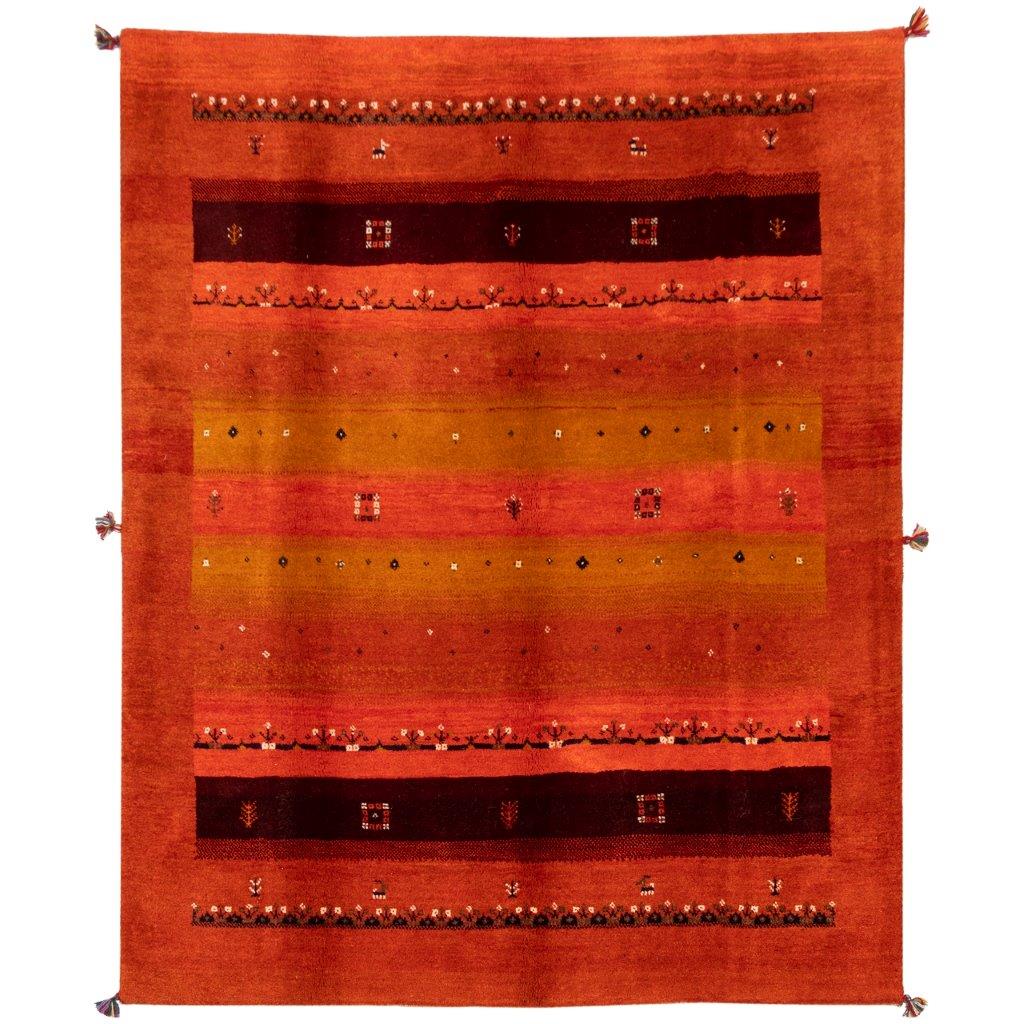
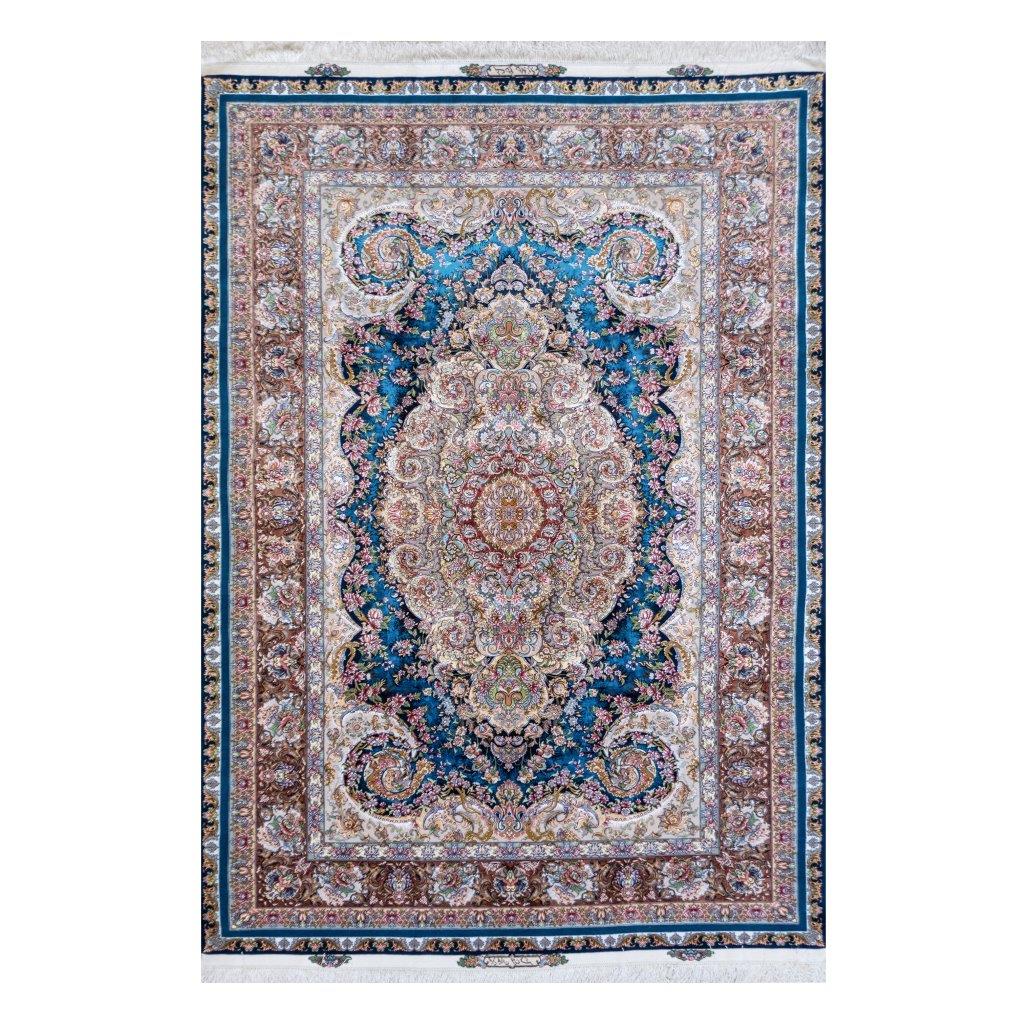
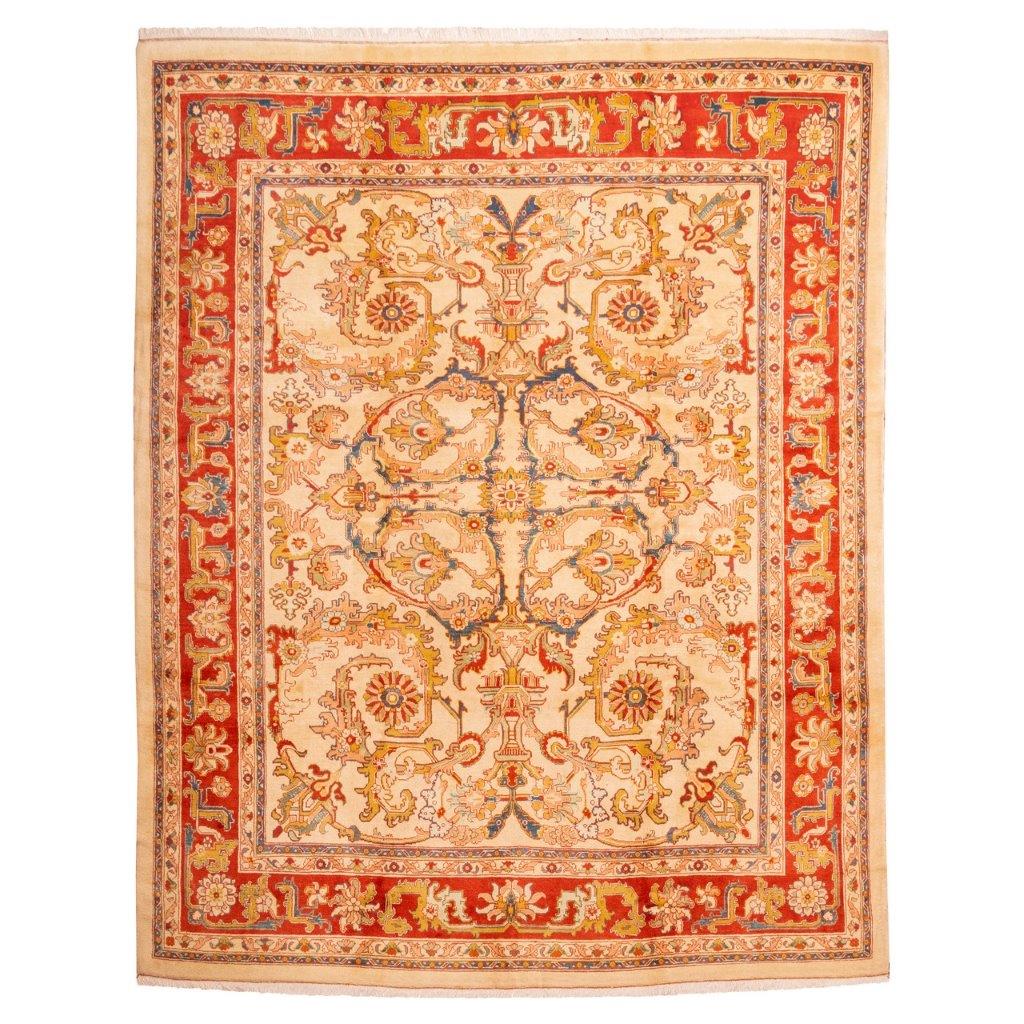

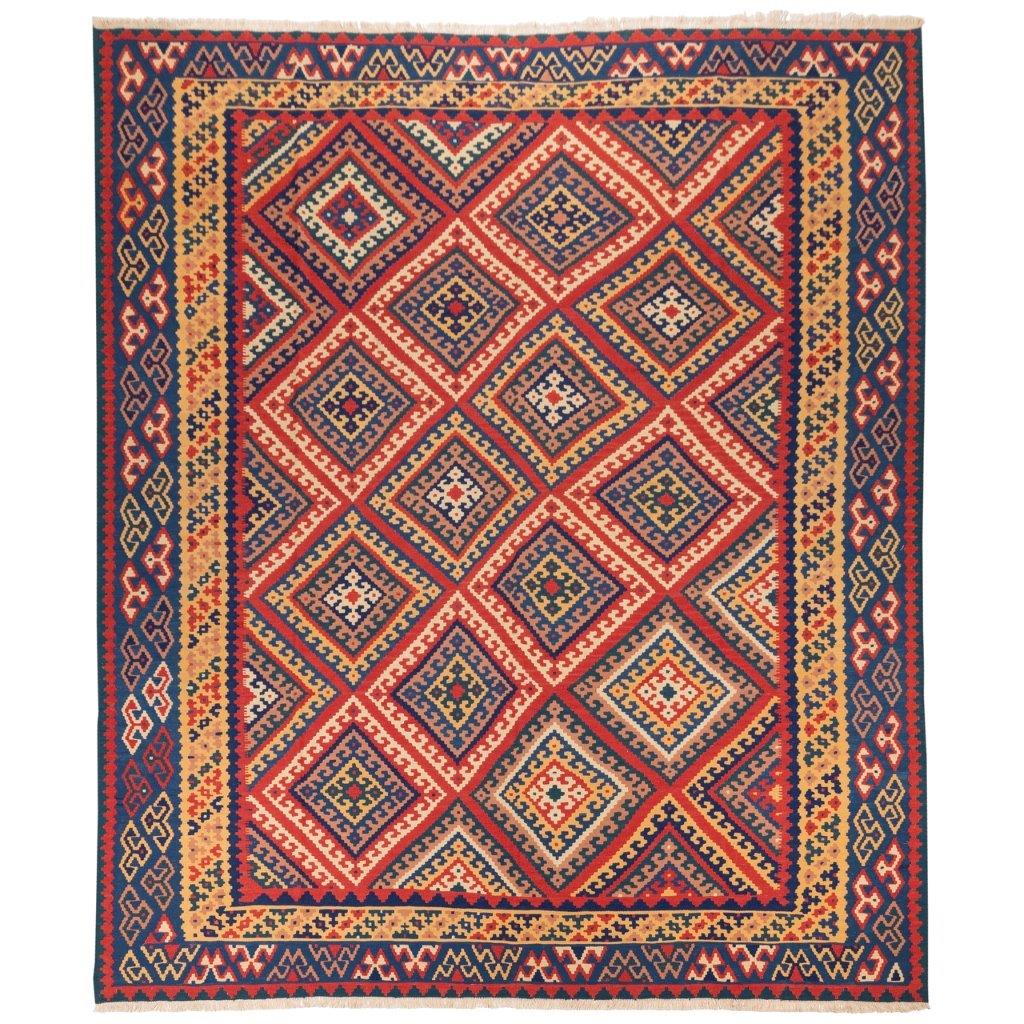
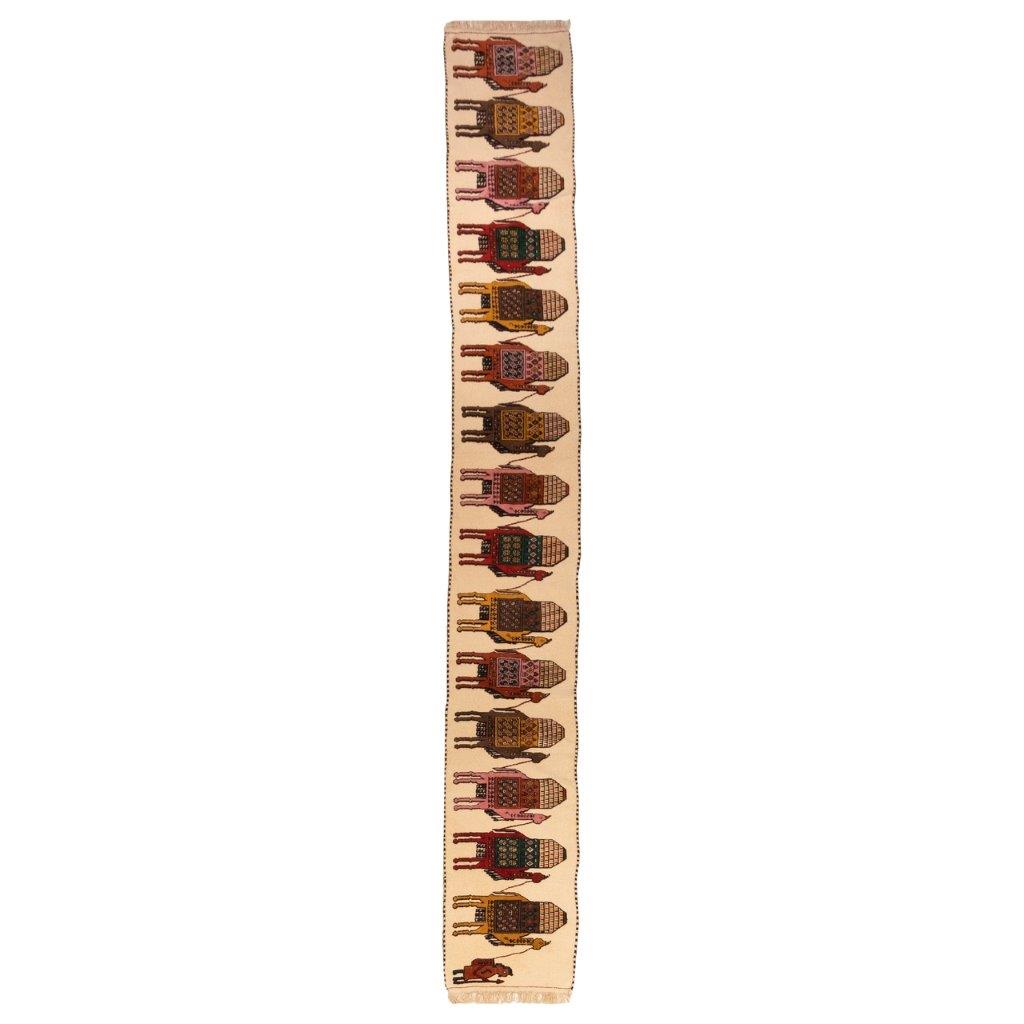

Lebanon has a strong appreciation for architecture, interior design, craftsmanship, and objects with cultural character. This makes authentic Persian carpets a natural choice for Beirut apartments, traditional Lebanese residences, mountain villas, and sophisticated commercial interiors.
A handmade Persian carpet can do more than cover a floor. It can bring warmth to stone architecture, soften a contemporary room, complement traditional woodwork, or become the central decorative element of an interior. For buyers in Lebanon, choosing the right Persian carpet is therefore as much about craftsmanship and design as it is about size, material, and price.

Why Persian Carpets Appeal to Lebanese Buyers
Lebanese interiors often combine traditional architectural elements with contemporary furniture and international design influences. Persian carpets can bridge these different elements particularly well.
- Stone interiors: A Persian rug adds warmth and visual softness to natural stone floors and walls.
- Modern Beirut apartments: Refined Persian designs can add character without overwhelming contemporary furniture.
- Traditional Lebanese homes: Classical Persian patterns complement arches, woodwork, high ceilings, and heritage details.
- Mountain villas: Heavier wool carpets and tribal designs work naturally with fireplaces, wood, stone, and rustic interiors.
- Luxury interiors: Fine Persian carpets can become statement pieces alongside carefully selected furniture and artwork.
Persian Carpets That Suit Lebanese Homes
Lebanon’s combination of contemporary city apartments, traditional residences, mountain properties, and artistic interiors makes several Persian weaving styles particularly versatile. These five regional styles offer different visual characters, allowing buyers to choose a carpet that suits the architecture and atmosphere of their home.
Heriz Rugs
Heriz carpets are a strong choice for interiors that need a distinctive visual focal point. Their bold geometric designs and prominent medallions work particularly well with stone floors, wooden furniture, fireplaces, and spacious living rooms.
For Lebanese mountain homes and larger reception rooms, a Heriz rug can provide the visual weight needed to connect architectural materials while maintaining a traditional Persian character.

Tabriz Rugs
Tabriz carpets offer a detailed and sophisticated appearance, making them suitable for buyers looking for a refined Persian rug for an apartment, salon, dining room, or formal living space.
The variety of Tabriz designs also makes this style adaptable to different interiors. Depending on the individual carpet, a Tabriz can complement classical furniture as well as a contemporary Lebanese interior.
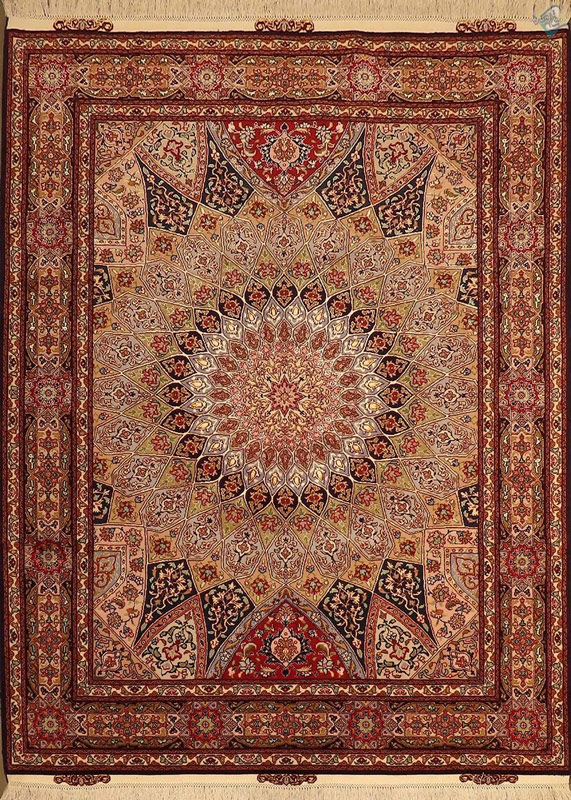
Isfahan Rugs
Isfahan carpets are known for elegant compositions, fine detail, and sophisticated decorative character. They are particularly attractive for buyers who want a Persian carpet that feels luxurious without relying on an overly bold design.
In a modern Beirut apartment, an Isfahan rug can provide an important layer of color and craftsmanship beneath contemporary furniture. It can also work beautifully in a traditional property where fine decorative details are already part of the architecture.

Bakhtiari Rugs
Bakhtiari carpets are especially interesting for homes where natural materials and a warm atmosphere are important. Their traditional character and substantial wool construction can complement stone walls, timber, fireplaces, and rustic furniture.
For properties in Lebanese mountain areas such as Faraya, Broummana, Aley, and the Chouf region, a Bakhtiari carpet can create a comfortable connection between the architecture and furnishings.

Qashqai Rugs
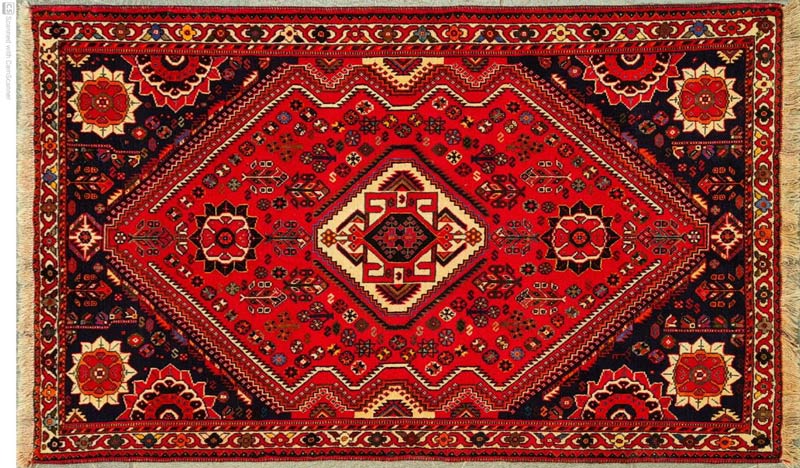
Qashqai carpets offer a more expressive alternative to highly formal Persian city rugs. Their tribal designs, rich character, and handcrafted appearance can suit creative interiors, country houses, studios, and rooms where the carpet is intended to feel individual rather than overly formal.
They can also be an excellent choice when you want the carpet to introduce pattern and personality into an otherwise simple interior.
Choosing a Persian Carpet for Different Lebanese Interiors
The right Persian carpet depends on the architecture, furniture, dimensions, and atmosphere of the room. A carpet that works beautifully in a Beirut apartment may not be the best choice for a traditional mountain villa.
- Beirut apartments: Isfahan and Tabriz carpets can complement contemporary furniture, neutral colors, natural stone, and modern artwork.
- Traditional Lebanese homes: Tabriz and Isfahan work naturally with arches, woodwork, high ceilings, and classical decorative details.
- Mountain villas: Heriz and Bakhtiari rugs can complement stone, timber, fireplaces, and traditional furniture.
- Artistic and relaxed interiors: Qashqai and other tribal-style carpets can introduce color, pattern, and handmade character.
How Much Does a Persian Carpet Cost in Lebanon?
There is no single price for a Persian carpet in Lebanon. Size, material, knotting, weaving region, age, condition, design, rarity, and craftsmanship can all significantly affect the value.
- Gabbeh and tribal rugs: $400–$1,500
- Traditional Persian city rugs: $1,200–$5,000
- Fine silk rugs: $3,000–$15,000+
- Antique and collector-grade rugs: $6,000–$50,000+
These are general price ranges rather than fixed valuations. Individual carpets can be priced significantly higher or lower depending on their specific characteristics, materials, age, condition, craftsmanship, and provenance.
How to Check a Persian Carpet Before Buying
Check the Construction
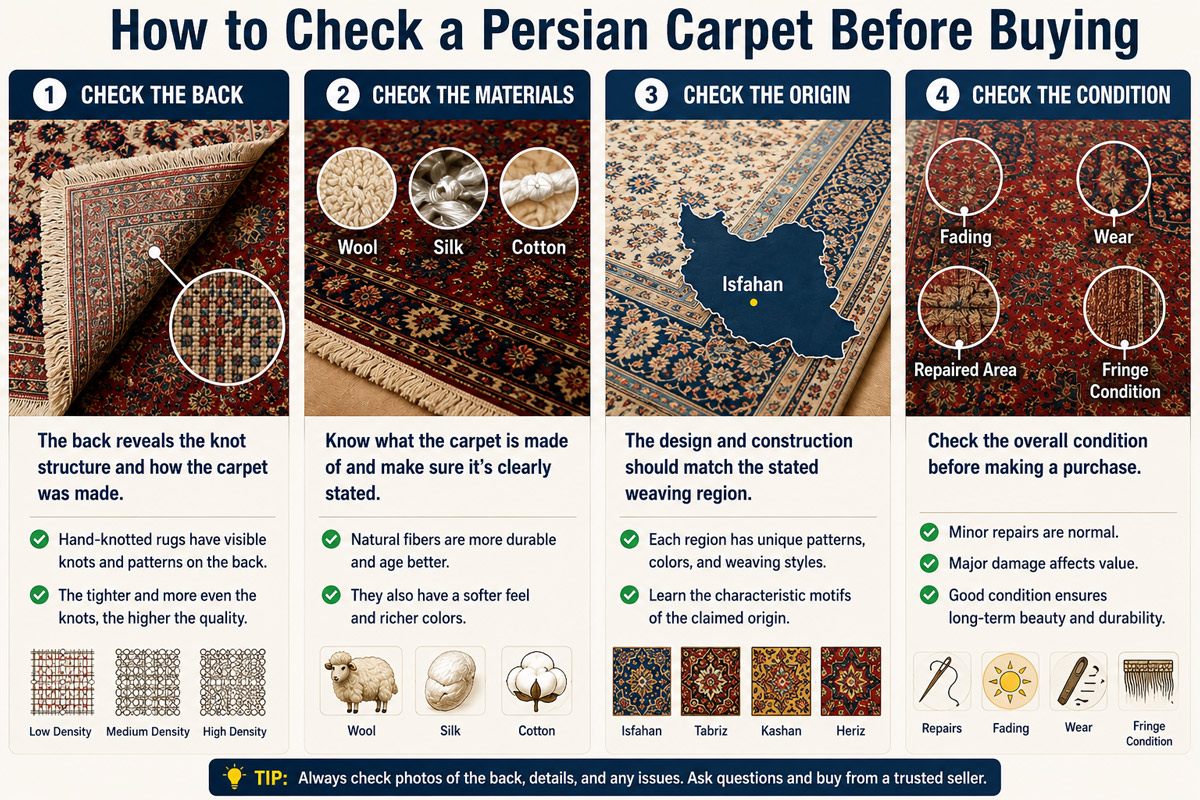
Make sure the carpet is genuinely hand-knotted rather than machine-made. The reverse side can reveal the individual knot structure and provide useful information about how the carpet was made.
Check the Materials
Ask whether the carpet is woven from wool, silk, cotton, or a combination of materials. Material quality can have a significant effect on the carpet’s appearance, durability, feel, and price.
Check the Origin
Persian carpets from different regions have distinctive design traditions and construction characteristics. Understanding whether you are buying a Heriz, Tabriz, Isfahan, Bakhtiari, Qashqai, or another regional carpet helps you understand the character of the piece.
Check the Condition
For older carpets, ask about repairs, restoration, fading, wear, damaged areas, and previous alterations. A restored carpet can still be valuable and attractive, but its condition should be properly understood before purchase.
Request Detailed Photographs
If you are buying online, ask for clear photographs of the front, reverse, edges, pile, and any areas with visible wear or repairs. For valuable carpets, additional information about origin and provenance can also be useful.
Buying Persian Carpets Directly from Iran
For Lebanese buyers, purchasing directly from Iran can provide access to a broader selection of Persian carpets from different weaving regions. Buyers can compare origins, sizes, colors, materials, designs, and levels of craftsmanship rather than being limited to the selection available through local retailers.
This can be particularly useful if you already know the dimensions and style you need. A buyer looking for a large Heriz rug for a mountain villa, for example, has very different requirements from someone searching for a refined Isfahan carpet for a Beirut apartment.
Before purchasing, confirm the carpet’s exact dimensions, materials, construction, condition, origin, shipping arrangements, and total delivered cost.
View Available Persian Carpets
Persian Carpets as Long-Term Pieces for Lebanese Homes
A quality Persian carpet can remain part of a home for many years. Wool develops character with use, colors can soften naturally, and a well-maintained handmade carpet can continue to complement changing furniture and interior styles.
This makes Persian carpets particularly suitable for Lebanese homes where architecture and furnishings may evolve over time. Rather than choosing a rug that only matches today’s furniture, buyers can select a piece whose design and craftsmanship can remain attractive as the room changes.
For collectors and buyers interested in older carpets, age, rarity, provenance, craftsmanship, materials, and condition become increasingly important considerations.
Find the Right Persian Carpet for Your Home in Lebanon
Whether you are furnishing a Beirut apartment, a traditional Lebanese residence, a mountain villa, or a commercial interior, the right Persian carpet should match the room’s architecture, furniture, dimensions, and atmosphere.
If you already know the approximate size, preferred colors, design style, or budget, we can help you find suitable options from our collection.
Contact Us About a Persian Carpet
Frequently Asked Questions About Persian Carpets in Lebanon
Where can I buy Persian carpets in Lebanon?
Persian carpets can be found through carpet showrooms, antique dealers, specialist importers, and online sellers in Lebanon. Buyers who want a wider selection can also purchase directly from Iran and arrange delivery to Lebanon, subject to applicable shipping and import requirements.
Which Persian carpets are suitable for Lebanese homes?
The best choice depends on the property and interior. Heriz and Bakhtiari carpets can work particularly well in mountain villas and rooms with stone or wood, while Tabriz and Isfahan are well suited to refined apartments and formal interiors. Qashqai carpets can be a good option for artistic and more relaxed spaces.
How much does a Persian carpet cost in Lebanon?
Prices vary considerably depending on size, material, weaving quality, region, design, age, and condition. Handmade tribal carpets can be relatively affordable, while fine silk carpets, large city rugs, and antique pieces can reach much higher prices.
How can I tell if a Persian carpet is genuinely handmade?
Check the reverse side of the carpet to examine the knot structure and weaving. You should also ask about the materials, place of weaving, construction, and condition. When buying online, detailed photographs of both the front and back are particularly useful.
Which Persian carpet is suitable for a modern Lebanese home?
Isfahan and Tabriz carpets can work well in refined modern interiors, while Qashqai carpets suit more relaxed and artistic spaces. Heriz can also create a strong focal point when used with larger rooms, stone, wood, and traditional architectural elements.
Which Persian carpet is suitable for a Lebanese mountain villa?
Heriz and Bakhtiari carpets are particularly suitable for interiors featuring stone, wood, fireplaces, and traditional furniture. Qashqai and other tribal carpets can also work well when a more relaxed and artistic atmosphere is desired.
Can I buy a Persian carpet directly from Iran and have it delivered to Lebanon?
It is possible to purchase Persian carpets directly from Iran and arrange international delivery, depending on current shipping and import conditions. Before ordering, confirm the available shipping method, total delivered cost, customs or import requirements, and documentation.
Should I choose a Persian carpet based only on knot count?
Knot count is one useful technical characteristic, but it should not be the only factor. Materials, weaving quality, design, regional characteristics, condition, age, craftsmanship, and overall execution should also be considered.
Are Persian carpets a good long-term purchase?
A well-made Persian carpet can remain attractive and usable for decades, and exceptional antique or collectible examples may retain significant value. However, appreciation is not guaranteed, so buyers should choose a carpet they genuinely like and evaluate its quality and condition carefully.