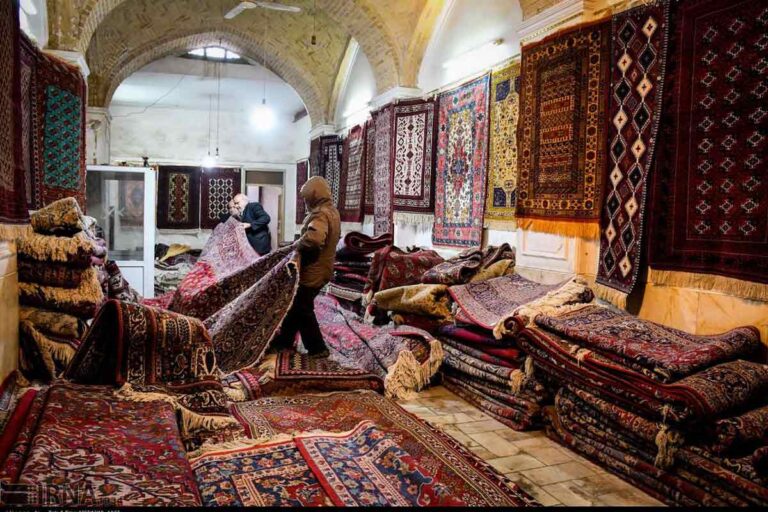
One of the most iconic motifs in Persian art is the Boteh Jegheh—a timeless design deeply rooted in the traditions, beliefs, and mythology of Iran. It’s more than a decorative pattern; it carries profound symbolic meanings passed down through centuries.
From carpets and ceramics to textiles and royal regalia, this motif has graced countless works of art. Its elegant, curved shape—often described as a stylized cypress or flame—embodies the soul of Persian visual culture.
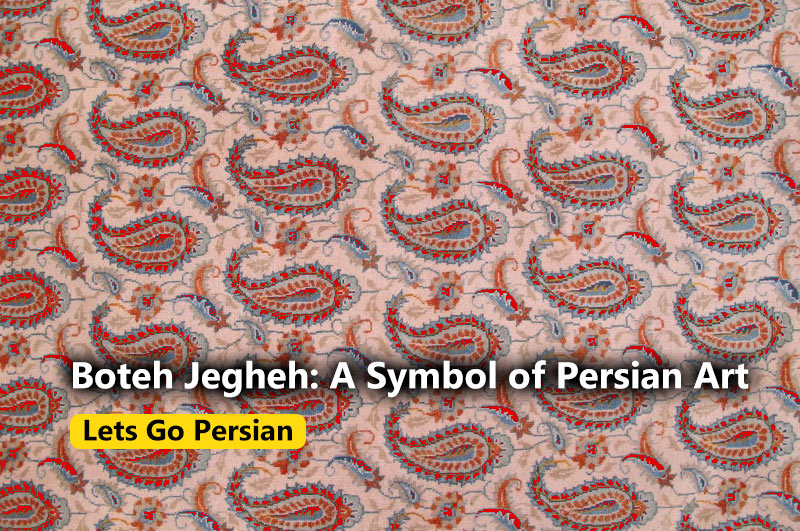
What Is Boteh Jegheh?
Boteh Jegheh (بته جقه), also known simply as “Boteh,” is a teardrop- or almond-shaped motif with a curved tip. Its origins are ancient—artifacts bearing this design date back as far as 10,000 years, and it has been used throughout millennia in Iran, the Indian subcontinent, and Central Asia.
In Persian culture, Boteh Jegheh appears extensively in:
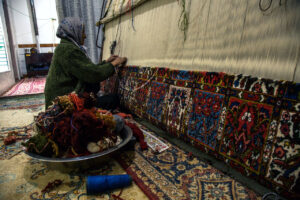
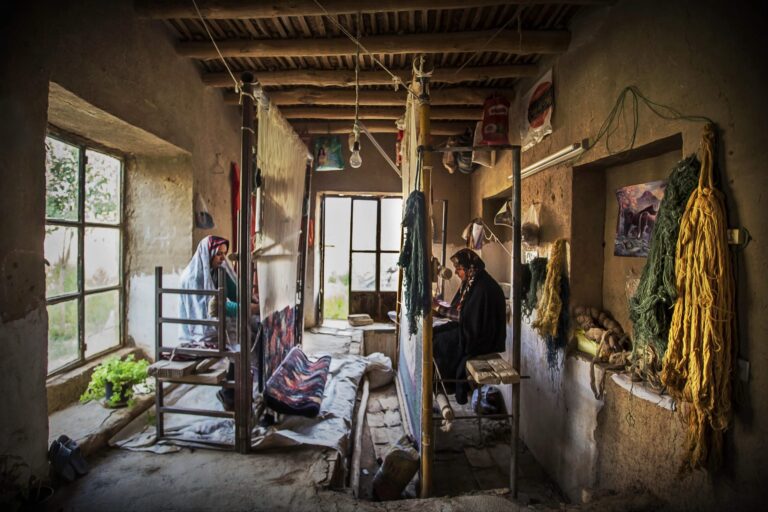
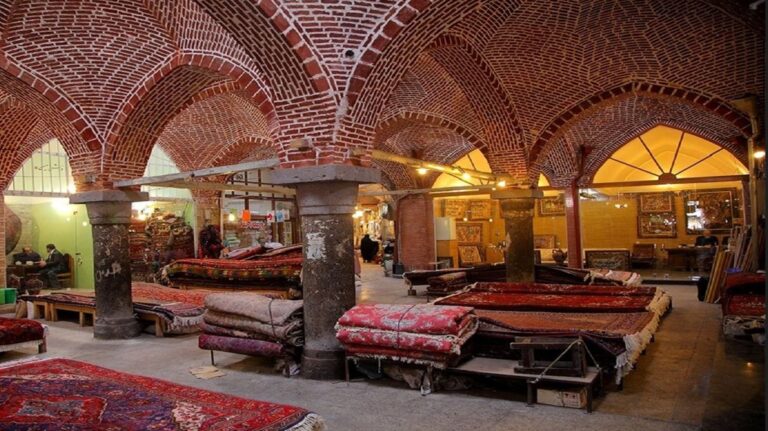
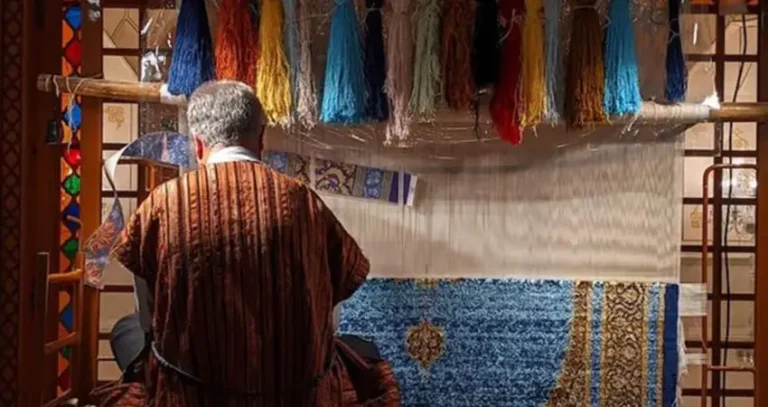
Handwoven carpets and kilims
Traditional garments and shawls (especially Termeh)
Ceramics, tilework, and architectural embellishments
Wood inlays and metalwork
Its presence is so dominant that it’s often considered a visual signature of Iranian heritage.
Symbolism and Interpretations
The meaning of Boteh Jegheh is rich and multi-layered. Over time, different cultures and regions have given it various symbolic interpretations:
Cypress Tree (Sarv):
A symbol of resilience, freedom, and dignity in Persian poetry and Zoroastrian rituals. Its slight curve represents humility and modesty.Sacred Bird (Simorgh or Homa):
In mythology, it symbolizes good fortune, spiritual elevation, and divine protection.Flame or Divine Spark:
Some scholars believe it signifies the sacred fire of Zoroastrianism—a symbol of light and eternal life.Drop of Rain, Seed, or Pine Cone:
Representing fertility, growth, and the cyclical nature of life.
Because of its sacred and protective connotations, Boteh Jegheh was historically featured on royal crowns, garments, and even seals. It functioned both as a decorative emblem and a talismanic symbol.
Design Features
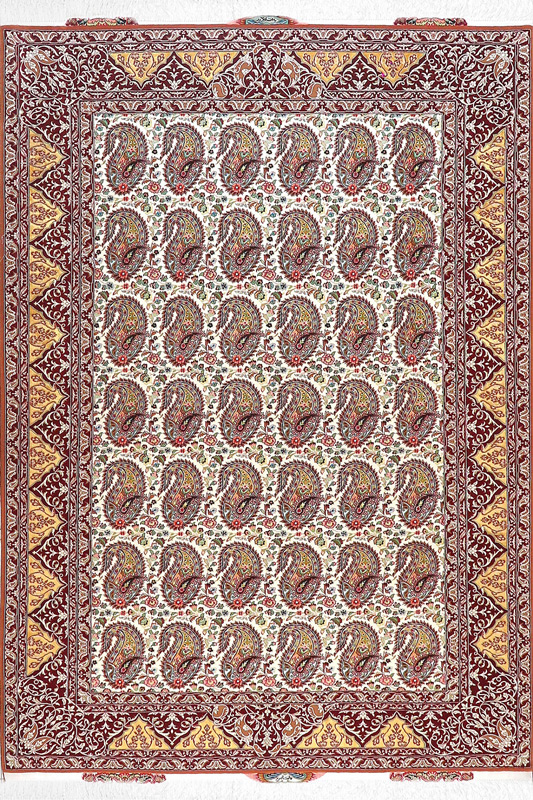
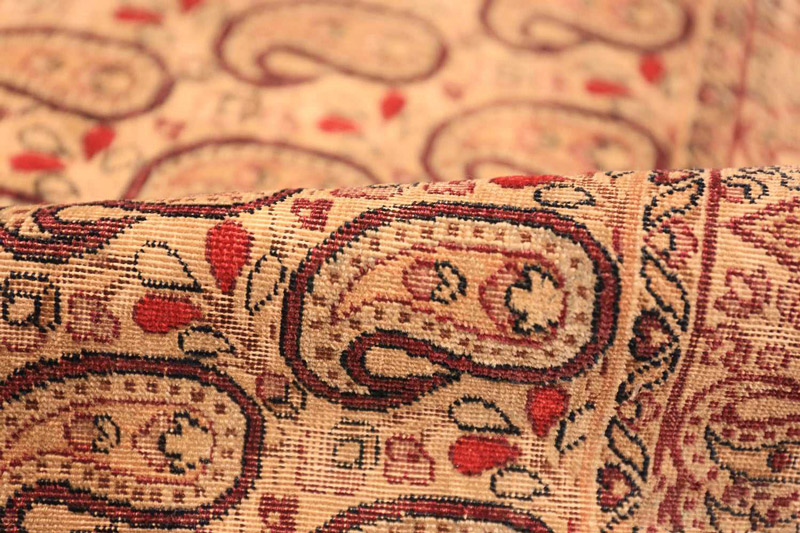
The classic Boteh is composed of a narrow stem that expands into a fuller belly before curving into a hook-like tip. Some designs divide the motif into four segments, representing the four seasons.
It often appears repeatedly in the background or borders of carpets and is usually adorned with floral decorations, geometric fillings, or arabesque vines.
Variants of Boteh Jegheh
Over time, regional styles have evolved various forms of the Boteh motif, each carrying distinct cultural and aesthetic meanings. Some of the most notable types include:
Boteh Miri: Pine-shaped, often found in antique “Mir” carpets.
Boteh Khirqeh (Robe Boteh): Large, robe-like designs filled with dense floral detail.
Boteh Kurdistani: Found in Kurdish rugs, often arranged in sets of four or eight.
Boteh Ghohr-o-Ashti (Reconciliation & Conflict): Botehs facing away or toward each other to suggest emotional themes.
Boteh Shakh Gavazni (Deer Antler): Featuring curled antler-like extensions at the top.
Boteh Madar-o-Bacheh (Mother & Child): A small boteh within a larger one—symbolizing protection and family.
Each variation not only showcases a unique aesthetic but also tells a story of the people and beliefs from its place of origin.
From Iran to the West: The Paisley Pattern
In the 18th and 19th centuries, British traders with the East India Company introduced Kashmiri shawls—many featuring the Boteh motif—to Europe. These luxurious textiles quickly became fashionable, particularly in Scotland and England.
The Scottish town of Paisley, known for its booming textile industry, began mass-producing these shawls, and over time, the motif itself became known as the Paisley pattern in the West.
Today, what the world calls “Paisley” is deeply Persian in origin—a testament to the global reach of Iranian visual culture.
Boteh Jegheh in Today’s World
This motif still appears prominently in modern Iranian art and fashion. From luxury Persian rugs to high-end textiles and even international fashion (as seen on figures like Canadian Prime Minister Justin Trudeau wearing a paisley tie), Boteh Jegheh continues to enchant.
Its enduring appeal lies in its blend of mysticism, elegance, and heritage—a reminder that some designs are not just beautiful, but eternal.