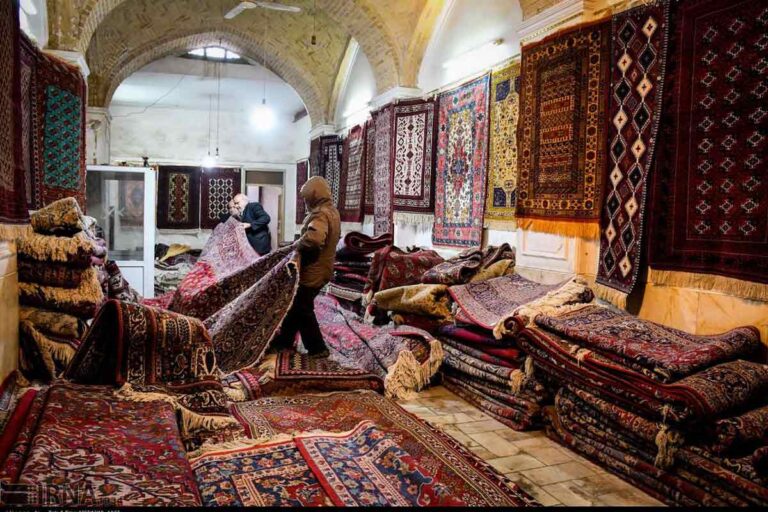
If you’ve ever browsed Persian carpets in Iran, you’ve probably wondered: why does one rug cost a few hundred dollars while another is priced like a car? The answer lies in a blend of art, heritage, labor, and raw material. This post breaks down the real reasons behind Persian rug pricing — and why Iran is still the best place to buy one.
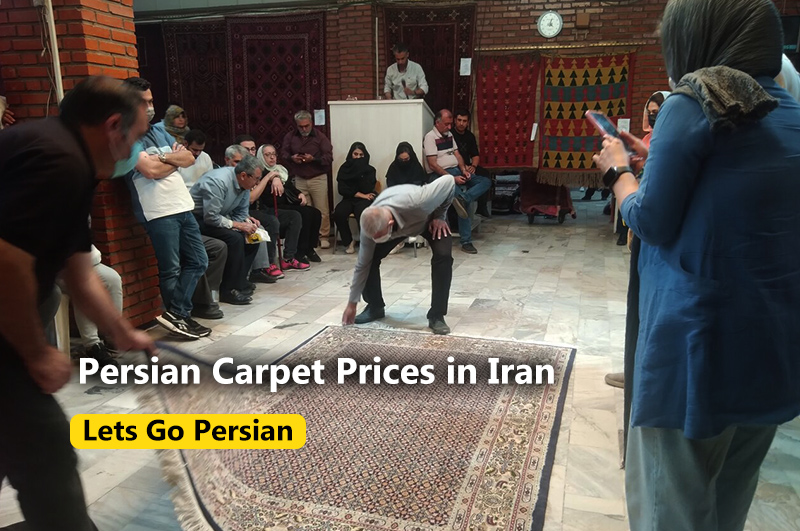
1. Knot Density: The Higher the Knot Count, the Higher the Price
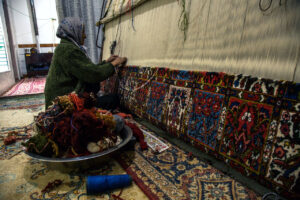
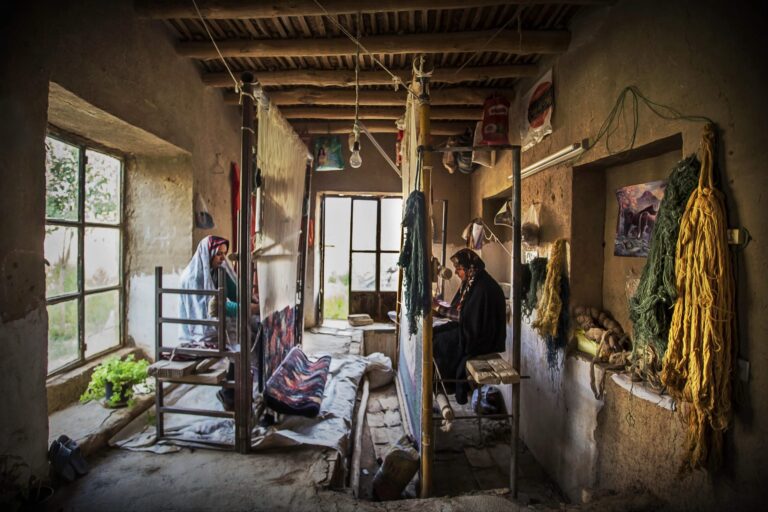
The value of a handmade Persian carpet often begins with its knot count. More knots per square inch means more detailed patterns and more hours of weaving. A rug with 500,000 knots per square meter might take a year to finish — one with over a million can take several years. That time and precision come with a cost.
Low-knot tribal rugs: $300–1,000
- Fine-knot city rugs (Isfahan, Qom): $5,000–15,000+
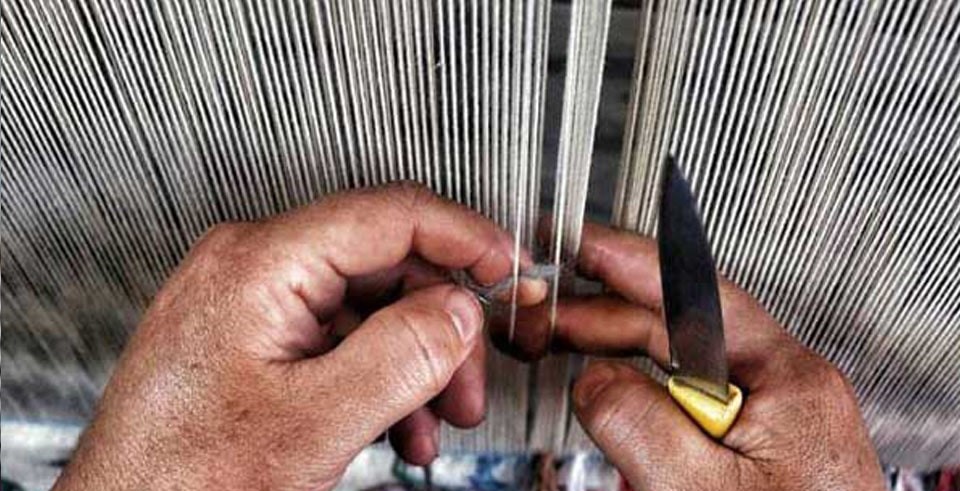
Knotting Techniques
2. Material: Wool vs Silk
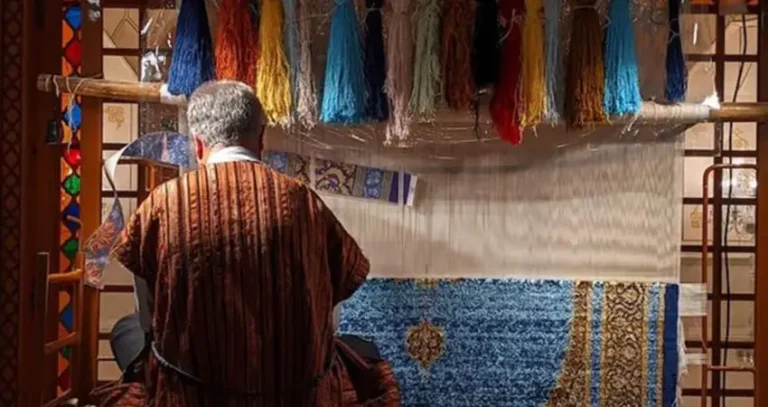
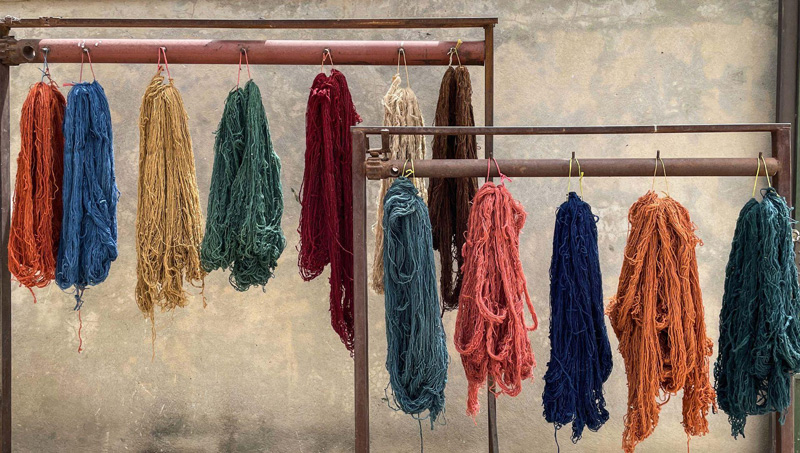
Wool is traditional, durable, and more affordable. Silk, on the other hand, is expensive, luxurious, and allows for more precise detail.
100% wool: $500–3,000 depending on size and origin
Wool & silk blend: $2,000–8,000
Pure silk: $8,000 and up (especially from Qom and Nain)
Silk also affects the rug’s shine — under light, silk rugs almost glow.
3. Region of Origin: Where It Was Made Matters
Carpets from different parts of Iran carry different price tags due to reputation and quality. For example:
Tabriz: Known for detailed floral designs and fine craftsmanship
Qom: Famous for silk rugs, extremely fine knotting, and high value
Hamadan or Shiraz: More affordable, geometric tribal styles
You could find a 2×3 meter Hamadan rug for $700 and a similar-sized Qom silk rug for $9,000.
4. Age & Condition
Old rugs (30+ years) can be more valuable — if they are in excellent condition. Antique rugs with fading, damage, or uneven repairs lose value, unless they’re rare collector’s items.
- A well-preserved vintage rug (40–80 years old): $1,000–6,000
- A damaged antique: might sell for under $500 — or $20,000, if rare and restored
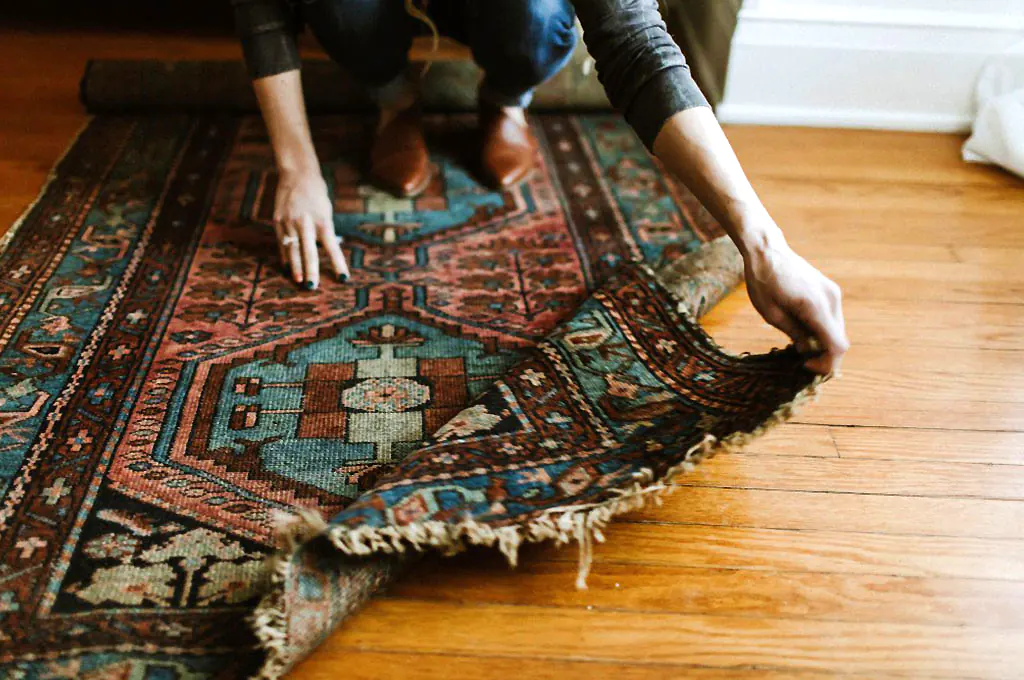
Age & Condition
5. Design, Signature & Uniqueness
Some carpets are signed by master weavers — a mark of quality and authenticity. Others follow unique or rare design patterns not commonly repeated. These features can significantly raise the price.
Signed workshop rugs: often $3,000+ even in small sizes
Unique or limited-edition patterns: $10,000+ for medium sizes
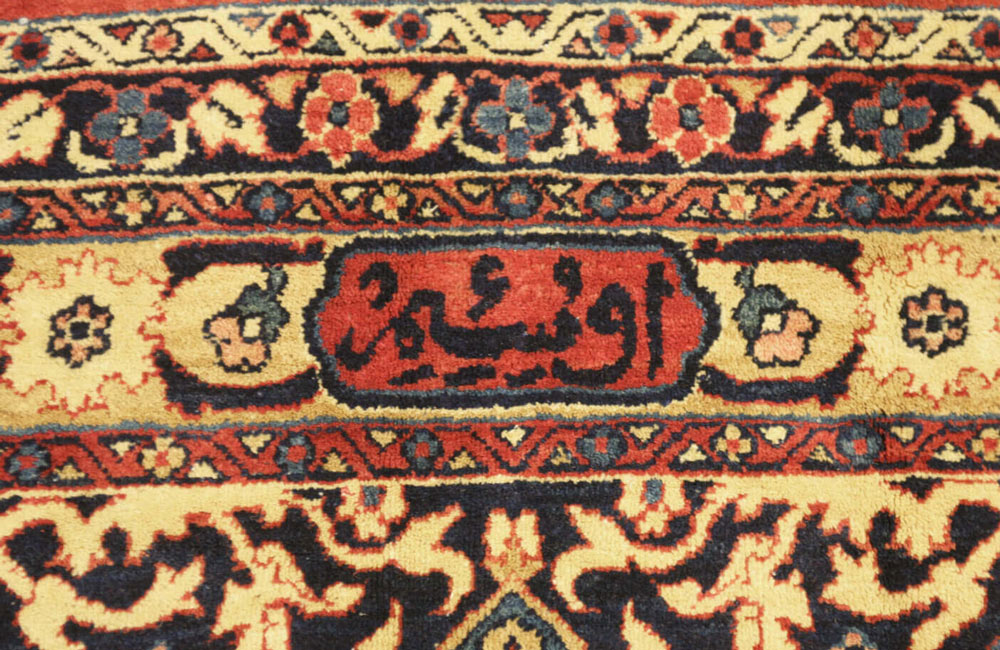
Carpet Signature
Why Iran Is Still the Best Place to Buy a Persian Rug
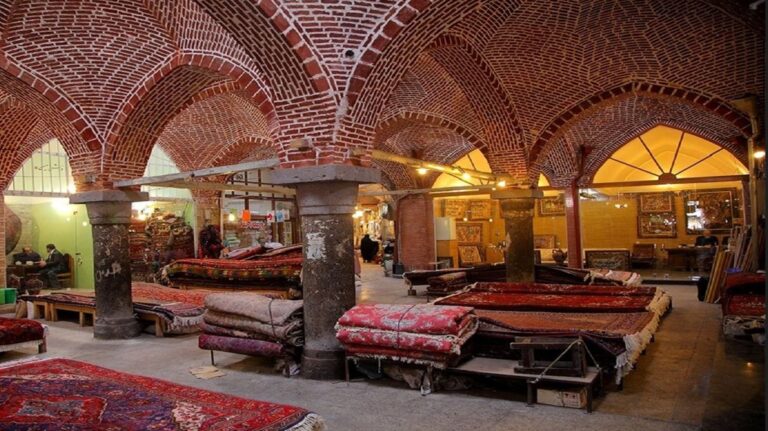
In Iran, you’re not paying for retail overhead, export duties, or luxury showroom markups. You’re often buying straight from the source — whether it’s a village market or a city workshop. Compared to prices abroad, you can save 50–80% on the same carpet.
In Short: A $300 rug may be handwoven, but simple. A $20,000 rug is likely a silk masterpiece that took years to complete. Both are Persian, but they tell different stories — and serve different purposes.
Thinking of buying a rug during your trip to Iran? Take time to learn, compare, and ask questions. In the world of Persian carpets, knowledge is value.