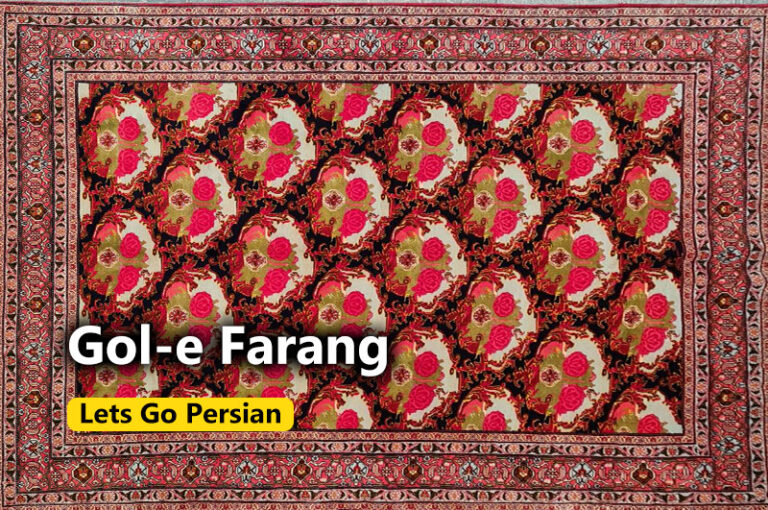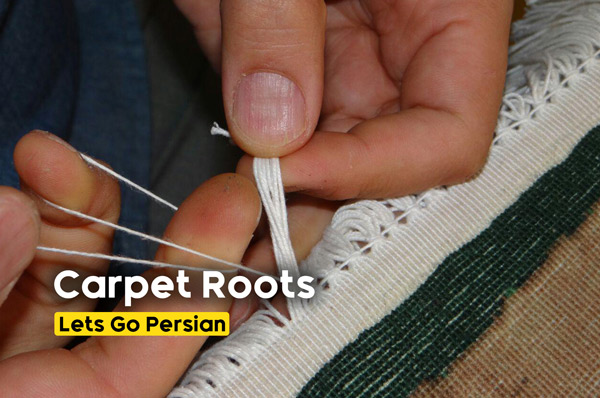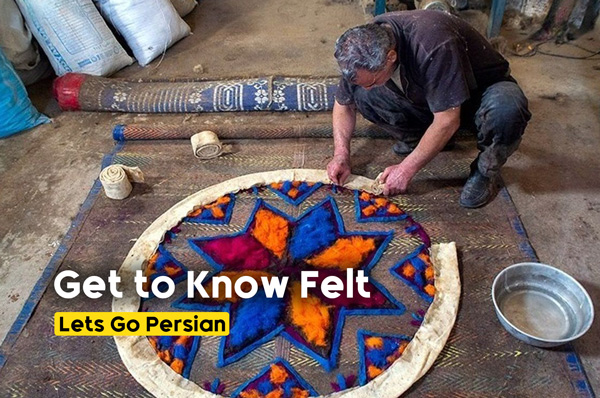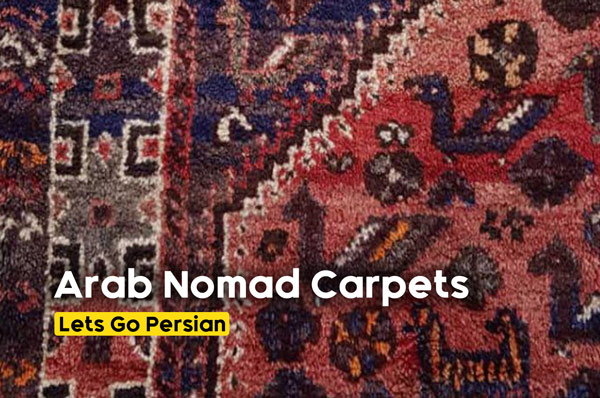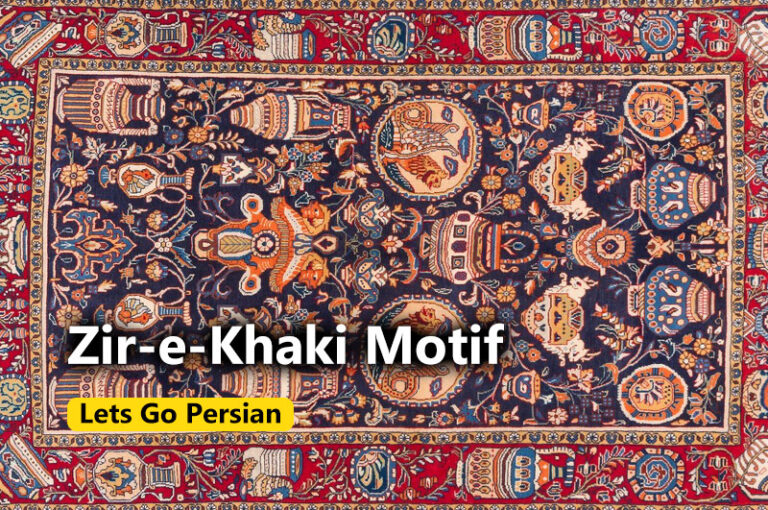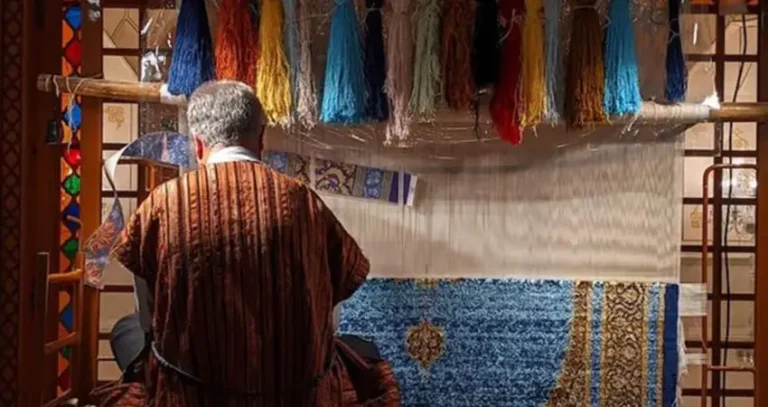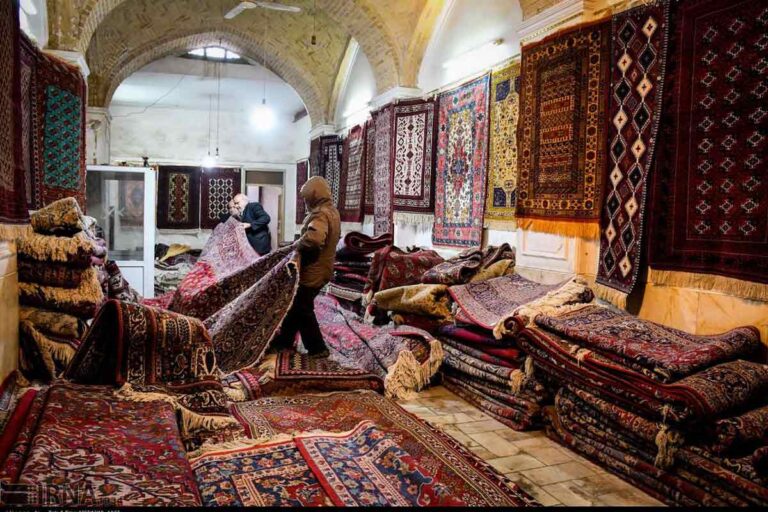
Persian carpets are famous around the world for their elegance, intricate designs, and high craftsmanship. If you’re considering buying one, there’s no better place than Iran itself. Not only do you get the widest selection, but prices are significantly lower than what you’d find abroad.
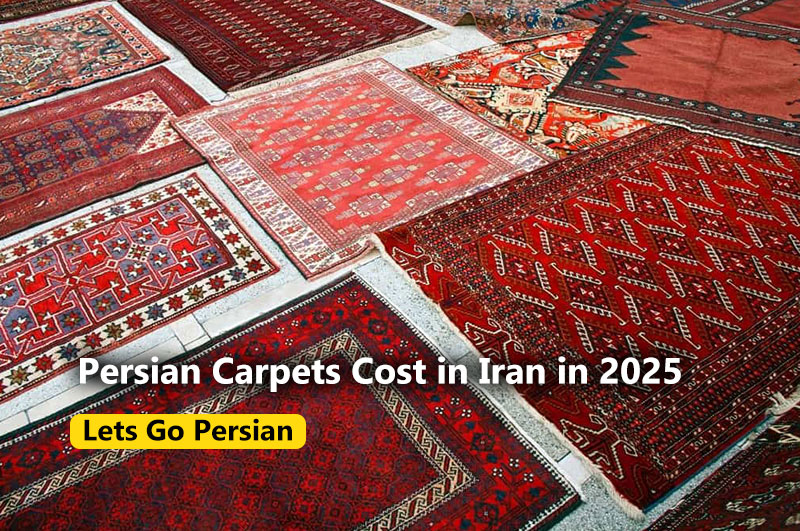
Here’s a clear overview of Persian carpet prices in Iran in 2025, based on rug size, origin, and material — all listed in US dollars for your convenience.
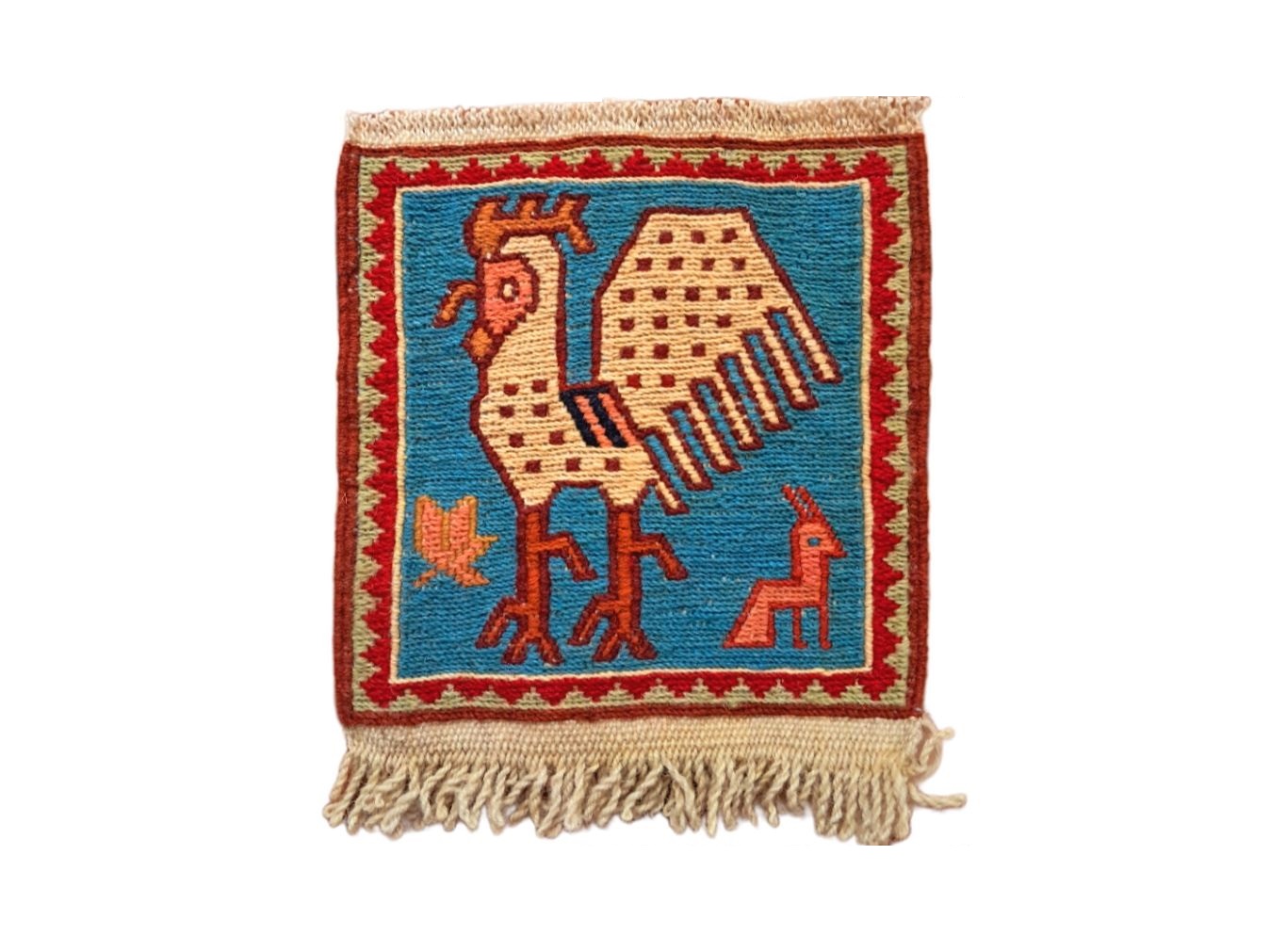
1. Small Rugs (up to 2×3 feet / ~60×90 cm)
Small rugs are perfect as accent pieces, wall hangings, or personal gifts.
Machine-made rugs: $30–70
Handmade tribal rugs (e.g., Hamadan, Qashqai): $150–400
Fine wool or part-silk handmade rugs: $600–1,500
These often come with colorful tribal patterns or traditional floral designs, and prices depend on material and knot density.
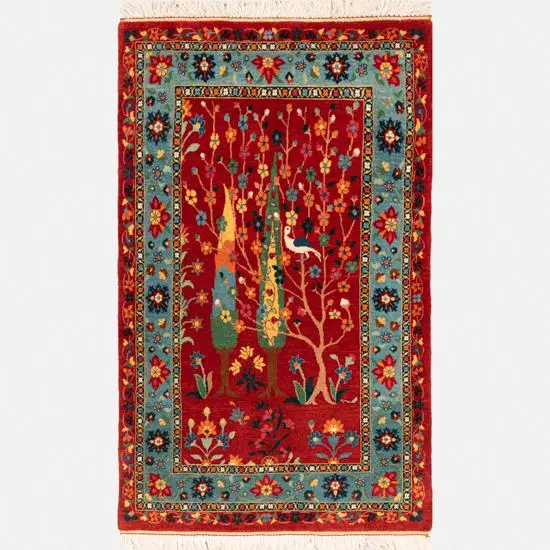
2. Medium Rugs (4×6 to 6×9 feet / ~120×180 to 180×270 cm)
This size fits well in living rooms, dining areas, or bedrooms.
Basic village rugs: $600–1,500
Workshop rugs from cities like Kashan, Kerman, or Nain: $2,000–5,000
High-end silk rugs (Qom, Isfahan): $6,000–10,000+
City rugs have finer patterns and often include the signature of the master weaver, especially in silk pieces.
3. Large Rugs (9×12 feet / ~270×360 cm and up)
Large Persian carpets are statement pieces ideal for formal rooms or large open spaces.
Tribal styles or nomadic pieces: $2,500–5,000
Wool and silk blends from Tabriz, Isfahan, or Qom: $7,000–15,000+
Collector-grade full silk rugs: $20,000 and above
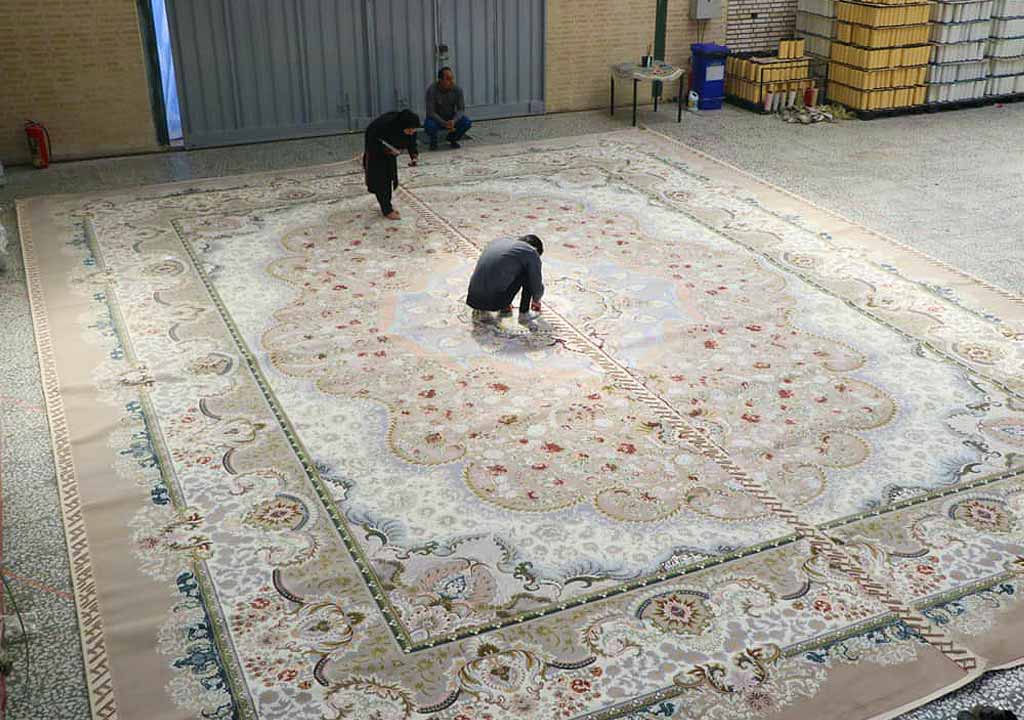
The price reflects not just size but also the craftsmanship, number of knots, and regional prestige.
Why Are Rugs Cheaper in Iran?
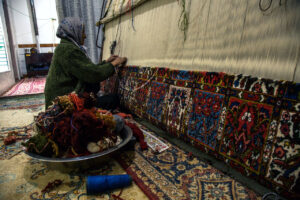
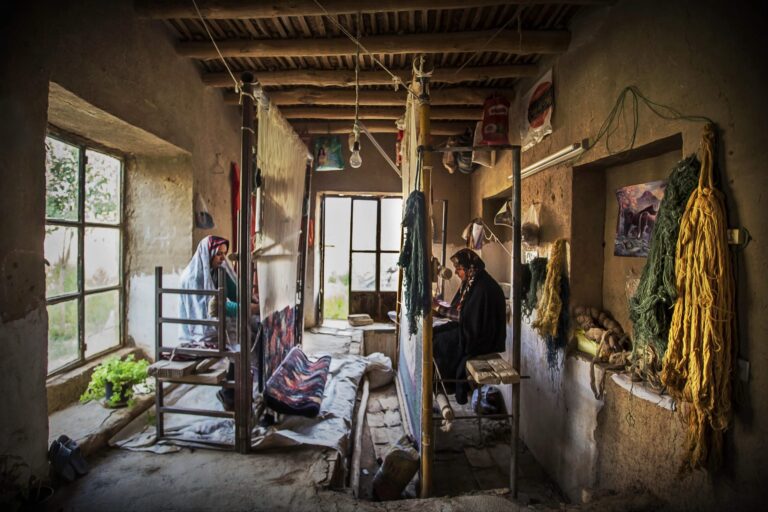
When you buy directly in Iran, you’re avoiding global retail markups and paying artisan-level prices. You’re also supporting local weavers and families. The same rug that costs $3,000 in Tehran might be sold for $10,000 in a European gallery.
Tips Before Buying a Persian Carpet
Ask about knot count and material (silk is more valuable than wool)
Check if the rug is signed by the weaver
Confirm the region of origin — Qom, Isfahan, and Tabriz rugs often carry more prestige
Always verify that it’s hand-knotted
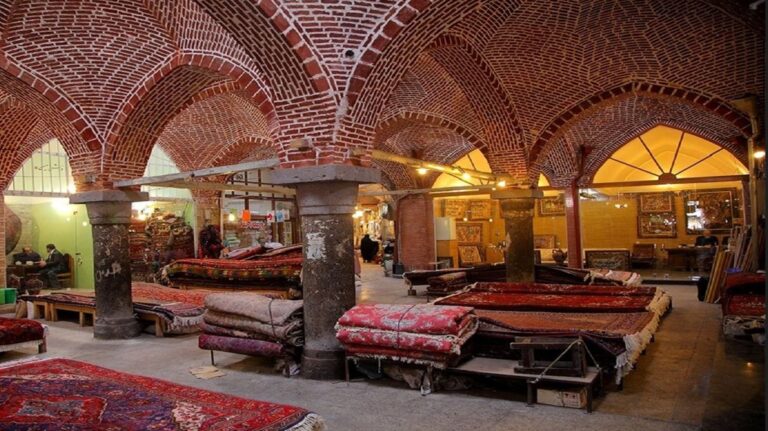
Consider using a local guide or translator in the bazaars
Buy Directly From Iran – Authentic & Affordable
Whether you’re shopping for a modern Gabbeh or a classic silk masterpiece, Iran remains the best destination for buying Persian carpets. With direct access to the artisans, fair pricing, and unmatched variety, it’s a purchase that combines culture, art, and long-term value.