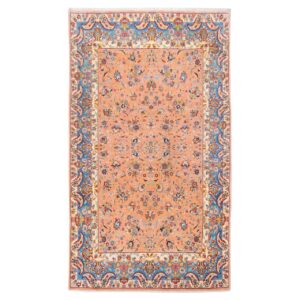
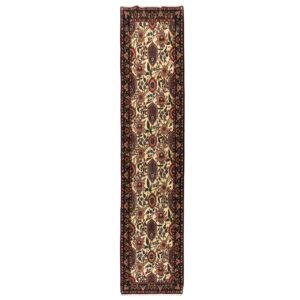
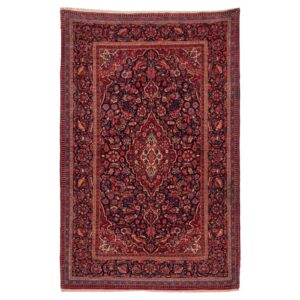
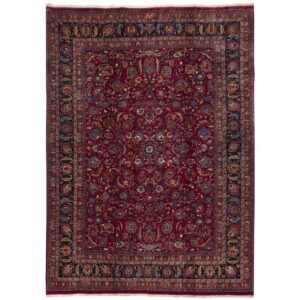
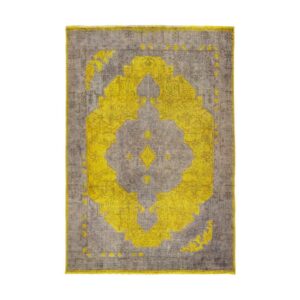
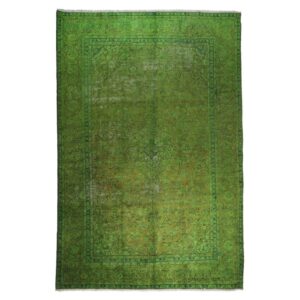
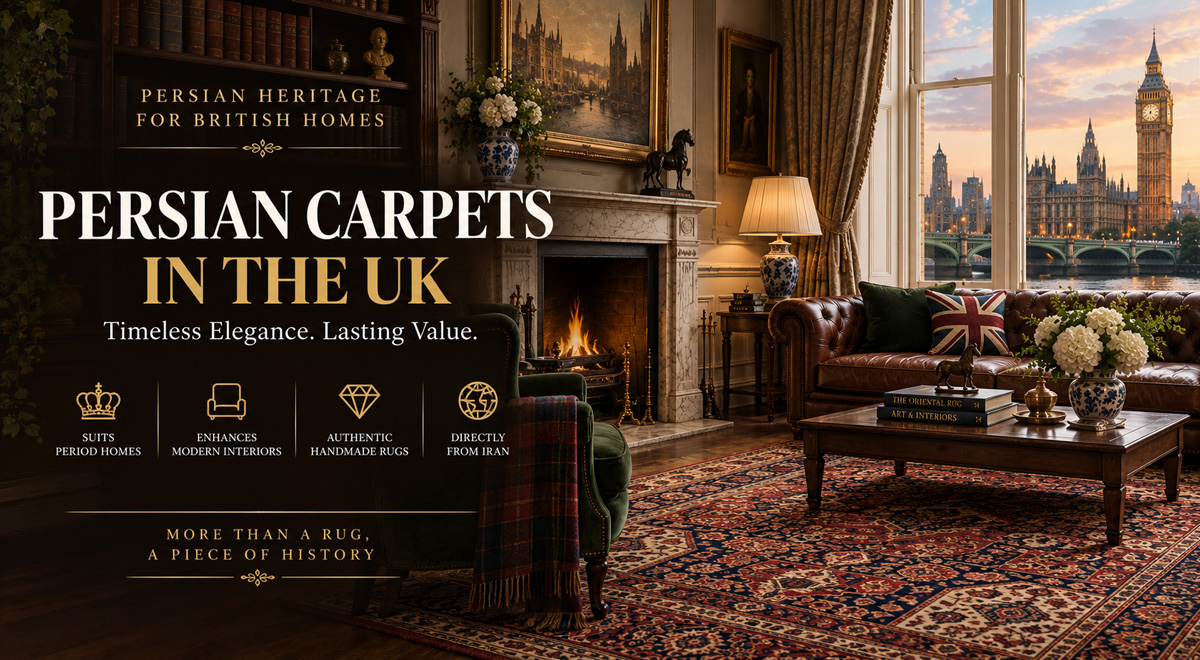
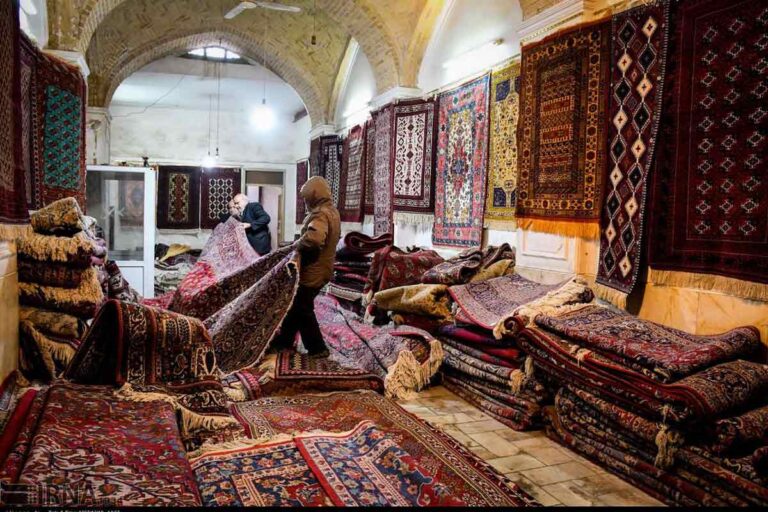
Persian carpets have a natural place in British interiors, but their connection with Britain goes far beyond interior decoration. Persian carpets have been admired in Britain for centuries, and exceptional examples became highly prized among collectors, aristocratic households, museums, and connoisseurs of decorative arts.
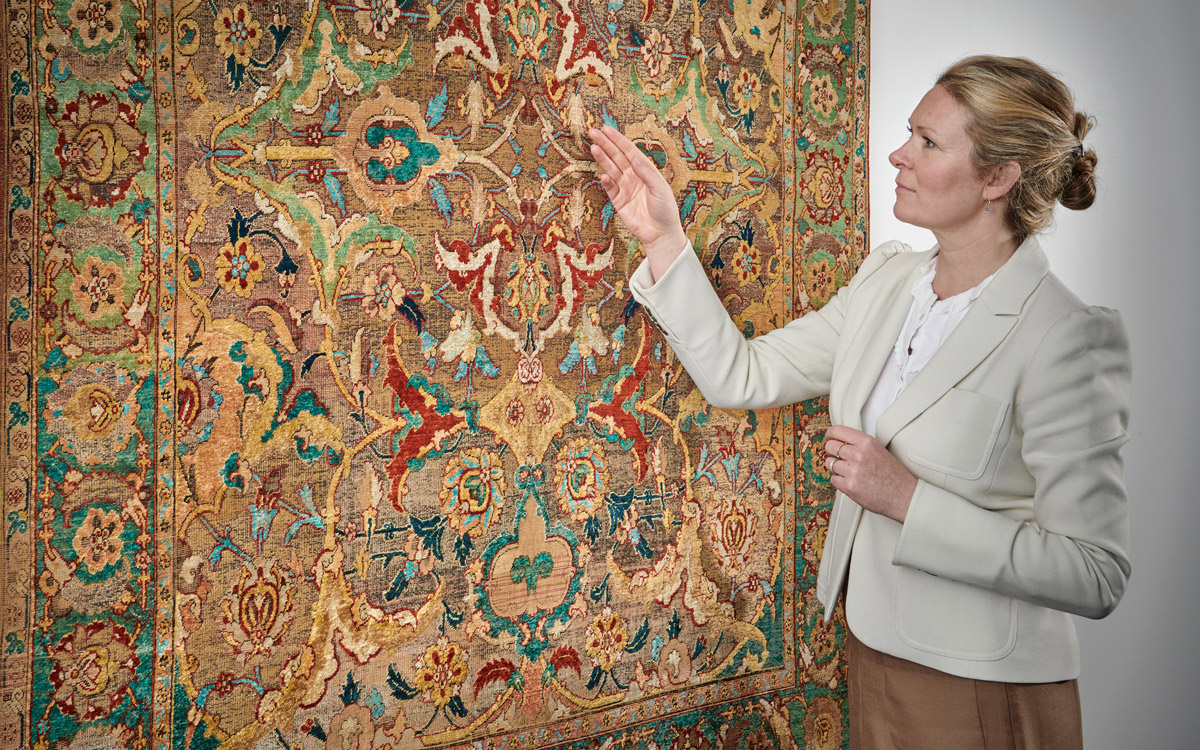
Some of the finest historic Persian carpets are preserved in major British museum collections today, reflecting the long-standing appreciation of Persian weaving, design, and craftsmanship in Britain. These historic pieces have helped establish Persian carpets not simply as furnishings, but as works of art and important examples of cultural heritage.
From Georgian and Victorian houses to London apartments, country homes, libraries, and contemporary properties, handmade Persian rugs can add warmth, texture, character, and a sense of permanence.
For British buyers, choosing the right carpet is not simply about finding an attractive pattern. Size, room proportions, furniture, material, condition, weaving region, and whether the carpet is new, vintage, or antique all matter.
What British Buyers Look for in a Persian Carpet
The British market has a particularly strong appreciation for antiques, craftsmanship, and interiors that combine old and new. Persian carpets fit naturally into this approach because a handmade rug can work as both a furnishing and an important decorative object.
Quality craftsmanship rather than mass-produced appearance.
Natural materials such as wool, cotton, and silk.
Appropriate scale for the room and furniture.
Authenticity and regional identity.
Condition and restoration history for older carpets.
Timeless designs that can remain relevant as interiors change.
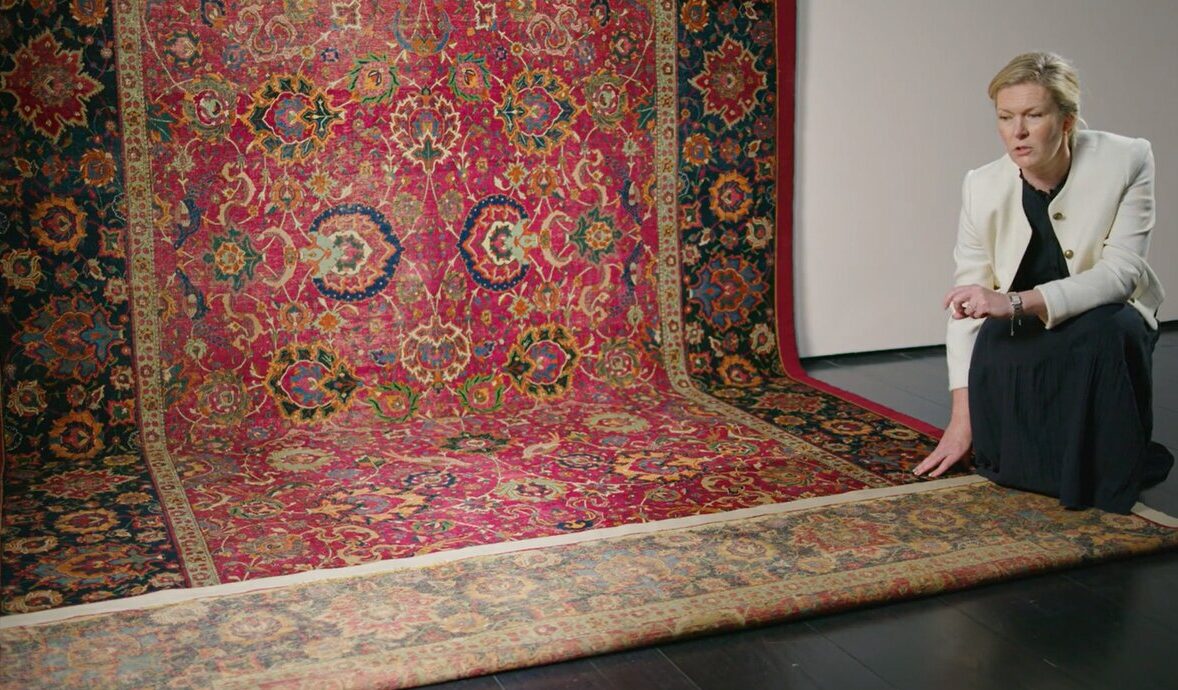
Antique Persian Carpet at Christie’s London
Persian Carpets for British Period Homes
Georgian, Victorian, Edwardian, and other period properties often have features that naturally complement Persian carpets: timber floors, fireplaces, decorative mouldings, staircases, high ceilings, libraries, and formal reception rooms.
In these settings, a Persian carpet can connect architectural details with furniture and artwork rather than simply functioning as floor covering.
Kashan, Tabriz, Isfahan, Kerman, and Heriz carpets can all work particularly well in traditional British interiors, depending on the scale and character of the room.
Persian Carpets for London Homes
London interiors range from Georgian townhouses and Victorian terraces to contemporary apartments and converted industrial spaces. This variety means there is no single Persian carpet style that suits every London home.
For formal rooms, refined Tabriz, Isfahan, and Kashan carpets can complement classical architecture. In contemporary apartments, a simpler Gabbeh or a bold Heriz can provide contrast against modern furniture and cleaner architectural lines.
The most important consideration is often scale. A carpet that is too small can make a large room feel fragmented, while the right size can visually connect the seating area and make the room feel more cohesive.
Choosing the Right Rug Size
British homes can have very different room proportions, so choosing the size from the furniture layout is usually more useful than choosing a carpet simply because its dimensions seem convenient.
Living rooms: Aim for a size that visually connects the main seating arrangement.
Drawing rooms: Larger carpets can work particularly well with fireplaces and formal furniture.
Dining rooms: Leave enough carpet beyond the dining table for chairs to remain on the rug when pulled out.
Hallways: Persian runners can work well in long corridors, entrance halls, and stair landings.
Bedrooms: The carpet should relate to the bed and surrounding furniture rather than simply filling empty floor space.
Antique Persian Carpet at Christie’s London
Persian Carpets by British Interior Style
Classic and Period Interiors
Kashan, Tabriz, Isfahan, and Kerman carpets can complement traditional furniture, wood floors, fireplaces, decorative mouldings, and formal rooms.
Country Houses
Large Persian carpets with substantial character can work especially well in country houses, libraries, drawing rooms, and rooms containing antique furniture.
Contemporary London Interiors
Modern spaces often benefit from the contrast created by a handmade Persian carpet. Heriz can introduce stronger geometry, while Gabbeh can provide texture without adding excessive visual complexity.
Eclectic Interiors
Tribal and village carpets can work particularly well where antique furniture, contemporary pieces, artwork, and objects from different periods are combined.
Persian Carpets Popular in the UK
Tabriz Rugs
Tabriz carpets are appreciated for their detailed designs, refined construction, floral compositions, and versatility. They can work equally well in formal British interiors and more contemporary spaces.
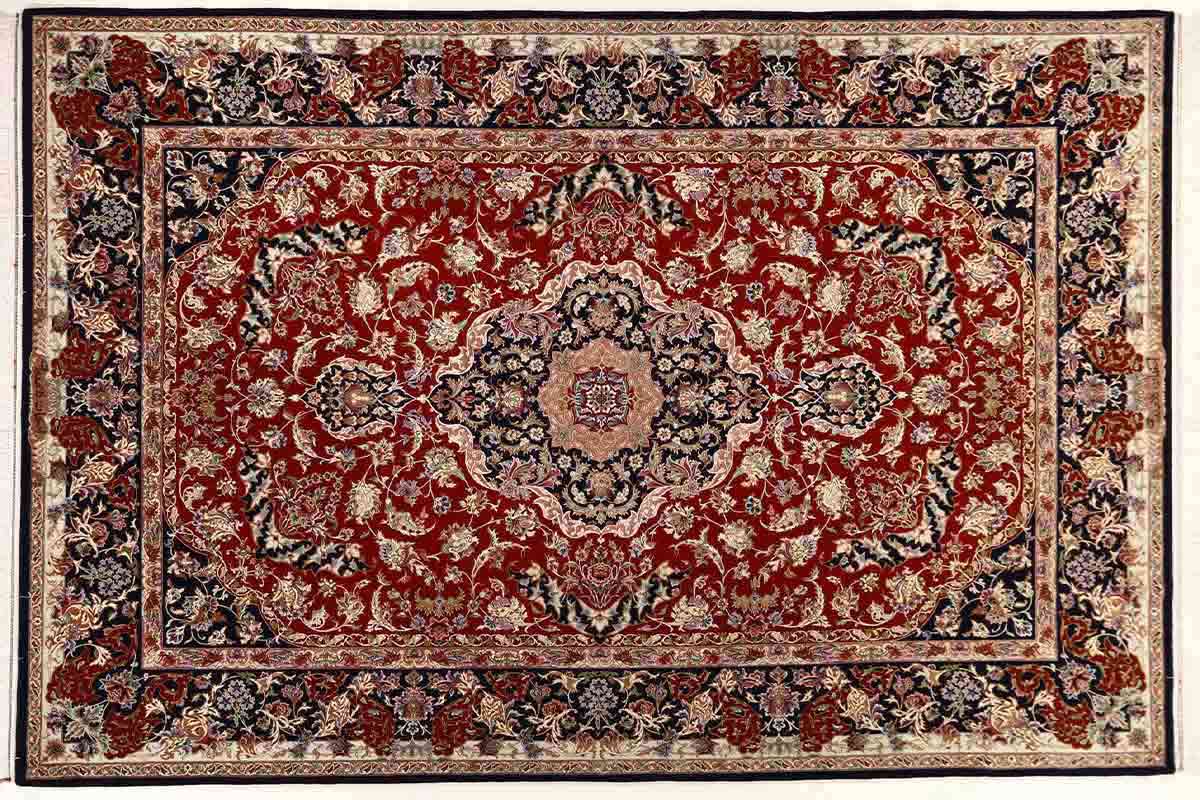
Isfahan carpets are known for refined compositions, elegant floral patterns, sophisticated colours, and detailed craftsmanship. They are particularly suitable for rooms where the carpet is intended to provide an elegant decorative foundation.
Kashan carpets are strongly associated with classical Persian design. Their traditional floral compositions and medallion patterns make them a natural choice for formal drawing rooms, libraries, dining rooms, and period properties.
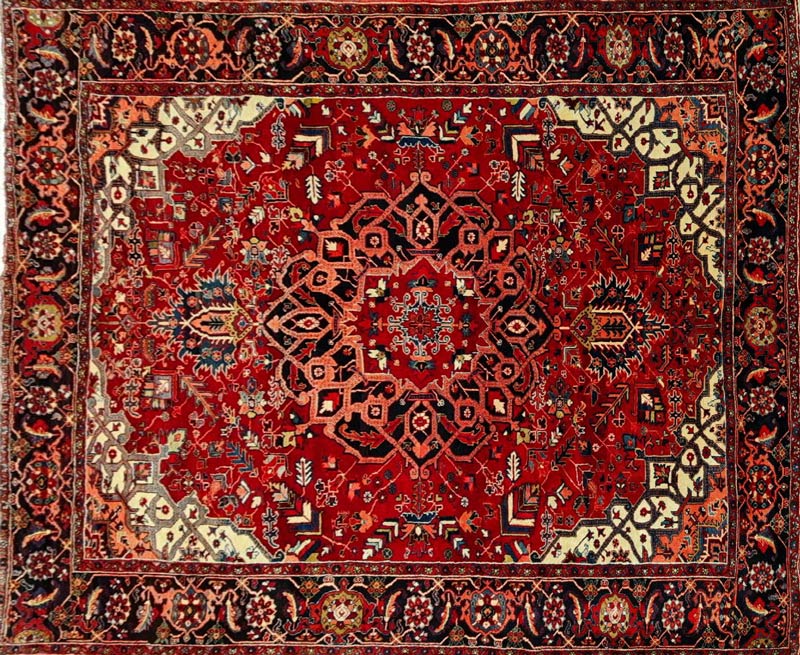
Heriz carpets are known for bold geometric designs, strong borders, and robust construction. Their graphic character can work particularly well in larger British rooms and interiors where the carpet is intended to create a strong focal point.
Qom silk carpets offer exceptionally fine detail and a more luxurious decorative character. They are generally better suited to formal, low-traffic spaces, private collections, and interiors where craftsmanship is the main focus.
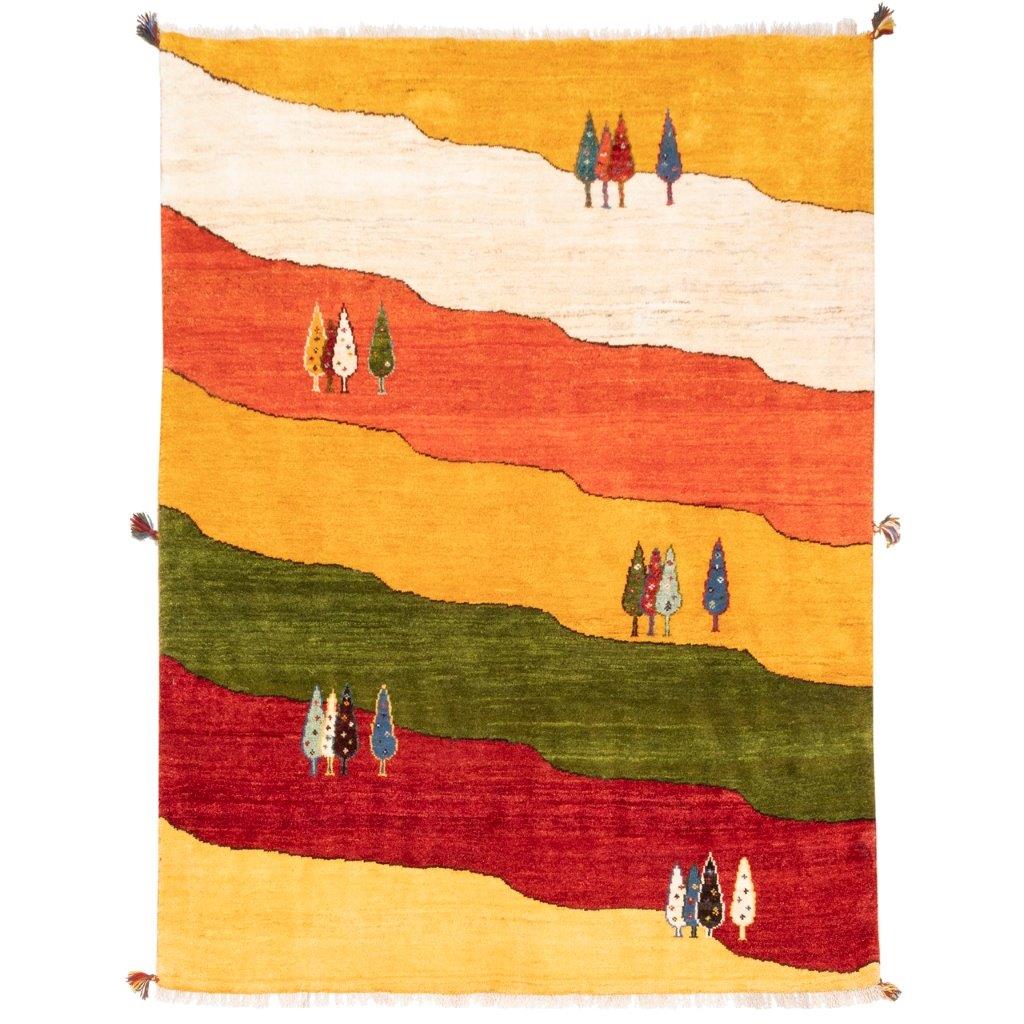
Gabbeh carpets provide a simpler and more relaxed alternative to highly detailed city carpets. Their thicker wool pile and geometric designs can suit contemporary flats, country homes, bedrooms, and informal living spaces.
British buyers have access to all three categories, and the right choice depends on the purpose of the carpet rather than age alone.
New Handmade Carpets
A new handmade Persian carpet can provide traditional craftsmanship with a clean condition and a wider choice of sizes, colours, and designs.
Vintage Carpets
Vintage Persian carpets can offer a more aged appearance while often being more accessible than exceptional antiques. Their worn character can work particularly well in relaxed and eclectic interiors.
Antique Carpets
Antique carpets can appeal strongly to collectors and owners of period properties. Age, rarity, provenance, condition, materials, design, and craftsmanship all influence their desirability and value.
Why Condition Matters More Than Age Alone
An older Persian carpet is not automatically a better carpet. Condition, restoration, remaining pile, colour, structural integrity, and the quality of the original weaving all need to be considered.
When purchasing an older piece, ask whether it has been repaired or restored and request clear photographs of areas showing wear, damage, previous repairs, or fading.
Persian Carpet Prices in the UK
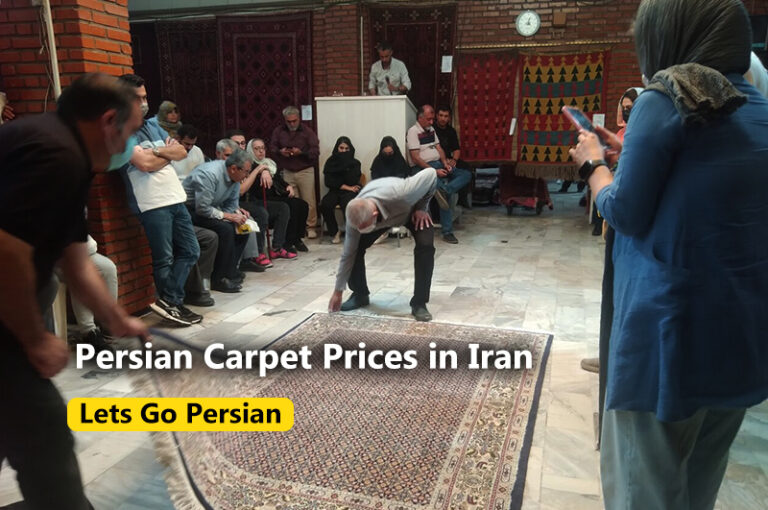
Prices vary considerably across the UK market. Handmade tribal carpets can be relatively accessible, while fine city carpets, silk pieces, large carpets, and genuine antiques can reach substantially higher prices.
Handmade tribal and village rugs: approximately £250–£1,500+
Good-quality Tabriz, Kashan, Isfahan and similar city rugs: approximately £800–£5,000+
Fine Qom silk rugs: approximately £1,500–£12,000+
Antique and collector-grade Persian carpets: approximately £2,000–£40,000+
These are broad reference ranges rather than fixed prices. A particular carpet can fall outside them depending on size, age, rarity, provenance, condition, materials, and artistic quality.
Buying a Persian Carpet Directly from Iran
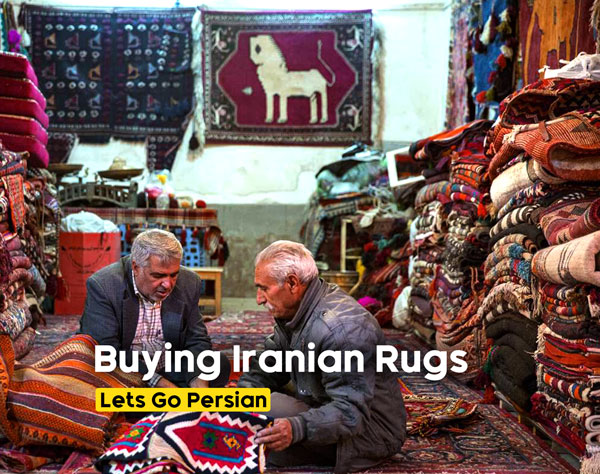
Buying directly from Iran gives UK customers access to a much broader selection of authentic handmade Persian carpets than may be available through a local showroom. You can compare carpets by region, size, material, colour, design, craftsmanship, and budget.
We make the process easier by helping you select the right carpet before purchase. We can provide detailed photographs and information about the actual piece, including its dimensions, materials, place of weaving, construction, and condition.
Once you have selected a carpet, we can also help coordinate the international delivery process and provide the information needed to understand shipping arrangements and the expected costs before you place the order.
Buying a Persian carpet from another country can be difficult when you cannot see the piece in person. Our role is to make the selection process as clear as possible before you make a decision.
Help identify carpets that match your preferred style.
Compare different sizes and weaving regions.
Provide photographs of the actual carpet.
Explain materials and construction.
Provide information about condition and restoration.
Help determine whether the proportions suit your room.
Assist with international delivery arrangements.
If you already know the approximate size, colours, style, and budget you want, you can also contact us directly and we can help narrow down suitable options.
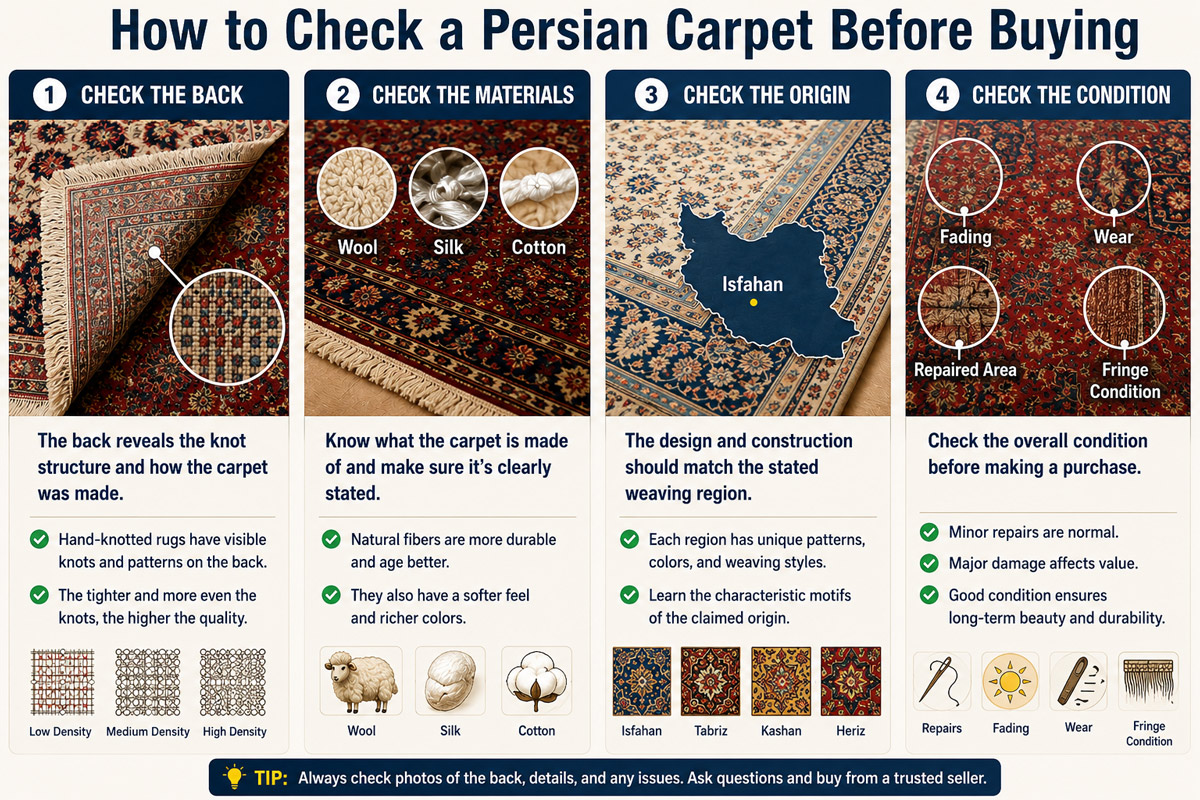
The back of a hand-knotted carpet can reveal important information about the knot structure, weaving technique, and construction.
Check the Materials
Ask whether the carpet is made from wool, silk, cotton, or a combination of materials. Material information should be clearly stated.
Check the Place of Weaving
Regional characteristics can help you understand whether the carpet is consistent with its stated origin. Tabriz, Isfahan, Kashan, Qom, Heriz, and other weaving regions have distinctive traditions.
Check the Condition
For vintage and antique carpets, ask about repairs, restoration, fading, wear, edge condition, and structural issues.
Request Detailed Photographs
When buying online, request photographs of the complete front and back as well as close-up images of the pile, weave, edges, colours, and any areas of damage or restoration.
How to Check a Persian Carpet Before Buying
Persian Carpets as Part of a Collected Interior
One reason Persian carpets remain relevant in British interiors is their ability to sit between different periods and styles. A traditional carpet can work alongside contemporary furniture, while a modern room can gain depth from an older handmade piece.
This approach is particularly relevant to British homes, where period architecture, antiques, artwork, and contemporary furnishings are often combined rather than treated as separate design styles.
Common Mistakes When Buying a Persian Carpet in the UK
Choosing a carpet that is too small for the room.
Buying based only on knot count.
Assuming that older automatically means more valuable.
Ignoring condition and previous restoration.
Choosing a colour without considering natural and artificial lighting.
Failing to ask for photographs of the reverse side.
Not checking the complete delivered cost when importing.
Frequently Asked Questions About Persian Carpets in the UK
Can I buy a Persian carpet directly from Iran and have it delivered to the UK?
Yes. Persian carpets can be purchased directly from Iran and shipped to the UK. Shipping arrangements, customs requirements, VAT, duties, and other import conditions depend on the individual shipment, so the complete delivery terms should be confirmed before ordering.
Which Persian carpets are popular in the UK?
Tabriz, Isfahan, Kashan, Heriz, Qom, Kerman, and various tribal Persian carpets are well suited to different British interiors. The best choice depends on the room, furniture, desired character, budget, and whether the carpet is intended for everyday use or collecting.
What Persian carpet works well in a British period home?
Kashan, Tabriz, Isfahan, Kerman, and Heriz can all work well in period properties. The most important factors are scale, colour, design, and how the carpet relates to the architecture and furniture.
What size Persian rug should I choose for a UK living room?
Choose the size according to the furniture arrangement and proportions of the room. In many living rooms, the carpet should connect the main seating area rather than sit as a small isolated piece in the centre.
Are antique Persian carpets worth buying in the UK?
They can be, particularly when age is combined with strong craftsmanship, rarity, good condition, attractive design, and provenance. Age alone does not determine the quality or value of a carpet.
How can I check whether a Persian carpet is genuinely handmade?
Look at the reverse side for the knot structure and construction, and ask about the materials, place of weaving, finishing, and condition. Detailed photographs of both sides are especially important when purchasing online.
Are Persian carpets suitable for modern British interiors?
Yes. Gabbeh can provide a simple textured look, Heriz can introduce stronger geometric character, while Tabriz and Isfahan can add refined traditional detail to contemporary spaces.
What should I ask before importing a Persian carpet into the UK?
Ask for the exact dimensions, materials, weaving region, construction, condition, photographs of the actual carpet, shipping arrangements, and the complete expected cost of delivery. You should also confirm any applicable UK import requirements before ordering.
Persian carpets are renowned for their intricate designs, each rich in symbolism and meaning. The traditional motifs found in these carpets are not just decorative; they carry deep cultural, spiritual,
History and Origin of Gabbeh Rugs Gabbeh rugs are a type of Persian carpet with roots deeply embedded in the nomadic traditions of southwestern Iran. The word “Gabbeh” in Persian
From Paisley to Geometric: Exploring Iranian Carpet Designs Carpet Is an integral component in every home that can create harmony among colors. Even though wooden furniture and services have found
Undoubtedly, during the weaving of any carpet, problems may arise, but by observing some essential and critical points, acceptable quality can be achieved. However, neglecting these points can lead to
Among the many elements that make Persian carpets uniquely beautiful, the design stands out as one of the most defining. While there are numerous patterns—such as Golestani, Mihrab, and Moharramat—the
The quality, appearance, and longevity of Persian rugs are defined not only by the intricate artistry behind their designs but also by the materials and construction techniques used in their
Tuyserkan carpets, similar to those of its surrounding areas like Nahavand and Malayer, are highly esteemed in the western regions of Iran. Geometric patterns with large and tall medallions give
If you’ve ever browsed Persian carpets in Iran, you’ve probably wondered: why does one rug cost a few hundred dollars while another is priced like a car? The answer lies
As a family-owned Persian carpet shop, we bridge the gap between passionate collectors and skilled weavers, supporting both the artistry and the heritage of this timeless craft.
We guarantee fair prices for Original Authentic Persian Carpets
We bring you not just a carpet, but a masterpiece with a story — directly from the hands of Iranian artists to your home.
By working directly with artisans, we help preserve centuries-old traditions while offering our customers a chance to own a unique piece of original cultural heritage.