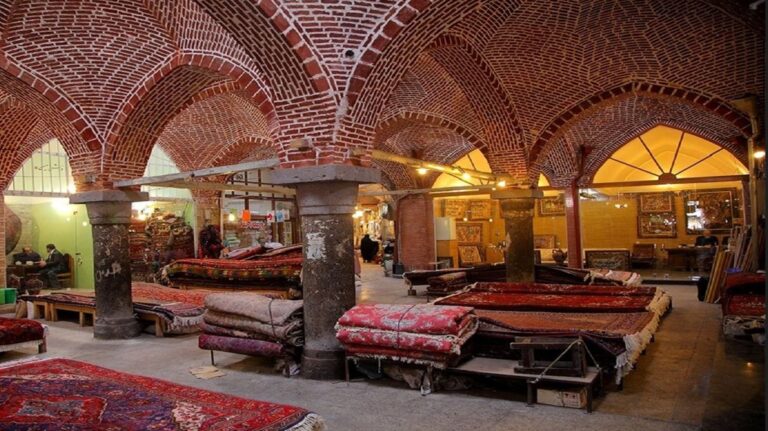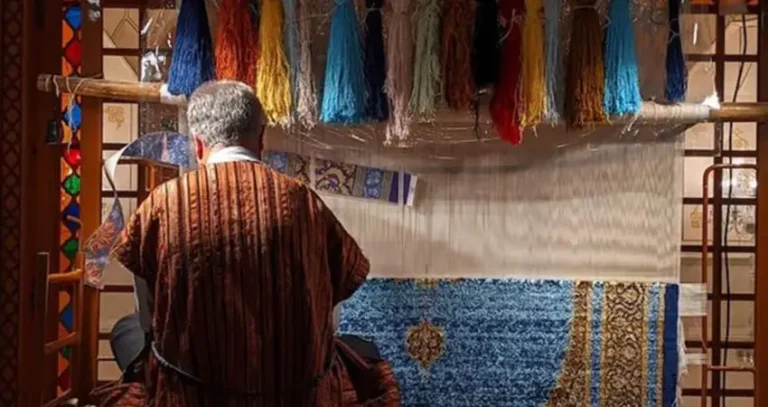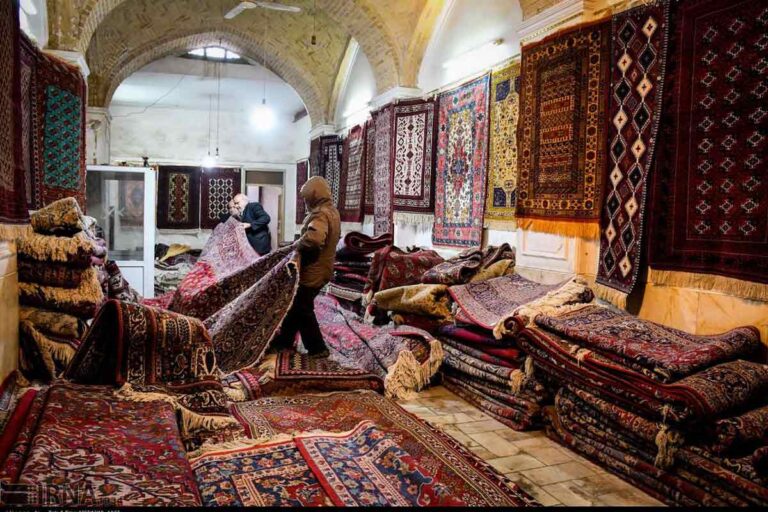
The most crucial principle for increasing the lifespan and health of carpets is to observe proper and systematic carpet maintenance. In this article, we will introduce you to some practical methods and tips regarding the principles of carpet maintenance.
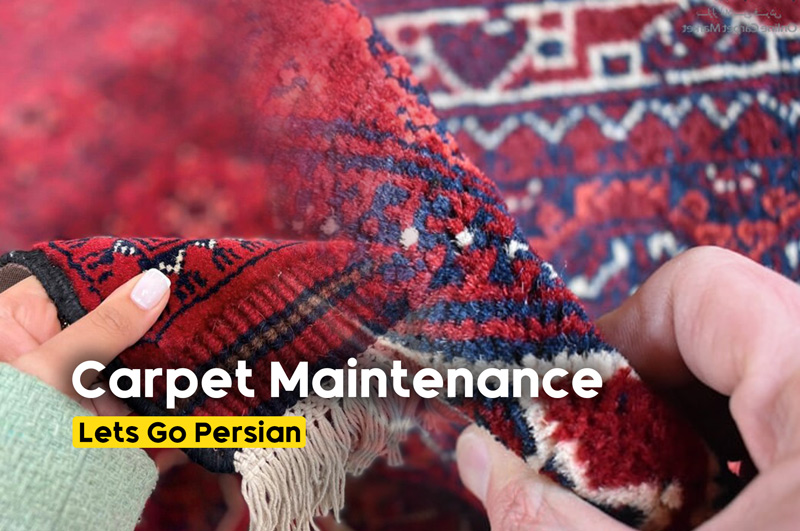
Critical Points for Carpet Maintenance:
- Never allow direct sunlight to shine on the carpet, especially machine-made rugs. If you have large windows and sunlight exposure in your home, cover them with fabric or bamboo curtains.
- Keep the carpet away from heat sources such as radiators and heaters.
- Avoid dragging or moving the carpet unnecessarily, as it can lead to breakage.
- Moisture can cause fiber decay in carpets. Therefore, store the rug in a dry space, away from dampness and humidity.
- Avoid placing heavy objects such as furniture, tables, and cabinets directly on the carpet. If unavoidable, use a rug pad underneath and periodically move things to prevent carpet breakage.
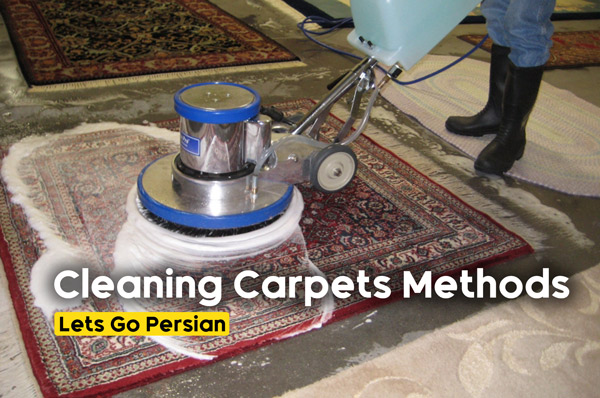
- Dust and dirt are among the most harmful enemies of carpet health, especially for handmade carpets. Regular and weekly vacuuming is undoubtedly one of the ways to preserve this beautiful Iranian art.
- Rotate the carpet periodically in high-traffic areas to prevent excessive wear and tear.
- Avoid placing the carpet in a way that the edges are under doors. If necessary, minimize contact and friction with the mat as much as possible.
- Use a carpet gripper or stopper to prevent the carpet from moving on stone or ceramic surfaces.
- In case of damage or tearing in the carpet, take immediate action to repair and reinforce it to prevent further deterioration.
Remember these principles to ensure the longevity and well-being of your carpets, preserving the beauty of this Iranian art.