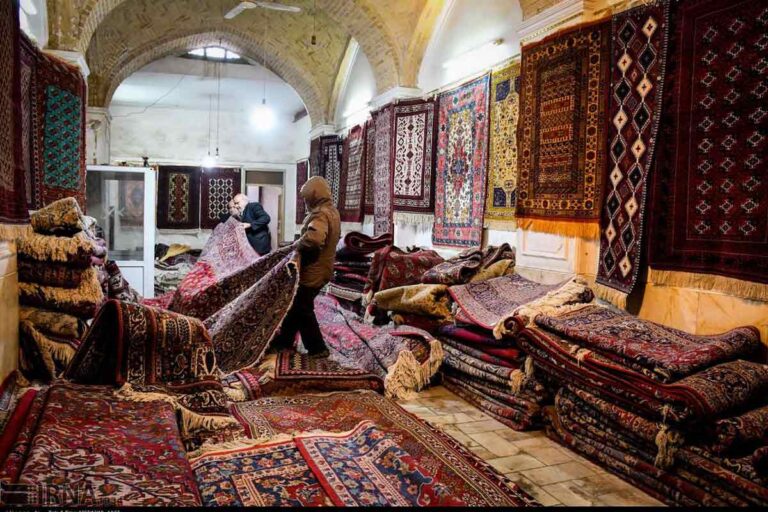
The Persian carpet is not just a floor covering; it is a piece of art, a symbol of cultural heritage, and a testament to the intricate craftsmanship that has evolved over millennia. These carpets have adorned the palaces of kings and the homes of common people alike, leaving an indelible mark on world culture and art. This blog post will explore the rich history of Persian carpets and their profound influence on global artistic expression.
Historical Background
Origins of Persian Carpets
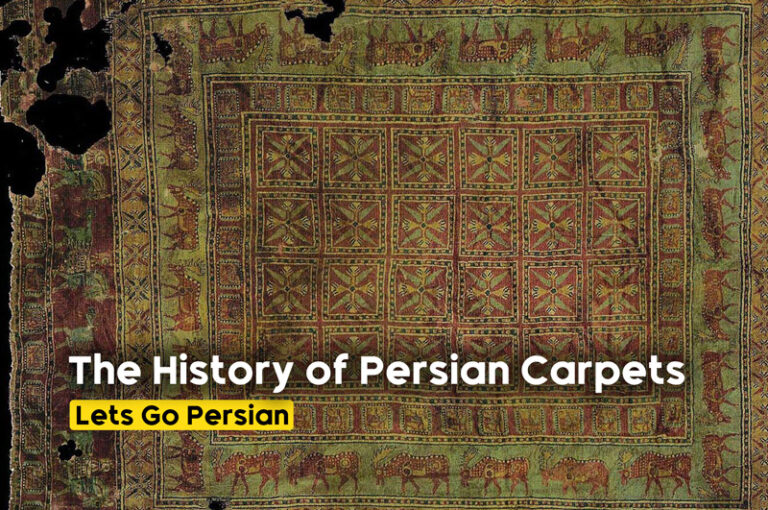
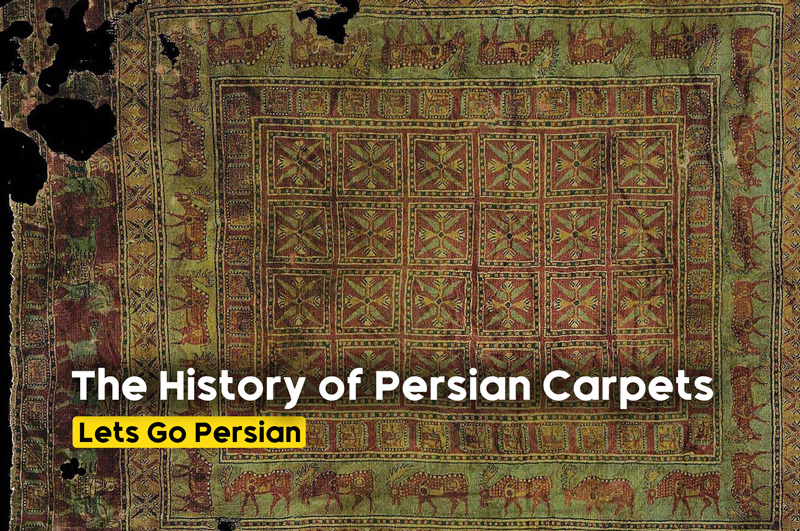
The art of carpet weaving in Persia, modern-day Iran, dates back to ancient times. The oldest known carpet, the Pazyryk Carpet, discovered in Siberia, is believed to be from the 5th century BCE and exhibits characteristics of Persian craftsmanship.
- Early Beginnings: Nomadic tribes wove the first carpets for practical purposes—protection against cold weather. Over time, these functional items transformed into artistic creations.
- Cultural Significance: Carpets became a medium to express mythological stories, religious beliefs, and social status.
Evolution Through Different Dynasties
The development of Persian carpets is closely tied to the country’s dynastic changes.
- Sasanian Era (224–651 CE): Known for luxurious carpets like the “Spring of Khosrow”, which was adorned with precious stones.
- Safavid Dynasty (1501–1736): Considered the Golden Age of Persian carpet weaving. Shah Abbas I established royal workshops and brought together the finest artisans.
- Qajar Period (1789–1925): A revival of traditional designs with European influences began during this era.
The Art of Persian Carpet Weaving
Techniques and Materials
The craftsmanship of Persian carpets involves intricate techniques passed down through generations.
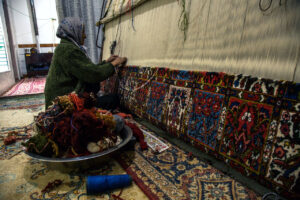
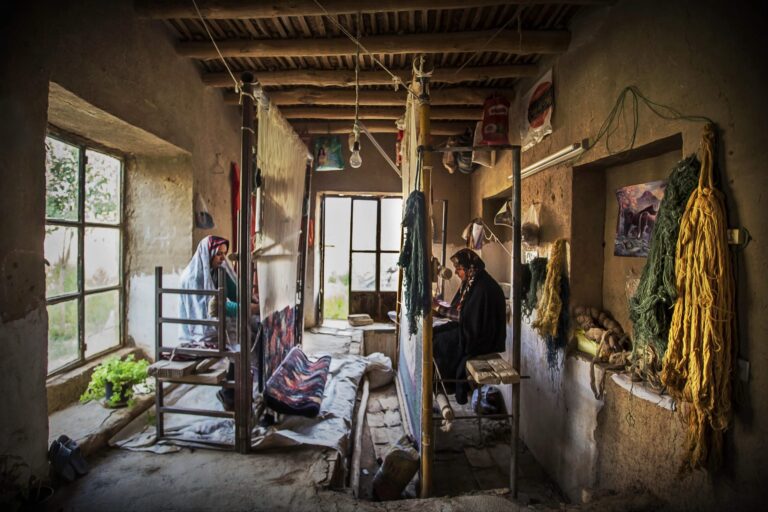
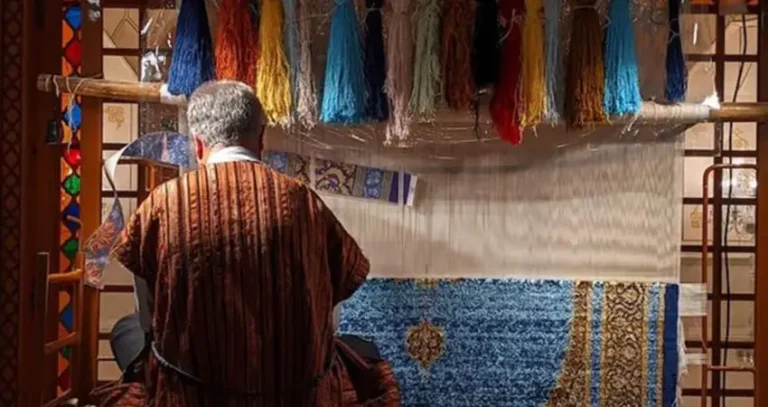
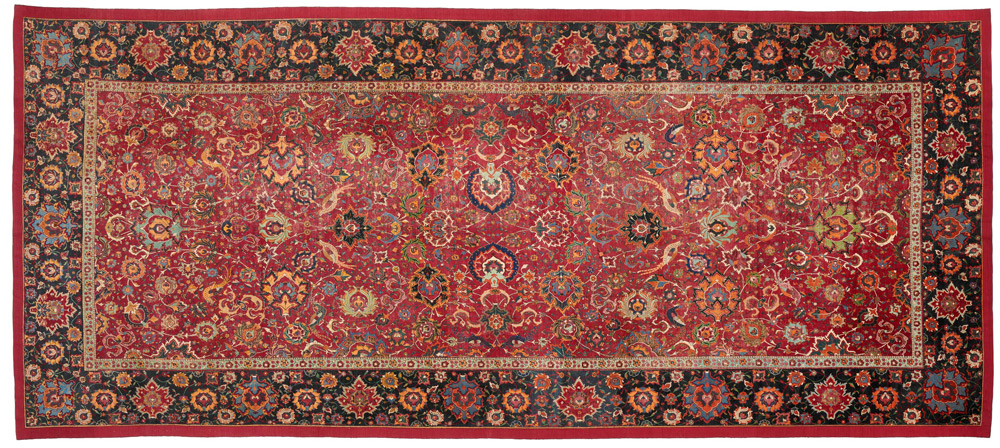
- Hand-Knotted Excellence: Each carpet is hand-knotted, sometimes taking years to complete.
- Natural Dyes and Materials: Wool, silk, and cotton are commonly used, and dyed with natural substances like indigo, pomegranate, and saffron.
Symbolism and Designs
Persian carpets are rich in symbolism, with designs that carry deep meanings.
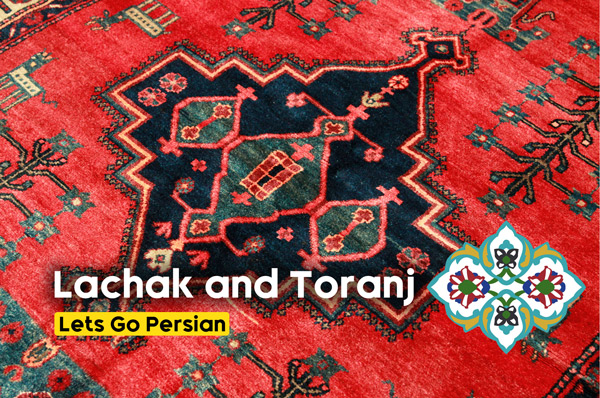
- Medallion Patterns: Represent the sun or moon, central to many carpets.
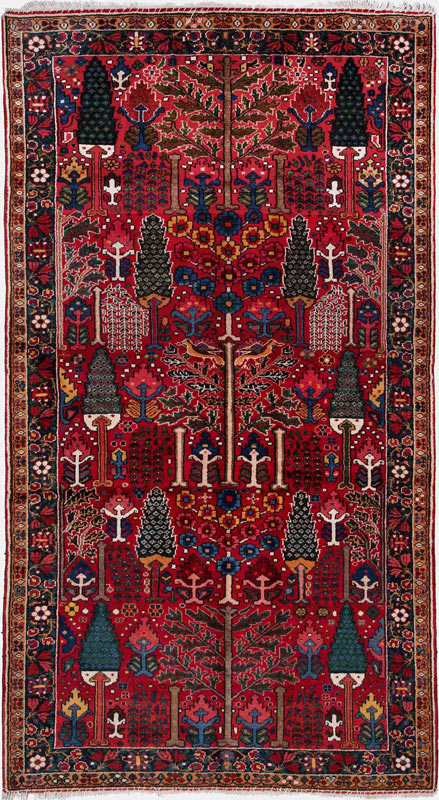
- Floral and Garden Themes: Symbolize paradise and eternal life.
- Geometric Patterns: Often used by nomadic tribes, incorporating tribal symbols and protective motifs.
Persian Carpets in World Culture
Influence on European Art
The beauty of Persian carpets caught the eye of European traders and artists.
- Renaissance Paintings: Persian carpets are depicted in works by Hans Holbein and Lorenzo Lotto, symbolizing wealth and prestige.
- Trade Expansion: The demand for these carpets led to increased trade between Persia and Europe, influencing European textile designs.
Persian Carpets in Modern Interior Design
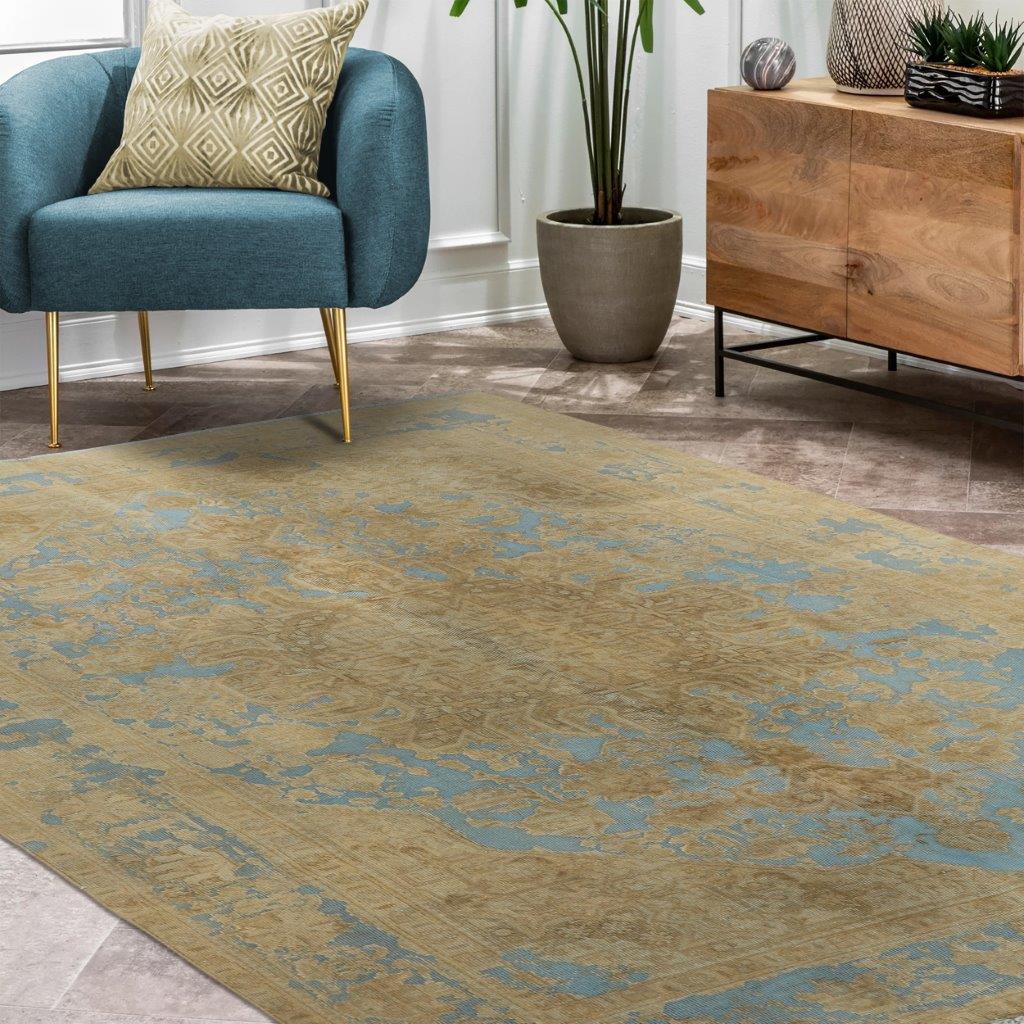
Today, Persian carpets continue to be a staple in interior design worldwide.
- Timeless Appeal: Their versatility allows them to fit into both traditional and contemporary settings.
- Artistic Inspiration: Designers and artists draw inspiration from Persian carpet patterns for modern textiles, fashion, and even digital art.
Economic Impact
Trade Routes and Global Commerce
The Persian carpet industry significantly impacted global trade.
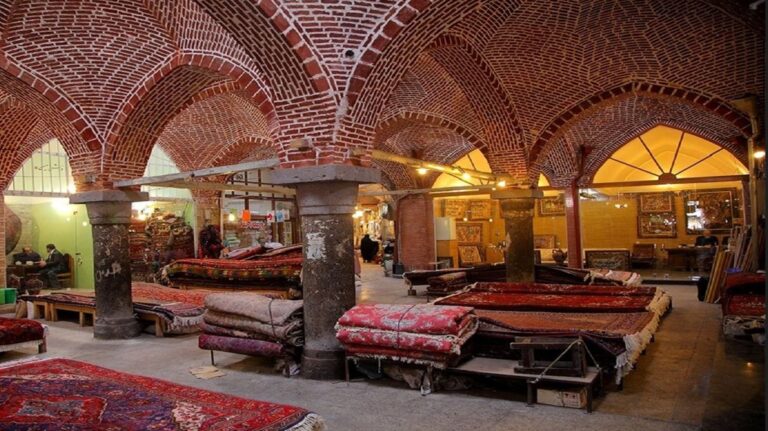
- Silk Road: Carpets were a major commodity exchanged along the Silk Road, connecting the East and West.
- Economic Prosperity: The export of carpets contributed to Persia’s wealth and facilitated cultural exchanges.
The Modern Carpet Industry
In the contemporary era, the industry faces challenges and opportunities.
- Global Market: Persian carpets remain a luxury item, sought after by collectors and connoisseurs.
- Authenticity Issues: The market is flooded with imitations, making authenticity a significant concern for buyers.
- Sustainable Practices: There’s a growing emphasis on ethical labor and sustainable materials in carpet production.
Preservation and Cultural Heritage
Preserving the art of Persian carpet weaving is crucial.
- UNESCO Recognition: The traditional skills of carpet weaving in Iran are recognized by UNESCO as an Intangible Cultural Heritage.
- Educational Programs: Efforts are being made to teach younger generations the traditional methods to keep the craft alive.
- Museums and Exhibitions: Institutions worldwide exhibit Persian carpets, acknowledging their artistic and historical value.
Conclusion
The history of Persian carpets is a rich tapestry woven with threads of art, culture, and history. Their influence extends far beyond Iran’s borders, leaving an enduring legacy on world culture and art. The intricate designs, symbolic meanings, and exceptional craftsmanship make Persian carpets timeless pieces that continue to captivate and inspire people around the globe.
By understanding and appreciating the history and influence of Persian carpets, we not only honor a remarkable art form but also acknowledge the cultural bridges they have built throughout history.