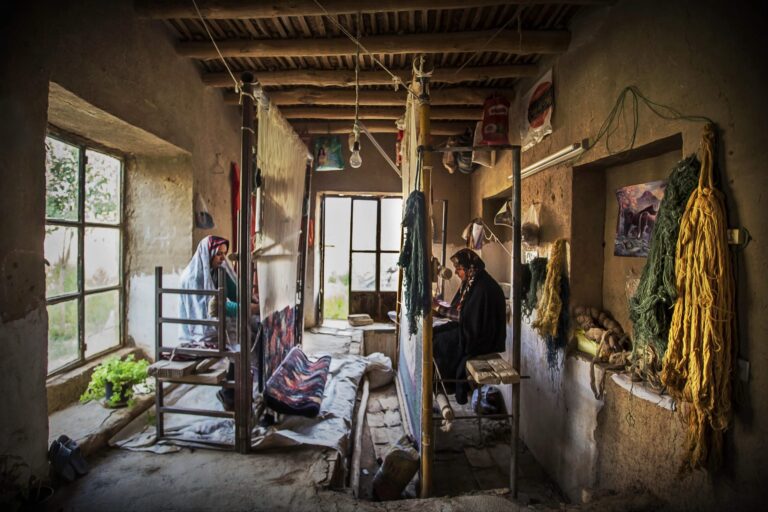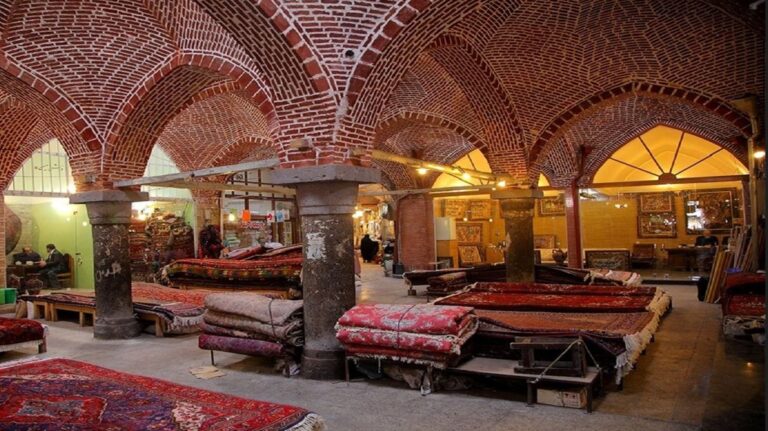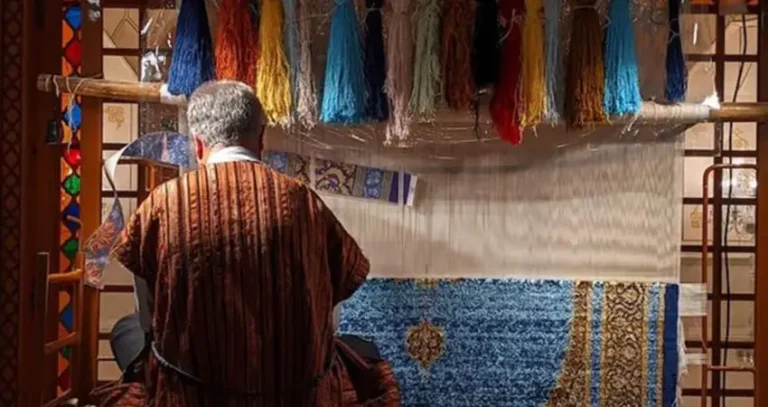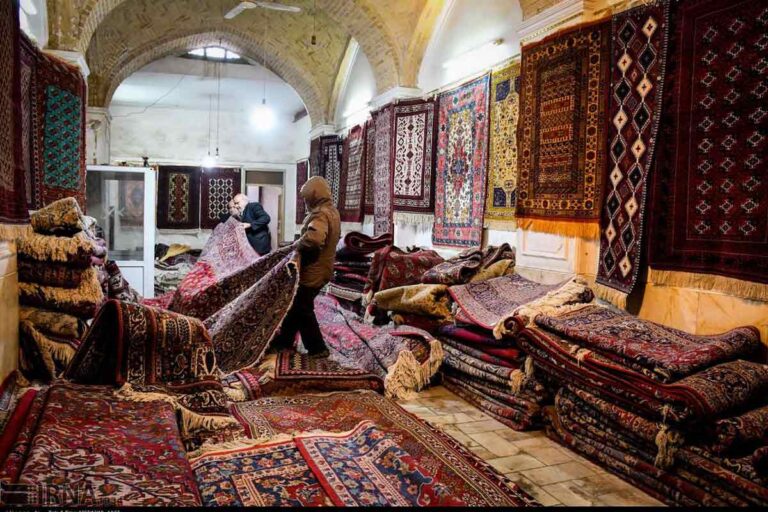
When people think of investments, they often think of stocks, gold, or property. But among collectors, interior designers, and antique dealers, Persian carpets have quietly remained one of the most stable, beautiful, and long-lasting investments in the world. And in 2025, Iran offers an unmatched opportunity to buy these handmade treasures at exceptional prices.
1. Persian Carpets Hold Their Value
Unlike mass-produced rugs, handwoven Persian carpets appreciate over time — especially those made from natural dyes, silk foundations, and by recognized weavers. A silk carpet from Qom or a high-knot Isfahan piece not only decorates your home but becomes more desirable with age. Some 30- to 50-year-old rugs are now selling for 2–5 times their original value.
Even modest wool rugs, if well maintained, retain most of their value — and in some cases, increase in resale markets abroad.
2. Iran’s Domestic Prices Remain Lower Than Global Averages
Due to currency fluctuations and local sourcing, buying a Persian carpet in Iran costs significantly less than buying the same rug abroad. For example:
A 2×3 meter wool rug in Isfahan: $1,200–1,800 in Iran, but $4,000–6,000 in the U.S.
A pure silk Qom carpet (1×1.5m): $2,500–3,500 in Iran, but $7,000–10,000 internationally
For anyone looking to purchase a cultural asset that also holds monetary value, buying directly in Iran offers a huge price advantage.
3. It’s a Tangible Asset That You Can Use
Unlike digital investments or stored valuables, a carpet is a functional piece of art. You can walk on it, display it, and even pass it down. It doesn’t lose relevance with trends — in fact, its value grows with time, especially if the weaver is known or the pattern becomes rare.
4. Growing Global Demand
There’s a rising global interest in authentic, sustainable, handcrafted items — and Persian rugs check every box. As machine-made decor becomes more common, collectors and homeowners are looking for authenticity. This scarcity drives demand, particularly for older, signed, or region-specific carpets.
Collectors are especially seeking:
Silk rugs from Qom
Blue-ground carpets from Isfahan
Curvilinear floral rugs from Kashan
Geometric tribal pieces from Shiraz, Lori, and Baluch regions
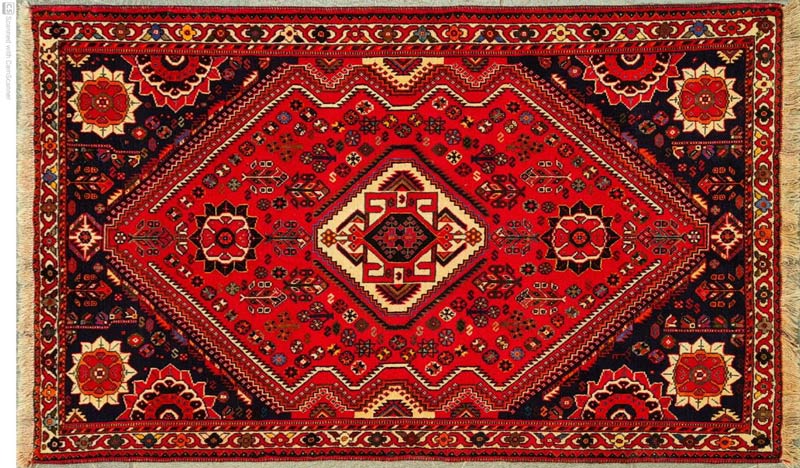
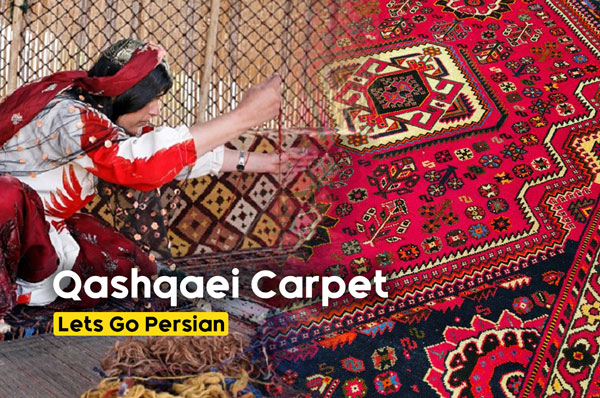
Qashqaei Carpet
5. Low Risk, High Sentimental Value
Even if your rug never enters an auction or collector’s hands, you’ve still gained a timeless centerpiece — made by human hands, telling a regional story, and lasting decades. There are few “investments” you can enjoy under your feet every day.