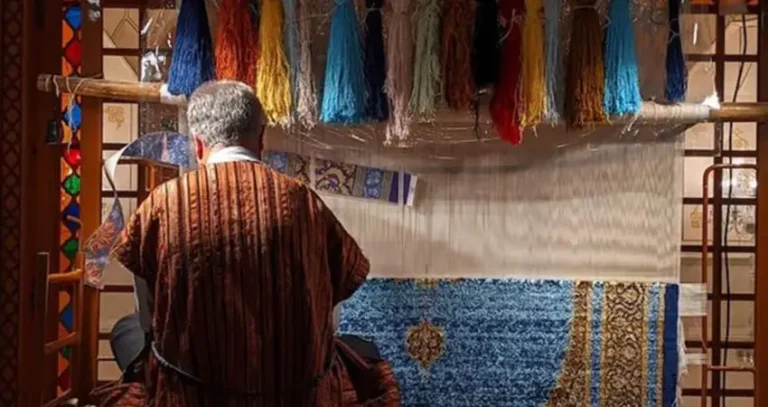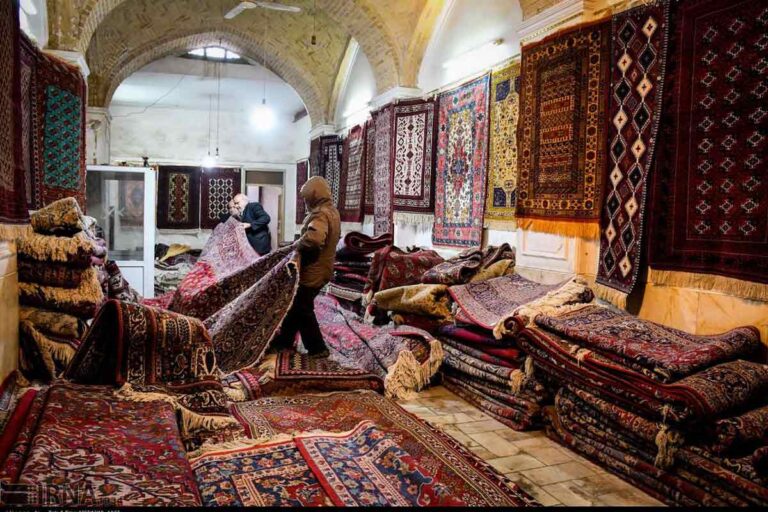
Persian carpets are renowned for their intricate designs, each rich in symbolism and meaning. The traditional motifs found in these carpets are not just decorative; they carry deep cultural, spiritual, and historical significance. Understanding these designs provides a window into Persian culture, allowing us to appreciate the deeper layers of meaning woven into each piece. In this blog post, we will explore and decode the most common motifs and designs found in Persian carpets.
Floral and Garden Motifs
The Garden of Paradise
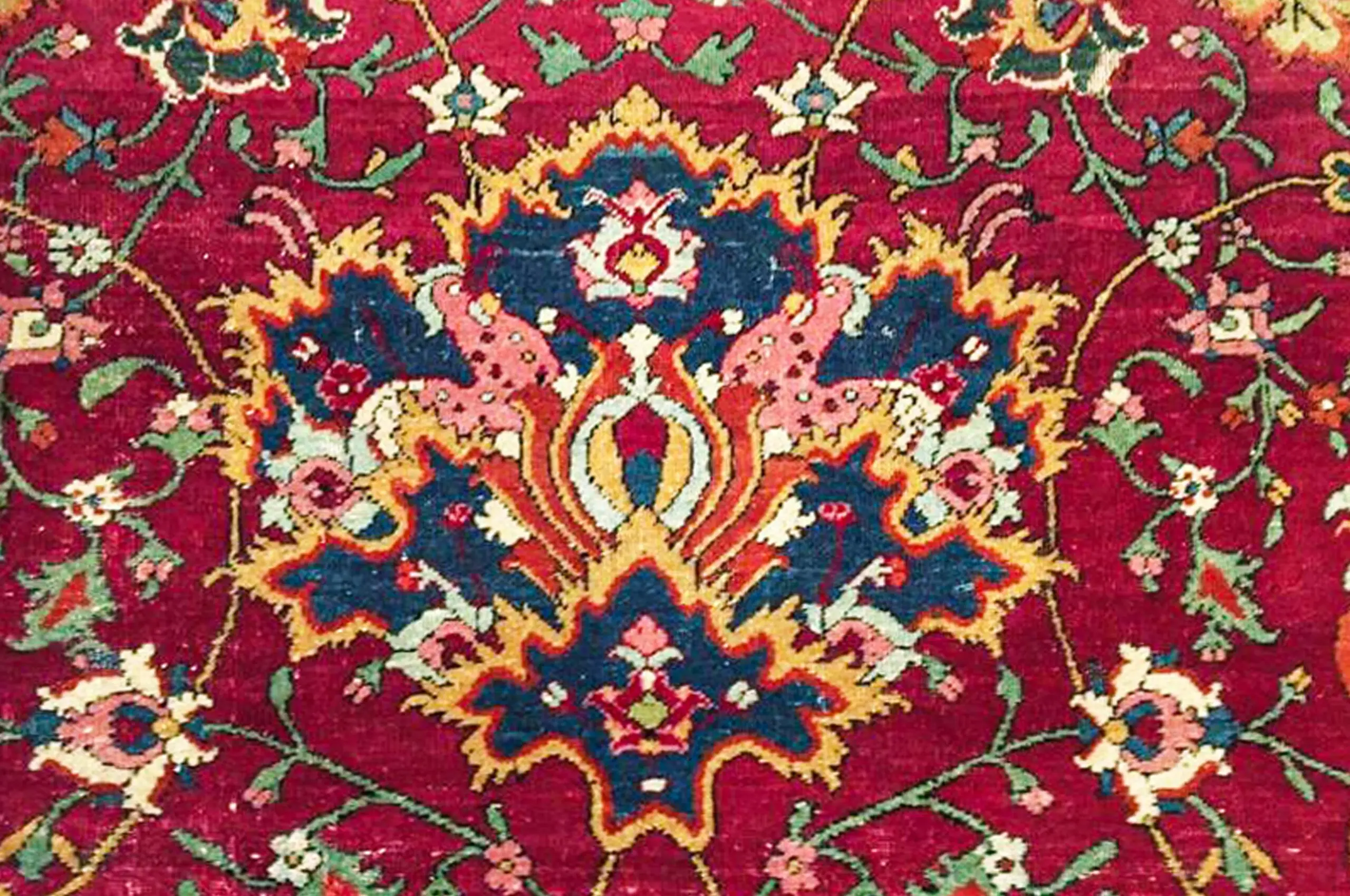
Floral patterns are among the most iconic designs in Persian carpets, symbolizing the Garden of Paradise as described in Persian poetry and mythology.
- Boteh (Paisley): This flame-like motif, often called the Persian paisley, is thought to represent a cypress tree—a symbol of immortality and life.
- Shah Abbasi Flower: Named after Shah Abbas I, this elegant floral motif represents eternity and beauty. It is commonly found in medallion or all-over designs.
- Lotus Flower: Symbolizing rebirth and spiritual awakening, the lotus is frequently used on the borders of carpets.
Tree of Life
The Tree of Life is one of the most revered motifs in Persian carpets, symbolizing the connection between earth, heaven, and the afterlife. This design often features a central tree with branches reaching upwards, adorned with birds and flowers.
- Cypress Tree: A recurring symbol of immortality, particularly in Persian gardens, often combined with other floral motifs.
- Fruit-bearing Trees: These symbolize fertility and abundance, with fruits like pomegranates representing prosperity and fertility.

Geometric and Tribal Motifs
Symbolism in Tribal Carpets
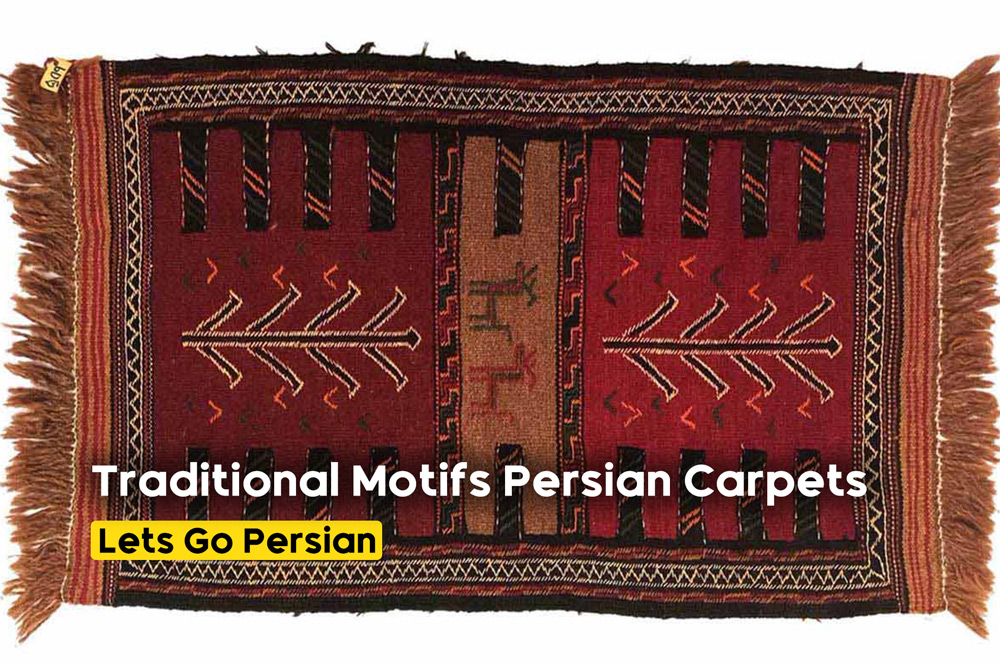
Many tribal carpets feature geometric designs that convey protection, faith, and strength. Nomadic weavers, in particular, favored these motifs because they could be woven quickly and memorized easily.
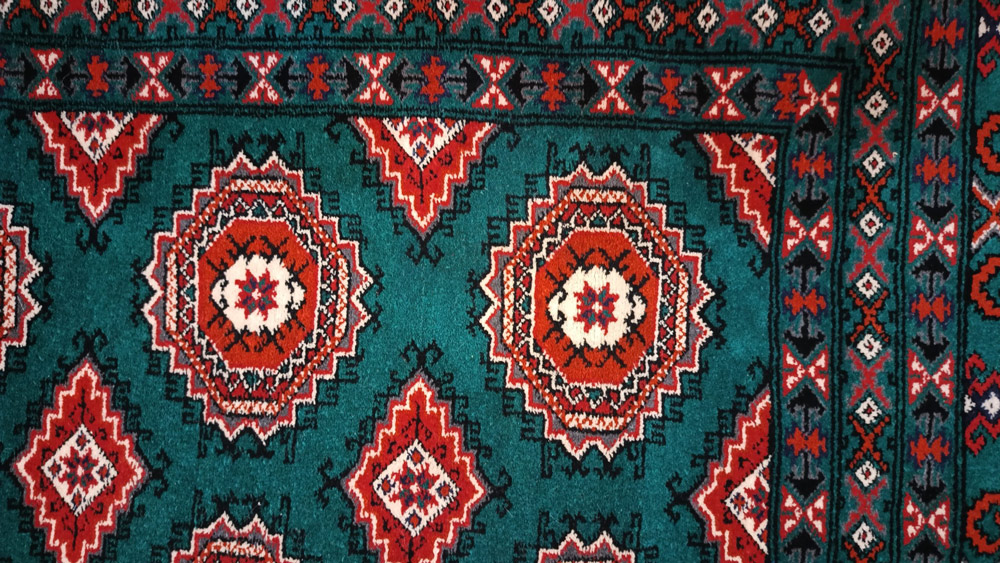
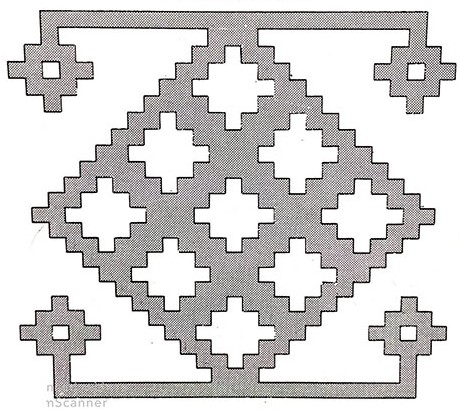
- Diamond Shapes: Often symbolizing the eye or protection against evil, these shapes are found in many tribal designs.
- Crossed Lines: Representing unity and balance, these intersecting lines are often used in borders or centerpieces.
- Stars and Hexagons: These geometric patterns symbolize spiritual protection and harmony.
The Gol (Flower) Motif
Tribal carpets often incorporate the Gol motif, a flower-like symbol that varies in form from region to region. Each tribe or region typically has its version of this motif, making it a distinctive signature.
- Turkmen Guls: These geometric floral motifs are common in Turkmen carpets, each representing different tribes or regions.
- Hexagonal Gol: Found in Baluchi and other tribal carpets, this motif is often used to indicate protection and strength.
Medallion Patterns
The Central Medallion
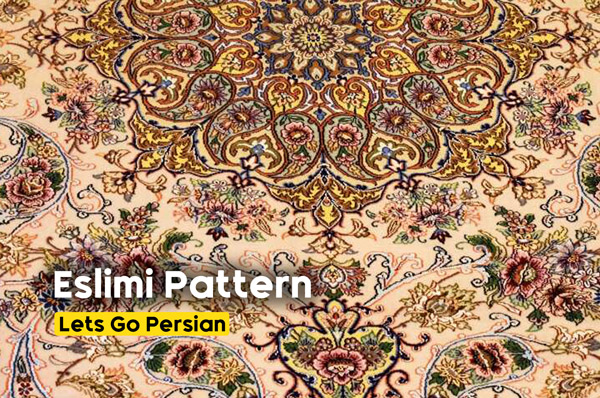
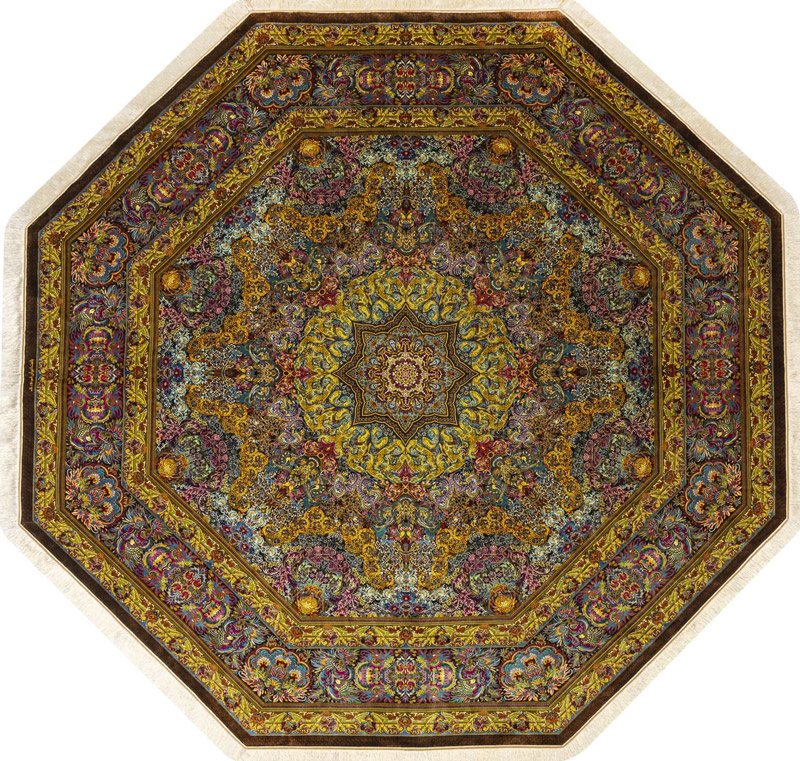
The medallion is one of the most common motifs in Persian carpets, often occupying the center of the design. It is symbolic of the sun or the universe, radiating outward to fill the entire space with meaning and beauty.
- Circular Medallion: Representing the heavens or the cosmos, the circular medallion is usually surrounded by smaller motifs, symbolizing the various elements of life.
- Star Medallion: This variation symbolizes spiritual enlightenment and divine order.
Corner Medallions
In some Persian carpets, medallions also appear in the corners, complementing the central design. These can represent the four corners of the world, indicating a sense of completeness and balance.
Animal Motifs
Symbolic Representation of Animals
Persian carpets often feature animals, each with a unique symbolism derived from Persian mythology and literature.
- Lions: Known as the symbol of power and courage, lions are often depicted in royal carpets, representing strength and protection.
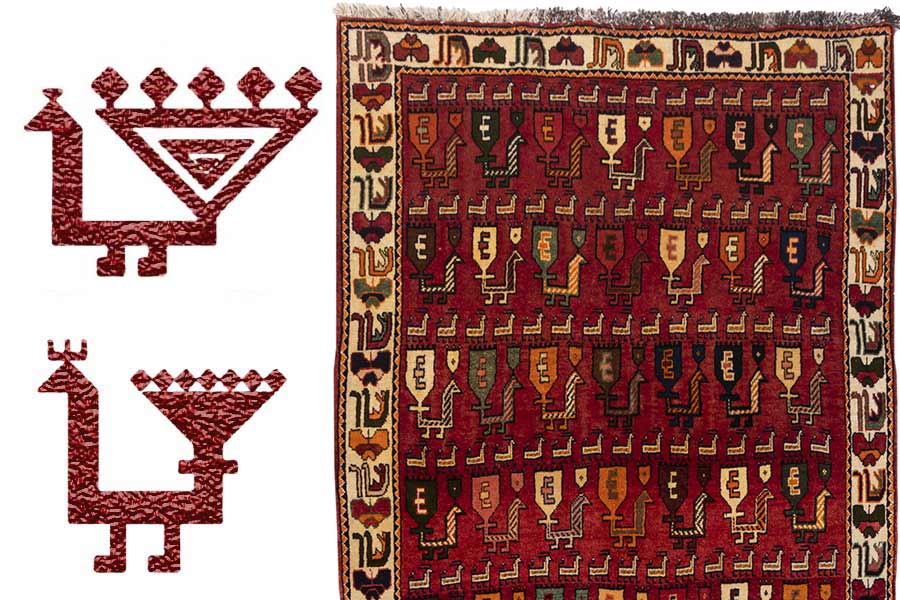
- Peacocks: The peacock is a symbol of immortality and beauty, with its intricate feathers often mirrored in the designs of the carpet.
- Birds: Birds such as nightingales and pheasants often appear in Persian carpets, symbolizing love, freedom, and happiness. In some designs, birds are shown perched on trees, evoking a sense of paradise.
Mythological Creatures
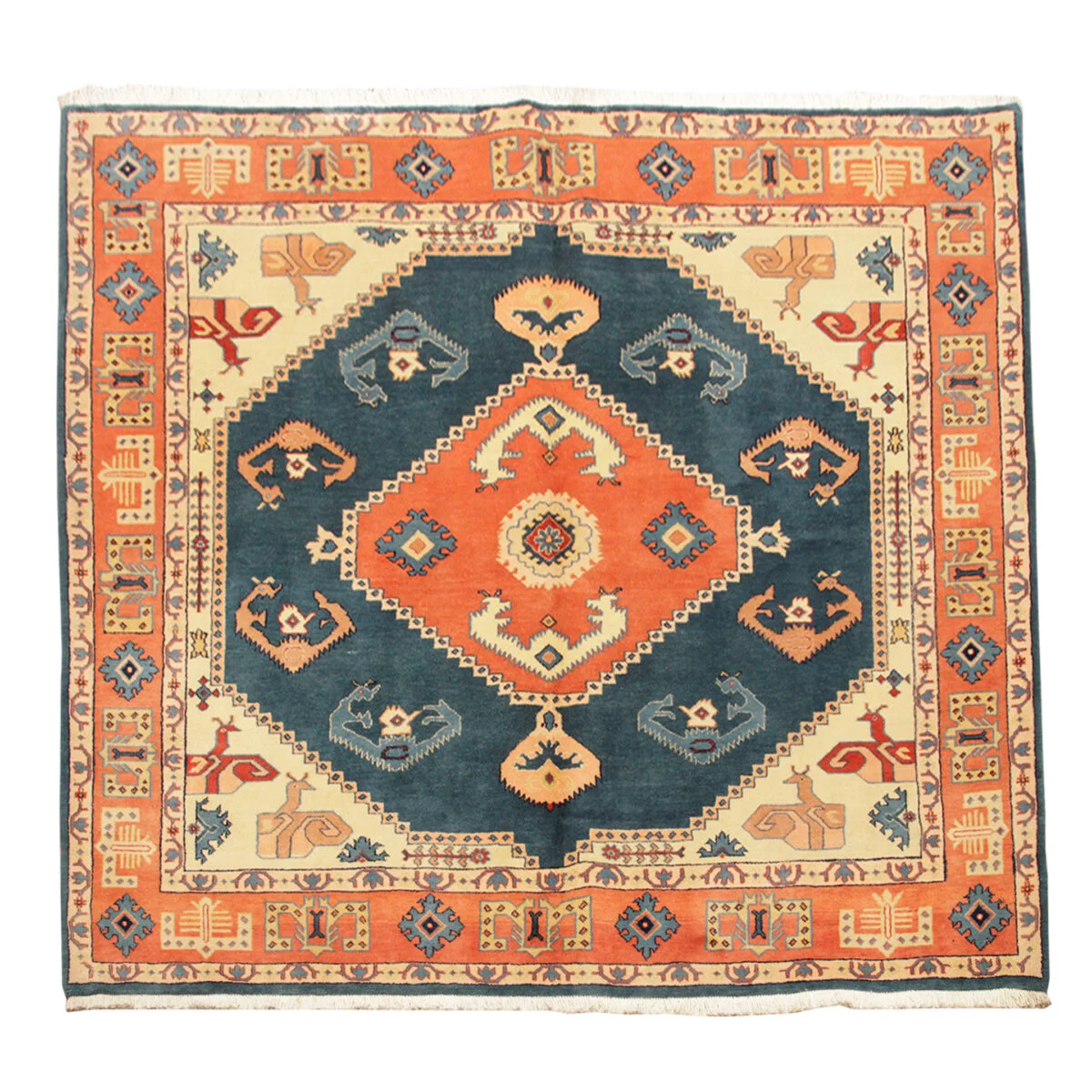
In addition to real animals, Persian carpets also depict mythical creatures.
- Simurgh: This legendary bird represents healing and protection, often appearing in carpets designed for royalty.
- Dragons: Symbolizing power and wisdom, dragons may be intertwined with floral patterns or placed in battle scenes.
Religious and Spiritual Motifs
Mihrab (Prayer Niche)
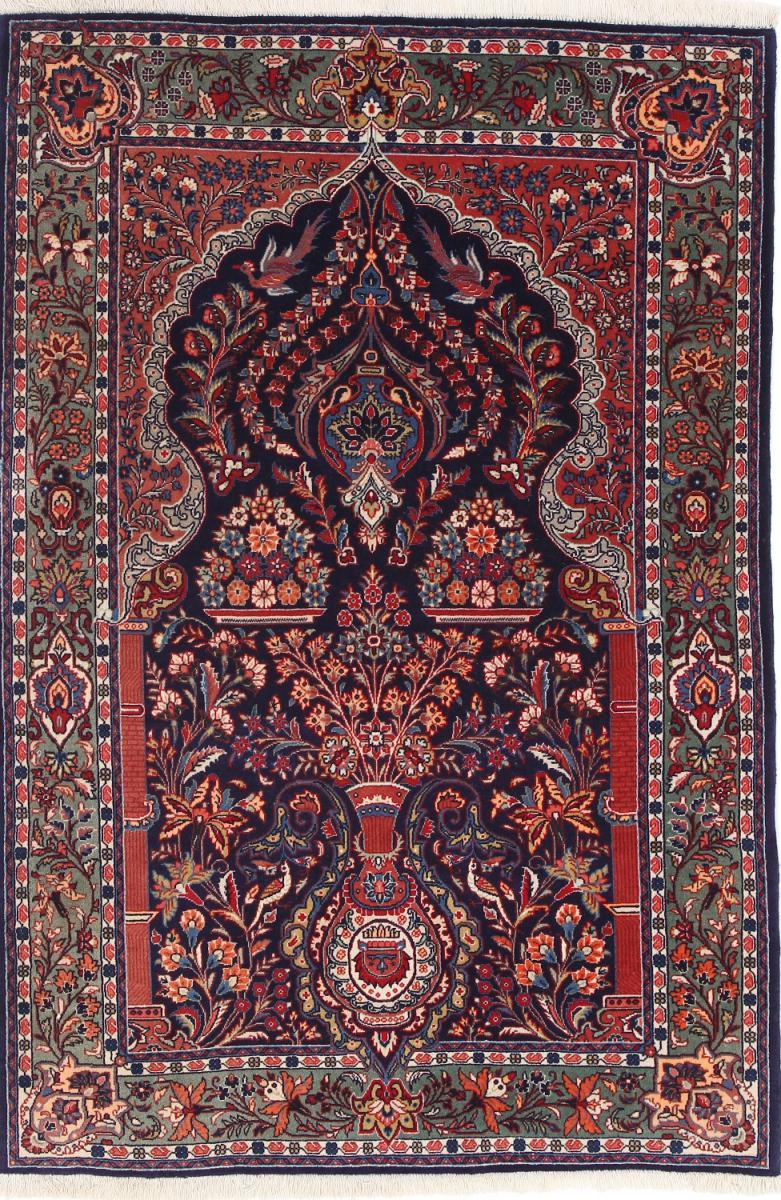
The Mihrab design, commonly found in prayer rugs, represents the prayer niche of a mosque, indicating the direction of Mecca. These rugs are used for religious purposes and often feature arches, lamps, and floral decorations.
- Arches: Representing the entrance to sacred space and the spiritual realm.
- Lamps: Symbolizing guidance and enlightenment, often placed hanging from the arch of the mihrab.
Calligraphy and Religious Symbols
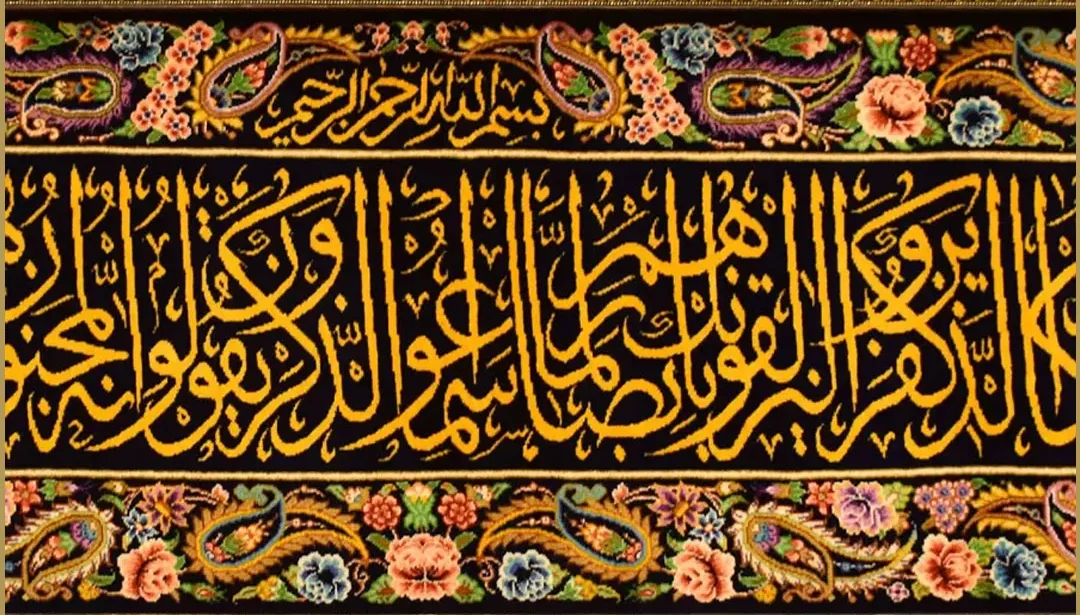
Some Persian carpets incorporate calligraphy, especially verses from the Quran or poetry. These inscriptions can be found on borders or in the main body of the carpet, adding layers of spiritual and intellectual meaning.
- Islamic Calligraphy: Often woven in a stylized, abstract form, adding both artistic beauty and religious reverence to the design.
- Rosette Motifs: Representing divine light, these round flower-like patterns are sometimes used in prayer rugs or medallion designs.
Borders and Guard Stripes
Protection and Framing
The borders of Persian carpets serve a practical purpose, framing the central design and keeping it intact. However, they are also rich in symbolism, often representing protection and continuity.
- Running Water Motif: This wavy line pattern symbolizes life and eternal flow, often placed in borders to signify the protection of the main design.
- Herati Pattern: Consisting of a diamond shape surrounded by four leaves, this pattern is found in borders or all-over designs and symbolizes balance and fertility.
Regional Variations in Motifs
Tabriz Carpets
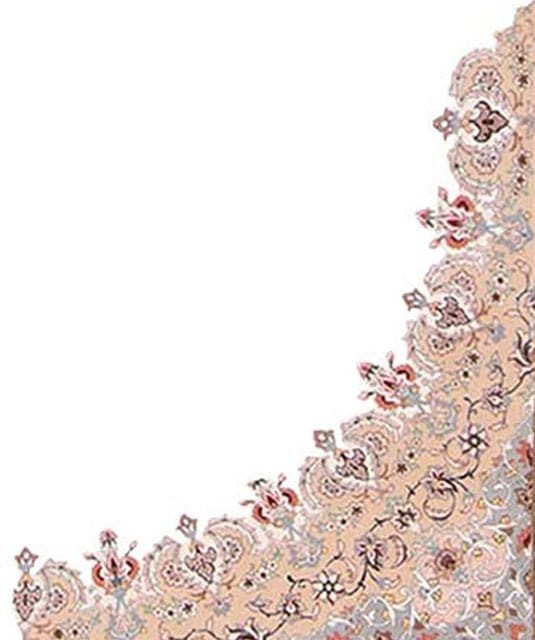
Tabriz carpets are known for their elegant medallion designs and detailed floral motifs. These carpets often incorporate intricate shading techniques, creating a sense of depth and movement.
- Medallions and Corner Pieces: These are typically large, with elaborate detail and balanced symmetry.
Kashan Carpets
Kashan carpets are famous for their floral motifs and vibrant colors, often using deep blues and reds.
- Vases and Garden Themes: These carpets frequently depict paradise gardens, with detailed trees, flowers, and animals.
Qashqai Carpets
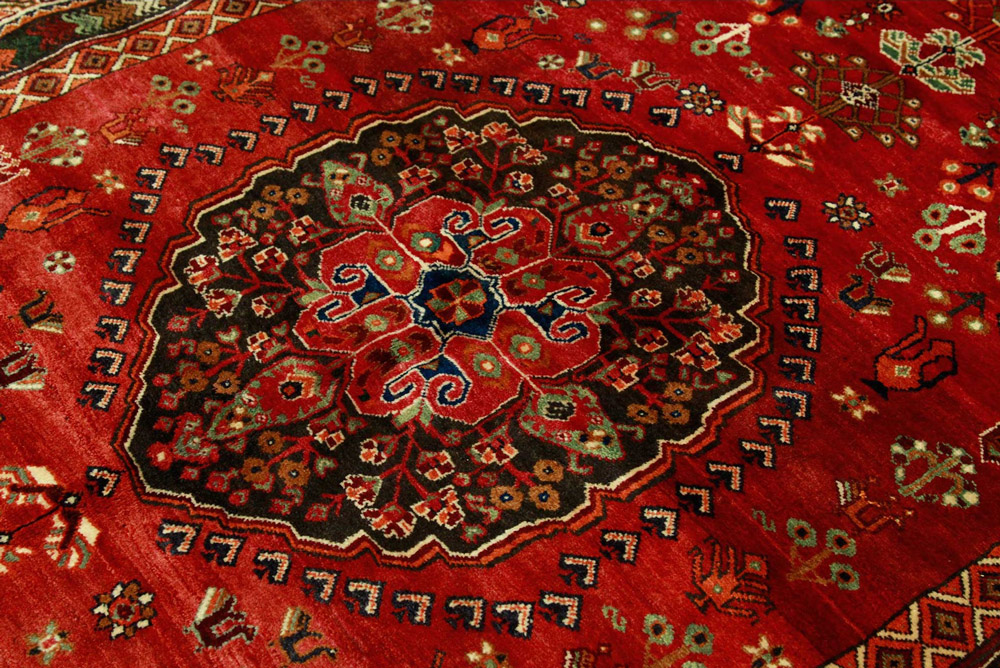
Qashqai carpets, woven by the nomadic Qashqai tribe, are known for their geometric patterns and bold colors.
- Stars and Diamonds: These motifs reflect the tribe’s connection to the natural world and spiritual protection.
Conclusion
The traditional motifs and designs in Persian carpets are a reflection of the cultural, religious, and artistic heritage of Iran. From floral patterns symbolizing the Garden of Paradise to geometric shapes that protect against evil, each motif carries a meaning rooted in centuries of tradition. By decoding these designs, we gain a deeper understanding of the symbolic language woven into these magnificent works of art, appreciating not just their beauty but also the stories they tell.