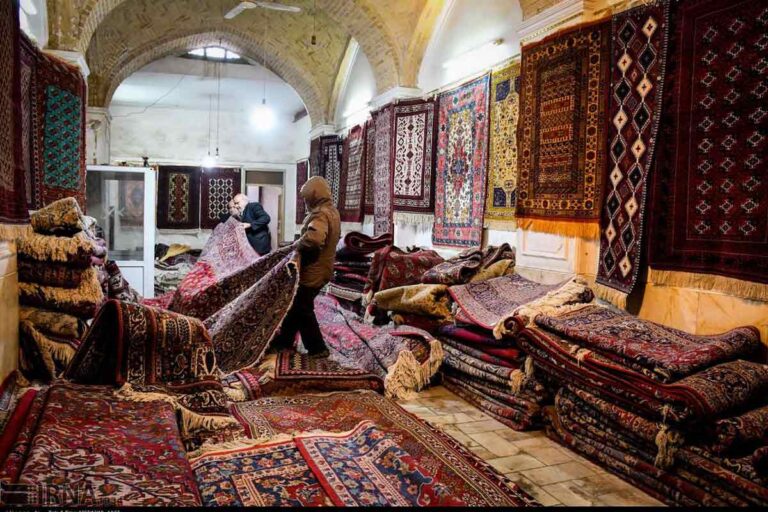


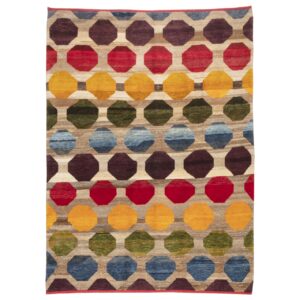
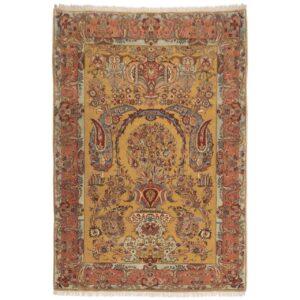


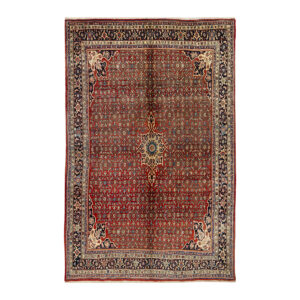
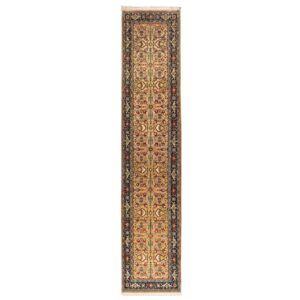


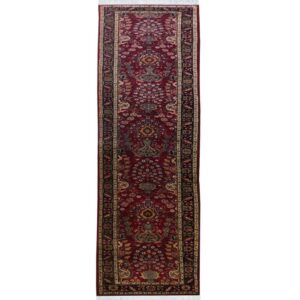

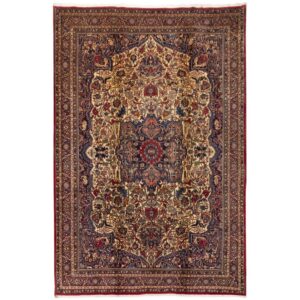
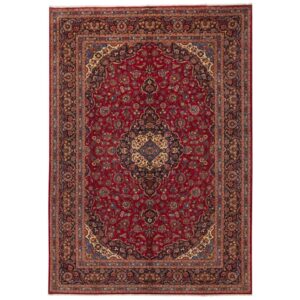
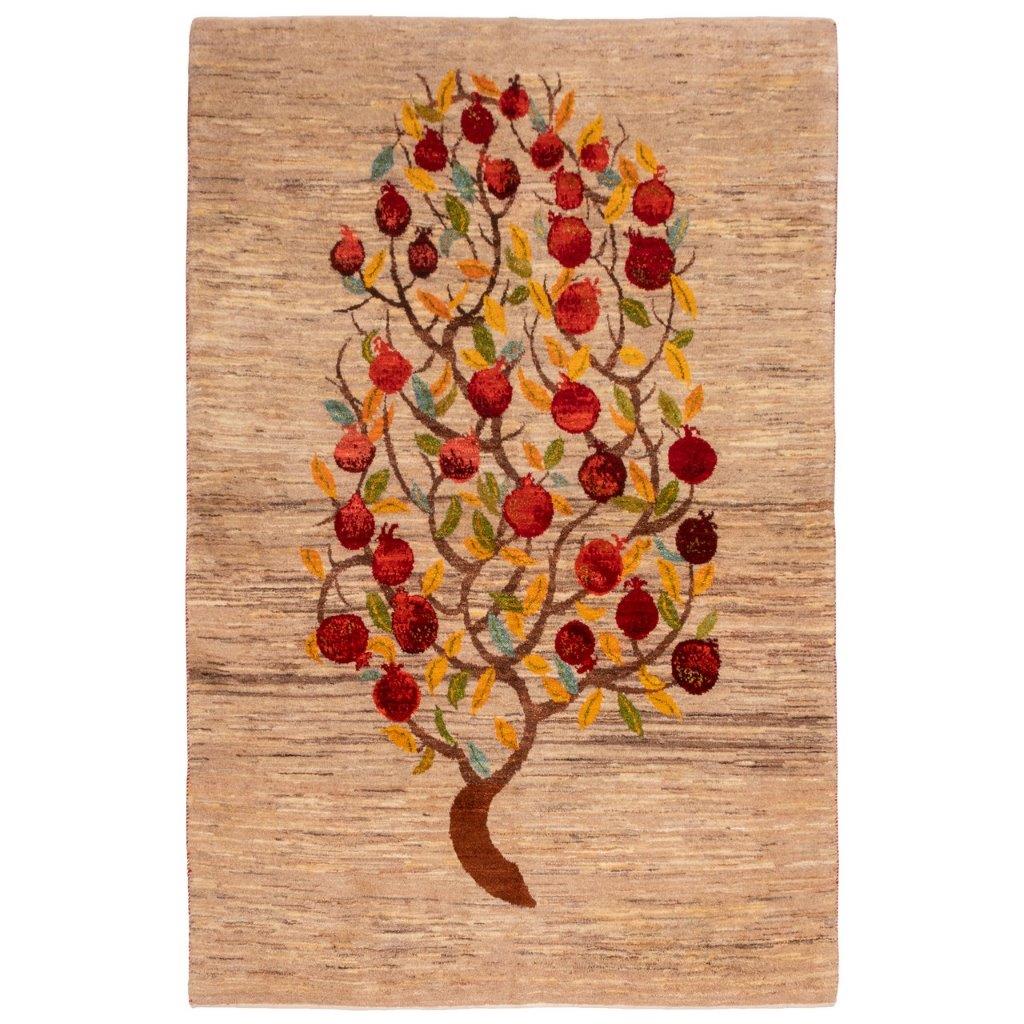
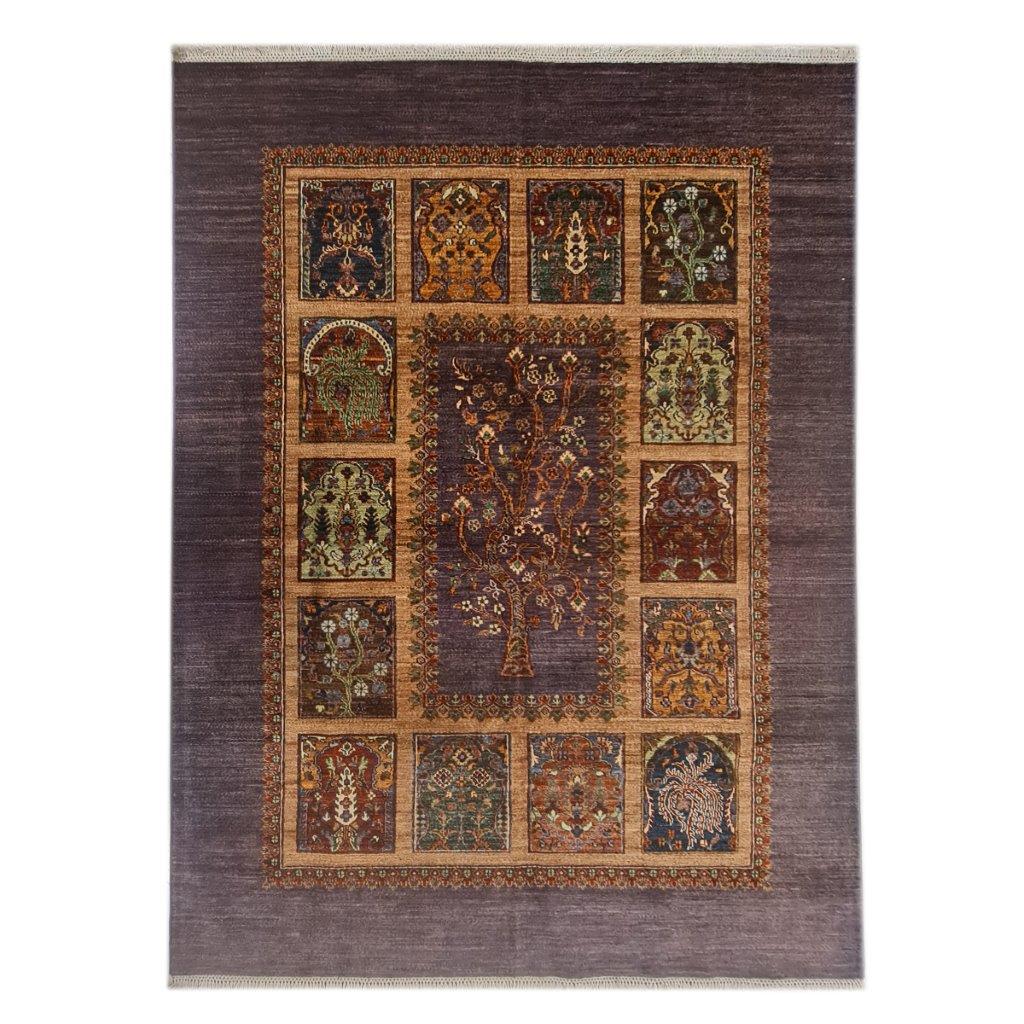
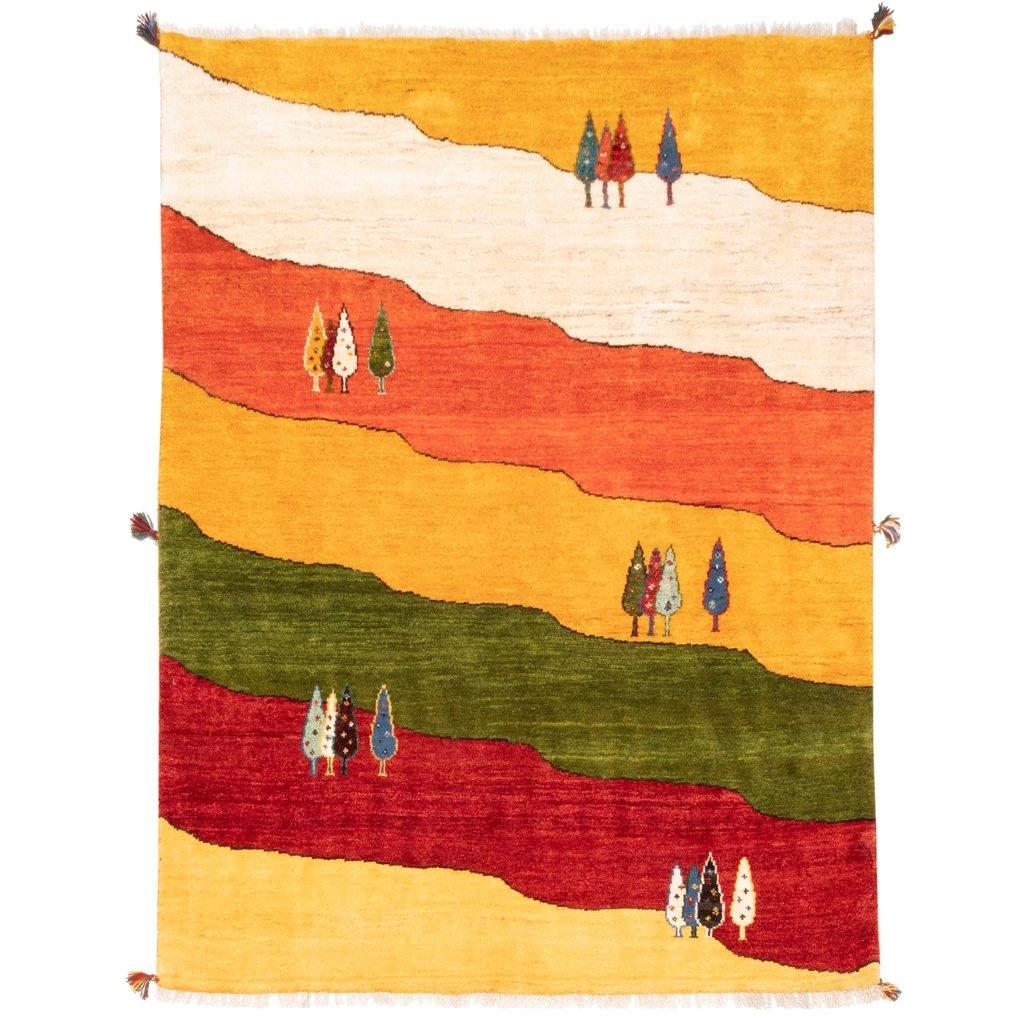
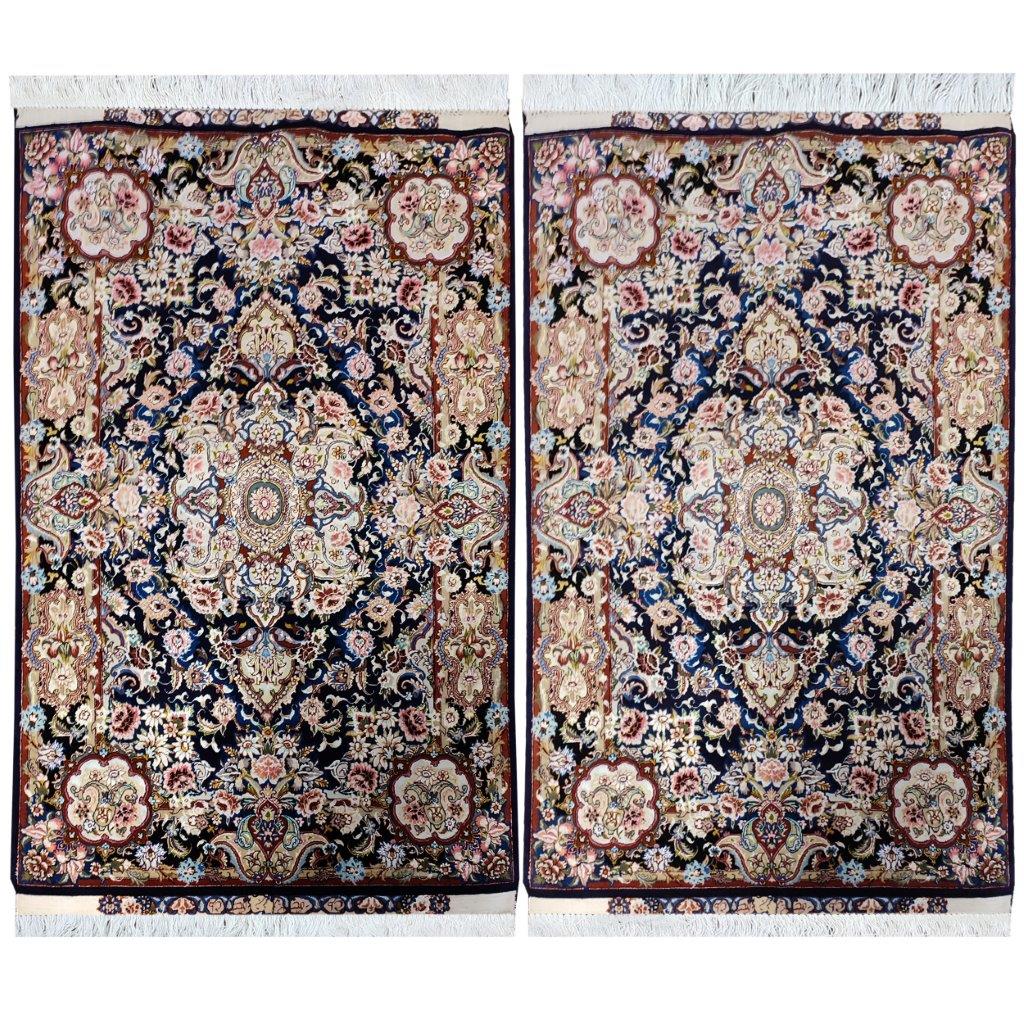
South Korea has a strong appreciation for refined design, careful craftsmanship, premium materials, and objects with a distinctive cultural story. These qualities make authentic Persian carpets a natural addition to Korean homes, offices, hospitality spaces, and contemporary interiors.
From sophisticated apartments in Seoul to spacious residences in Busan, modern homes in Incheon, and boutique properties on Jeju Island, Persian carpets can introduce warmth, texture, and artistic character without compromising the clean aesthetic often associated with Korean interior design.
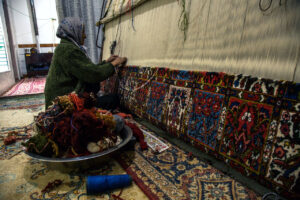
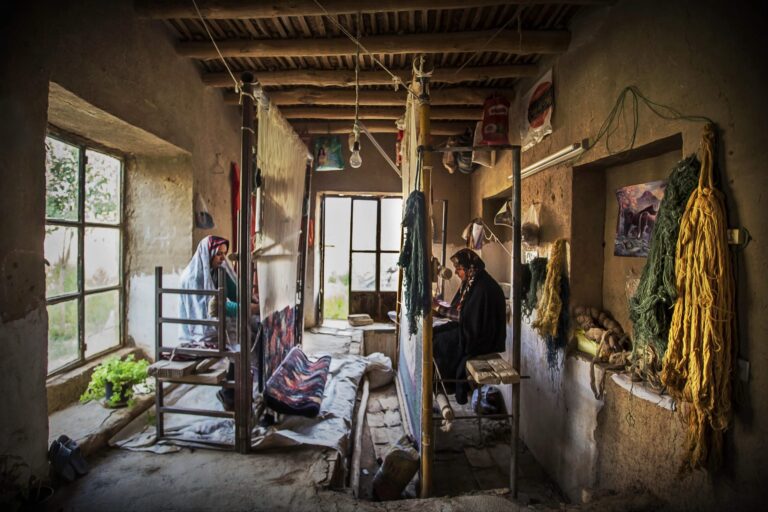
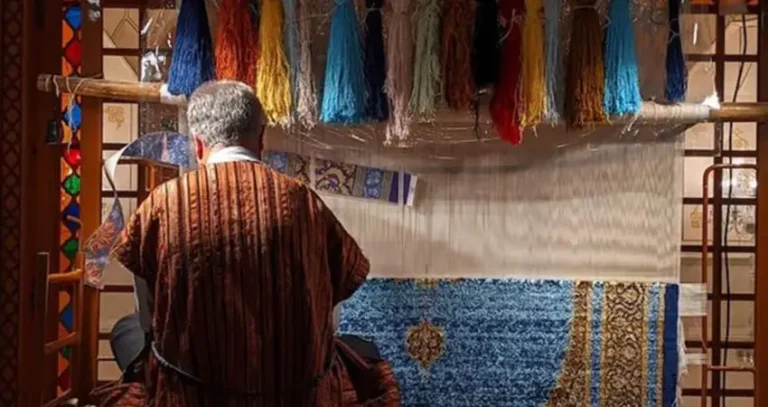
Unlike mass-produced floor coverings, a handmade Persian carpet carries the character of its weaving tradition. Every piece combines traditional craftsmanship, natural materials, regional design, and individual variation, making it both a practical furnishing and a piece of decorative art.
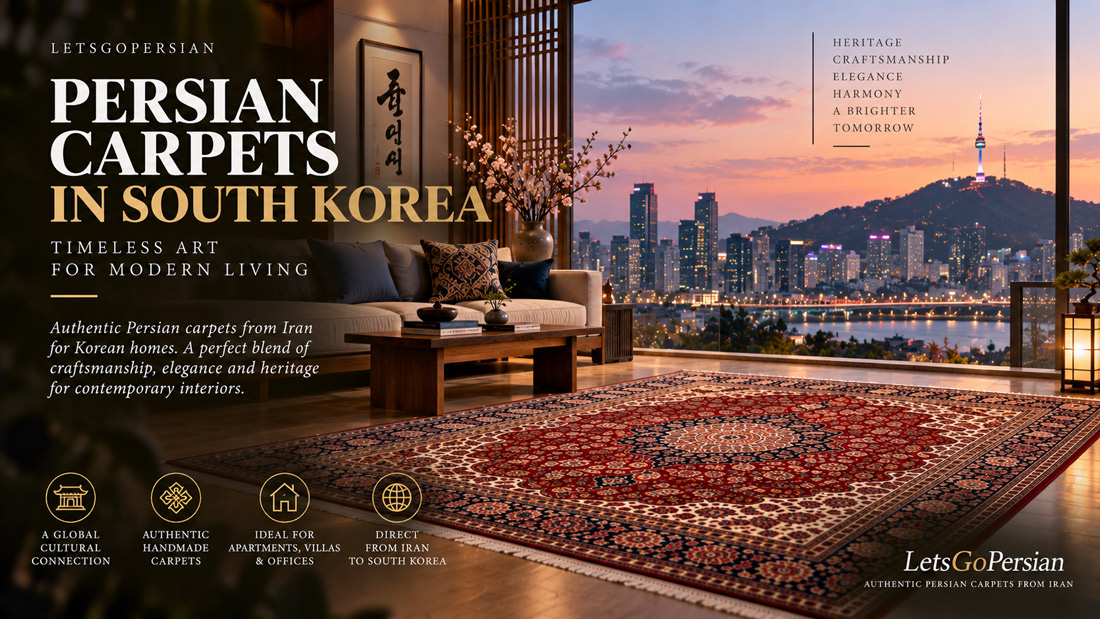
Why Persian Carpets Appeal to Korean Buyers
A Natural Connection Between Two Craft Traditions
Korean design culture places considerable value on precision, balance, quality materials, and craftsmanship. Persian carpet weaving shares many of these principles.
- Handmade craftsmanship: Each carpet is created knot by knot rather than through mass production.
- Natural materials: Wool, silk, and cotton provide distinctive texture, durability, and visual depth.
- Detailed design: Persian weaving traditions allow extremely complex patterns and carefully balanced compositions.
- Individual character: Handmade carpets naturally contain subtle variations that make each piece distinctive.
- Long-term appeal: A well-made Persian carpet can remain part of an interior for decades.
Persian Carpets and Korean Minimalism
Contemporary Korean interiors often use natural wood, neutral walls, stone, simple furniture, and carefully controlled decoration. A Persian carpet can introduce the color and texture needed to give these restrained spaces more personality.
Rather than filling the room with decorative objects, homeowners can use one carefully selected carpet as a visual focal point. This approach allows traditional Persian craftsmanship to complement rather than overwhelm modern Korean design.
Choosing the Right Persian Carpet for a Korean Home
The best Persian carpet for a Korean interior depends on the size of the room, furniture arrangement, flooring, natural light, and desired atmosphere. Different Persian weaving traditions can create very different results.
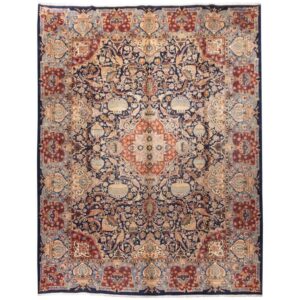
Mashhad Persian Carpets
Mashhad carpets are known for their elaborate designs and rich Persian character. They can be an excellent choice for larger living rooms, formal interiors, and homes where the carpet is intended to become a significant decorative feature.
Their detailed compositions can work especially well when the surrounding furniture is relatively simple, allowing the carpet to provide the room’s main visual interest.

Senneh Persian Carpets
Senneh carpets offer a distinctive alternative for buyers looking beyond the most commonly encountered Persian styles. Their traditional Kurdish weaving character and detailed patterns can bring an artisanal atmosphere to contemporary Korean interiors.
A Senneh carpet can be particularly effective in a room where natural wood, neutral furniture, and handcrafted decorative elements are already part of the design.

Shiraz Persian Carpets
Shiraz carpets can suit buyers who prefer a more relaxed and expressive Persian aesthetic. Their regional character makes them particularly interesting for contemporary homes, creative studios, reading rooms, and interiors that combine modern furniture with traditional textiles.
For Korean buyers who want a Persian carpet that feels artistic rather than overly formal, a Shiraz piece can provide an appealing balance of craftsmanship and individuality.

Moud Persian Rugs
Moud carpets are another option for buyers interested in refined Persian weaving traditions. Their detailed compositions can work beautifully in elegant living rooms and interiors where the carpet needs to provide visual depth without making the space feel excessively decorated.
They can also complement Korean interiors that combine contemporary furniture with traditional or handcrafted accents.
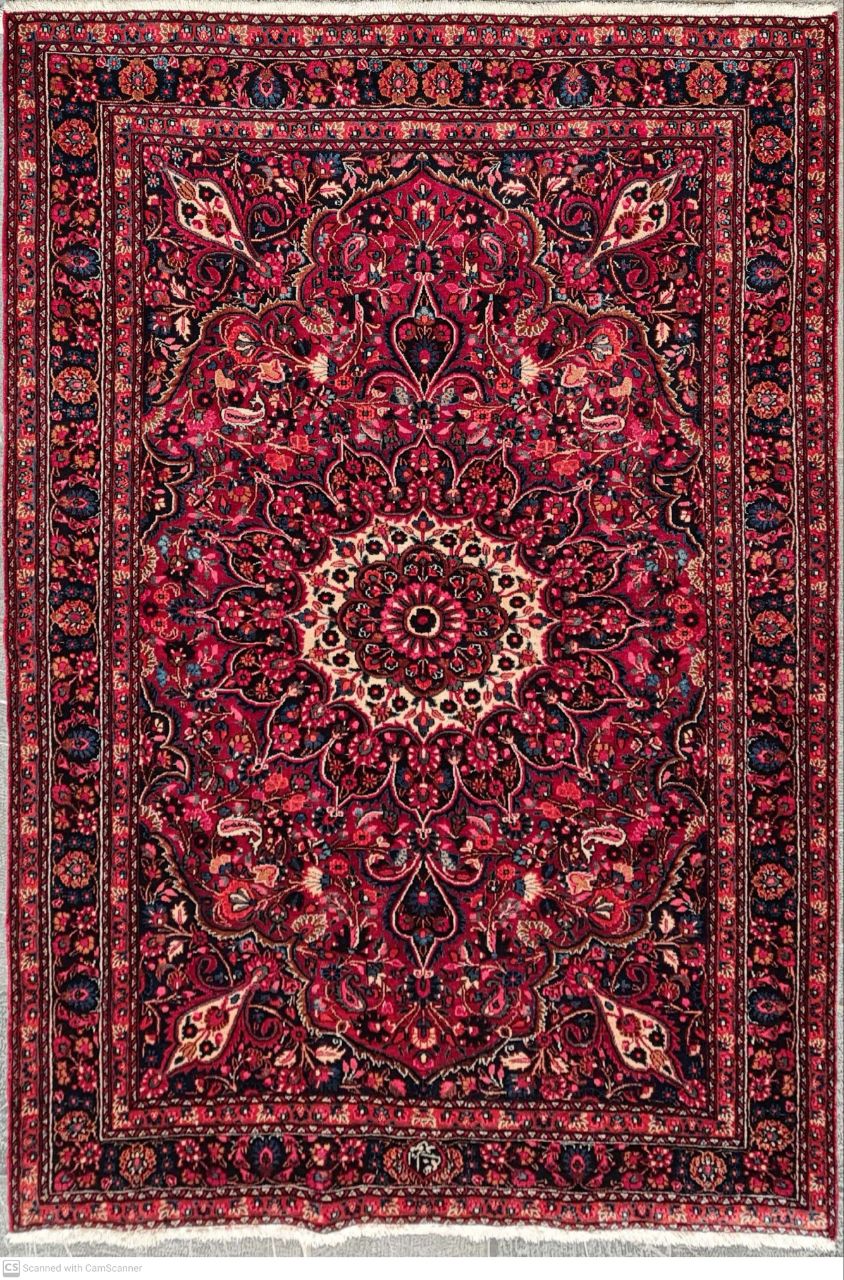
Qom Persian Carpets
Qom is particularly associated with finely detailed Persian carpets and sophisticated silk weaving. These carpets can be suitable for collectors, luxury residences, executive interiors, and spaces where intricate craftsmanship is a central part of the design.
The fine detail of Qom carpets makes them especially attractive when displayed in an uncluttered room where their craftsmanship can be appreciated properly.

Persian Carpets in Seoul Apartments
Seoul’s residential interiors often combine limited floor space with carefully considered furniture and strong attention to visual simplicity. This makes proportion especially important when choosing a Persian carpet.
A well-sized rug can connect the sofa, coffee table, and surrounding furniture into one cohesive arrangement. Instead of selecting the largest carpet available, Korean homeowners should focus on how the rug relates to the dimensions of the room and the position of the furniture.
For minimalist apartments, a carpet with a balanced pattern can provide character without making the space feel crowded. In larger living rooms, a more detailed Persian design can become the central visual element.
Expert Tip
In a minimalist Seoul apartment, let the Persian carpet provide most of the room’s pattern and keep surrounding furniture and accessories relatively restrained. This creates contrast while preserving the clean character of the interior.
Persian Carpets for Modern Korean Interiors
Persian carpets can work particularly well with the materials commonly found in contemporary Korean homes.
- Natural oak and light wood: Warm Persian colors create a natural connection with wooden surfaces.
- Stone flooring: A handmade rug softens hard surfaces and adds texture.
- Neutral sofas: Persian patterns can provide contrast without requiring additional decorative elements.
- Minimalist furniture: A traditional carpet can introduce artistic depth into a simple room.
- Contemporary artwork: The contrast between modern art and traditional Persian weaving can create a sophisticated collected interior.
This combination allows Korean homeowners to use Persian carpets without turning a contemporary interior into a traditionally styled room.
Persian Carpets for Luxury Homes in Busan and Incheon
Large residences and luxury apartments in Busan, Incheon, and surrounding metropolitan areas can provide more space for substantial Persian carpets.
In these environments, the carpet can help define separate areas within an open-plan interior. A large handmade rug beneath a seating arrangement can visually establish the living area while maintaining continuity with the rest of the room.
For spacious properties, the scale of the carpet is particularly important. A small rug can disappear within a large room, while a properly proportioned carpet can give the entire space a stronger sense of structure.
Persian Carpets for Korean Offices and Hospitality Spaces
Persian carpets are not limited to residential interiors. Their craftsmanship and distinctive appearance can also make them suitable for executive offices, boutique hotels, restaurants, galleries, and high-end commercial spaces.
In an office environment, a carefully selected Persian carpet can soften modern materials such as glass, metal, concrete, and polished stone. In hospitality interiors, it can contribute a sense of warmth and individuality that standard commercial carpeting often lacks.
For these applications, durability, maintenance requirements, dimensions, and traffic levels should be considered alongside visual appearance.
Persian Carpets for Jeju Island Homes
Homes and hospitality properties on Jeju Island often emphasize natural materials, relaxed spaces, large windows, and a strong relationship with the surrounding landscape.
A Persian carpet can work particularly well in this setting when paired with wood, stone, neutral upholstery, and simple decorative objects. A handmade rug introduces an additional layer of texture while maintaining the natural and sophisticated character of the interior.
For relaxed properties, buyers may prefer carpets with a more expressive regional character, while luxury villas can accommodate more finely detailed pieces.
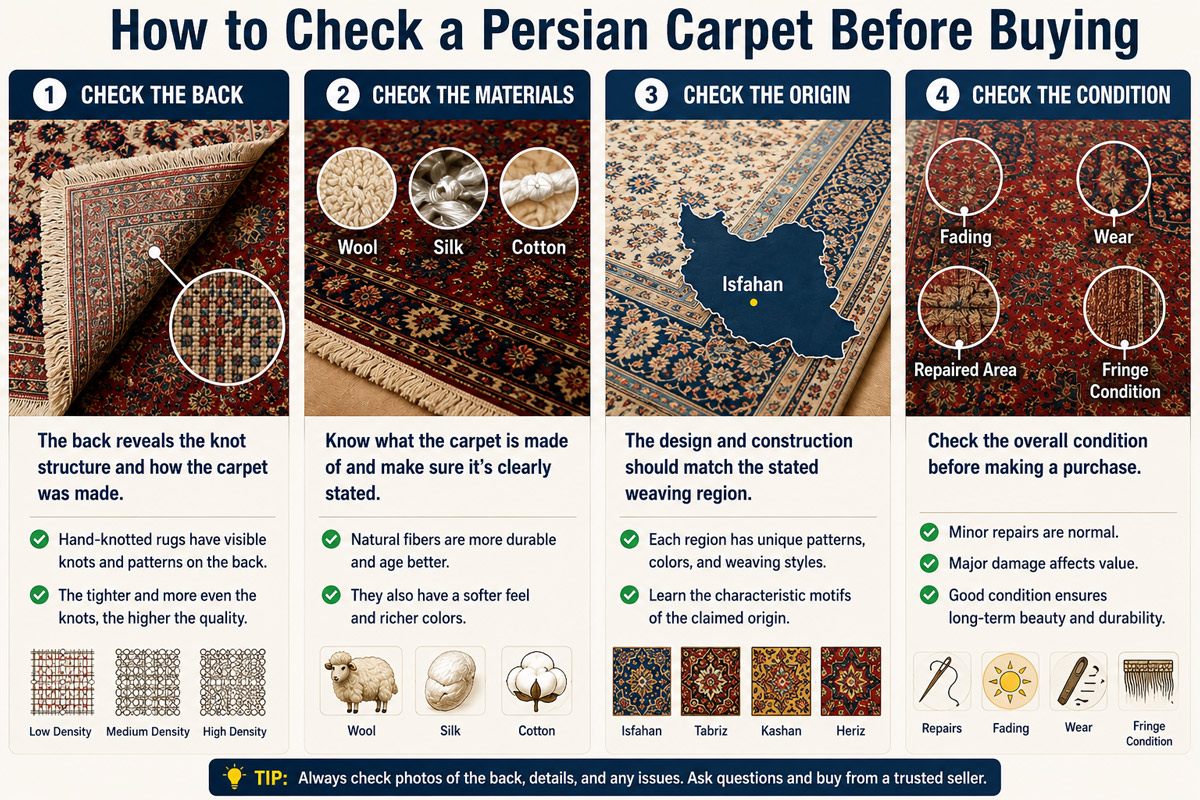
How to Identify an Authentic Persian Carpet
Examine the Reverse Side
Turn the carpet over and examine the knots. Handmade Persian carpets should reveal individual knot structures rather than the uniform backing commonly associated with machine-made rugs.
Check the Materials
Traditional Persian carpets are commonly made from wool, silk, cotton, or combinations of these materials. Ask specifically about the materials used in the pile and foundation.
Look for Regional Characteristics
Persian carpet-producing regions have developed different design traditions, weaving techniques, color palettes, and compositions. Knowing the claimed regional origin can help buyers understand what they are purchasing.
Do Not Judge Quality by Knot Count Alone
Knot density can provide useful information about a carpet’s construction, but it should not be treated as the only measure of quality. Materials, craftsmanship, design, condition, construction, and regional character are also important.
Ask About Origin and Condition
When buying a valuable carpet, request clear information about its origin, age if known, materials, dimensions, construction, and condition. For older carpets, ask specifically about repairs, restoration, fading, stains, and areas of wear.
Persian Carpet Buying Guide for South Korea
Measure Before You Buy
Measure the room and decide how the carpet will relate to the furniture before selecting a specific piece. The correct size can make a greater difference to the appearance of an interior than choosing between two similar patterns.
Consider Your Flooring
Wood, stone, marble, and polished flooring each interact differently with carpet colors and textures. Consider the existing floor before choosing the dominant colors of the rug.
Think About Natural Light
Seoul and other Korean cities can have significant differences in natural light throughout the day and across seasons. Rich colors may appear stronger in direct sunlight, while lighter carpets can create a softer appearance in darker rooms.
Consider Traffic
For busy family rooms, hallways, and frequently used areas, durability should be a major consideration. More delicate carpets may be better suited to rooms where they can be protected from heavy traffic.
Plan Around the Carpet
Instead of choosing the rug after every other design decision has already been made, consider using it as one of the room’s foundational elements. Furniture, cushions, artwork, and accessories can then be coordinated around its colors and character.
How Much Does a Persian Carpet Cost in South Korea?
Persian carpet prices in South Korea can vary substantially depending on size, material, weaving region, craftsmanship, knot density, design, age, condition, and rarity.
- Gabbeh and tribal rugs: approximately ₩600,000–₩2,500,000
- Traditional city and regional carpets: approximately ₩2,000,000–₩10,000,000
- Fine silk carpets: approximately ₩5,000,000–₩30,000,000+
- Antique and collector carpets: approximately ₩10,000,000–₩100,000,000+
These figures are general price ranges rather than fixed valuations. Individual carpets can vary significantly according to their specific characteristics and provenance.
Common Mistakes Korean Buyers Make
- Choosing only by appearance: A beautiful pattern does not necessarily indicate superior construction or materials.
- Buying the wrong size: The carpet should be proportional to the room and furniture arrangement.
- Focusing entirely on knot count: Knot density is important, but it does not tell the complete story of a carpet’s quality.
- Ignoring the reverse side: The back of a handmade carpet provides useful information about its construction.
- Overlooking condition: Wear, repairs, fading, and stains can significantly affect an older carpet.
- Choosing a rug that conflicts with the room: A Persian carpet should complement the architecture and furniture rather than compete with them.
- Buying without verifying origin: Persian-inspired rugs are produced in many countries, so the actual origin should be confirmed.
Persian Carpets as Long-Term Interior Pieces
One of the strongest advantages of a quality Persian carpet is its ability to remain relevant as interior styles change.
A Korean homeowner may replace a sofa, dining table, lighting system, or other decorative elements several times over the life of a carpet. A well-selected Persian rug can continue to work within these changing environments because its value is rooted in craftsmanship and artistic character rather than short-lived trends.
For collectors, additional factors such as rarity, age, provenance, materials, regional origin, condition, and artistic quality can influence desirability.
This makes an exceptional Persian carpet more than a temporary decoration. It can become a lasting part of a home and, in some cases, a piece that is passed between generations.
Buying a Persian Carpet from Iran for Delivery to South Korea
Buying directly from Iran can give Korean customers access to a wider selection of Persian carpets from different weaving regions and price levels.
This can be especially useful when searching for a particular size, regional style, color combination, material, or design. Before placing an international order, confirm the carpet’s dimensions, construction, materials, condition, origin, shipping arrangements, and total delivered cost.
View Available Persian Carpets
Find the Right Persian Carpet for Your Home in South Korea
Whether you are furnishing a Seoul apartment, a spacious home in Busan, a contemporary residence in Incheon, an executive space, or a boutique property on Jeju Island, an authentic Persian carpet can bring craftsmanship, warmth, and individuality to the interior.
If you already know your preferred dimensions, colors, style, material, or approximate budget, you can contact us for help selecting a suitable handmade Persian carpet.
Contact Us About a Persian Carpet in South Korea
Frequently Asked Questions About Persian Carpets in South Korea
Where can I buy Persian carpets in South Korea?
Persian carpets can be purchased through specialist carpet dealers, importers, galleries, interior design businesses, and online sellers. Buyers who want access to a broader selection of authentic Persian carpets can also purchase directly from Iran and arrange international delivery.
Which Persian carpets are suitable for Korean homes?
The best choice depends on the interior and intended use. Mashhad, Senneh, Shiraz, Moud, and Qom carpets each offer different design characteristics and can suit different types of Korean homes and interiors.
Are Persian carpets suitable for minimalist Korean interiors?
Yes. A Persian carpet can provide warmth, texture, and visual character in a minimalist interior. The key is selecting a size and design that complements the room rather than making the space feel visually crowded.
What Persian carpet works well in a Seoul apartment?
A suitable carpet depends on the room’s dimensions, furniture, flooring, and natural light. In smaller apartments, proportion and visual balance are particularly important, while larger rooms can accommodate more detailed or substantial carpets.
Are Persian carpets suitable for modern Korean furniture?
Yes. Traditional Persian patterns can create an attractive contrast with contemporary sofas, minimalist tables, natural wood, stone, and simple architectural lines.
How much does a Persian carpet cost in South Korea?
Prices vary according to size, materials, regional origin, craftsmanship, condition, age, design, and rarity. Handmade tribal carpets may be more accessible, while fine silk, antique, and collector pieces can cost considerably more.
How can I tell whether a Persian carpet is handmade?
Examine the reverse side and look for individual knots and handmade construction. You should also ask about the carpet’s materials, origin, weaving method, and construction.
Is a high knot count enough to prove that a Persian carpet is high quality?
No. Knot density is only one factor. Materials, craftsmanship, construction, design, regional origin, condition, and overall artistic quality should also be considered.
Are Persian carpets suitable for Korean offices and hotels?
Yes. They can work well in executive offices, boutique hotels, restaurants, galleries, and other sophisticated commercial interiors. For high-traffic spaces, durability and maintenance requirements should be considered carefully.
Can I buy a Persian carpet directly from Iran and have it delivered to South Korea?
International delivery may be possible depending on current shipping and import conditions. Before ordering, confirm the shipping method, documentation, customs or import requirements, and total delivered cost.
Can Persian carpets work with wood and stone flooring?
Yes. Persian carpets can provide a warm contrast against both natural wood and hard surfaces such as stone and marble. The carpet’s color, texture, and size should be selected according to the existing interior.
Are Persian carpets a good long-term purchase?
A well-made Persian carpet can remain useful and attractive for decades when properly cared for. Some exceptional pieces may also have collectible value, although future appreciation is never guaranteed.