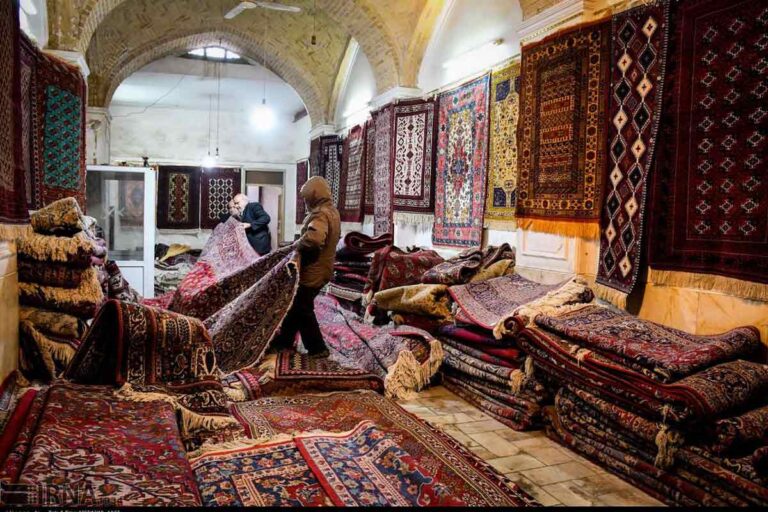

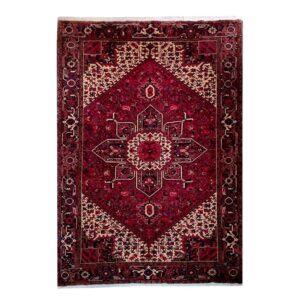
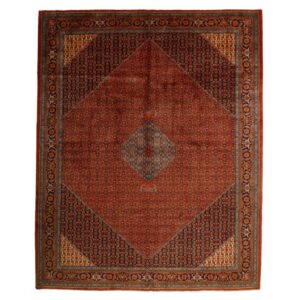
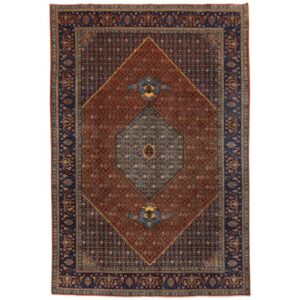
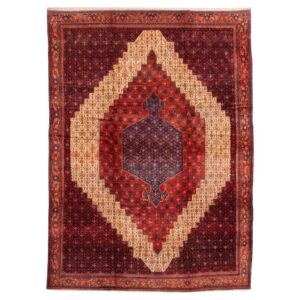
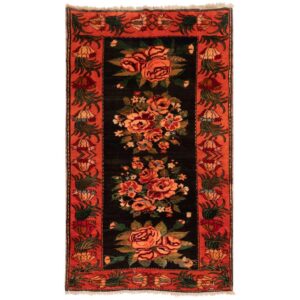
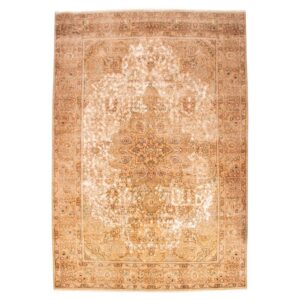

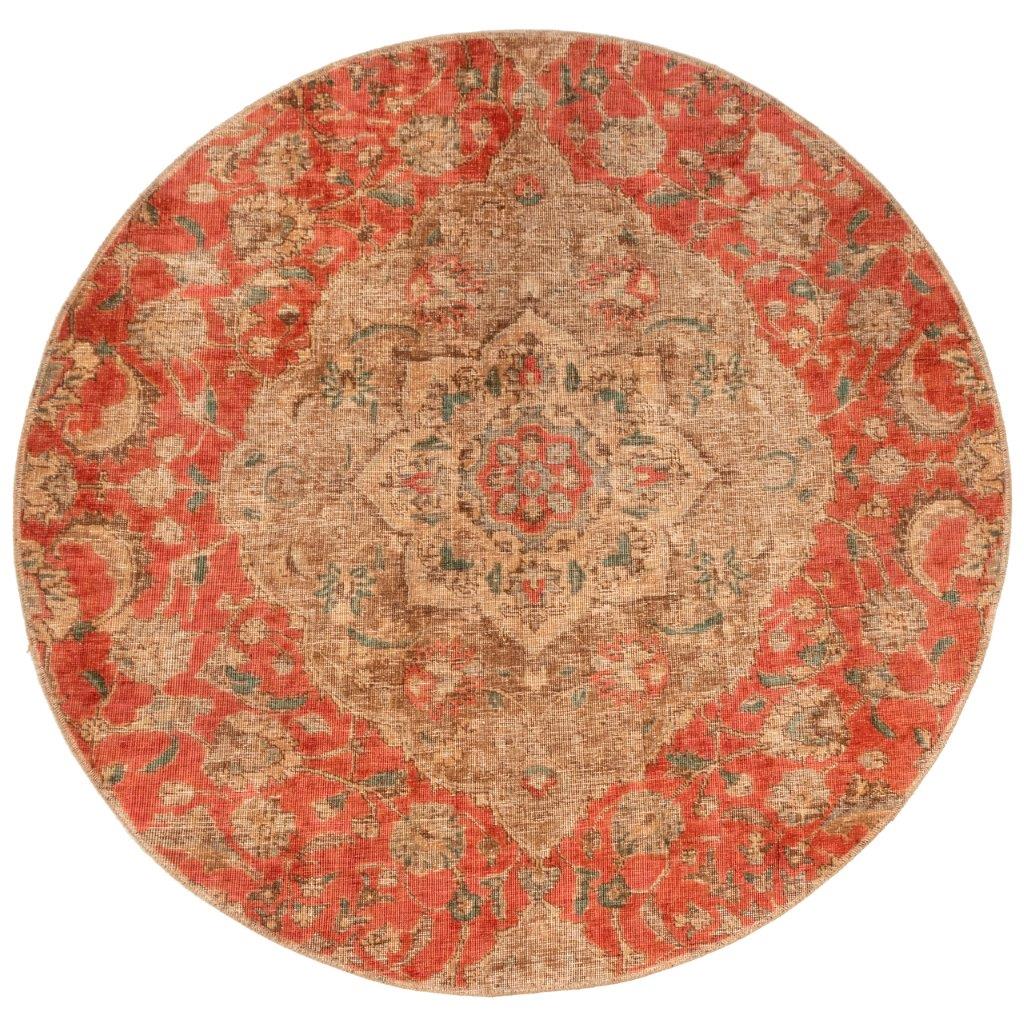
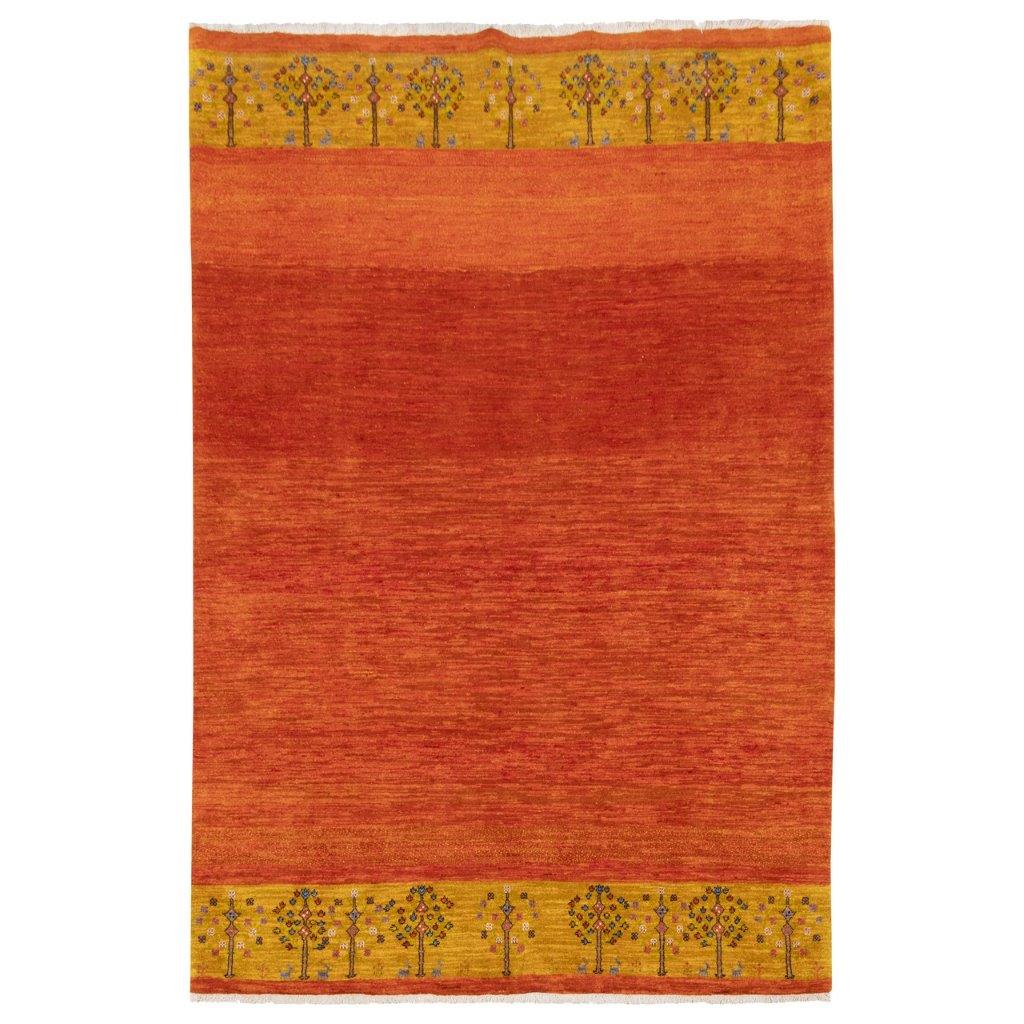
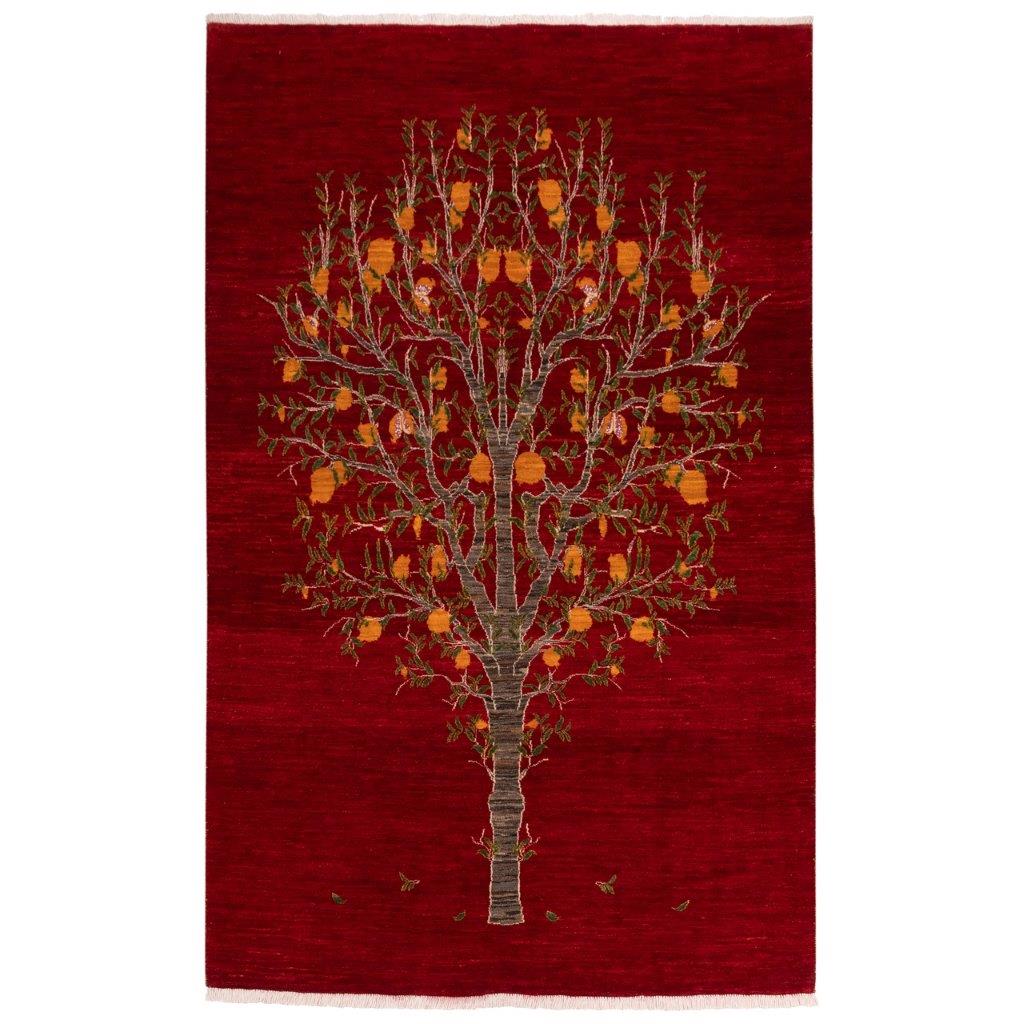
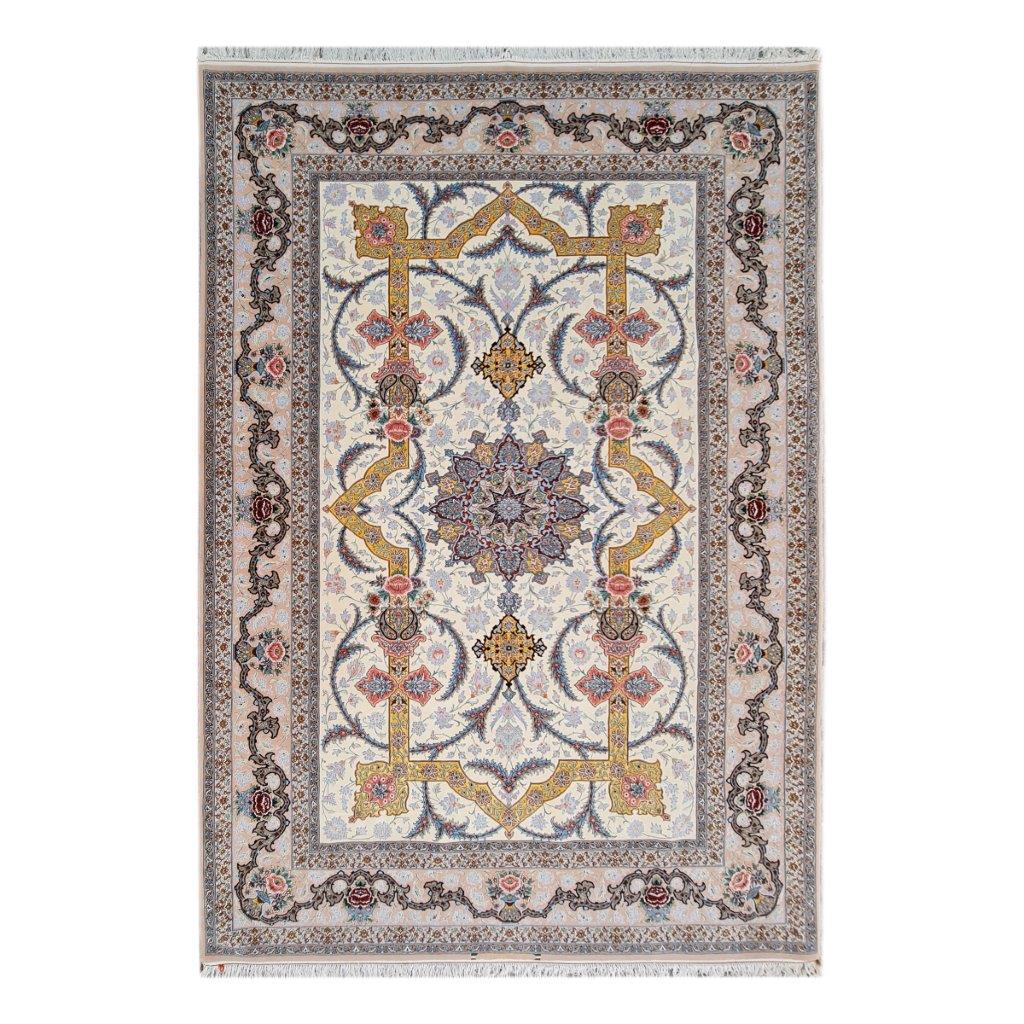
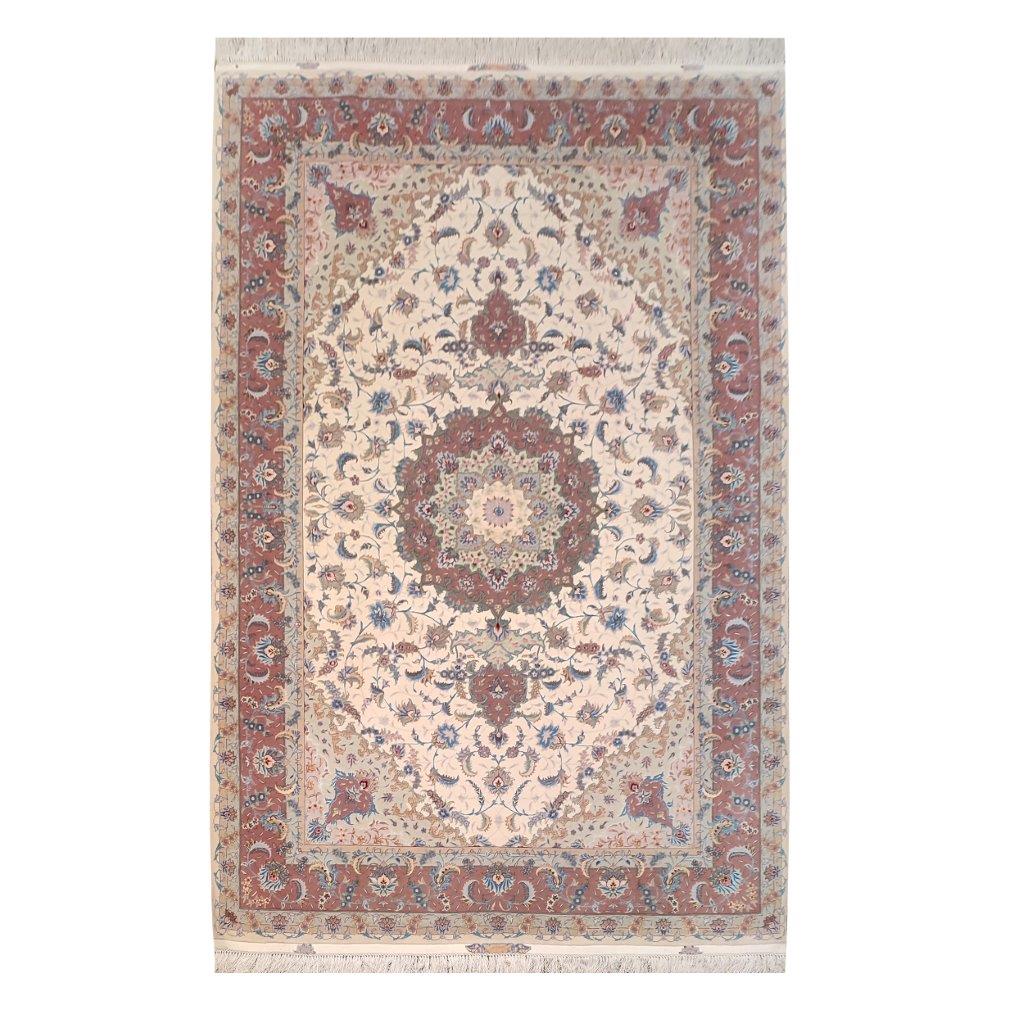
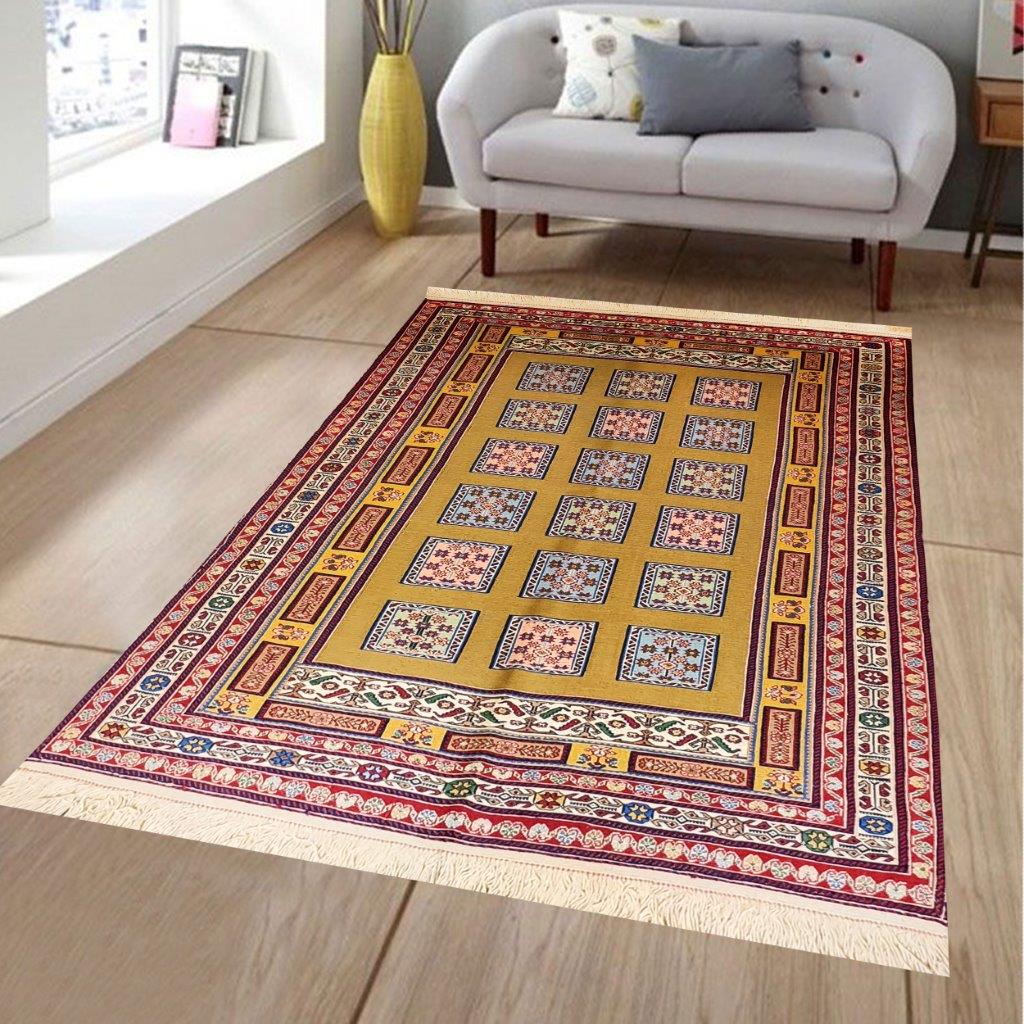
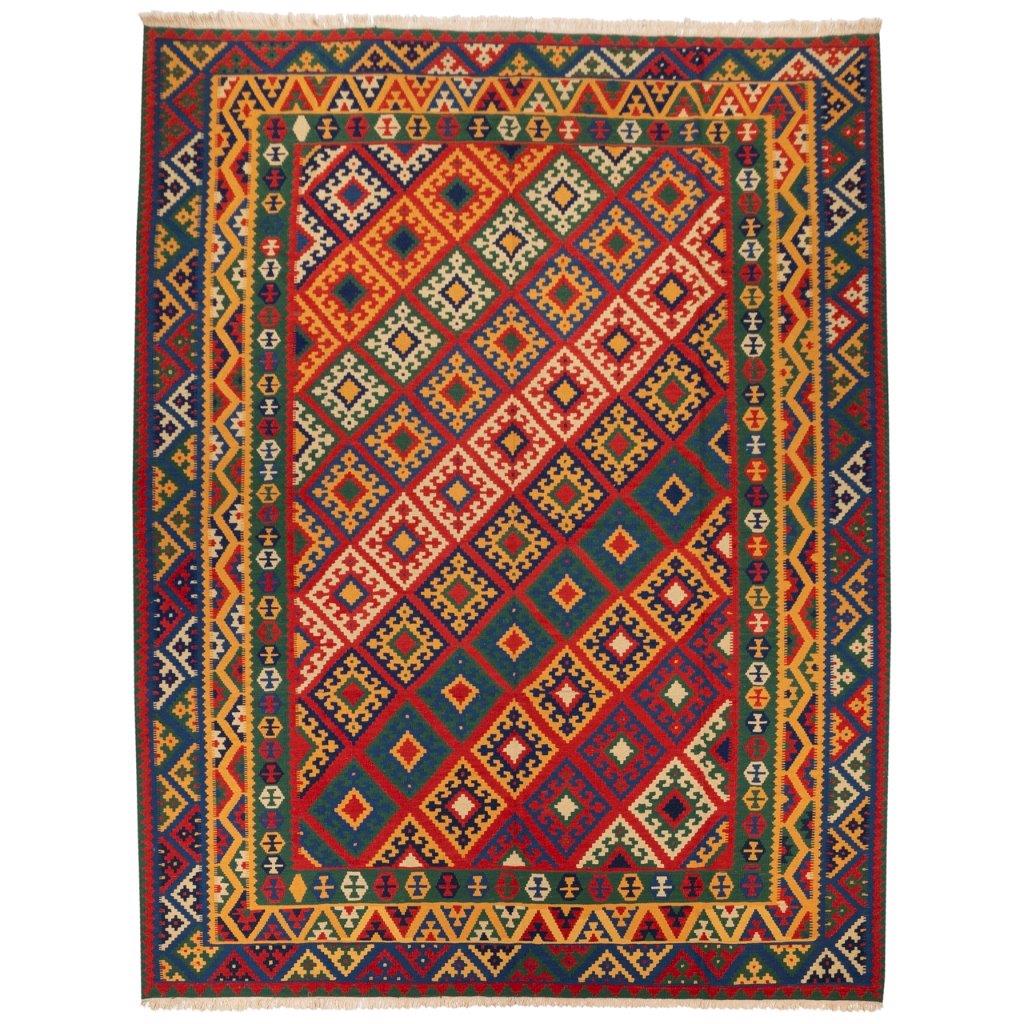
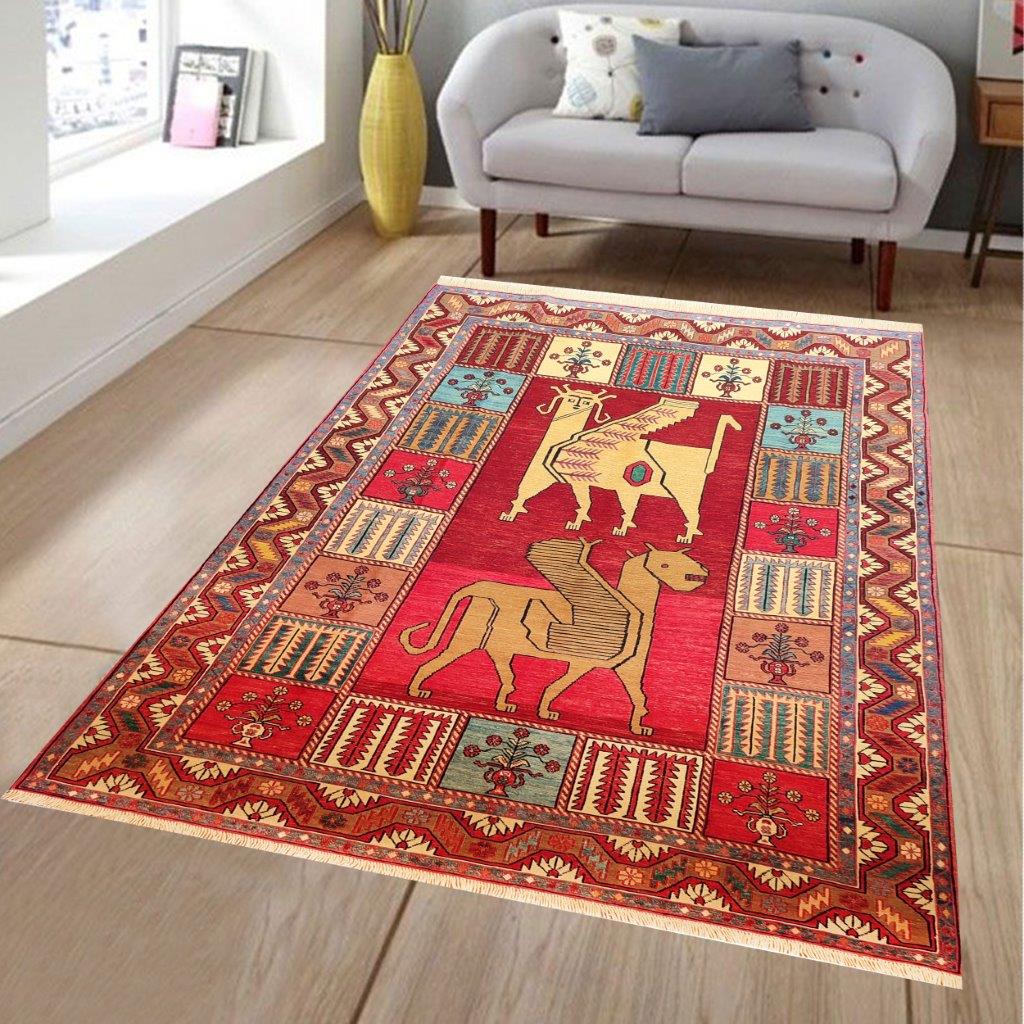
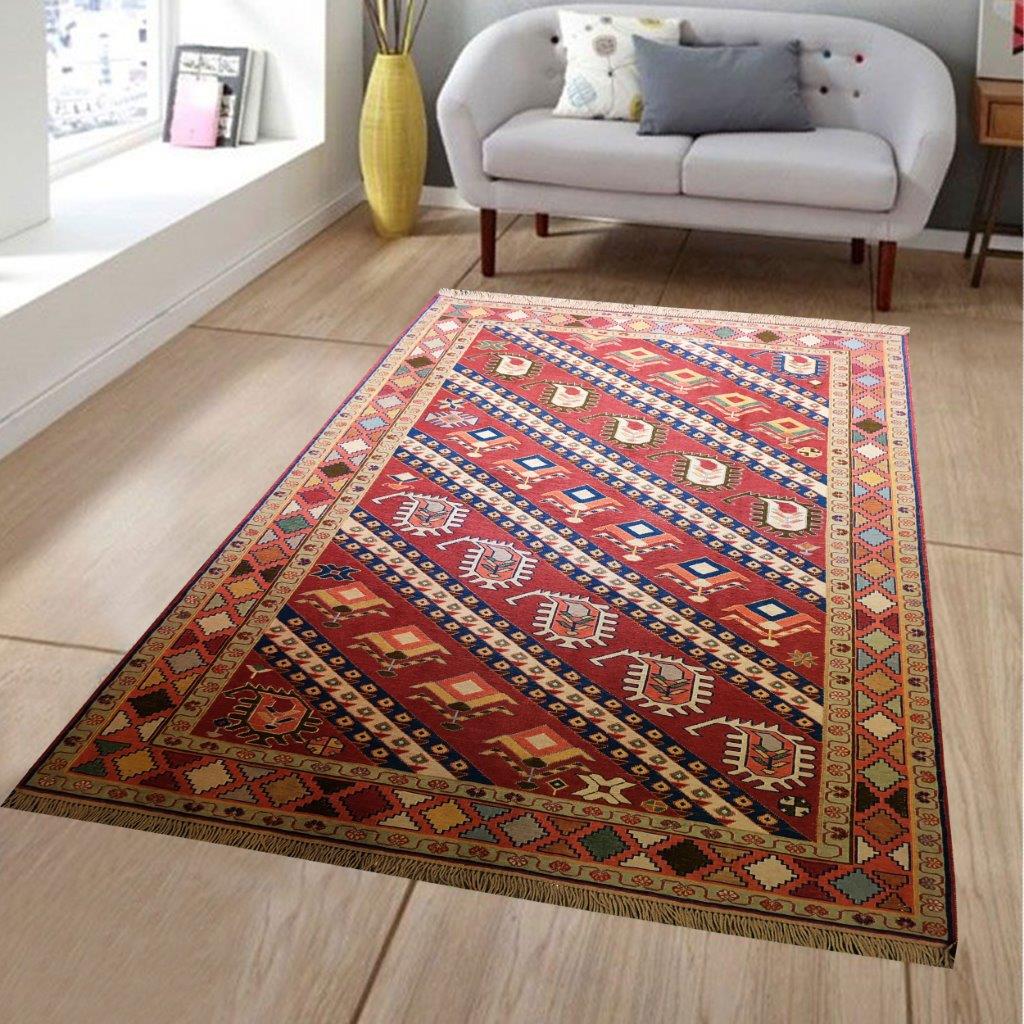

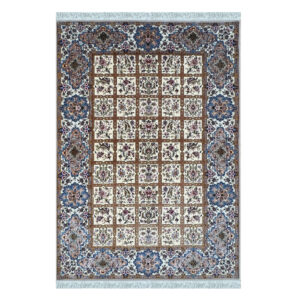

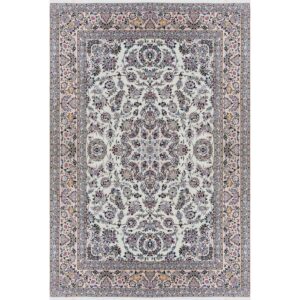

Egypt has a long tradition of appreciating textiles, decorative arts, antiques, and fine craftsmanship. This makes authentic Persian carpets a natural choice for Egyptian homes, from elegant Cairo residences and New Cairo villas to Alexandria apartments and luxury properties along the North Coast.
A handmade Persian carpet can add warmth to marble floors, complement classical furniture, soften a contemporary interior, or become the central artistic element of a reception room. For many Egyptian buyers, a Persian carpet is more than a floor covering—it is a lasting decorative piece that combines craftsmanship, heritage, and character.
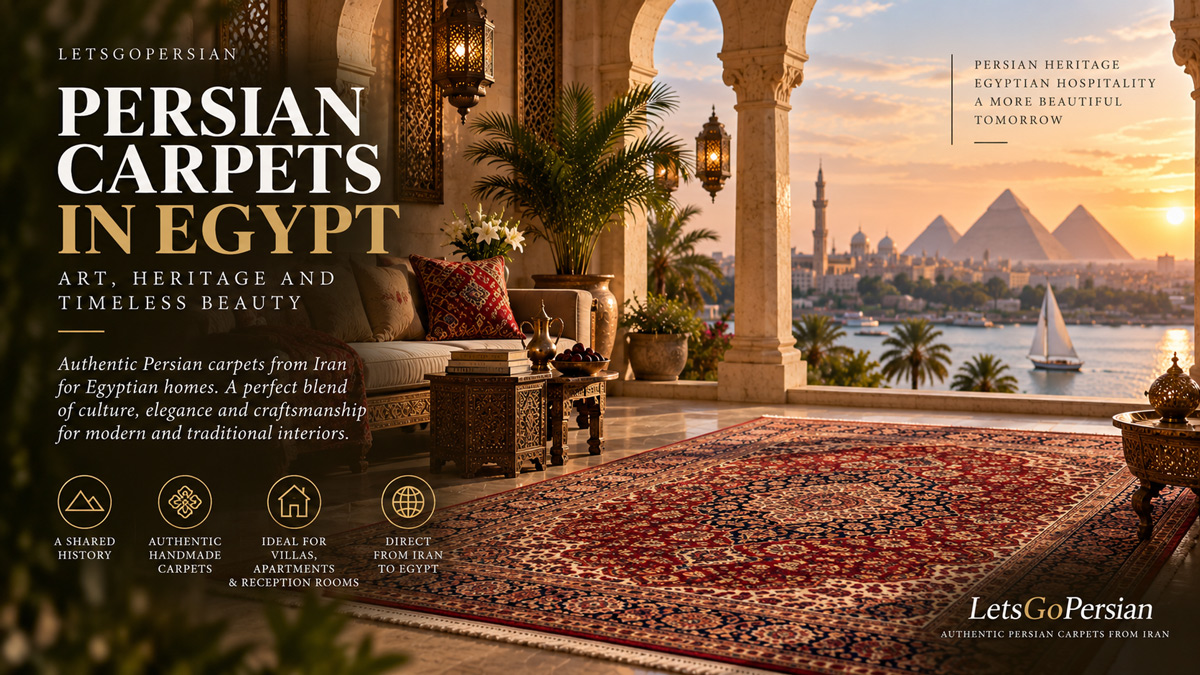
Why Persian Carpets Appeal to Egyptian Buyers
Egyptian interiors often combine spacious rooms, natural stone, decorative woodwork, classical furnishings, and contemporary luxury finishes. Persian carpets can work across these different settings because each weaving region offers its own combination of colors, patterns, materials, and character.
- Luxury residences: Fine Persian carpets can complement marble floors, custom furniture, and curated artwork.
- Traditional homes: Classical Persian designs work naturally with decorative woodwork, arches, and formal reception rooms.
- Modern apartments: Refined patterns can introduce warmth and character without overwhelming contemporary interiors.
- North Coast villas: Lighter and more elegant carpets can complement bright interiors and spacious coastal properties.
- Collector interiors: Rare, antique, and finely crafted carpets can serve as important artistic and decorative pieces.
Persian Carpet Styles to Consider in Egypt
Different Persian weaving regions offer very different visual styles. For Egyptian buyers, the best choice depends on the architecture of the home, room size, furniture, preferred colors, and whether the carpet is intended to create a subtle finishing touch or become the main focal point.
Mashhad Rugs
Mashhad carpets are known for detailed traditional compositions, rich colors, and an elegant decorative presence. Their larger and more elaborate designs can work particularly well in spacious reception rooms, formal living areas, and larger Egyptian villas.
For buyers who want a traditional Persian carpet with a substantial visual presence, Mashhad is a strong option for both classical and sophisticated interiors.

Nain Rugs
Nain carpets are particularly suitable for interiors where a lighter and more refined Persian rug is preferred. Their delicate designs and restrained color combinations can complement modern apartments, bright villas, and elegant rooms with neutral furniture.
They can be especially effective in contemporary Egyptian interiors where the carpet needs to add sophistication without visually dominating the room.
Qom Silk Rugs
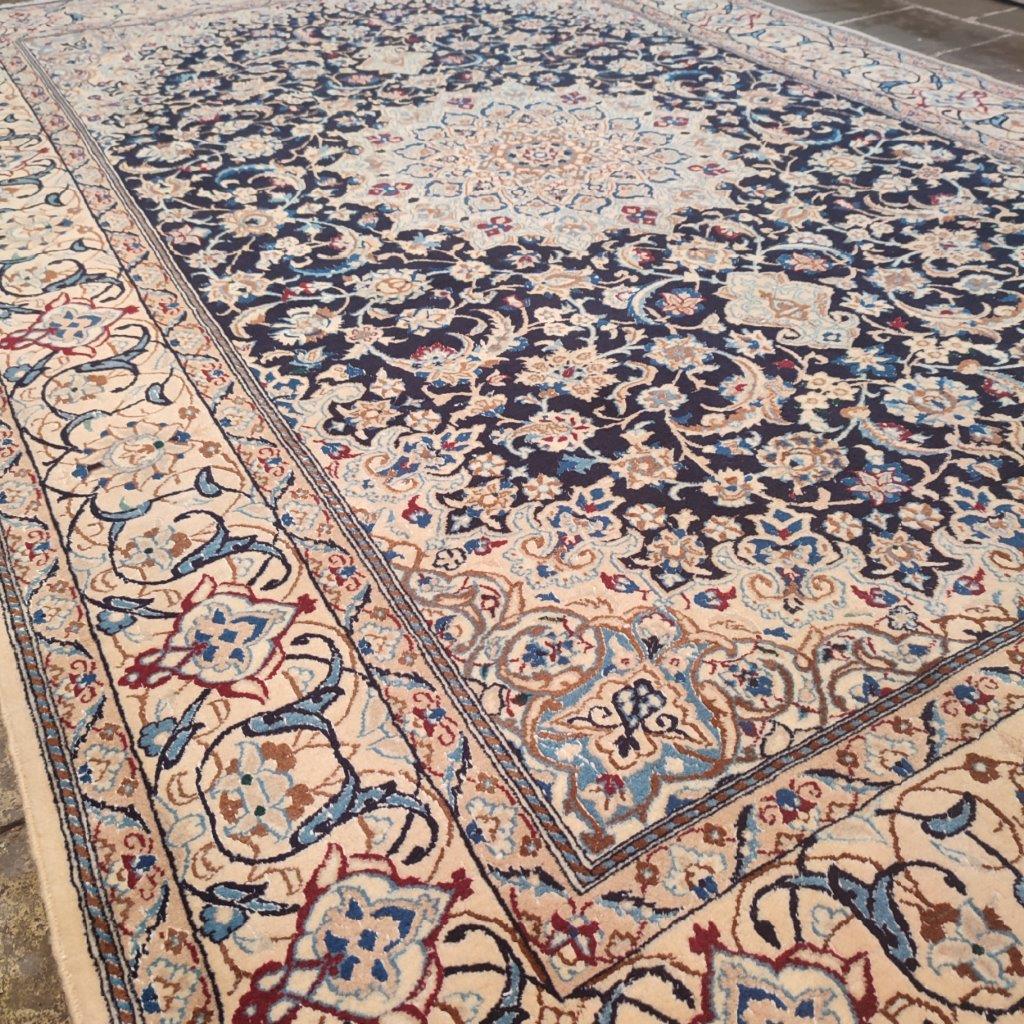
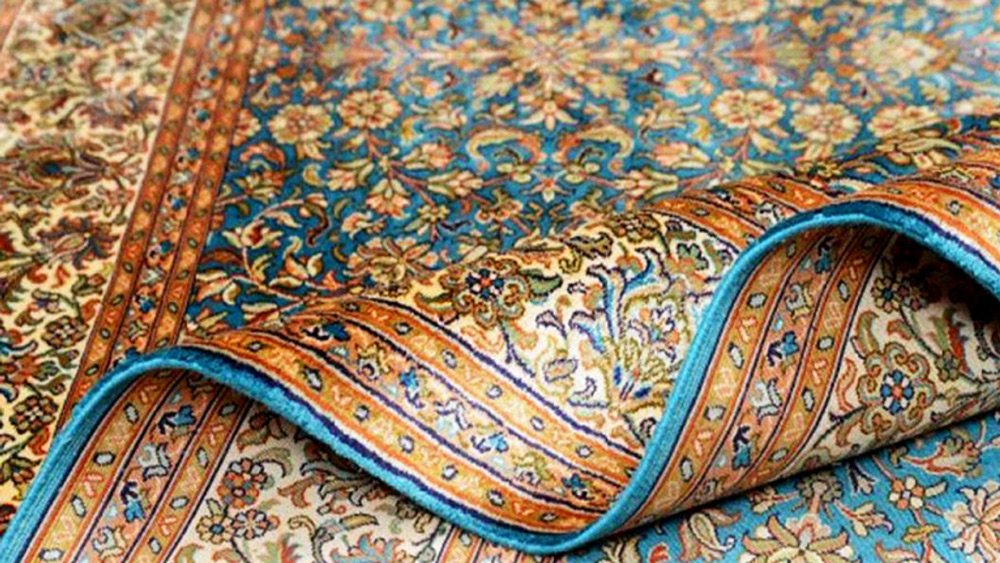
Qom silk carpets represent one of the more luxurious categories of Persian weaving. Their fine construction, intricate designs, and detailed patterns make them particularly attractive for luxury residences, formal salons, and buyers looking for an exceptional decorative piece.
Fine Qom silk rugs can also be considered for special gifts and interiors where the carpet is intended to function as an important artistic element rather than simply a practical floor covering.
Kashan Rugs
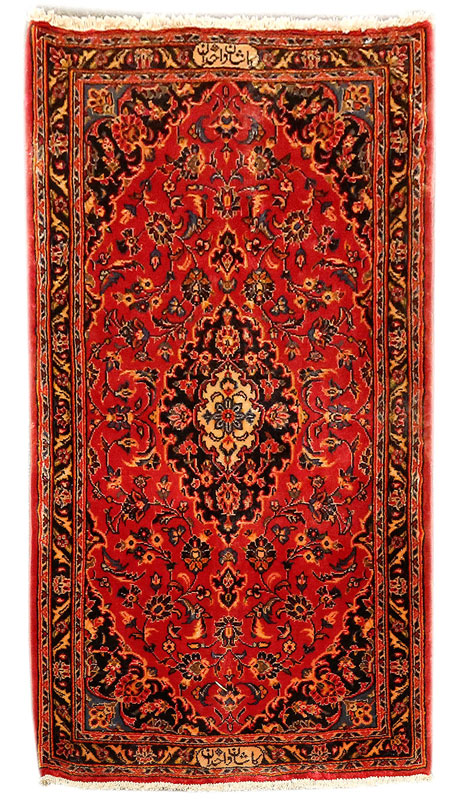
Kashan carpets are a natural choice for buyers who appreciate classical Persian decoration. Traditional floral compositions, medallions, and balanced designs make them particularly suitable for formal reception rooms, dining rooms, libraries, and traditional Egyptian interiors.
Their classical character can complement both historic residences and newer homes furnished with traditional or transitional pieces.
Kerman Rugs
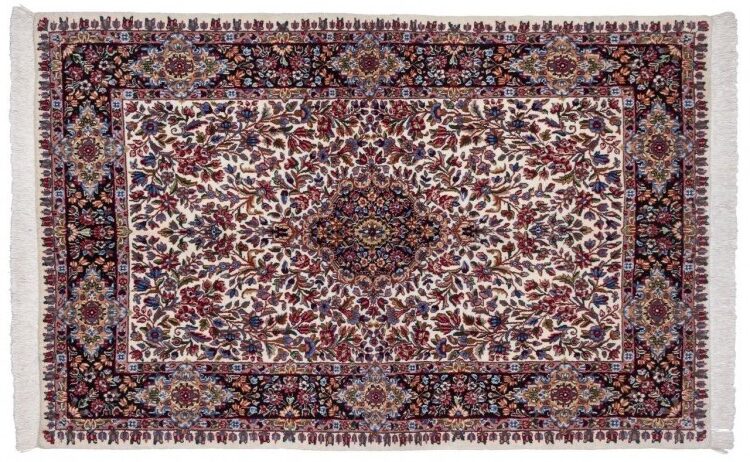
Kerman carpets offer another elegant option for Egyptian interiors, particularly where a sophisticated traditional appearance is desired. Their decorative compositions can work well in formal rooms, reception areas, and spaces containing classical furniture and artwork.
For buyers who want a Persian carpet with a refined decorative character that can integrate naturally into an established interior, Kerman is worth considering.
Choosing a Persian Carpet for Different Egyptian Homes
The architecture and interior style of the property should play an important role in selecting a Persian carpet. A formal Cairo residence, a contemporary New Cairo villa, and a relaxed North Coast property can each benefit from a different style.
Luxury Homes in Cairo and New Cairo
Large Egyptian residences often feature marble or natural stone floors, spacious reception areas, custom furniture, and carefully selected decorative objects. Mashhad and Qom carpets can provide a strong decorative presence, while refined Nain designs can work well in more contemporary rooms.

Historic and Classical Interiors
Traditional homes and historic residences can accommodate Persian carpets with classical compositions and richer decorative detail. Kashan and Kerman carpets can complement carved woodwork, traditional furniture, decorative ceilings, and formal reception rooms.
Modern Apartments in Cairo and Alexandria
Contemporary apartments often benefit from carpets that introduce color and craftsmanship without creating visual heaviness. Nain carpets can work particularly well with neutral palettes, modern furniture, natural stone, and minimalist interiors.
North Coast Villas
Coastal properties often emphasize natural light, open layouts, spacious rooms, and a relaxed form of luxury. Lighter Nain carpets and carefully selected traditional Persian designs can add warmth and character while maintaining the bright atmosphere of the interior.
How Much Does a Persian Carpet Cost in Egypt?
Persian carpet prices in Egypt can vary considerably depending on size, material, weaving region, knotting quality, age, condition, design, rarity, and craftsmanship.
- Gabbeh and tribal rugs: EGP 15,000–60,000
- Traditional Persian city rugs: EGP 50,000–200,000
- Fine silk rugs: EGP 150,000–600,000+
- Antique and collector-grade rugs: EGP 250,000–1,500,000+
These are general price ranges rather than fixed valuations. Individual carpets can be priced significantly higher or lower depending on their specific characteristics, materials, craftsmanship, age, condition, and provenance.
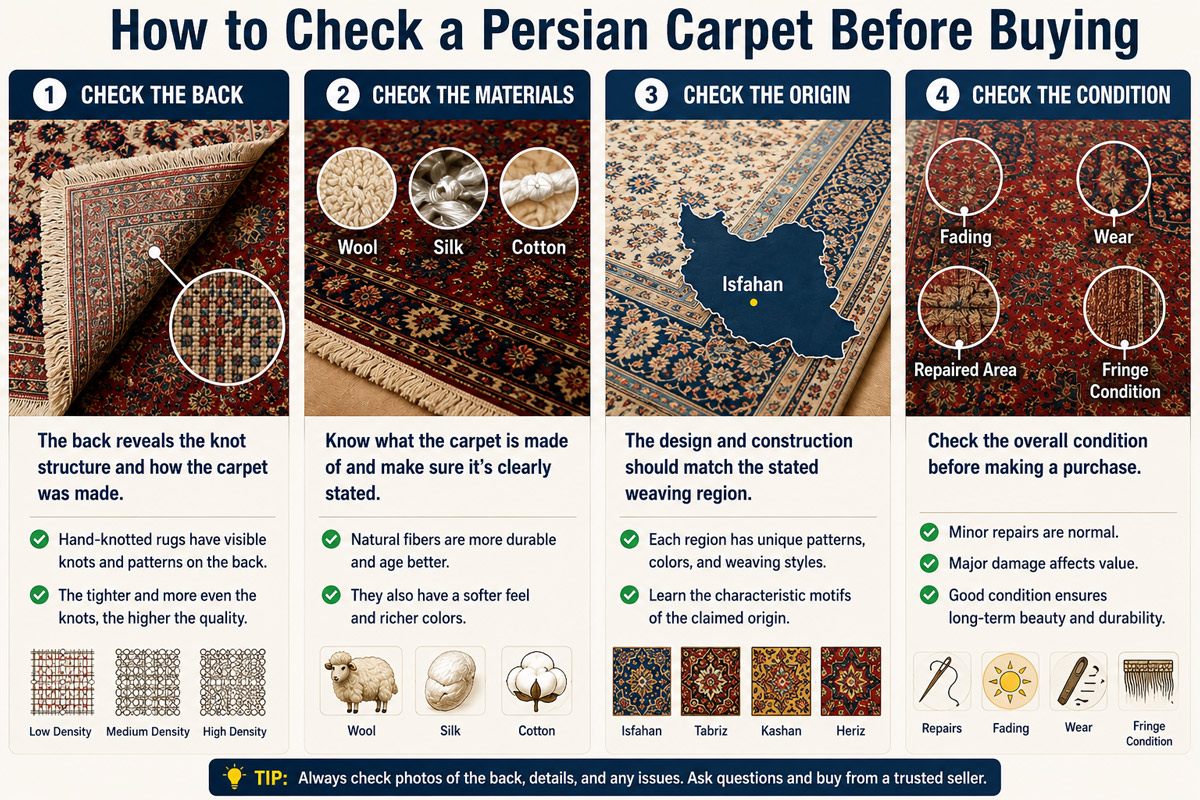
How to Check a Persian Carpet Before Buying
Check the Construction
Make sure the carpet is genuinely hand-knotted rather than machine-made. Examining the reverse side can reveal the individual knot structure and provide useful information about the construction.
Check the Materials
Ask whether the carpet is woven from wool, silk, cotton, or a combination of materials. Material quality can influence the carpet’s appearance, durability, texture, and price.
Check the Origin
Persian carpets from different regions have distinctive design traditions and construction characteristics. Understanding the stated weaving region can help you evaluate the style and craftsmanship of the carpet you are considering.
Check the Condition
For older carpets, ask about repairs, restoration, fading, wear, damaged areas, and previous alterations. A restored carpet can remain highly attractive, but its condition should be understood before purchase.
Request Detailed Photographs
If you are buying online, ask for clear photographs of the front, reverse, edges, pile, and any areas with visible wear or repairs. For valuable carpets, additional information about origin and provenance can also be useful.
Buying Persian Carpets Directly from Iran
For Egyptian buyers, purchasing directly from Iran can provide access to a broader selection of Persian carpets from different weaving regions. Instead of being limited to the stock available through local retailers, buyers can compare different sizes, origins, colors, materials, designs, and levels of craftsmanship.
Direct purchasing can be particularly useful when you have specific requirements. A buyer looking for a large traditional carpet for a Cairo reception room may need something very different from someone furnishing a contemporary apartment in Alexandria or a villa on the North Coast.
Before purchasing, confirm the carpet’s exact dimensions, materials, construction, condition, origin, shipping arrangements, and total delivered cost.
View Available Persian Carpets
Persian Carpets for Formal Egyptian Reception Rooms
Reception rooms are an important part of many Egyptian homes, and the carpet can play a major role in defining the character of the space. A well-chosen Persian rug can connect sofas, tables, lighting, artwork, and architectural details into a more cohesive composition.
For larger formal rooms, a substantial traditional carpet can provide the visual foundation for the furniture arrangement. In smaller or more contemporary rooms, a lighter design may create a more balanced result.
Rather than choosing a carpet only because its colors match the existing furniture, consider how its pattern, proportions, and overall character interact with the architecture of the room.

Persian Carpets as Long-Term Decorative Pieces
Egypt has a strong appreciation for antiques, art, textiles, and handcrafted objects that can remain meaningful over time. A quality Persian carpet fits naturally into this tradition.
Well-made carpets can remain in use for decades when properly cared for. Natural wool can develop character with age, while the colors and craftsmanship of a handmade carpet can continue to complement changing furniture and interior styles.
For collectors and buyers interested in older pieces, age, rarity, provenance, materials, condition, craftsmanship, and artistic quality become increasingly important factors.
Find the Right Persian Carpet for Your Home in Egypt
Whether you are furnishing a Cairo residence, a New Cairo villa, an Alexandria apartment, or a North Coast property, the right Persian carpet should suit the architecture, dimensions, furniture, colors, and atmosphere of the room.
If you already know the approximate size, preferred colors, design style, or budget, we can help you find suitable options from our collection.
Contact Us About a Persian Carpet
Frequently Asked Questions About Persian Carpets in Egypt
Where can I buy Persian carpets in Egypt?
Persian carpets can be found through specialist carpet stores, antique dealers, interior design businesses, importers, and online sellers in Egypt. Buyers who want access to a wider selection of regional Persian carpets can also consider purchasing directly from Iran and arranging international delivery.
Which Persian carpets are popular in Egypt?
Mashhad, Nain, Qom, Kashan, Kerman, Tabriz, Isfahan, Heriz, and other Persian regional styles can suit Egyptian interiors. The best choice depends on the room, architecture, furniture, desired appearance, and budget.
How much does a Persian carpet cost in Egypt?
Prices vary considerably according to size, material, weaving quality, region, design, age, and condition. Handmade tribal carpets can be relatively affordable, while fine silk carpets and antique or collector pieces can reach significantly higher prices.
How can I tell if a Persian carpet is genuinely handmade?
Check the reverse side of the carpet to examine its knot structure and weaving. You should also ask about the materials, place of weaving, construction, and condition. Detailed photographs of both the front and back are particularly useful when buying online.
Which Persian carpet is suitable for a modern Egyptian home?
Nain carpets can work particularly well in modern apartments and villas because of their refined appearance and lighter visual character. Depending on the interior, other Persian city carpets can also provide an elegant contrast with contemporary furniture.
Which Persian carpet is suitable for a traditional Egyptian interior?
Kashan, Kerman, and Mashhad carpets can work particularly well in formal and traditional interiors. Their classical decorative character can complement traditional furniture, woodwork, reception rooms, and other established architectural details.
Can I buy a Persian carpet directly from Iran and have it delivered to Egypt?
It is possible to purchase Persian carpets directly from Iran and arrange international delivery, depending on current shipping and import conditions. Before ordering, confirm the available shipping method, total delivered cost, customs or import requirements, and documentation.
Should I choose a Persian carpet based only on knot count?
Knot count is one useful technical characteristic, but it should not be the only factor. Materials, weaving quality, regional characteristics, design, condition, age, craftsmanship, and overall execution should also be considered.
Are Persian carpets a good long-term purchase?
A well-made Persian carpet can remain attractive and usable for decades, while exceptional antique or collectible examples may retain significant value. However, appreciation is not guaranteed, so buyers should evaluate the quality, condition, origin, and craftsmanship carefully before purchasing.